Last Updated on July 27, 2026 by Daniel Globe
Choosing the best hiking shoes for women is less about finding one universally “best” pair and more about matching the shoe to your feet, terrain, weather, and hiking style. A light trail shoe may feel ideal on dry day hikes, while rocky routes, wet weather, or a heavier pack can call for more protection, traction, and structure.
Quick Answer
The best hiking shoes for women are the pair that fit your foot shape and match your terrain. For 2026, strong options include the Salomon X Ultra 5 GORE-TEX for technical wet trails, Merrell Moab 3 for all-around hiking, and Altra Lone Peak 9 for lightweight, roomy comfort. Always prioritize fit over brand.
Key Takeaways
- Choose footwear by terrain, trip length, weather, pack weight, and your individual foot shape rather than brand name alone.
- Your heel should stay secure, your toes should have room to move, and the shoe should feel snug without pinching.
- Waterproof membranes help in wet conditions but are usually warmer and less ventilated than non-waterproof mesh shoes.
- Low-cut hiking shoes and trail runners work well for many day hikes; boots add structure and protection for rougher terrain, heavier loads, and some wet or cold conditions.
- Many older favorites have newer generations in 2026, so check the exact model rather than relying on reviews of discontinued versions.
Note: “Best” is use-case dependent. Product specifications in this guide were checked against current manufacturer information in July 2026. Availability, colors, and prices can change, and no ranking can replace trying a shoe on your own feet.
Disclosure: As an Amazon Associate I earn from qualifying purchases. Some links on this page are affiliate links, at no extra cost to you.
Factors to Consider When Choosing Women’s Hiking Shoes
Start with the trail rather than the shoe rack. Smooth park paths and maintained trails usually allow lighter, more flexible footwear. Rockier routes, loose dirt, roots, mud, steep descents, and heavier backpacking loads place more demands on the outsole, midsole, and upper.
REI’s current hiking-footwear guidance recommends considering the duration of the hike, terrain, and the load you plan to carry. It also notes that hiking shoes are generally lighter and more breathable than boots, while burlier boots usually provide more structure, protection, and resistance to rough conditions. You can review its detailed guidance in the REI guide to choosing hiking boots and shoes.
Fit Comes First
A hiking shoe should feel snug but not tight. Your heel should stay seated when you walk uphill, while the toe box should leave enough room for your toes to move and for your feet to swell slightly during a long day.
Women’s feet do show average shape differences from men’s feet in anthropometric research, but those averages should never be treated as a rule for every shopper. One comparative study found that female feet were relatively narrower and higher in some measurements, while emphasizing that female feet are not simply scaled-down male feet. Your own length, width, heel shape, arch, instep volume, and toe shape matter more than a gender label. See the peer-reviewed foot-shape study indexed by PubMed.
Pro Tip: Try hiking shoes later in the day, when your feet may be slightly larger, and wear the same hiking socks and orthotics you plan to use on the trail. Walk on an incline if possible to check for heel lift and toes hitting the front.
Hiking Shoes vs. Boots vs. Trail Runners
- Hiking shoes: A good middle ground for day hikes and many moderate trails. They are lower-cut and usually lighter than boots while providing more trail protection than everyday sneakers.
- Hiking boots: Better suited to hikers who want a higher collar, more structure, greater protection, or footwear for rough terrain and heavier loads. They are usually heavier and may require more break-in time.
- Trail-running shoes: Light, flexible, and popular with fast hikers and some thru-hikers. They generally trade some underfoot structure and durability for lower weight and a more athletic feel.
Traction, Protection, and Cushioning
Look beyond the brand name and inspect the outsole. Deeper or more widely spaced lugs can help on loose dirt and mud, while the rubber compound also affects grip on rock. Some hiking shoes and trail runners add a rock plate between the sole and your foot to reduce pressure from sharp rocks.
Cushioning is personal. A highly cushioned shoe can reduce harsh impact for some hikers, while a firmer platform may feel more stable on uneven ground. Heel-to-toe drop also changes how a shoe feels. Traditional hiking footwear commonly has a noticeable heel-to-toe drop, while models such as the Altra Lone Peak 9 use a 0 mm drop.
Warning: Do not take a painful or poorly fitting new pair on a long hike hoping it will “break in.” Mild stiffness can soften, but pressure points, crushed toes, or significant heel movement usually indicate a fit problem rather than a break-in problem.
Top Picks for Women’s Hiking Shoes in 2026
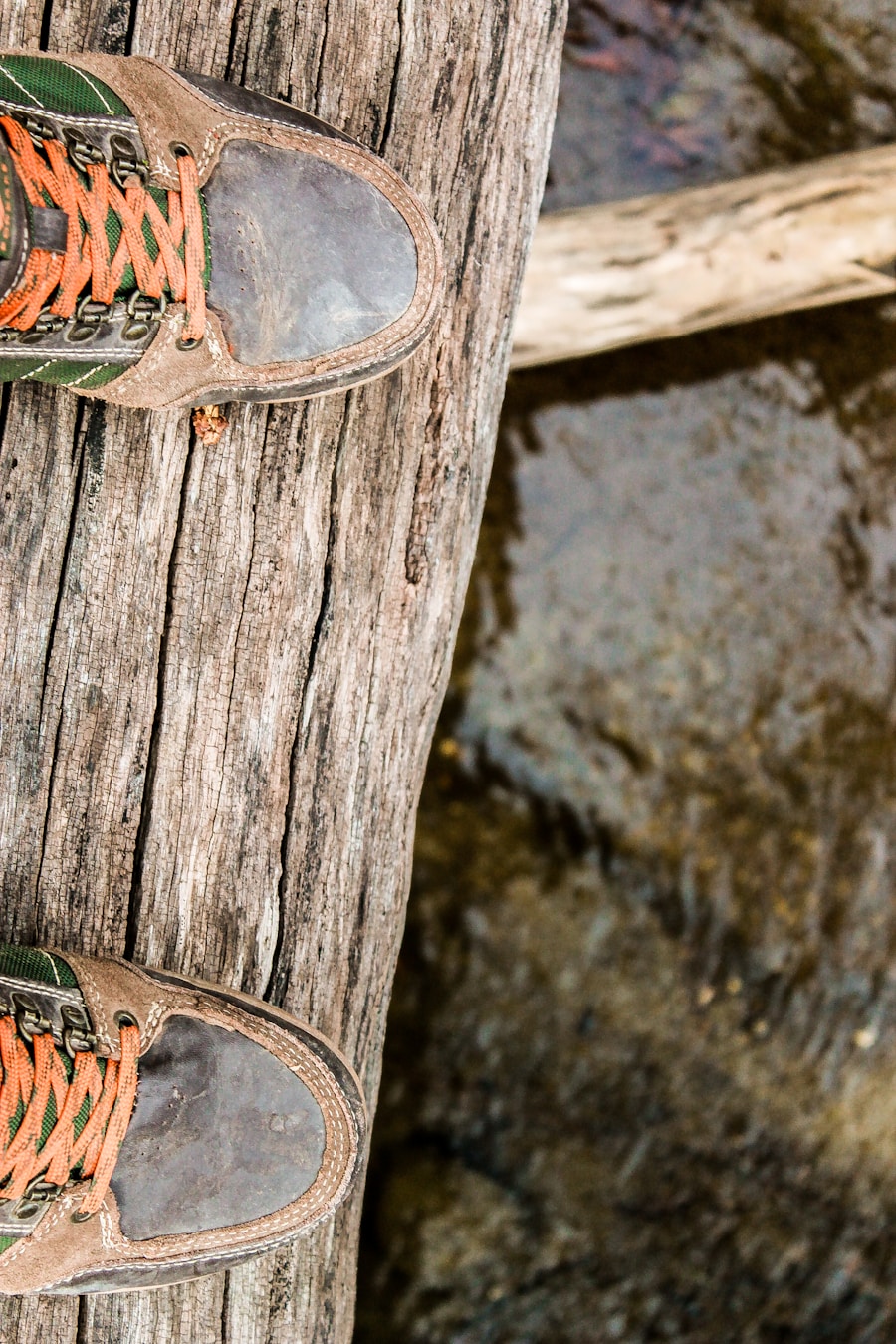
Several older models commonly recommended in past hiking guides now have newer generations. For example, the Salomon X Ultra 3 GTX has been followed by the X Ultra 5 GORE-TEX, while the Merrell Moab 2 has given way to the Moab 3 family.
Salomon X Ultra 5 GORE-TEX — Strong Choice for Technical and Wet Trails
The current women’s Salomon X Ultra 5 GORE-TEX is a low-cut hiking shoe intended for full-day hikes and terrain that can include mud, wet ground, rocky trails, and technical sections. Salomon lists it at about 11 ounces per shoe, with an 11 mm drop, a GORE-TEX membrane, and a Contagrip outsole.
This is a better current reference point than the older X Ultra 3 GTX cited in the original article. It suits hikers who want a relatively agile shoe without giving up the protection and stability expected from a dedicated hiker.
Merrell Moab 3 — Strong All-Around Hiking Option
The women’s Merrell Moab 3 continues the familiar Moab design with a breathable upper, protective heel and toe areas, cushioning, and a Vibram TC5+ outsole. Merrell lists 5 mm lugs and an 11.5 mm drop for the current model.
The standard Moab 3 is a useful choice for hikers who prioritize a traditional hiking-shoe feel and want a non-waterproof option for better ventilation. Waterproof and GORE-TEX versions are also available if your conditions require them.
Lightweight and Breathable Hiking Shoes for Women
| Model | Good For | Approx. Weight Per Shoe | Waterproof | Key Fit / Ride Detail |
| Salomon X Ultra 5 GORE-TEX | Technical, rocky, wet and mixed trails | 11 oz | Yes | Stable low-cut hiker; 11 mm drop |
| Merrell Moab 3 | General hiking and rugged day trails | About 12.3 oz | No; waterproof versions available | Traditional hiking-shoe feel; 5 mm lugs |
| Altra Lone Peak 9 | Fast hiking, thru-hiking and dry trails | 9.3 oz | No | 0 mm drop; Original FootShape fit |
| Brooks Cascadia 19 | Trail running, hiking and mixed technical terrain | 9.8 oz | No; GTX version available | 6 mm drop; flexible rock-plate system |
| KEEN Targhee IV Waterproof | Durability, wet trails and a roomier hiking feel | 16.65 oz | Yes | More substantial construction; 12 mm drop |
| Columbia Newton Ridge Plus Waterproof | Wet-weather hikers wanting a boot rather than a low shoe | 15.7 oz | Yes | Higher-cut leather/textile hiking boot |
For hikers who value low weight and ventilation, the Altra Lone Peak 9 is the current successor to the Lone Peak 5 mentioned in older guides. Altra lists it at 9.3 ounces, with a ripstop mesh upper, 25 mm stack height, 0 mm heel-to-toe drop, and its Original FootShape fit.
A zero-drop shoe can feel very different from conventional hiking footwear, especially if you normally wear shoes with an elevated heel. Comfort in the store does not necessarily mean your calves and Achilles are accustomed to long distances in zero-drop footwear, so transition gradually if the geometry is new to you.
The older HOKA Challenger ATR 6 is also no longer the useful model to shop by. The Challenger line has moved on to newer generations. When considering a road-to-trail shoe in this category, compare the current model available in your market rather than relying on old Challenger ATR 6 specifications.
Durable and Waterproof Hiking Shoes for Women
Waterproof footwear makes the most sense when you expect wet grass, shallow mud, rain, or consistently damp trails. The tradeoff is ventilation: a waterproof membrane generally traps more heat than an open mesh upper.
The Columbia Newton Ridge Plus Waterproof Hiking Boot remains a current option. Columbia lists an Omni-Tech waterproof construction, TechLite cushioning, an Omni-Grip outsole, and a weight of about 15.7 ounces per shoe in women’s size 7.
The older KEEN Targhee III reference should be updated to the KEEN Targhee IV Waterproof Hiking Shoe. KEEN lists a waterproof KEEN.DRY version, multi-directional lugs, Luftcell cushioning, and its fused KEEN.FUSION construction. At roughly 16.65 ounces per shoe, it is notably heavier than lightweight trail-running options, but it targets hikers who favor a more substantial platform.
Note: Waterproof does not mean water can never reach your socks. Water can enter over a low-cut shoe’s collar, and waterproof membranes can eventually wear or become damaged. For hot, dry climates, a non-waterproof shoe that ventilates and dries quickly may be more comfortable.
Comfortable and Supportive Hiking Shoes for Women
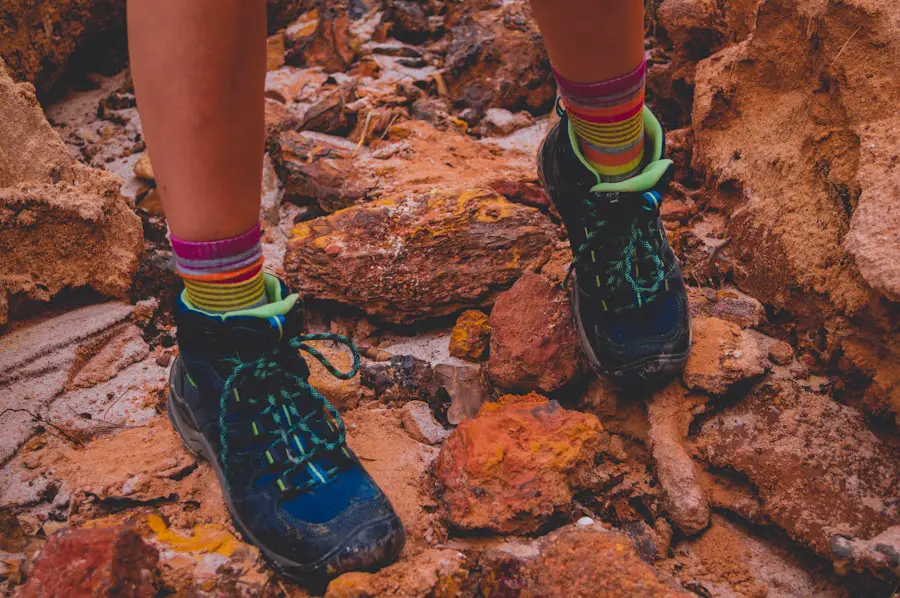
Comfort depends on fit as much as cushioning. A soft midsole cannot compensate for a heel that slips, toes that hit the front on descents, or an upper that presses painfully against the instep.
The Brooks Cascadia 15 cited in older advice has advanced to the Brooks Cascadia 19. Brooks lists the Cascadia 19 for trail runs, hiking, and technical terrain, with a 9.8-ounce weight, 6 mm drop, breathable structured mesh, and a Trail Adapt System that integrates a flexible rock plate with cushioning.
Likewise, the ASICS Gel-Venture 8 has been replaced by newer generations. The current ASICS GEL-VENTURE 11 is positioned primarily for daily wear and easier trail use. Standard, wide, and waterproof versions are available. It can work well for casual trails, but hikers heading into rough mountain terrain should compare it with more protective hiking-specific footwear rather than assuming every trail shoe offers the same level of structure.
How Women’s Hiking Shoes Should Fit
- Toe room: Your longest toe should not hit the front when walking downhill. REI suggests checking for roughly a thumb’s width of space when standing on the removed insole.
- Heel security: The heel should feel held in place rather than sliding significantly with each step.
- Width: The forefoot should not spill over the platform or feel squeezed from the sides.
- Instep volume: Laces should secure the shoe without painful pressure across the top of your foot.
- Socks: Fit the shoes while wearing the same thickness of hiking sock you plan to use outside.
- Orthotics: Bring custom orthotics or aftermarket insoles when trying shoes because they can change internal volume and heel position.
Pro Tip: Walk both uphill and downhill before keeping a pair. Uphill movement exposes heel slip; downhill movement quickly reveals whether your toes are likely to strike the front of the shoe.
Waterproof or Breathable: Which Is Better?
Neither design wins everywhere. Choose based on the conditions you hike in most often.
- Choose waterproof footwear for frequent rain, wet brush, muddy trails, cool weather, and situations where keeping external moisture out matters more than maximum ventilation.
- Choose non-waterproof mesh footwear for hot weather, dry trails, high-output hiking, and conditions where fast drying and airflow are more valuable.
- For water crossings, remember that low-cut waterproof shoes can fill from the top. Once water gets inside, a waterproof membrane may also slow drying compared with open mesh.
Stylish and Versatile Hiking Shoes for Women
Style matters when you want one pair for travel, casual walking, and the trail, but outsole grip and fit should still come first. Older recommendations such as the adidas Terrex Swift R2 GTX should be treated as legacy references rather than default 2026 picks.
For current casual day-hiking options, adidas now offers women’s Terrex Anylander models, including standard and weather-protected versions. These are aimed at day hiking and use Traxion outsoles and EVA cushioning.
The old Merrell Siren Edge 3 recommendation also has a newer counterpart. The Merrell Siren 4 uses a breathable mesh and TPU upper, rock plate, FloatPro cushioning, and Vibram TC5+ outsole. Merrell specifically describes the line as having a women’s-specific fit, but shoppers should still judge the individual shoe by how it matches their own heel, forefoot, and instep.
How to Match Hiking Shoes to Your Terrain
Easy and Maintained Trails
Light hiking shoes or trail runners are usually sufficient when the path is groomed, the grade is mild, and you are carrying a light daypack. Prioritize comfort, ventilation, and adequate outsole grip.
Rocky and Technical Trails
Look for a secure upper, stronger toe protection, a stable platform, effective outsole lugs, and underfoot protection such as a rock plate. A model such as the Salomon X Ultra 5 GORE-TEX or another structured hiking shoe may make more sense than a soft road-to-trail shoe.
Mud and Frequent Rain
Prioritize outsole tread that can bite into soft ground and shed debris. A waterproof membrane can help in sustained wet vegetation and mud, although it comes with a breathability tradeoff.
Long Hikes and Heavier Loads
As distance and pack weight increase, many hikers benefit from more structure underfoot. A supportive hiking shoe may still work for an experienced lightweight backpacker, while others will prefer a higher-cut backpacking boot. There is no universal pack-weight threshold that works for every hiker.
What Heel-to-Toe Drop Means
Heel-to-toe drop is the difference in height between the heel and forefoot. A shoe with an 11 mm drop places the heel noticeably higher than the forefoot; a 0 mm shoe keeps both at the same height.
Drop is not a quality ranking. Some hikers prefer a traditional raised heel, while others like a flatter platform. If you switch suddenly from conventional shoes to a zero-drop model such as the Lone Peak 9, give your body time to adapt rather than immediately using the shoe for your longest hike.
When to Replace Hiking Shoes
There is no single mileage number that applies to every hiking shoe because terrain, body weight, gait, construction, and use vary. Inspect the shoe itself.
- Replace or repair footwear when outsole lugs have worn smooth enough to reduce grip.
- Watch for the upper separating from the sole or developing tears that affect support.
- Pay attention to cushioning that feels permanently compressed or uneven.
- Replace footwear if the shoe no longer holds your foot securely despite correct lacing.
- For waterproof footwear, persistent leakage after cleaning and appropriate care can indicate that the waterproof system is damaged or worn.
Finding the Right Women’s Hiking Shoes for Your Outdoor Adventures
The best women’s hiking shoes are the ones that disappear on your feet once you start walking. Begin with the trail conditions you expect, then narrow the field by waterproofing, weight, outsole, cushioning, and protection. After that, let fit make the final decision.
A current model with excellent reviews is still the wrong shoe if its heel cup, arch position, toe box, or overall volume does not suit your foot. Conversely, a less fashionable model that holds your heel comfortably and gives your toes enough space can be the better hiking partner.
Before a demanding trip, wear the shoes on shorter walks and local trails. More flexible hiking shoes and trail runners may need little break-in, while stiffer boots generally benefit from progressive wear before a long backcountry day.
When looking at outdoor gear more broadly, the same principle applies: choose equipment for the conditions rather than relying on a name alone. A related TakeTravelInfo guide discusses selecting a travel fishing rod for outdoor trips.
Love travel? Join Our Facebook Community For More Tips.
Frequently Asked Questions
What are the key features to look for in the best hiking shoes for women?
Look for a secure fit, enough toe room, an outsole suited to your terrain, appropriate cushioning and underfoot protection, and the right balance of durability, weight, and breathability. Waterproofing is useful in wet conditions but is not necessary for every hike.
What are some popular brands that offer hiking shoes for women?
Current women’s hiking and trail footwear is available from brands including Merrell, Salomon, KEEN, Columbia, Altra, Brooks, adidas Terrex, ASICS, HOKA, The North Face, La Sportiva, Oboz, and others. Brand reputation matters less than finding a model whose fit and construction suit your feet and trails.
What are the different types of hiking shoes for women?
Common options include low-cut hiking shoes, higher-cut hiking or backpacking boots, lightweight trail-running shoes, approach shoes for hike-to-climb use, and hiking sandals for suitable warm-weather trails. Each balances weight, protection, flexibility, support, and breathability differently.
What factors matter most when choosing women’s hiking shoes?
Start with fit, then consider terrain, hike length, weather, pack weight, traction, underfoot protection, cushioning, waterproofing, and shoe weight. A technically impressive shoe is not a good choice if it causes heel slip, toe pressure, or numbness.
How should the best hiking shoes for women fit?
They should feel snug without squeezing. Your heel should remain secure, your toes should be able to move, and your longest toe should not hit the front during descents. Try footwear with your hiking socks and orthotics, preferably later in the day when your feet are slightly more swollen.
Are waterproof hiking shoes better than breathable hiking shoes?
Not always. Waterproof shoes are useful for rain, wet vegetation, and muddy trails, but the membrane usually reduces airflow. Non-waterproof mesh shoes can feel cooler and dry faster in hot or dry conditions. Choose based on the weather and trail conditions you encounter most often.
Do women need hiking boots instead of hiking shoes?
No. Many hikers are comfortable in low-cut hiking shoes or trail runners for day hikes and moderate terrain. Boots can be useful when you want a higher collar, more structure, added protection, or footwear for rough terrain, heavier loads, cold conditions, or sustained wet weather.
Sources
- REI — How to Choose Hiking Boots and Hiking Shoes — footwear types, terrain, load, fit, waterproofing, socks, and break-in guidance.
- PubMed — Comparison of Male and Female Foot Shape — research on average sex-related differences in foot dimensions.
- Salomon — Women’s X Ultra 5 GORE-TEX — current model specifications and intended terrain.
- Merrell — Women’s Moab 3 — current Moab specifications, outsole, drop, and construction.
- Altra — Women’s Lone Peak 9 — current weight, drop, outsole, stack height, and intended uses.
- KEEN — Women’s Targhee IV Waterproof Hiking Shoe — current waterproofing, outsole, cushioning, weight, and construction information.