
Last Updated on July 26, 2026 by Daniel Globe
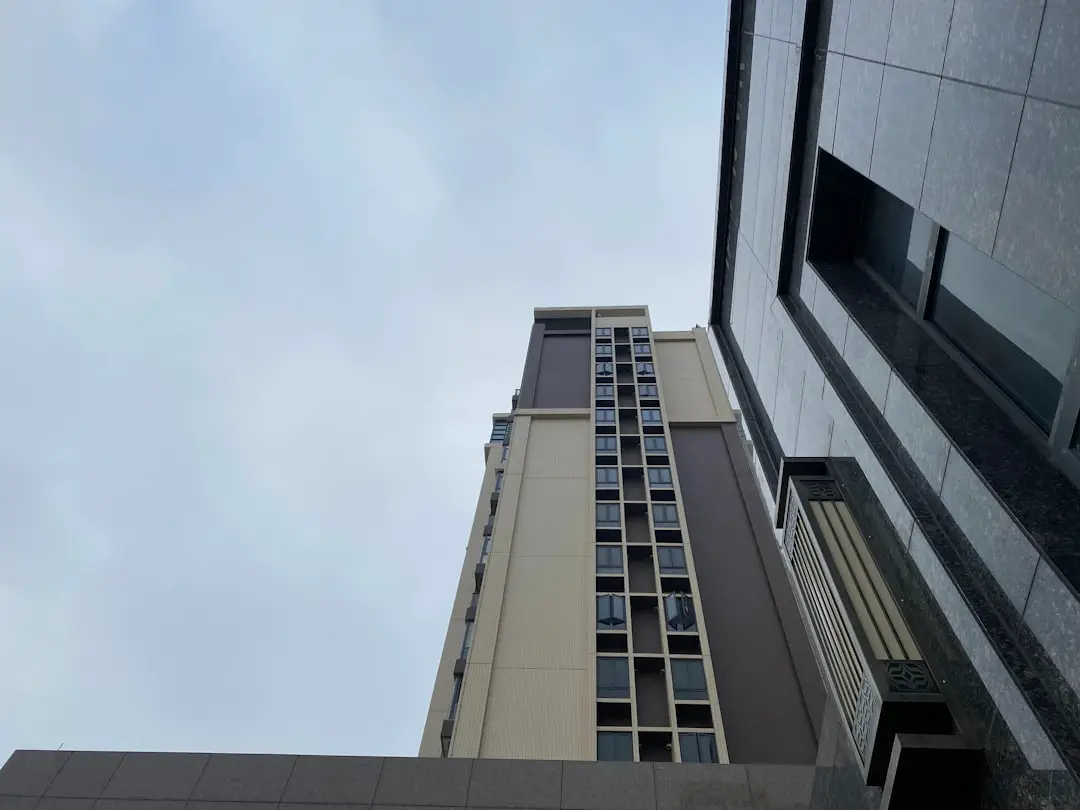
Hotels sometimes appear to “skip” the 13th floor, but the building does not lose a physical level. In many properties, the level that comes after the 12th is simply labeled 14, 12A, or another designation. The custom is mainly a response to Western superstition about the number 13 and to guest expectations—not an engineering requirement.
Quick Answer
Hotels skip the 13th-floor label because some guests associate the number 13 with bad luck. The physical floor usually still exists; it may be called 14, 12A, M, or another name. The practice is a cultural and marketing choice, not proof that the number itself is dangerous.
Key Takeaways
- Many hotels and high-rise buildings omit the number 13 from guest-facing floor labels because of superstition.
- Skipping the label does not remove a structural floor; the next physical level may simply be numbered 14 or given another designation.
- The exact origin of unlucky 13 is uncertain. Some popular origin stories, including the Loki banquet and Knights Templar explanations, are not supported as ancient origins by the historical record.
- Triskaidekaphobia means fear of the number 13, and avoidance can reinforce a superstition even when there is no evidence that the number causes harm.
- Number superstitions vary by culture. The number 4 is avoided in some East Asian settings, while 17 has an unlucky reputation in Italian tradition.
Disclosure: As an Amazon Associate I earn from qualifying purchases. Some links on this page are affiliate links, at no extra cost to you.
Why Do Hotels Skip the 13th Floor?
The main reason is simple: some guests dislike the number 13. A hotel can avoid an unnecessary source of anxiety by leaving “13” off elevator buttons, room numbers, or marketing materials. Rutgers University has discussed this behavior as an example of how superstition can influence avoidance, including the familiar practice of elevators not stopping at a floor labeled 13.
This does not mean every hotel follows the custom. Some properties use a normal 13th-floor label, while others jump from 12 to 14 or use names such as 12A. The decision can depend on local culture, owner preference, brand practice, and the expectations of the people the building serves.
A “missing” 13th floor is usually missing only from the numbering. The physical level is still there.
Cultural Variations in Skipping the 13th Floor
The practice is most closely associated with Western cultures in which 13 has an unlucky reputation. In a hotel that follows the custom, an elevator may go from 12 directly to 14. This is best understood as accommodation for a belief held by some guests rather than as a universal rule.
Other cultures attach different meanings to numbers. USC Dornsife notes that the number 4 can cause concern in Chinese culture because its pronunciation is similar to the word for death in major Chinese varieties. As a result, some buildings serving Chinese or other East Asian communities may avoid 4, 14, or other floor numbers containing 4. By contrast, 8 is widely treated as an auspicious number in Chinese culture because of its association with prosperity.
These differences explain why floor-numbering customs can change from one country, city, hotel, or customer base to another. A number that feels ordinary in one place may carry a strong symbolic meaning somewhere else.
Psychological Reasons for the Fear of the Number 13
The fear of the number 13 is called triskaidekaphobia. The term refers to fear or strong avoidance of the number itself. Fear specifically focused on Friday the 13th is a related but more specific superstition.
One useful psychological explanation is reinforcement through avoidance. A Rutgers cognitive-behavioral therapist explains that when a person avoids something they believe is dangerous, their anxiety may drop. That relief can strengthen the original belief, even though the avoided event was never shown to be harmful.
For example, a guest who refuses room 1313 and then has an uneventful stay elsewhere may feel that avoiding 13 “worked.” In reality, the good outcome does not demonstrate that the number was dangerous. Repeated stories, family beliefs, movies, and cultural traditions can make the association feel familiar and therefore more convincing.
Note: A superstition and a clinical phobia are not automatically the same thing. Someone can casually avoid the number 13 without having a severe anxiety disorder.
Historical Events That Contributed to the Superstition
The history is less certain than many popular explanations suggest. Folklorists can document several traditions associated with 13, but they cannot point to one proven event that created the superstition. The Library of Congress cautions that several widely repeated “origin stories” are actually later folklore about folklore.
The Last Supper Association
Christian tradition describes Jesus dining with his twelve apostles, making thirteen people at the Last Supper. Later folklore connected a table of thirteen with misfortune and betrayal. However, the claim that Judas Iscariot was literally the “13th guest” is not established by the biblical account; the order of arrival or seating is not given.
The Loki Banquet Story
A common modern story says twelve Norse gods were dining in Valhalla when Loki arrived as an uninvited thirteenth guest and caused Baldr’s death. The Library of Congress notes that this dinner-party version does not appear in the primary Edda sources for Baldr’s death, and those sources do not say that thirteen gods were present. It is better treated as a later origin legend, not verified ancient evidence for triskaidekaphobia.
The Knights Templar and Friday, October 13, 1307
King Philip IV of France did order the arrest of many Knights Templar on Friday, October 13, 1307. The date is real. What is not established is the claim that this event created the superstition about Friday the 13th. Library of Congress research notes that historians have not found a medieval connection between the Templar arrests and the later Friday-the-13th belief; that explanation appears to be modern.
| Often-Cited Event | What the Evidence Supports |
| Black Plague | The plague generated many religious and folk responses, but it is not an established origin of the hotel 13th-floor custom or the unlucky-13 belief. |
| Salem Witch Trials | The trials are part of the history of belief and fear in colonial America, but they are not a documented origin of superstition about the number 13. |
| Great Fire of London | The fire is not an accepted historical explanation for why 13 is considered unlucky. |
| Spanish Inquisition | It belongs to a different historical context and is not a documented source of the 13th-floor practice. |
The Great Chicago Fire is also sometimes pulled into loose lists of “unlucky 13” events, but that connection does not hold up. The Chicago History Museum’s fire timeline records that the fire began on Sunday, October 8, 1871, not on Friday the 13th. It should not be used as evidence for the superstition.
Modern Implications of Skipping the 13th Floor
Today, leaving 13 off a hotel elevator is mainly a guest-experience and labeling decision. A property may decide that using 14 instead of 13 costs little and avoids discomfort for people who are superstitious. Another hotel may decide that modern guests do not care and use ordinary sequential numbering.
The effect is therefore psychological and commercial rather than structural. A label can influence how a guest feels about a room or floor even though the underlying building is unchanged. Claims that a 13th-floor label always lowers occupancy, property value, or safety should be treated cautiously unless they are backed by data for a specific market.
Architectural and Design Considerations Related to the 13th Floor
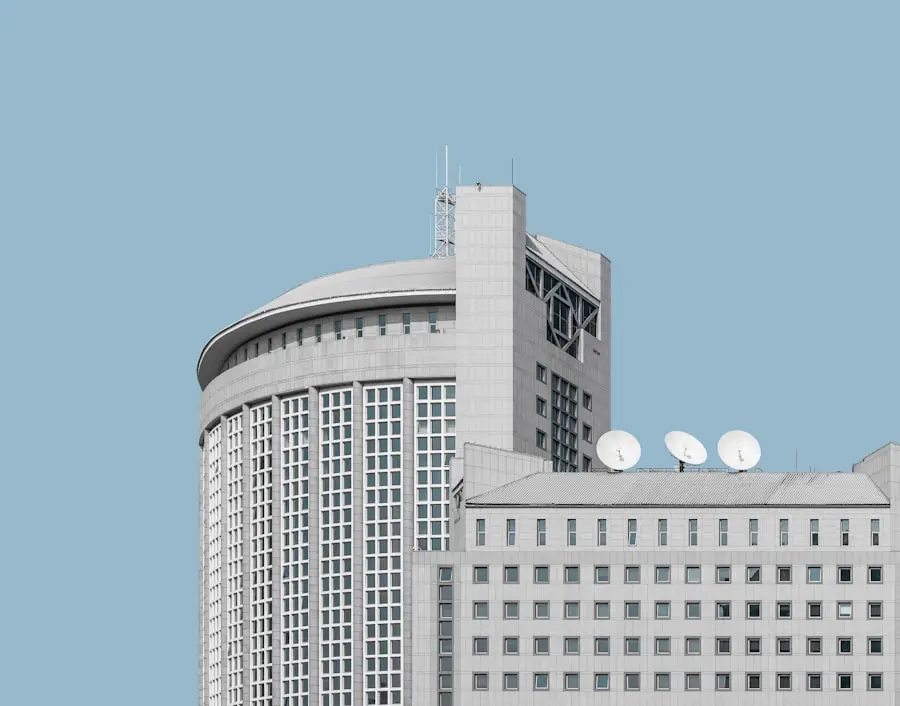
Architects do not make a structural story disappear simply by changing its public-facing number. A building with levels labeled 12 and 14 still has a physical level between them. Depending on the property, that level may be labeled 14, 12A, M, or another designation in guest-facing systems.
Floor identification also has a life-safety role. Modern building codes require floor-level identification in certain interior exit stairways. For example, the 2024 International Building Code requires signs at qualifying stair landings that designate the floor level and provide information useful to occupants and firefighters. Local codes and approved building documents control the actual requirements, so a hotel’s elevator-button convention should not be confused with a universal building-code rule.
Pro Tip: If a hotel elevator jumps from 12 to 14, you do not need to search for a hidden level. Ask the front desk how the property numbers its floors if you need to match a room, meeting space, or emergency-stair designation.
Superstitions in Other Cultures Related to Numbers and Buildings
Number-based superstition is not unique to Western ideas about 13. USC Dornsife explains that in Chinese culture the number 4 can be avoided because the spoken word for four sounds similar to the word for death in Mandarin and Cantonese. That association can affect choices involving floors, room numbers, dates, phone numbers, and other labels.
Italy has a different tradition: 17 is often treated as unlucky. A commonly repeated explanation points to the Roman numeral XVII, whose letters can be rearranged as VIXI, Latin for “I have lived,” a phrase that can carry a funerary meaning. As with many number superstitions, the precise historical path from wordplay to widespread belief is difficult to prove, so it is better described as a traditional explanation rather than a scientific cause.
These examples show why a hotel may adapt its numbering to the people it expects to serve. The same building could be numbered differently in another cultural setting without changing anything about its physical design.
Debunking the Myths and Superstitions Surrounding the 13th Floor
There is no evidence that a floor becomes more dangerous because it is labeled 13. Renaming the level does not change its height, construction, fire protection, elevator equipment, or structural behavior. The practice survives because symbols can affect how people feel, not because the number has a measurable power over a building.
It is also useful to separate documented history from attractive origin stories. The Last Supper has a real tradition involving thirteen people, but the “Judas was the 13th arrival” detail is not established. The Loki banquet story is not found in the primary Edda accounts, and the Knights Templar arrests of 1307 were not linked to Friday-the-13th superstition until much later. The Great Chicago Fire began October 8, 1871, so it does not support the claim either.
Understanding that distinction does not require mocking people who are superstitious. Hotels often make small design or numbering choices because comfort matters in hospitality. The most accurate explanation is therefore straightforward: skipping the 13th floor is a cultural convention designed to avoid an unlucky label, while the physical floor itself remains part of the building.
Hotel floor numbering is only one small part of the travel experience. Travelers planning the rest of a trip may also want practical packing guidance, including this softside carry-on luggage guide.
Frequently Asked Questions
Why do hotels skip the 13th floor?
Hotels may skip the number 13 because some guests consider it unlucky. The property can label the physical 13th level as 14, 12A, or another designation to avoid making superstitious guests uncomfortable.
What is triskaidekaphobia?
Triskaidekaphobia is fear or strong aversion to the number 13. It is related to, but broader than, the superstition surrounding Friday the 13th.
Do all hotels skip the 13th floor?
No. Some hotels use a normal 13th-floor label. Others omit it because of local custom, owner preference, brand practice, or guest expectations.
How do hotels label floors when they skip 13?
A common approach is to go from 12 to 14. Some buildings use alternatives such as 12A or another letter-based designation. The exact system varies by property and local requirements.
Is there really no 13th floor if the elevator skips it?
Usually the physical level still exists. It is simply given a different public-facing number or name. Skipping “13” on the elevator panel does not remove a story from the building.
Is skipping the 13th floor required by law?
There is no universal rule requiring hotels to omit 13. Building and fire codes do impose floor-identification and safety-signage requirements in many situations, so the approved numbering and signage must comply with the rules that apply where the building is located.
Sources
- Library of Congress — Folklife Today — historical evidence and myths about unlucky 13, the Loki story, the Last Supper, and the Knights Templar.
- Rutgers University — psychology of superstition, avoidance behavior, and the 13th-floor custom.
- USC Dornsife — cultural differences in number superstitions, including 13 and 4.
- Chicago History Museum — Great Chicago Fire timeline — confirms the fire began Sunday, October 8, 1871.
- International Code Council — 2024 International Building Code, Chapter 10 — floor-level identification requirements in qualifying stairways.
