
Last Updated on July 30, 2026 by Daniel Globe
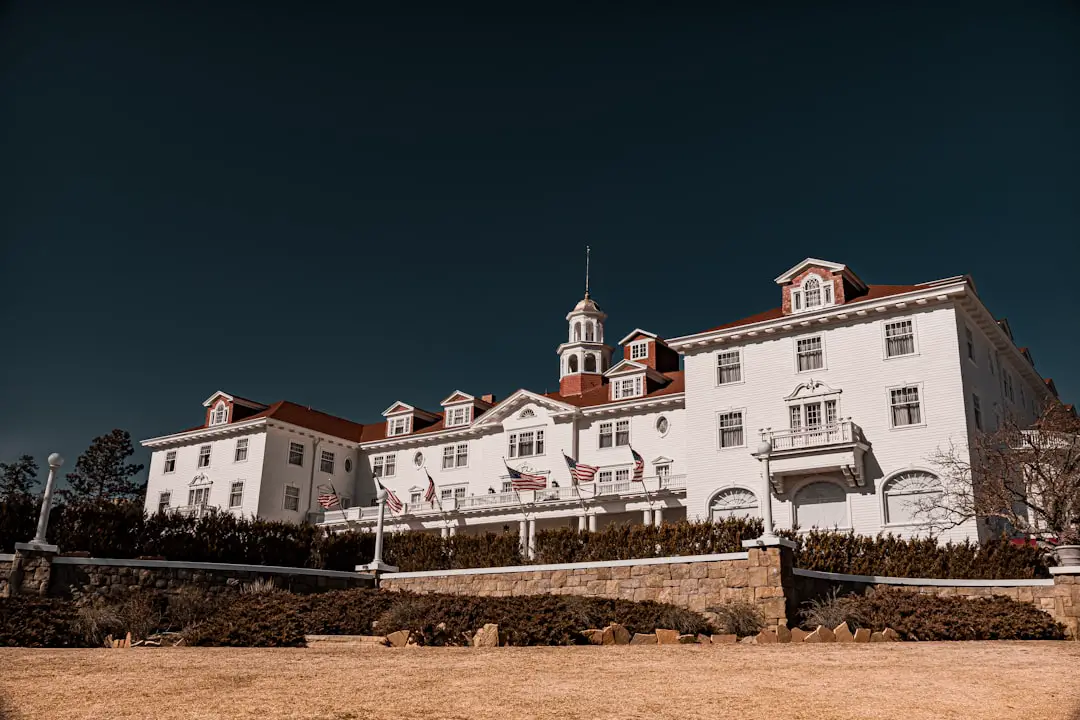
Many travelers search for “The Shining Hotel” expecting one real place, but the story connects several different locations. The Stanley Hotel in Estes Park inspired Stephen King’s novel, Timberline Lodge supplied the best-known exterior shots for Stanley Kubrick’s film, and the Overlook Hotel itself is fictional. Knowing the difference makes the history, movie locations, and ghost lore much easier to understand.
Quick Answer
There is no single real “Shining Hotel.” Stephen King’s fictional Overlook Hotel was inspired by the Stanley Hotel in Estes Park, Colorado, where he stayed in Room 217 in 1974. Stanley Kubrick’s 1980 film used Oregon’s Timberline Lodge for exterior shots and studio sets in England for most interiors.
Key Takeaways
- The Overlook Hotel is fictional; it is not the official name of the Stanley Hotel or Timberline Lodge.
- The Stanley Hotel opened in Estes Park in 1909 and inspired Stephen King after his September 1974 stay.
- Timberline Lodge on Mount Hood appears in the 1980 film’s exterior views, while most interior scenes were created on studio sets in England.
- Room 217 is tied to King’s stay and novel; Room 237 is the number used in Kubrick’s film.
- Ghost stories associated with the Stanley are part of hotel lore and guest reports, not scientifically verified evidence of paranormal activity.
Disclosure: As an Amazon Associate I earn from qualifying purchases. Some links on this page are affiliate links, at no extra cost to you.
Which Hotel Is the Real Shining Hotel?
The most accurate answer depends on what you mean by “real.” The fictional Overlook Hotel is the setting of Stephen King’s 1977 novel and Stanley Kubrick’s 1980 film. It does not exist as a single building that visitors can tour.
The Stanley Hotel in Estes Park, Colorado, is the real hotel that inspired King’s story. The Timberline Lodge on Mount Hood, Oregon, supplied the famous exterior appearance in Kubrick’s movie. Most film interiors were built at EMI-Elstree Studios in England, with design research also drawing from California’s Ahwahnee Hotel.
| Place | What It Is | Connection to The Shining |
| Overlook Hotel | Fictional Colorado resort | Main setting of the novel and screen adaptations |
| Stanley Hotel | Historic hotel in Estes Park, Colorado | Inspired Stephen King; location for the 1997 television miniseries |
| Timberline Lodge | Historic mountain lodge in Oregon | Used for the movie’s best-known exterior views |
| Elstree Studios | Film studio complex in England | Site of the large interior sets and additional exterior construction |
The History of the Stanley Hotel
Freelan Oscar Stanley, known for the Stanley Steamer automobile, developed the hotel as a high-end mountain resort in Estes Park. The property began operating in 1909 and helped shape the area’s tourism economy. The National Park Service identifies the hotel as the inspiration for King’s 1977 novel.
The hotel’s early appeal came from its mountain setting, large public spaces, and polished resort experience. It was not originally the fictional Overlook, nor was it the exterior seen throughout Kubrick’s film. Its literary connection began much later, during King’s visit near the end of the 1974 season.
Stephen King’s official account says he and his wife, Tabitha, stayed at the Stanley in late September 1974 when they were the hotel’s only overnight guests before its winter closure.
King recalled walking the empty corridors and thinking the hotel was an ideal setting for a ghost story. He also described a nightmare in which his young son was chased through the hallway by a fire hose. Those details became part of the creative spark for The Shining.
The Haunted Reputation of the Stanley Hotel
How the Haunted Legend Developed
The Stanley openly embraces stories about unexplained sounds, moving objects, apparitions, and unusual sensations reported by guests and staff. Its current tours and “spirited” rooms present these accounts as a blend of history, folklore, and entertainment.
That distinction matters. Guest stories can be meaningful and memorable without proving that a supernatural event occurred. Reliable historical records establish the hotel’s age, its connection to King, and specific incidents such as the 1911 gas explosion. They do not establish that spirits inhabit the building.
Note: Treat haunted-room descriptions, apparitions, cold spots, whispers, and moving objects as reported experiences or folklore. They should not be presented as verified historical or scientific facts.
Commonly Reported Encounters
Visitors often describe footsteps, faint music, children’s laughter, doors moving, or the feeling that someone is nearby. The hotel’s own accommodation pages repeat some of these guest reports, especially for rooms on the historic fourth floor and rooms named for figures associated with the property.
Stories about a woman in period clothing, music near Flora Stanley’s former music room, and playful activity in hallways are part of the hotel’s modern haunted identity. Because these accounts are anecdotal, the most accurate wording is “guests have reported,” not “the hotel is home to” a confirmed spirit.
A Destination for Ghost Tours
The hotel offers history-focused and paranormal-themed experiences, including a Shining tour and night tours. These programs explain the property’s history, King connection, film adaptations, and local lore. They are entertainment and storytelling experiences rather than scientific confirmation of ghosts.
Eerie Encounters: Legend Versus Evidence
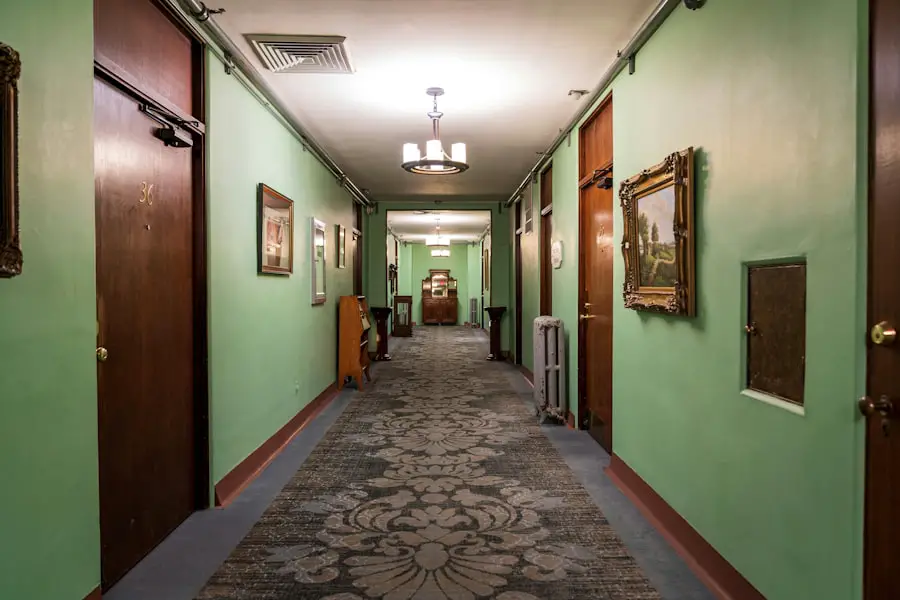
Some accounts linked to “The Shining Hotel” describe whispers in Room 237, belongings being rearranged, cold spots, and spectral couples dancing in a ballroom. These details resemble horror-story motifs, but they should not be confused with documented events at the Stanley.
Room 237 is especially misleading in this context. It is the ominous room number in Kubrick’s film, not the room where King stayed at the Stanley. King stayed in Room 217, and the novel also uses Room 217. Mixing the film’s Room 237 with Stanley guest reports creates a false impression that the movie’s fictional events occurred at the Colorado hotel.
Warning: Do not enter closed areas, disturb other guests, or attempt an unsanctioned paranormal investigation. Follow hotel rules, quiet hours, tour boundaries, and staff instructions.
The Ghostly Residents: Fiction, History, and Hotel Lore
Names associated with The Shining are often blended with real Stanley history online. The table below separates the major references.
| Name or Room | Accurate Context | What Can Be Verified |
| Room 217 and Elizabeth Wilson | Real Stanley history and later hotel lore | Wilson survived a 1911 gas explosion and later returned to work; ghost claims remain anecdotal |
| Room 237 | Kubrick film reference | Not King’s Stanley room and not evidence of an actual Stanley haunting |
| The Grady girls | Characters associated with the film’s Overlook | They are not documented former residents of the Stanley Hotel |
| Mrs. Massey | Fictional figure from King’s story | She should not be listed as a real ghost in a Stanley guest room |
| F.O. and Flora Stanley | Real people central to the hotel’s history | Stories of their continuing presence belong to hotel folklore, not established fact |
Other dramatic stories, including claims about a drowned boy, a dead former manager, mysterious disappearances, or untimely deaths on the property, require reliable records before they can be presented as history. Without such documentation, they are better described as unverified retellings.
The Influence of The Shining on Pop Culture
King’s novel was published in 1977, and Kubrick’s film opened in 1980. The film’s imagery—including the elevator doors, hedge maze, patterned carpet, typewritten pages, and Jack Nicholson’s performance—became part of modern horror culture.
The story has also appeared in other forms. Stephen King wrote the 1997 television miniseries, which followed the novel more closely and used the Stanley Hotel as a filming location. The Stanley now incorporates this literary and screen history into tours, events, themed spaces, and guest experiences.
References to The Shining continue to appear in television, games, comedy, advertising, and visual art. That ongoing influence helps explain why visitors frequently call both the Stanley and Timberline “The Shining Hotel,” even though each has a different connection to the story.
The Architecture and Design Behind the Overlook
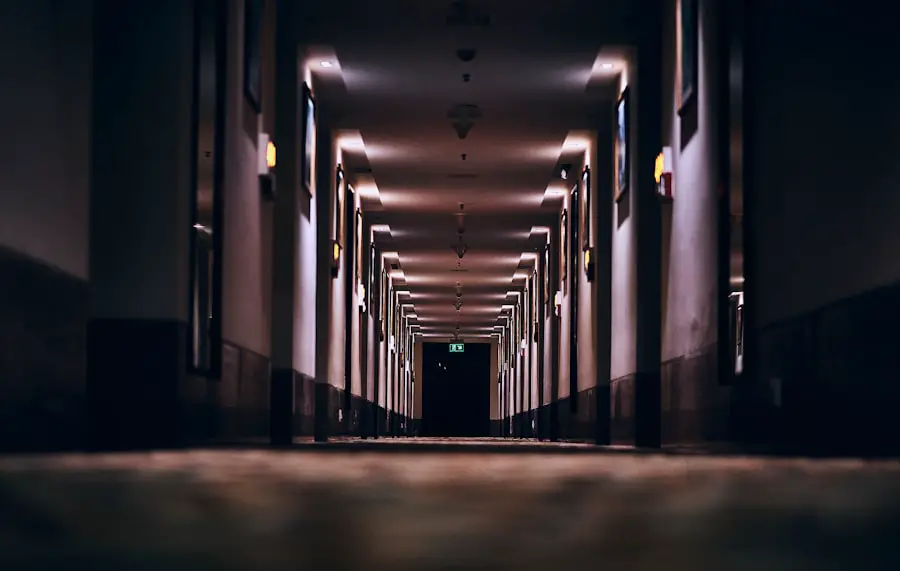
The Overlook’s unsettling appearance was assembled from several sources rather than copied from one building. The Stanley offered King the experience of an almost empty seasonal hotel in the Colorado mountains. Timberline provided the film’s imposing exterior identity. Large sets at Elstree Studios created the corridors, rooms, lobby spaces, and maze-like geography seen on screen.
Research preserved in the Stanley Kubrick Archive shows that the production studied Timberline for the exterior and the Ahwahnee Hotel in Yosemite for many interior design ideas. The result is intentionally difficult to map. Corridors, windows, and room positions do not always form a practical real-world floor plan, which adds to the viewer’s unease.
Timberline itself is a historic lodge built in 1937 on Mount Hood. Its heavy timber, stonework, handcrafted details, and alpine setting are real, but visitors should not expect its interior to match the film’s Overlook sets.
The Mysterious Events Surrounding the Stanley Hotel
The best-documented dramatic incident connected to Stanley lore occurred in 1911. During a power outage, housekeeper Elizabeth Wilson entered a room where gas had leaked. When she lit a lantern, an explosion threw her through the floor. She survived and later returned to work at the hotel.
That real event is often folded into ghost stories about Room 217. The historical core—the explosion and Wilson’s survival—can be stated as fact. Claims that she now moves luggage, separates unmarried couples, or tucks guests into bed should be attributed to hotel lore or guest reports.
Similar caution applies to stories about unexplained power failures, shadow figures, ballroom dancers, and doors opening on their own. Unless a dated maintenance report, police record, archival document, or named firsthand account supports the claim, it should not be written as a confirmed event.
The Allure of Visiting the Shining Hotels
The Stanley and Timberline offer very different experiences. The Stanley combines Colorado mountain scenery, historic lodging, entertainment, dining, and tours built around its history and The Shining connection. Timberline is a working mountain lodge and recreation destination with skiing, hiking, dining, historic craftsmanship, and views from Mount Hood.
Fans interested in King’s inspiration will usually find the Stanley more relevant. Fans focused on Kubrick’s recognizable exterior should prioritize Timberline. Film-design enthusiasts may also recognize influences from the Ahwahnee, although the movie’s interiors were studio constructions rather than hotel rooms available to book.
Pro Tip: Choose the property based on the connection you care about most: King’s inspiration and Room 217 at the Stanley, or Kubrick’s exterior imagery at Timberline.
Paranormal Investigations at the Stanley Hotel
The Stanley has hosted paranormal programs and now promotes investigation-style experiences. Participants may encounter tools such as electromagnetic-field meters, audio recorders, or low-light cameras. These devices can record environmental changes, sounds, and images, but an unusual reading does not by itself prove a supernatural cause.
Television programs and private investigators have reported unexplained sounds, visual anomalies, and object movement at the property. Such material is best presented as entertainment, personal testimony, or an unresolved observation. It should not be described as conclusive evidence of ghosts.
Visitors who join an investigation should follow the property’s rules and avoid disrupting other guests. They should also consider ordinary explanations such as building movement, plumbing, heating systems, radio interference, reflections, low-light camera artifacts, and sound traveling through historic corridors.
The Legacy of the Shining Hotel
The lasting power of “The Shining Hotel” comes from the way fiction, film craft, real architecture, and local storytelling overlap. The Stanley inspired King but did not supply Kubrick’s famous exterior. Timberline supplied that exterior but was not the source of King’s hotel experience. The Overlook unites those influences inside a fictional story.
This distinction does not weaken the legend. It gives visitors three different ways to explore it: literary history in Colorado, film imagery in Oregon, and production design through the movie itself. The Stanley’s tours and paranormal branding have also helped the property become a destination beyond its original resort history.
Tips for Visiting the Stanley or Timberline Lodge
- Book early: Room 217 and themed experiences at the Stanley may attract strong demand, while seasonal conditions can affect lodging and recreation at Timberline.
- Check official schedules: Tour times, access rules, dining hours, parking, and mountain conditions can change.
- Know what a tour includes: The Stanley states that standard tours do not enter occupied guest rooms.
- Respect overnight guests: Keep noise low, do not test doors, and do not photograph people without permission.
- Dress for mountain weather: Conditions can change quickly in both Estes Park and on Mount Hood.
- Plan for mobility needs: Review each property’s accessibility information and contact the hotel before arrival when specific accommodations are required.
For wet or snowy conditions, a comfortable pair of waterproof sneakers can help on outdoor paths. A scarf with a hidden pocket may be useful for carrying small valuables, and travelers comparing portable mobility options can review this travel scooter guide before contacting the property about access.
Approach the haunted stories with curiosity, but separate documented history from fiction and folklore. That balance makes a visit more interesting while respecting the real people, working hotels, and creative teams behind the legend.
Frequently Asked Questions
What is the name of the hotel in The Shining?
The hotel in Stephen King’s novel and Stanley Kubrick’s film is the fictional Overlook Hotel. No real hotel is officially named the Overlook in connection with the story.
Which real hotel inspired Stephen King’s The Shining?
The Stanley Hotel in Estes Park, Colorado, inspired King after he and his wife stayed there in September 1974. King later described the nearly empty hotel and a nightmare that helped spark the story.
Where were the Overlook Hotel exterior scenes filmed?
The best-known exterior views were filmed at Timberline Lodge on Mount Hood in Oregon. Additional film work and large sets were created at Elstree Studios in England.
Were The Shining’s interior scenes filmed inside Timberline Lodge?
No. Most interiors were studio sets built in England. Production research drew on several real properties, including Timberline for the exterior and the Ahwahnee Hotel for interior design ideas.
Is Room 217 or Room 237 the real Shining room?
Room 217 is the Stanley room associated with King’s stay and the number used in his novel. Room 237 is the number used in Kubrick’s film. The movie room is part of the fictional Overlook story.
Can you visit the Stanley Hotel and Timberline Lodge?
Yes. Both are operating lodging destinations. The Stanley offers hotel tours and Shining-themed experiences, while Timberline operates as a historic mountain lodge and recreation area. Check each official website before traveling.
Was the 1997 Shining miniseries filmed at the Stanley Hotel?
Yes. The 1997 television miniseries used the Stanley Hotel, giving the Colorado property a direct screen connection that Kubrick’s 1980 film did not have.
Is the Stanley Hotel proven to be haunted?
No scientific evidence has conclusively established that the Stanley is haunted. The hotel has a strong tradition of guest reports, folklore, paranormal entertainment, and themed tours.
Sources
- U.S. National Park Service: Estes Powerplant — Stanley’s role in Estes Park, the hotel’s 1909 history, and its connection to King.
- Stephen King Official Website: The Shining — King’s account of his September 1974 Stanley stay and inspiration.
- AFI Catalog: The Shining — release date, Elstree production, Timberline credit, and the 1997 miniseries.
- Timberline Lodge: About Us — lodge history, location, landmark status, and current operation.
- British Film Institute: Exploring The Shining at the Kubrick Archive — exterior and interior design research and studio-set construction.
- The Stanley Hotel: The Shining Tour — differences among the novel, Kubrick film, and 1997 miniseries.
