

Last Updated on July 27, 2026 by Daniel Globe
The .30-06 Springfield is a powerful centerfire rifle cartridge with a long military, hunting, and target-shooting history. However, the question “How far can a .30-06 bullet travel?” has more than one answer. Maximum travel distance, practical accuracy, and ethical hunting range are separate measurements and should never be treated as interchangeable.
Quick Answer
A .30-06 bullet can travel more than three miles under some conditions, according to firearm-safety guidance from the NSSF. That is a maximum danger-distance warning, not an effective shooting range. Practical accuracy and ethical hunting distance are much shorter and depend on the rifle, ammunition, shooter, target, weather, and backstop.
Key Takeaways
- A .30-06 projectile may travel more than three miles if it misses the target and has a favorable flight path.
- Maximum travel distance is not the same as practical target range or ethical hunting range.
- There is no universal 800-, 600-, or 400-yard effective range for every .30-06 rifle and load.
- Bullet weight, muzzle velocity, ballistic coefficient, launch angle, air density, wind, firearm setup, and terrain all affect flight.
- Every shot requires a positively identified target and a reliable backstop capable of stopping the bullet.
- Firearm-discharge and hunting laws vary by state, county, municipality, property, and shooting facility.
Disclosure: As an Amazon Associate I earn from qualifying purchases. Some links on this page are affiliate links, at no extra cost to you.
.30-06 Springfield Cartridge Basics
The .30-06 Springfield was developed for the U.S. military during the early 20th century. The Army replaced the earlier round-nose military projectile with a pointed spitzer-style bullet in 1906. The “06” in the cartridge’s name refers to that year.
The “.30” portion is a caliber designation rather than a statement that the projectile measures exactly .300 inch. Modern .30-06 ammunition commonly uses a .308-inch bullet. Commercial loads are available in many weights, with 150-, 165-, and 180-grain ammunition among the most familiar hunting choices.
Published Federal Premium ballistic data also includes .30-06 examples ranging from 125 to 220 grains. Its listed muzzle velocities vary from approximately 2,400 feet per second for one 220-grain load to 3,140 feet per second for one 125-grain load, based on 24-inch test barrels.
| Example Bullet Weight | Published Muzzle-Velocity Example | Important Context |
|---|---|---|
| 125 grains | About 3,140 fps | A lighter example from the cited manufacturer chart |
| 150 grains | About 2,910 fps | Common weight with several available bullet designs |
| 165 grains | About 2,790–2,830 fps | Actual figures vary by product and test conditions |
| 180 grains | About 2,700 fps | Common traditional hunting weight |
| 220 grains | About 2,400 fps | A heavier and slower published example |
These figures are examples, not guarantees for every rifle. Actual velocity can differ because of barrel length, chamber dimensions, ammunition lot, temperature, firearm condition, and measurement method.
What “Range” Means
People often use the word “range” to describe several different things:
- Maximum travel or danger distance: How far a projectile may continue before reaching the ground or another object.
- Practical target range: The distance at which a particular shooter, rifle, optic, and load can repeatedly meet a defined accuracy standard.
- Ethical hunting range: The distance at which the hunter can make a safe, well-placed shot and the selected bullet still performs suitably on the intended game.
- Published ballistic-table distance: The farthest distance shown in a manufacturer’s chart. This does not mean the bullet stops there.
Note: A cartridge does not have one universal “effective range.” The answer changes with the accuracy requirement, target, ammunition, firearm, shooter, and conditions.
Factors Affecting How Far a .30-06 Bullet Can Travel
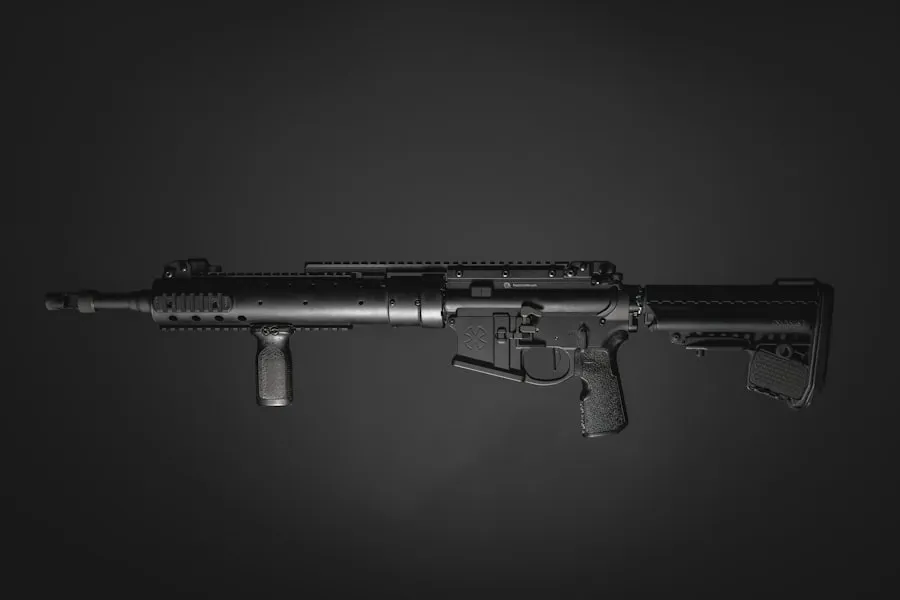
Several interacting factors determine the projectile’s trajectory, retained speed, and total travel distance.
Launch Angle
The direction of the muzzle is one of the most important factors affecting total distance. A projectile fired upward at a favorable angle may remain airborne much longer than one fired level into a proper backstop. This is why firing into the air, over a ridgeline, or without knowing where the bullet will stop is extremely dangerous.
Muzzle Velocity
Muzzle velocity is the projectile’s speed as it leaves the barrel. It is influenced by the cartridge load, bullet weight, barrel, chamber, ammunition condition, and environmental temperature. Greater initial velocity can increase distance, but velocity alone does not determine the full trajectory.
Ballistic Coefficient and Bullet Shape
A ballistic coefficient describes how efficiently a projectile resists aerodynamic drag under a defined calculation system. A streamlined projectile with a comparatively high ballistic coefficient normally retains speed better than a less aerodynamic projectile launched at the same initial velocity.
However, the label “full metal jacket,” “soft point,” or “hollow point” does not create a fixed effective range. Bullets within the same construction category can have different weights, profiles, ballistic coefficients, velocities, and intended uses.
Bullet Weight
Weight affects launch velocity, momentum, recoil, drag behavior, and retained energy. A heavier bullet is not automatically faster or longer-ranging. Its performance depends on its shape and the load that launches it.
Barrel and Firearm
Barrel length can change velocity, but a longer barrel does not guarantee unlimited gains. The result depends on the ammunition and firearm. Barrel condition, rifling twist, bedding, scope mounting, and mechanical consistency can also affect accuracy, although they do not change the fundamental need for a safe backstop.
Wind and Atmospheric Conditions
Wind may move a projectile sideways and can change the amount of time it remains near the intended line of sight. Temperature, air pressure, altitude, and humidity affect air density. These changes become more noticeable as distance increases.
Terrain, Surfaces, and Ricochets
A projectile may ricochet or break apart after striking water, rock, metal, frozen ground, or another hard surface. Its path after impact can be unpredictable. Thin vegetation, small trees, wood panels, and ordinary walls should not be treated as dependable rifle backstops.
Maximum Travel Distance and Effective Range
| Range Measurement | What It Tells You | Safe Interpretation |
|---|---|---|
| Maximum danger distance | A .30-06 projectile may travel more than three miles under some conditions. | Assume a missed shot can travel far beyond anything visible near the target. |
| Manufacturer ballistic data | Shows calculated velocity, energy, drift, or trajectory at selected distances. | The final chart column is not the point where the bullet stops. |
| Practical target range | The distance at which the complete rifle system and shooter meet a stated accuracy goal. | Establish it through controlled practice at an authorized range. |
| Ethical hunting range | The distance at which a safe, well-placed shot and suitable terminal performance can be expected. | Use the shortest limit imposed by safety, skill, conditions, ammunition, and law. |
A bullet’s maximum travel distance tells you how far danger may extend. It does not tell you how far you should shoot.
The NSSF firearm-safety rules warn that a high-velocity cartridge such as the .30-06 can send a projectile more than three miles. The exact maximum varies with the load, elevation, launch angle, weather, and terrain, so “three miles” should not be treated as a precise limit or a safe boundary.
Likewise, a claim that every .30-06 is effective at 800–1,000 yards is not reliable. Some experienced competitors may use .30-06 rifles at long-distance target ranges, but that does not establish a general hunting distance or guarantee accuracy from a typical sporting rifle.
For hunting, responsible shooters remain within the shortest limit created by their verified accuracy, the animal and shot angle, the ammunition’s intended performance, weather, visibility, legal rules, and the certainty of a safe backstop.
Long-Range Shooting With a .30-06
Long-distance target shooting should take place only at an authorized facility designed for rifle fire, with a rated backstop and rules appropriate for the distance. External ballistics become increasingly sensitive to small errors as range increases.
Factors that require attention include:
- Verified distance to the target
- The exact ammunition product and bullet weight
- The rifle’s confirmed zero
- Manufacturer ballistic data
- Wind direction and changes
- Temperature and air density
- Scope mounting and adjustment condition
- The shooter’s demonstrated group size at that distance
- The range’s backstop, impact area, and safety procedures
A ballistic calculator may help estimate trajectory, but its output is only as reliable as the information entered. It does not account for every variation in ammunition, firearm condition, wind, or shooter performance.
Pro Tip: Use the ballistic chart for the exact factory load, not a generic chart for the cartridge name. Confirm its behavior gradually at known distances on a properly managed range.
Match-grade ammunition, a properly mounted optic, a stable shooting position, breathing control, and consistent trigger operation may improve repeatability. They do not make an unsafe direction, uncertain target, or inadequate backstop acceptable.
Anyone who handloads ammunition should use a current published manual, follow the component-specific instructions exactly, and stay within the listed limits. Never improvise a powder charge or rely on an unverified online recipe. Improper handloading can cause severe injury, firearm damage, or death.
Safety Considerations When Shooting a .30-06
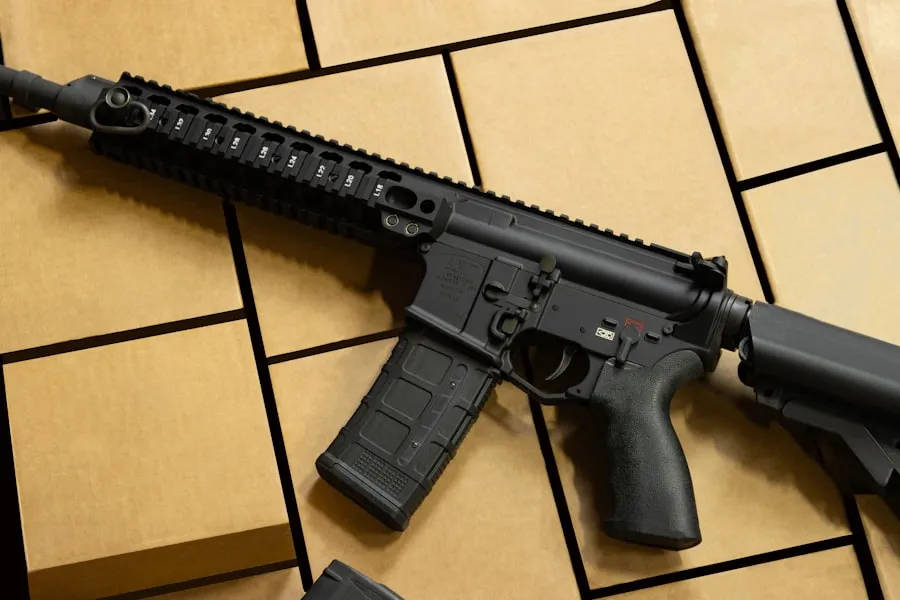
Warning: Never fire a .30-06 unless you have positively identified the target, confirmed what is in front of and behind it, and have a substantial backstop that is designed to stop rifle bullets. Do not fire toward the sky, water, rocks, roads, buildings, livestock, people, or an unseen area beyond a ridgeline.
Follow the primary firearm-safety rules every time a rifle is handled:
- Keep the muzzle pointed in a safe direction.
- Treat every firearm as though it is loaded.
- Keep your finger outside the trigger guard until you are ready to fire.
- Be certain of the target and what is beyond it.
Open the action and physically and visually check the chamber and magazine when confirming that a firearm is unloaded. Use only ammunition identified by the firearm manufacturer as correct for that firearm.
Use a Suitable Backstop
A dependable rifle backstop is normally a substantial earth berm or another purpose-built structure approved for the range and ammunition in use. The backstop must be wider and taller than the likely impact area and must account for missed shots.
Do not assume that a small hill is safe when a road, trail, house, field, or occupied area may be hidden behind it. A projectile can pass through a target, miss it completely, fragment, or ricochet.
Protect Your Hearing and Eyes
Firearm impulse noise can exceed levels capable of causing immediate hearing damage. CDC/NIOSH firearm-noise guidance recommends hearing protection because even one unprotected shot may be hazardous.
Wear correctly fitted ear protection and impact-rated eye protection. At indoor ranges or around especially intense firearm noise, properly fitted earplugs beneath earmuffs can provide additional protection. Ensure that safety-glasses arms do not create a large gap beneath the earmuff seal.
Manage Recoil and Firearm Condition
The .30-06 can produce substantial recoil depending on the rifle and load. Use a shooting position that allows control of the firearm, and stop if fatigue or discomfort begins to affect safe handling. Have a damaged, malfunctioning, or unusually behaving firearm inspected by a qualified professional before further use.
Legal Restrictions on Shooting a .30-06
Firearm laws do not impose one universal limit on how far a .30-06 projectile can physically travel. Instead, laws and rules may restrict where, when, toward what, and under which conditions a firearm may be discharged.
Legal Note: This article provides general information, not legal advice. Check the current rules for the exact state, county, municipality, property, hunting unit, and shooting facility before possessing or discharging a firearm.
The ATF State Laws and Published Ordinances collection provides links to state firearm-law resources. State wildlife agencies and local law-enforcement authorities may publish additional hunting and discharge restrictions.
For example, current New York hunting regulations generally prohibit firearm discharge within 500 feet of certain occupied structures unless an exception or required permission applies. That is a New York example, not a nationwide rule.
Depending on the location, rules may address:
- Minimum distances from occupied buildings, schools, roads, or public areas
- Discharging over or across highways
- Hunting seasons, licenses, legal implements, and ammunition
- Local noise or firearm-discharge ordinances
- Public-land and private-property restrictions
- Range-specific caliber, target, and backstop requirements
- Lead or nonlead ammunition requirements in designated areas
How to Improve Predictability Without Extending Danger
The goal should never be to make a bullet travel as far as possible. A responsible goal is to understand the rifle-and-ammunition combination, reduce uncertainty, and keep every projectile inside an approved impact area.
- Select appropriate ammunition: Use the correct cartridge and a bullet designed for the lawful activity and target.
- Read the manufacturer’s data: Review the exact product’s listed velocity, trajectory, energy, test-barrel length, and intended use.
- Confirm the zero: Verify the rifle and optic at a managed range rather than assuming an old zero remains correct.
- Practice at known distances: Increase distance only within the facility’s rules and only while maintaining a defined accuracy standard.
- Use a stable position: A bench, sandbag, or properly used rest can improve consistency at a controlled range.
- Check the optic and mounts: Loose hardware, damaged optics, or incorrect settings can shift impact.
- Maintain the rifle: Follow the firearm manufacturer’s inspection and cleaning instructions.
- Record results: Note the ammunition, distance, group size, weather, and point of impact rather than relying on memory.
- Stop when conditions change: Strong or variable wind, poor visibility, fatigue, or uncertainty should shorten the shot or end the session.
A high-quality scope can improve target visibility and aiming precision, but magnification does not verify the target, create a safe backstop, or guarantee a hit. Regular practice with proper breathing and trigger control can improve consistency, but every shot must still remain within the shooter’s demonstrated ability.
The Versatility of the .30-06 Cartridge
The .30-06 Springfield remains useful because manufacturers offer many bullet weights and designs for different lawful purposes. Depending on local regulations and ammunition selection, it may be used for target shooting and hunting game ranging from deer to larger animals such as elk or moose.
Its versatility does not remove the need to evaluate each load individually. A rifle may group one product well and another poorly. Bullet construction that is suitable for paper targets may not be suitable or legal for hunting, while a hunting bullet’s terminal-performance requirements may limit ethical distance long before the projectile reaches its maximum travel distance.
The safest answer to the article’s central question is therefore two-part: a .30-06 bullet may travel more than three miles under some conditions, but responsible shooting must keep it inside a known impact area with a reliable backstop. Practical and ethical range must be established conservatively for the specific shooter, rifle, ammunition, target, and environment.
For general outdoor observation, compact binoculars can help users view wildlife or terrain without pointing a firearm at it. See this guide to compact binoculars for hiking. Binoculars should be used for observation only and are not a substitute for positive target identification or a safe backstop.
Frequently Asked Questions
How far can a .30-06 bullet travel?
NSSF firearm-safety guidance warns that a high-velocity cartridge such as the .30-06 can send a projectile more than three miles. The exact distance varies, so this should be treated as a danger warning rather than a precise maximum.
What is the effective range of a .30-06?
There is no single effective range for every .30-06. Practical range depends on the rifle, ammunition, optic, shooter, accuracy requirement, target, weather, and facility. Ethical hunting range may be shorter because it also requires suitable terminal performance and a safe shot.
Is maximum travel distance the same as hunting range?
No. Maximum travel distance describes how far danger may extend after a miss. Hunting range is limited by safety, demonstrated accuracy, legal requirements, the target and shot angle, environmental conditions, and the selected bullet’s intended performance.
What factors affect how far a .30-06 bullet travels?
Important factors include launch angle, muzzle velocity, bullet weight, ballistic coefficient, projectile shape, barrel and firearm characteristics, temperature, air pressure, altitude, humidity, wind, terrain, impact surfaces, and ricochets.
Does FMJ, soft-point, or hollow-point construction determine effective range?
No. Construction affects a bullet’s intended use and impact behavior, but it does not create a universal range. Two bullets with the same general construction can have different weights, shapes, ballistic coefficients, velocities, accuracy, and terminal-performance limits.
What is a safe backstop for a .30-06?
Use a substantial earth berm or another purpose-built rifle backstop approved by the shooting facility. Water, rock, metal not designed as a target, thin trees, ordinary walls, and unknown terrain beyond a ridgeline are not dependable backstops.
Sources
- NSSF: 10 Rules of Safe Gun Handling — firearm-safety rules, target awareness, and the warning that a .30-06 projectile can travel more than three miles.
- CDC/NIOSH: Firearms and Hearing Protection — firearm impulse-noise hazards and hearing-protection guidance.
- Federal Premium Rifle Ballistics — .30-06 bullet-weight, muzzle-velocity, energy, trajectory, and test-barrel examples.
- U.S. Army AMEDD Center of History and Heritage — historical information about the .30-caliber Springfield rifle and the 1906 pointed bullet.
- ATF: State Laws and Published Ordinances — current state firearm-law resources and jurisdiction guidance.
- New York State Department of Environmental Conservation: Hunting Regulations — an official example of firearm-discharge setbacks and hunting restrictions.

