
Last Updated on July 31, 2026 by Daniel Globe
Becoming an airline pilot in the United States takes more than learning how to fly. You must pass medical screening, earn a series of FAA certificates and ratings, build qualifying flight experience, and complete an airline’s own training program. The exact path depends on whether you train under Part 61 or Part 141 and whether you qualify for a restricted-privileges ATP certificate.
Quick Answer
To become a U.S. airline pilot, earn a private pilot certificate, instrument rating, commercial pilot certificate, and usually a multi-engine rating. Build the flight experience required for an ATP or restricted ATP, complete ATP-CTP when required, pass the FAA tests, and successfully finish an airline’s ground, simulator, and line training.
Key Takeaways
- The FAA does not require a bachelor’s degree for private, commercial, or airline transport pilot certification.
- Get an FAA first-class medical examination early, before committing a large amount of money to career training.
- The usual airline path is student pilot, private pilot, instrument rating, commercial pilot, multi-engine training, flight-time building, and ATP or R-ATP certification.
- A standard airplane ATP normally requires 1,500 hours and a minimum age of 23. Certain military and authorized collegiate applicants may qualify for an R-ATP at age 21 with fewer hours.
- A commercial pilot certificate does not give unlimited authority to accept paid flying work. The flight and operator must also comply with the applicable FAA operating rules.
- Flight-school pathway programs can be useful, but admission to a program is not the same as a guaranteed airline job.
At a Glance
| Time Required | Several months for the initial certificates, followed by the longer process of building the flight experience required for an ATP or R-ATP. Weather, aircraft availability, finances, training frequency, and hiring conditions affect the total timeline. |
| Difficulty | High. Applicants must pass several knowledge tests, practical tests, medical examinations, airline checks, and recurrent training events. |
| Tools Needed | FAA medical certificate, student pilot certificate before solo, logbook, ground-school materials, access to suitable aircraft and simulators, and instruction from authorized instructors. |
| Cost | Often tens of thousands of dollars for a civilian zero-time career path. The final amount depends on aircraft rates, instructor rates, fuel, checkrides, equipment, housing, financing, repeated lessons, and the number of hours needed to reach proficiency. |
Airline Pilot Requirements in the United States
The FAA issues pilot certificates rather than licenses, although both terms are commonly used. Each certificate has its own minimum age, training, experience, testing, and medical requirements.
| Stage | Minimum Age | Key Requirement |
| Student pilot | 16 for an airplane | Required before solo flight, but not before taking lessons. |
| Private pilot | 17 for an airplane | At least 40 flight hours under the normal Part 61 airplane path, including required instructor and solo experience. An approved Part 141 private course has a 35-hour curriculum minimum. |
| Instrument rating | No separate higher age minimum | Under Part 61, the airplane rating normally requires 50 hours of cross-country pilot-in-command time and 40 hours of actual or simulated instrument time. |
| Commercial pilot | 18 | Normally 250 total hours for a Part 61 airplane certificate. Certain approved Part 141 curricula permit a lower total. |
| Restricted ATP | 21 | Available only to applicants who satisfy a specific military or FAA-authorized collegiate pathway. Depending on the pathway, the total-time threshold may be 750, 1,000, or 1,250 hours. |
| Standard ATP | 23 | Normally 1,500 total hours plus the required cross-country, night, instrument, airplane, and pilot-in-command experience. |
Step 1: Confirm Your Eligibility and Medical Status
Start by checking the requirements that could stop or delay your training. For FAA pilot certification, you must be able to read, speak, write, and understand English. You also must meet the age requirement for each certificate.
You do not need a student pilot certificate to take an introductory flight or begin dual instruction. You need one before flying solo. Applications are normally processed through the FAA’s Integrated Airman Certification and Rating Application system.
A career applicant should also schedule an examination with an FAA-authorized aviation medical examiner. Private-pilot operations generally use a third-class medical, commercial privileges generally use a second-class medical, and airline careers normally involve first-class medical standards or employer expectations. Review the FAA medical-certification process before the appointment.
Warning: Consider applying for a first-class medical before paying a large, nonrefundable training deposit. A current or past medical condition, medication, surgery, substance-related event, or legal history may require records or FAA review. Do not omit information from MedXPress. Only the FAA and an authorized medical examiner can determine your eligibility.
Flight schools must also verify a trainee’s eligibility under the TSA Flight Training Security Program. U.S. citizens and nationals provide approved citizenship documents. Other candidates generally need a valid TSA determination of eligibility before covered flight training begins. Review 49 CFR Part 1552 and ask the school which documents it needs.
Step 2: Decide Whether to Earn a College Degree
A bachelor’s degree is not an FAA requirement for a private, commercial, or airline transport pilot certificate. Airlines set their own education preferences. Some may prefer a four-year degree, while others emphasize flight experience, training performance, leadership, and work history.
The degree does not have to be in aviation unless you are trying to qualify for a specific collegiate R-ATP pathway. The FAA’s reduced-hour collegiate provisions apply only when the school, aviation program, coursework, and flight training meet the requirements of 14 CFR Section 61.160. Simply earning any aviation degree does not automatically reduce the ATP hour requirement.
A degree can still provide a useful backup career and may prepare you for work in aviation safety, management, dispatch, airport operations, or another field. Compare the total cost of a university program with independent flight training before deciding.
Note: A non-aviation degree can still be valuable. Choose a program you can complete successfully and that gives you useful options if hiring slows or you temporarily lose medical eligibility.
Step 3: Choose Between Part 61 and Part 141 Training
Flight training may be conducted under Part 61 with an authorized instructor or through an FAA-certificated Part 141 school. Neither path is automatically better for every student.
| Factor | Part 61 | Part 141 |
| Structure | Usually more flexible and easier to schedule around work or school. | Uses an FAA-approved syllabus, stage checks, instructor oversight, and structured records. |
| Private minimum | 40 flight hours for the normal airplane path. | 35 hours in an approved airplane private-pilot curriculum. |
| Commercial path | Normally 250 total hours for an airplane commercial certificate. | Certain approved integrated airplane curricula may qualify at 190 total hours. |
| Best fit | Students who need flexible scheduling or want to pay lesson by lesson. | Students who prefer a formal curriculum, college integration, or an eligible R-ATP program. |
Use the FAA pilot-school information and visit several providers before enrolling. Ask to see the aircraft, maintenance process, dispatch rules, instructor availability, written refund policy, recent checkride pass rate, and a complete list of charges.
- Aircraft rental rate and whether fuel is included
- Instructor rate for flight and ground time
- Simulator or training-device charges
- Knowledge-test and practical-test fees
- Books, online courses, headset, charts, and supplies
- Insurance, membership, fuel surcharge, or administrative fees
- Housing and transportation
- Cost of extra lessons or a repeated checkride
- Rules governing prepaid account balances and refunds
Pro Tip: Regular training usually costs less than widely spaced lessons because you spend less time relearning old skills. Choose a schedule you can maintain rather than the fastest schedule advertised by the school.

Step 4: Get a Student Pilot Certificate and Begin Flight Training
You may begin taking lessons without a student pilot certificate. Before your first solo flight, however, you must have the required certificate, medical eligibility, instructor endorsements, and training.
A private-pilot course combines ground instruction with flight lessons. Ground topics include regulations, aerodynamics, aircraft systems, weather, airport operations, navigation, weight and balance, performance, decision-making, and emergency procedures.
Flight lessons begin with aircraft control, takeoffs, landings, traffic patterns, radio communication, and basic maneuvers. Later lessons add navigation, night operations, simulated instrument flying, emergency procedures, and solo cross-country flights.
Step 5: Earn a Private Pilot Certificate
The private pilot certificate is the first major certificate on the airline path. It allows you to act as pilot in command within the privileges and limitations of the certificate, but it generally does not allow you to carry passengers or property for compensation or hire.
For an airplane certificate under Part 61, the FAA requires at least 40 flight hours. Those hours include at least 20 hours of training from an authorized instructor and 10 hours of solo training, plus specified cross-country, night, instrument, takeoff, and landing experience.
Forty hours is only a legal minimum. The FAA reports that the average applicant completes the private certificate at approximately 75 hours. Your total depends on lesson frequency, weather, aircraft access, study habits, airport traffic, and the time needed to reach the practical-test standard.
You must pass an FAA knowledge test and a practical test, commonly called a checkride. The checkride includes an oral examination and a flight portion conducted by an authorized examiner.
Note: Volunteer or charitable flying does not automatically fall within private-pilot privileges. Review the applicable operating rules and organization requirements before accepting passengers, expense reimbursement, or operational assignments.
Step 6: Add an Instrument Rating
An instrument rating teaches you to operate an aircraft by reference to its instruments and to fly under instrument flight rules. It is essential for a professional airplane pilot because airline operations routinely use IFR procedures.
Under the normal Part 61 airplane path, an applicant must log 50 hours of cross-country time as pilot in command, including at least 10 hours in airplanes. The applicant also needs 40 hours of actual or simulated instrument time, including at least 15 hours with an authorized instrument instructor and the required instrument cross-country flight.
Instrument training covers clearances, departures, en route navigation, holding procedures, weather interpretation, approaches, missed approaches, abnormal situations, and crew communication. You must pass another knowledge test and practical test.
Step 7: Earn a Commercial Pilot Certificate
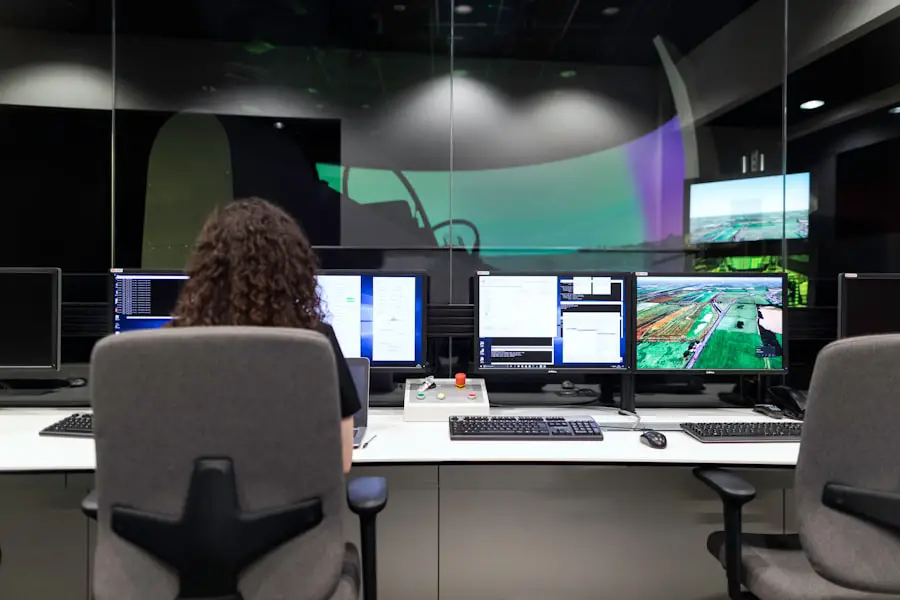
A commercial pilot certificate allows you to exercise commercial-pilot privileges, but it does not authorize every form of paid flying. The pilot, aircraft, operator, and type of operation must all comply with the relevant FAA rules.
For an airplane single-engine or multiengine certificate under the normal Part 61 path, the applicant must be at least 18 and log at least 250 total hours. The required experience includes powered-aircraft time, pilot-in-command time, cross-country time, instrument training, night operations, and specified training flights.
An approved Part 141 commercial course uses a structured curriculum and may allow an applicant in an integrated airplane program to qualify with a lower total, commonly 190 hours. The lower minimum does not guarantee that every student will finish at that number.
Commercial training develops precise aircraft control, advanced maneuvers, professional planning, risk management, passenger considerations, and higher practical-test standards. It does not, by itself, authorize a pilot to operate any large or complex aircraft. Category, class, type, and endorsement requirements still apply.
Step 8: Add Multi-Engine and Instructor Qualifications
Airline aircraft have more than one engine, so most airline-track pilots earn an airplane multiengine class rating. Training includes engine-out recognition, single-engine performance, emergency procedures, systems, aerodynamics, and decision-making.
A type rating is required for certain aircraft, including large and turbojet airplanes. New airline pilots commonly earn the required type rating as part of their employer’s approved training program rather than purchasing every possible type rating in advance.
Many pilots also earn one or more flight instructor certificates:
- CFI: Certificated Flight Instructor for primary and advanced visual training within the instructor’s ratings.
- CFII: Instrument instructor qualification for instrument students and instrument proficiency training.
- MEI: Multi-engine instructor qualification for teaching in multiengine airplanes.
Teaching can build flight time while improving communication, procedural discipline, and aeronautical knowledge. It is not the only lawful hour-building option, but it is one of the most common.
Step 9: Build Qualifying Flight Experience
After earning a commercial certificate and the needed ratings, most civilian pilots still need substantial experience before qualifying for an ATP or airline position. Every logged hour must meet FAA definitions and recordkeeping rules.
Possible hour-building jobs include:
- Flight instruction
- Charter or on-demand operations after meeting the operator’s qualifications
- Aerial survey and mapping
- Pipeline or powerline patrol
- Ferry and repositioning flights
- Corporate or business aviation
- Agricultural aviation after specialized training
- Military flying
These jobs differ in hiring minimums, insurance requirements, schedules, risk, aircraft type, and the amount of flight time available. Do not pay an operator for questionable “employment” or log time unless the arrangement complies with FAA rules.
Warning: Not every hour in an aircraft may be logged as pilot-in-command, second-in-command, cross-country, or instrument time. Incorrect logbook entries can create serious problems during an FAA review or airline background investigation.
Step 10: Complete ATP-CTP and Qualify for an ATP or R-ATP
The Airline Transport Pilot certificate is the highest level of FAA pilot certification. Part 121 airline first officers must hold an ATP certificate and an appropriate aircraft type rating. A restricted ATP may be used for qualifying second-in-command service until its restrictions are removed.
Standard ATP Path
A standard airplane ATP applicant generally must be at least 23 and have at least 1,500 hours of total pilot time. The total must include specific amounts of cross-country, night, instrument, airplane-class, and pilot-in-command or supervised qualifying experience.
Restricted ATP Paths
An R-ATP applicant may qualify at age 21 under one of the specific pathways in 14 CFR Section 61.160:
- 750 hours: Certain qualifying U.S. military pilots.
- 1,000 hours: Graduates of an FAA-authorized bachelor’s aviation program who complete the required approved coursework and flight training.
- 1,250 hours: Graduates of qualifying associate programs or bachelor’s applicants with the applicable reduced amount of approved aviation coursework.
These are not general discounts. The applicant must provide the required military records, transcripts, institutional certification, and other documentation. Review the FAA ATP and restricted-ATP guidance before relying on a reduced-hour pathway.
ATP Certification Training Program
Before taking the airplane multiengine ATP knowledge test, an applicant normally must complete an authorized Airline Transport Pilot Certification Training Program. ATP-CTP includes academic and simulator training in subjects such as aerodynamics, weather, air-carrier operations, leadership, crew resource management, and transport-category aircraft performance.
After completing the course, the applicant takes the ATP knowledge test and the applicable practical test. The practical test may be completed with an aircraft type rating during an airline or approved training program.
The standard airplane ATP minimum is 1,500 total hours, but qualifying military and FAA-authorized collegiate applicants may use restricted-ATP pathways with lower totals.
Step 11: Network and Apply for Airline Pilot Positions
Begin preparing for airline applications before reaching the minimum hours. Maintain accurate logbooks, training records, medical certificates, employment dates, driving records, education records, and details of any checkride failure or enforcement event.
Airlines may review an applicant’s Pilot Records Database information, training history, employment record, criminal history, driving record, drug and alcohol testing history, and background disclosures. Answer all application questions accurately and consistently.
A strong pilot résumé should clearly show:
- Total time and relevant pilot-in-command time
- Airplane, multiengine, turbine, instrument, night, and cross-country experience
- Certificates, ratings, type ratings, and medical class
- Instructor and leadership experience
- Education and employment history
- Safety, training, and volunteer experience that is directly relevant
Professional organizations, career fairs, former instructors, check airmen, alumni networks, and pilots already working for an airline can provide useful information. Networking may help you learn about hiring windows, but it does not replace the required certificates, experience, or interview performance.
Step 12: Complete Airline Training and Certification
Being hired does not immediately qualify a new pilot to fly passengers. New hires must complete the airline’s approved training program for its procedures and assigned aircraft.
The process commonly includes:
- Company policies, manuals, security, and operational rules
- Aircraft systems and limitations
- Performance, weight and balance, and flight planning
- Standard operating procedures and callouts
- Crew resource management
- Normal, abnormal, and emergency procedures
- Full-flight simulator sessions
- Knowledge, oral, proficiency, and practical checks
- Aircraft type-rating requirements
- Operating experience with a qualified check pilot
After initial qualification, pilots complete recurrent ground and simulator training, proficiency checks, medical examinations, and other company requirements. A first officer does not become a captain only by holding an ATP. Part 121 captain qualification also requires the applicable experience, training, type rating, checks, company seniority, and an available captain position.
How Long Does It Take to Become an Airline Pilot?
There is no single guaranteed timeline. A full-time student may finish the private, instrument, commercial, and instructor stages much faster than someone training only a few times each month. Building the experience for an ATP or R-ATP is normally the longest stage.
The total timeline can increase because of:
- Weather cancellations
- Aircraft maintenance or limited fleet size
- Instructor turnover
- Examiner availability
- Checkride delays or failures
- Work and family commitments
- Financing interruptions
- Slow hiring for entry-level commercial jobs
- Changes in airline hiring demand
School advertisements often describe the time needed to complete training, not the full time needed to build ATP experience and receive an airline class date.
Products Worth Considering

ALL-IN-ONE PROFESSIONAL PILOT LOGBOOK – This flight log book for pilots features dedicated sections to record flight hours, certificates, ratings, ground school classes, endorsements, and more, ensuring effortless and comprehensive tracking.
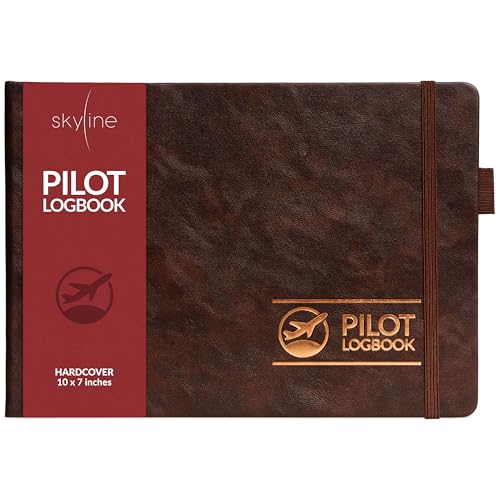
PILOT LOGBOOK FOR ALL LEVELS OF FLYERS – Keep flight records, training progress, certificates, ratings, endorsements, and proficiency history organized in one professional pilot log book, perfect for both students and experienced pilots.

ALL-IN-ONE PROFESSIONAL PILOT LOGBOOK – This flight log book for pilots features dedicated sections to record flight hours, certificates, ratings, ground school classes, endorsements, and more, ensuring effortless and comprehensive tracking.
How Much Does Airline Pilot Training Cost?
A civilian career path can cost tens of thousands of dollars. There is no reliable universal total because rental rates, fuel prices, training frequency, location, aircraft type, and student proficiency vary.
Ask each provider for an estimate that separates the FAA minimum from the school’s typical completion time. The quote should state whether it includes:
- Private, instrument, commercial, and multi-engine training
- CFI, CFII, and MEI training
- Aircraft fuel and surcharges
- Ground instruction and simulator time
- FAA knowledge-test fees
- Examiner and checkride fees
- Books, software, headset, and equipment
- Housing and transportation
- ATP-CTP
- Extra hours or repeated training events
- Loan fees and interest
Warning: Avoid paying a large training balance until you understand the written refund policy, expiration rules, school finances, aircraft availability, and what happens if you lose medical eligibility or leave the program.
Products Worth Considering

Enhance Course Accuracy: The rotating aviation plotter from Advanced Pilot Products elevates your navigation experience by allowing precise course plotting and easy wind correction, crucial for student pilots striving for perfection in FAA exam preparation; its rotating design enhances accuracy compared to traditional plotters, simplifying flight planning and reducing errors for seamless cross-country journeys.
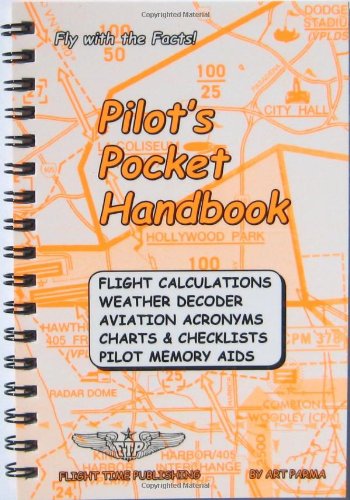
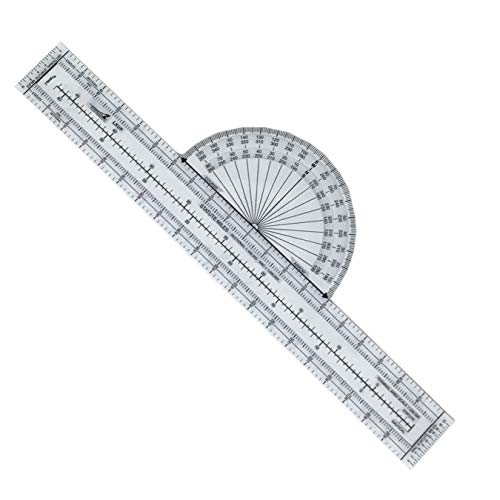
Precision in Every Flight (aviation plotter): Ensure accurate flight planning with our robust aviation plotter, meticulously designed to deliver precision in measuring course, distance, and direction on sectional charts. Enhance your navigation skills with eight versatile scales featuring both statute and nautical mile references, making this an indispensable tool for any pilot or student embracing the skies with confidence.
Airline Pilot Career Outlook and Working Conditions
The U.S. Bureau of Labor Statistics projects overall employment of airline and commercial pilots to grow 4% from 2024 through 2034. It projects about 18,200 openings per year across the two occupations, on average, including openings created when workers leave the occupation or retire. These projections do not guarantee that every new pilot will receive an airline job immediately.
Airline pilots usually begin as first officers. Pay, schedule, aircraft, base, vacation access, and advancement often depend heavily on seniority. Junior pilots may work reserve schedules, weekends, holidays, early mornings, nights, and multi-day trips away from home.
Part 121 pilots may not serve after reaching age 65 under current federal rules. Pilots who leave airline service may still qualify for other aviation work if they meet the medical, certificate, insurance, and operating requirements for that position.
Personal travel accessories can make commuting or layovers more comfortable, but they do not help a pilot qualify for an FAA certificate. A portable white-noise machine, an airline-approved power bank, or a solar-powered camping lantern may be useful during personal travel. Cockpit equipment and lithium-battery carriage must follow airline, FAA, and security rules.
Frequently Asked Questions
What are the basic requirements to become an airline pilot?
You must meet FAA age and English-language requirements, maintain the required medical eligibility, earn the necessary pilot certificates and ratings, build qualifying flight experience, obtain an ATP or R-ATP and aircraft type rating, and complete an airline’s approved training and checking program.
Do airline pilots need a bachelor’s degree?
The FAA does not require a bachelor’s degree for pilot certification. Some airlines may prefer a degree, and BLS describes one as typical for airline pilots. Only qualifying aviation programs at FAA-authorized institutions can provide the collegiate reduced-hour R-ATP benefit.
What medical certificate should an aspiring airline pilot obtain?
A student may use a third-class medical for private-pilot operations, and commercial privileges generally use a second-class medical. Career applicants should consider applying for a first-class medical early because airline employment normally requires first-class eligibility or standards.
How many flight hours are required to become an airline pilot?
The standard airplane ATP normally requires 1,500 total hours. Qualifying military pilots may use a 750-hour R-ATP pathway. Graduates of specific FAA-authorized collegiate programs may qualify at 1,000 or 1,250 hours when they meet all program, coursework, training, and documentation requirements.
Is an instrument rating required for an airline career?
Yes, it is a core airline-track qualification. An instrument rating is required for the normal airplane ATP pathway and removes important limitations that otherwise apply to commercial passenger operations at night or on longer cross-country flights.
Does a commercial pilot certificate allow any paid flying job?
No. It allows the holder to exercise commercial-pilot privileges within the certificate’s ratings and limitations. The flight, aircraft, pilot, and operator must also comply with the applicable operating and certification rules.
Can a non-U.S. citizen complete flight training in the United States?
Potentially, yes. Covered candidates generally must complete the TSA Flight Training Security Program process, receive a valid determination of eligibility, and maintain lawful status or other required authorization. The flight school must verify eligibility before training begins.
Are airline pathway programs guaranteed jobs?
No. A pathway, cadet agreement, interview opportunity, or conditional offer may depend on medical eligibility, training performance, background checks, hour requirements, airline staffing, and continued compliance with program rules.
What are the current career prospects for airline pilots?
The Bureau of Labor Statistics projects 4% growth for airline and commercial pilot employment from 2024 to 2034. Hiring can still rise or fall with airline finances, aircraft deliveries, retirements, training capacity, and the wider economy.
Sources
- Federal Aviation Administration: Become a Pilot — student certification and the general pilot-certification path.
- Electronic Code of Federal Regulations: 14 CFR Part 61 — private, instrument, commercial, ATP, and R-ATP requirements.
- Federal Aviation Administration: Medical Certification — MedXPress and aviation medical examiner process.
- Federal Aviation Administration: Part 141 Pilot Schools — approved curricula and Part 141 school structure.
- Federal Aviation Administration: ATP Training — ATP-CTP and collegiate restricted-ATP guidance.
- U.S. Bureau of Labor Statistics: Airline and Commercial Pilots — education norms, work conditions, pay data, and employment projections.
