
Last Updated on September 10, 2026 by Daniel Globe
Carrying enough water can make the difference between a comfortable hike and a dangerous one. The challenge is that there is no single amount that works for every trail. Your needs change with hike length, pace, temperature, humidity, elevation, sun exposure, body size, and how heavily you sweat. A good hydration plan also considers where you can refill, whether those sources are reliable, and how you will treat backcountry water.
Quick Answer
For many hikes, roughly 0.5 to 1 liter of water per hour is a useful planning range, but it is not a fixed rule. Hot, exposed, steep, or dry routes may require more. Plan around your expected drinking needs, reliable refill points, and a safety reserve, and avoid forcing down more fluid than your body needs.
Key Takeaways
- Base your water supply on hike duration, heat, pace, terrain, refill reliability, and your personal sweat rate rather than one universal liter target.
- Bottles are easy to monitor and clean, while hydration reservoirs make frequent sipping convenient. Many hikers use both.
- Plain water is usually enough for shorter outings; electrolytes become more useful during prolonged heavy sweating or when combined with salty foods.
- Do not force excessive fluid. Overdrinking during prolonged exercise can contribute to dangerous exercise-associated hyponatremia.
- Treat water from streams, lakes, and springs unless an authoritative local source specifically identifies it as potable.
- Confusion, seizures, loss of consciousness, or severe deterioration in hot conditions can signal a medical emergency and require immediate help.
At a Glance
| Time Required | About 5–10 minutes of pre-hike water planning |
| Difficulty | Easy, but conditions can change your needs quickly |
| Tools Needed | Water bottle or hydration reservoir; optional backup bottle, electrolyte mix, and backcountry water-treatment system |
| Cost | No added cost if you already own containers; filters, reservoirs, and insulated bottles vary by type |
Disclosure: As an Amazon Associate I earn from qualifying purchases. Some links on this page are affiliate links, at no extra cost to you.
Why Hydration Matters While Hiking
Your body loses water through sweat, breathing, and normal urine production. During hard hiking or hot weather, those losses can rise quickly. Dehydration increases cardiovascular and heat strain and can make sustained exercise feel harder.
Research on prolonged aerobic exercise shows that losing around 2% or more of body mass through dehydration is often associated with poorer endurance and thermoregulation, particularly in hot conditions. That number should not be treated as a universal point at which every hiker suddenly becomes impaired, but it shows why large fluid deficits are worth avoiding. See the National Athletic Trainers’ Association position statement on fluid replacement for a detailed review.
Hydration is a balance: too little fluid increases heat and exercise strain, while forcing excessive fluid during long activity can also be dangerous.
Choosing the Right Water Bottle or Hydration Pack
The best carrying system is the one that gives you enough capacity and makes drinking easy without adding unnecessary weight or complexity.
Water Bottles
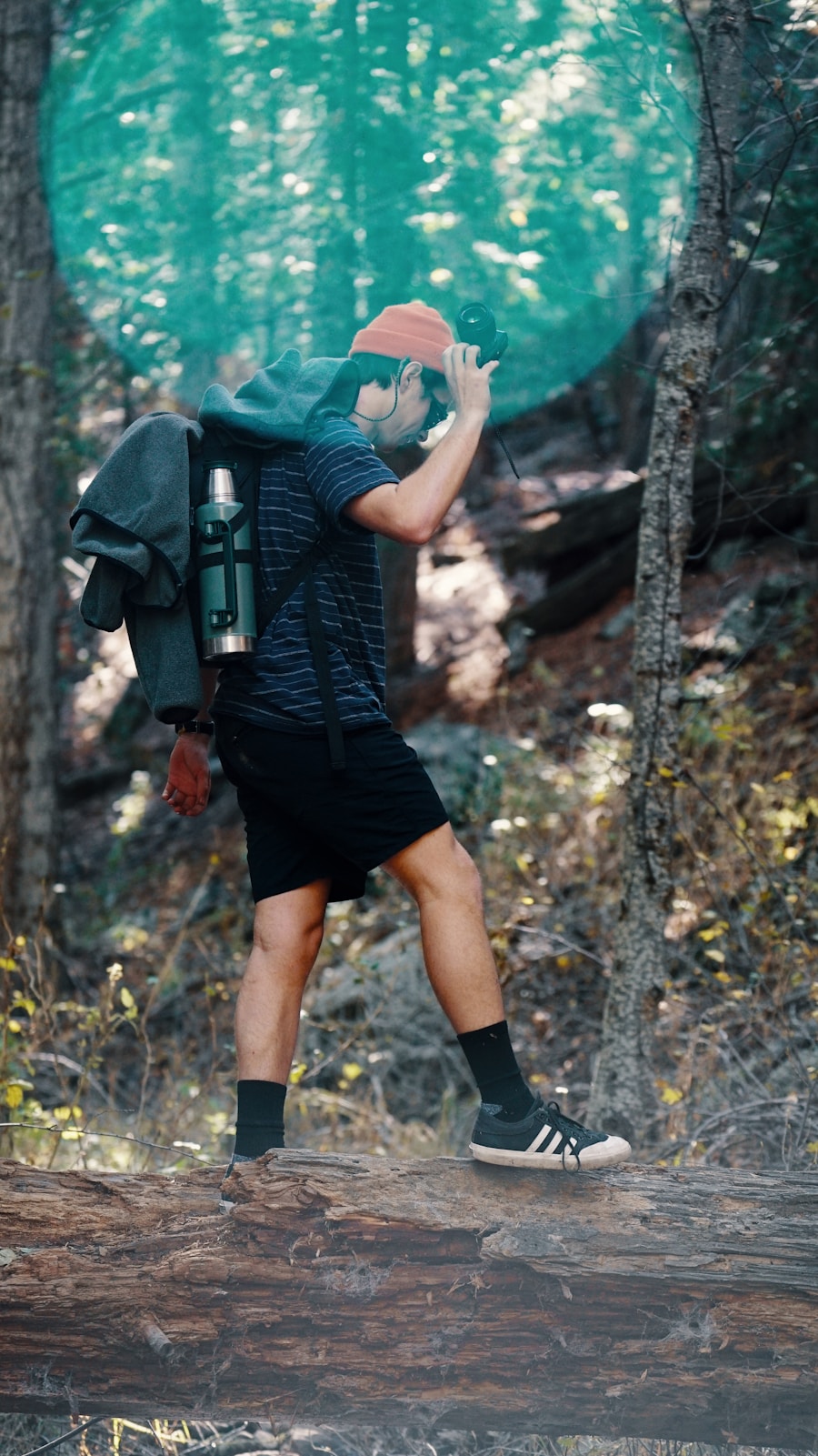
Reusable bottles are simple, easy to refill, and let you see how much water remains. Lightweight plastic bottles are popular for hiking because they add little weight. Stainless steel bottles are durable and insulated versions can keep water cooler, but they are heavier. Glass bottles are usually a poor trail choice because of their weight and breakage risk.
A wide-mouth bottle can be easier to clean and fill from a treated-water container. A bottle placed in an accessible side pocket is also useful for checking how quickly you are drinking.
Hydration Reservoirs
A hydration reservoir sits inside the pack and connects to a drinking hose. It allows small sips without stopping or removing the pack, which can make regular drinking easier during steady hiking.
The tradeoff is that reservoirs can be harder to monitor, refill, and clean. After each trip, rinse the reservoir, hose, and bite valve according to the manufacturer’s instructions and let every part dry completely before storage. Trapped moisture can encourage odors, biofilm, or mold.
Collapsible Bottles and Backup Capacity
Collapsible bottles are useful when you want extra capacity for a long dry section without carrying bulky empty containers after a refill. They also work well as a backup if a reservoir leaks.
Pro Tip: Many hikers get the best of both systems by using a hydration reservoir for frequent drinking and keeping one bottle where they can see it. The bottle provides backup capacity and makes it easier to judge how much fluid remains.
How Much Water Should You Carry While Hiking?
There is no safe universal answer such as “2 liters for a day hike.” A short shaded walk and an eight-hour desert hike are both day hikes, but their water demands are completely different.
As a practical starting point, many hikers plan around roughly 0.5 to 1 liter per hour and then adjust for conditions and personal experience. In hot conditions, official recommendations can fall toward the upper end of that range. CDC/NIOSH guidance for moderate activity in heat lasting less than two hours recommends about 8 ounces every 15–20 minutes, while emphasizing that individual needs vary. It also advises that fluid intake generally should not exceed about 6 cups per hour. See the CDC/NIOSH heat-stress hydration recommendations.
Increase your planned capacity when the route is hot, dry, exposed, steep, strenuous, remote, or has unreliable water. You may need less in cool conditions or during gentle activity, especially when dependable potable water is available along the route.
Use Duration and Refill Points Together
Estimate how long it will take to reach the next dependable refill rather than calculating only the total hike length. Carry enough to bridge the longest dry stretch, plus a reasonable reserve for delays, wrong turns, unexpectedly slow travel, or a water source that is unavailable.
Remember that water is heavy. One liter weighs about 1 kilogram, or 2.2 pounds. Carrying unnecessary liters can increase fatigue, while carrying too little can leave you without options. Reliable refill planning helps balance those risks.
Learn Your Personal Sweat Rate
Your own experience is more useful than a generic formula. On a training hike in similar weather, weigh yourself before and after exercise, note how much you drank, and account for any urine produced. A loss of roughly 1 kilogram of body mass corresponds approximately to 1 liter of fluid. Repeating this in different temperatures can help you understand whether you tend to be a light or heavy sweater.
Do not use body weight as a reason to replace every ounce of weight lost during very long endurance activity. Fuel use and other factors also change body mass, and aggressive replacement can contribute to overhydration.
Tips for Carrying Water Efficiently
- Keep water accessible. Put bottles in reachable side pockets or use a hydration hose so drinking does not require unpacking your bag.
- Spread the weight. Keep heavy water close to your back and near the center of the pack instead of hanging full bottles from the outside.
- Start hydrated. Do not begin a strenuous hike already thirsty after a long drive, flight, or morning without fluids.
- Drink in small amounts as needed. Regular access is usually more comfortable than waiting until you feel depleted and then gulping a large quantity.
- Do not force water. A rigid schedule that makes you drink far beyond thirst and sweat losses can create its own medical risk.
- Carry a reserve on remote routes. A little extra capacity is valuable when a hike takes longer than expected.
Note: Urine color can provide a rough clue to hydration, but it is not a perfect real-time test. Dark, low-volume urine may suggest you need more fluid, while medications, foods, supplements, and normal overnight concentration can also change urine color.
Hydration Strategies for Different Types of Hikes
| Hike Type | Hydration Strategy |
| Short Day Hike | Estimate water from expected hiking time and conditions. Plain water is usually adequate when activity is moderate and sweating is not prolonged. |
| Long Day Hike | Carry enough for the longest dry section plus reserve capacity. Add electrolytes or salty foods when heavy sweating continues for several hours. |
| Overnight / Backpacking | Plan each water source before departure, verify seasonal reliability, carry sufficient storage for dry stretches, and bring an appropriate treatment method plus a backup. |
| High-Altitude Hike | Stay normally hydrated, but do not rely on extra water or electrolytes to prevent altitude illness. Ascend gradually and allow time for acclimatization. |
| Desert / Hot Exposed Hike | Use a conservative route-specific estimate, carry extra capacity, confirm every refill point, hike during cooler hours when possible, and turn around before your reserve becomes compromised. |
When Do You Need Electrolytes?
Plain water is generally sufficient for shorter periods of moderate activity. Electrolytes become more useful when you are sweating heavily for several hours, hiking for a long time in heat, or losing a large amount of salty sweat. Food can also replace sodium and other electrolytes.
CDC/NIOSH recommends electrolyte-containing sports drinks when sweating continues for several hours. That does not mean every hike requires a sports drink, nor does drinking electrolytes allow you to consume unlimited fluid safely.
Salty foods such as crackers, pretzels, sandwiches, soup, or other normal trail meals can contribute sodium without requiring every bottle to contain an electrolyte mix.
Staying Hydrated in Hot Weather
Heat increases sweat loss and raises the risk of both dehydration and heat illness. Start conservatively, take breaks, use shade, wear suitable sun protection, and reduce pace when conditions become hotter than expected.
CDC advises people exercising in hot weather to drink more water than usual, pace activity, and stop if they feel faint or weak. See the CDC heat guidance for athletes and active people.
Warning: Confusion, altered behavior, slurred speech, seizures, collapse, or loss of consciousness in hot conditions can indicate heat stroke. Heat stroke is a medical emergency. Call 911 or activate emergency rescue, move the person to a cooler area, remove excess clothing, and begin rapid cooling. Do not give oral fluids to someone who cannot safely drink.
Heat Exhaustion vs. Heat Stroke
Heat exhaustion commonly causes heavy sweating, weakness, dizziness, headache, nausea, or faintness. Stop activity, move to a cooler place, loosen unnecessary clothing, cool the body, and sip fluids if the person is fully alert and able to drink. Seek medical help if symptoms worsen, vomiting prevents drinking, or recovery does not occur.
Heat stroke involves central nervous system dysfunction such as confusion, loss of coordination, seizures, or unconsciousness and can be fatal without immediate treatment. The CDC/NIOSH heat-illness guide recommends immediate emergency care and rapid cooling.
Staying Hydrated in Cold Weather
Cold weather does not remove the need for water. You still lose fluid through breathing and sweat, especially when climbing in insulating layers. Dry winter air and long periods of exertion can add to the problem.
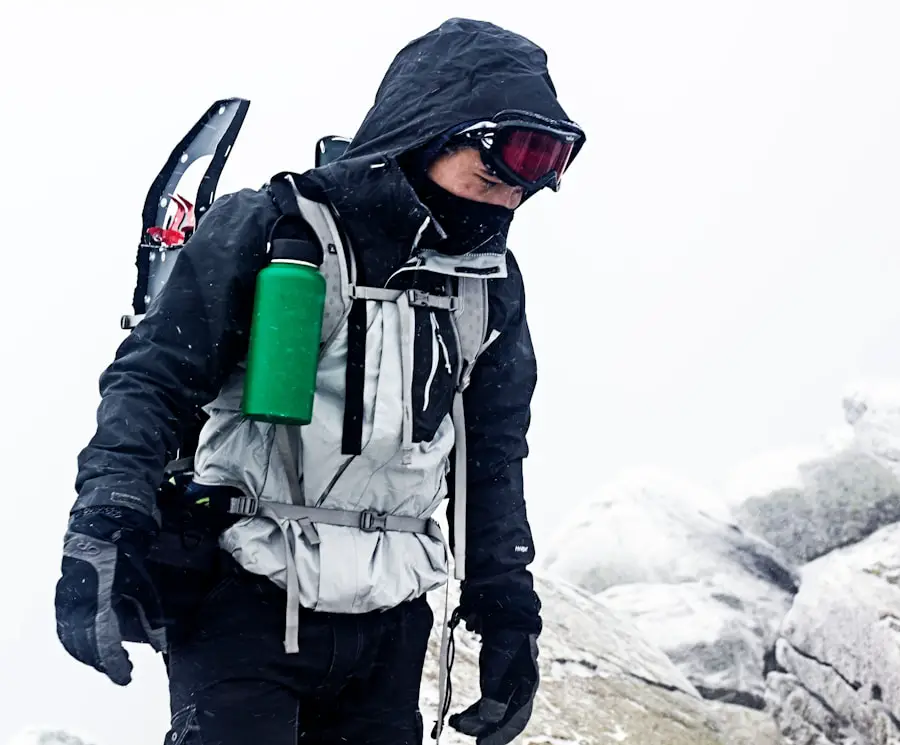
The National Park Service recommends carrying plenty of water and snacks on winter hikes. An insulated bottle can help prevent freezing, while hydration hoses should be protected because exposed tubing can freeze before the reservoir itself. See the NPS winter hiking guidance.
Manage clothing so you do not become soaked with sweat. Removing a layer before a hard climb can help keep both your clothing and body more comfortable.
Hydration at High Altitude
High-altitude environments are often cold and dry, and hikers may notice greater water loss. Stay normally hydrated, but do not deliberately overdrink in an attempt to prevent altitude sickness.
Extra water and electrolyte drinks do not replace acclimatization. According to the CDC Yellow Book guidance on high-altitude travel, gradual ascent is central to reducing altitude-illness risk. Above about 3,000 meters (9,850 feet), the guidance recommends limiting increases in sleeping altitude and allowing additional acclimatization time.
Headache, nausea, dizziness, or fatigue after gaining elevation can be signs of acute mountain sickness rather than simple dehydration. Do not ascend to sleep higher while altitude symptoms are present, and descend if symptoms worsen despite rest or treatment.
How to Refill Water Safely on the Trail
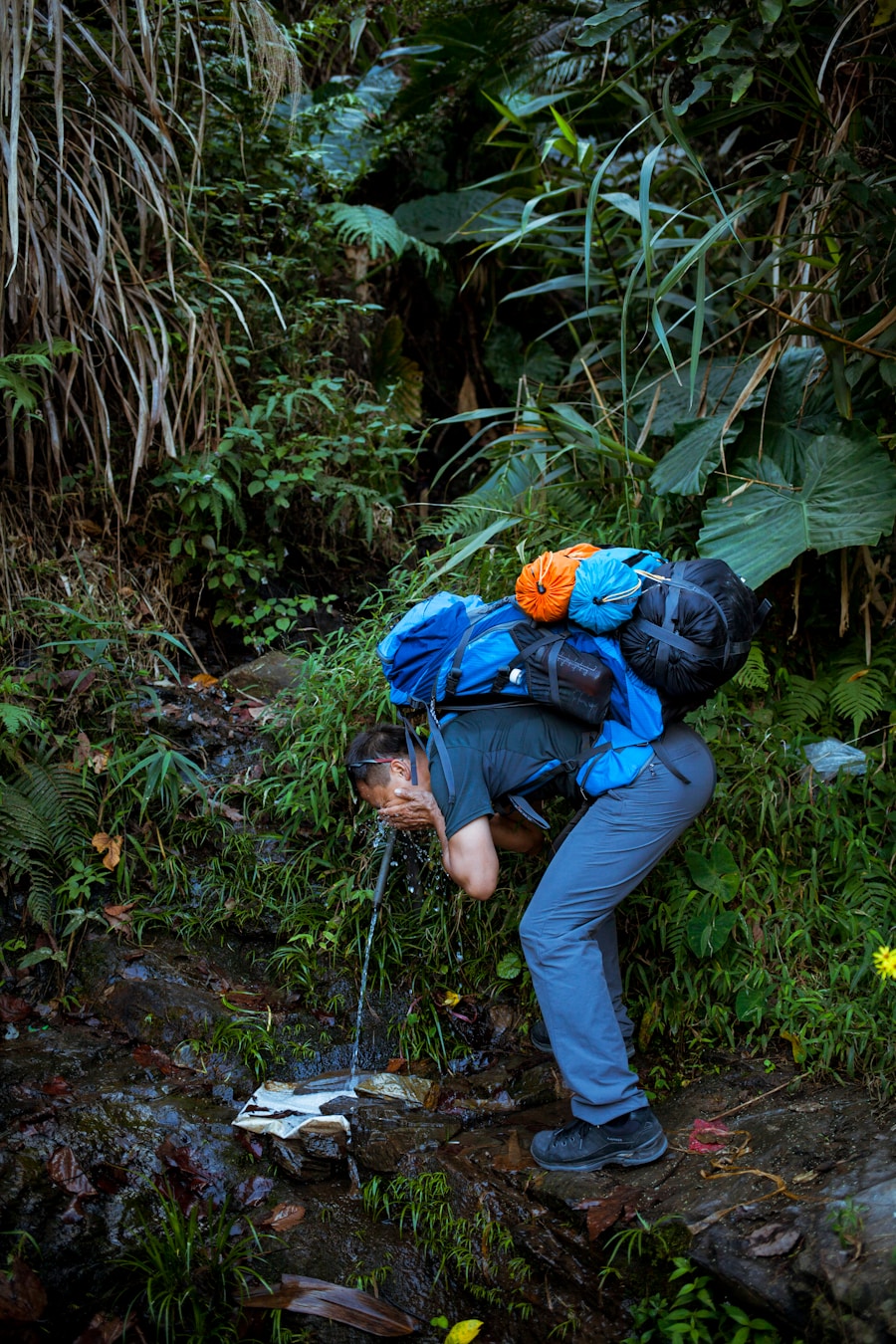
Never assume a clear stream, lake, or spring is safe to drink. Human and animal waste can introduce bacteria, viruses, and parasites even when the water looks pristine.
The CDC backcountry water-treatment guidance says boiling is the most reliable way to kill germs. Bring clear water to a rolling boil for 1 minute, or 3 minutes at elevations above 6,500 feet.
When boiling is not practical, CDC recommends filtering the water and then disinfecting it. Follow the filter and disinfectant manufacturer’s instructions because different products work against different organisms and require different contact times.
Note: Boiling, ordinary filters, and disinfectants cannot make water contaminated with harmful chemicals, toxins, or radioactive material safe. If chemical contamination is possible, use another water source.
Never Depend on One Unverified Source
A mapped creek or spring can be seasonal, frozen, contaminated, or dry. Check recent ranger reports, land-management information, or other reliable local sources before leaving. On remote trips, carry enough storage to bypass a source that fails.
Hydration Tips for Hiking with Children or Pets
Children
Children should have water readily available before, during, and after physical activity. Adults should offer regular drink breaks because children may become distracted and fail to mention thirst until they are already uncomfortable.
Plain water is generally the first choice. For prolonged or strenuous activity with substantial sweating, especially in hot weather, sodium-containing foods or an appropriate electrolyte beverage may help replace losses. The American Academy of Pediatrics heat-exercise guidance emphasizes ready access to fluids, regular opportunities to drink, and avoiding both dehydration and overdrinking.
Watch for unusual fatigue, dizziness, nausea, headache, irritability, or reduced urine output. Stop the hike and cool down if a child is struggling in hot conditions rather than trying to push toward a destination.
Dogs and Other Pets
Pack separate fresh drinking water for your dog and a lightweight bowl. Do not assume natural trail water is safe for pets simply because they are willing to drink it.
Dogs can overheat quickly. Excessive panting, heavy drooling, weakness, confusion, vomiting, or collapse require immediate attention. The American Veterinary Medical Association pet first-aid guidance recommends moving an overheated pet out of direct sun, beginning appropriate cooling, and getting veterinary care as soon as possible.
Warning: Do not make a dog complete a route because the group wants to continue. Excessive panting, weakness, stumbling, or collapse means the animal needs rest, cooling, water if able to drink, and potentially urgent veterinary care.
Dehydration, Overhydration, and Hyponatremia
Possible Signs of Dehydration
- Thirst or dry mouth
- Reduced urine output or unusually dark urine
- Fatigue or unusual weakness
- Dizziness or lightheadedness
- Headache
- Declining pace or difficulty concentrating
These symptoms are not specific to dehydration. Heat illness, altitude illness, low blood sugar, hyponatremia, and other conditions can overlap, so worsening or severe symptoms should not be self-diagnosed solely by how thirsty someone feels.
Exercise-Associated Hyponatremia
Exercise-associated hyponatremia occurs when blood sodium becomes abnormally low during or after prolonged activity. A major preventable risk is consuming fluid in excess of what the body is losing and able to excrete.
Symptoms can include nausea, headache, bloating, confusion, altered behavior, seizures, or loss of consciousness. The condition can resemble heat exhaustion or heat stroke. Wilderness Medical Society guidance emphasizes the importance of rapid recognition because severe cases can become life-threatening. See the Wilderness Medical Society guideline on exercise-associated hyponatremia.
Warning: Confusion, seizures, loss of consciousness, or rapidly worsening symptoms during or after a hike require emergency medical help. Do not assume the person simply needs more plain water.
Environmental Considerations for Hydration on Hikes
Reusable bottles and reservoirs reduce reliance on single-use plastic and are usually easier to incorporate into a regular hiking kit. Bring enough durable capacity for the route instead of planning to discard containers along the way.
When collecting natural water, avoid contaminating the source. Do not wash dishes, use soap, or dispose of waste directly in streams and lakes. Follow local land-management rules for human waste, camping, and access around water.
Carry out packaging from electrolyte mixes, purification tablets, snacks, and disposable bottles. Small wrappers are easy to lose when opening supplies in wind, so secure them immediately.
Hydration is only one part of safe trail preparation. For low-light camps or longer outings, you may also want to review gear such as solar-powered camping lanterns when planning your equipment.
Medical Note: People with heart, kidney, endocrine, or other medical conditions—and people taking medicines that affect fluid balance, blood pressure, or sodium—may need individualized hydration advice. Follow guidance from your healthcare professional rather than a generic trail-water formula.
Frequently Asked Questions
What are the best ways to carry water while hiking?
Common options include reusable bottles, hydration reservoirs, collapsible bottles, and combinations of these systems. Bottles are easy to monitor and clean, while reservoirs allow convenient hands-free drinking. Choose enough total capacity to cover the longest dry section of your route plus a reasonable reserve.
What is a hydration pack and how does it work?
A hydration pack or hydration-compatible backpack holds a flexible water reservoir connected to a drinking hose and bite valve. The system lets you sip while walking without removing a bottle from your pack.
What are the advantages of using a hydration pack?
Hydration reservoirs make frequent sipping convenient and keep most of the water weight close to your back. They can be particularly useful on trails where stopping to reach a bottle is inconvenient.
What are the disadvantages of using a hydration pack?
Reservoirs can be harder to refill, clean, dry, and monitor than bottles. Hoses and bite valves can retain moisture, and exposed tubing may freeze during winter hiking. A leak can also affect a large portion of your water supply, which is why a backup bottle can be useful.
What should I consider when choosing a water-carrying method for hiking?
Consider the hike duration, temperature, terrain, refill locations, longest dry section, total capacity, container weight, ease of cleaning, and how easily you can drink while moving. A mixed bottle-and-reservoir setup works well for many hikers.
How much water should I carry while hiking?
A rough planning range for many hikes is about 0.5 to 1 liter per hour, but your actual need may be lower or higher. Adjust for heat, humidity, sun exposure, pace, elevation, body size, sweat rate, and reliable refill points. Carry a safety reserve on remote or dry routes rather than relying on one fixed amount for every hike.
What are some tips for staying hydrated while hiking?
Start the hike normally hydrated, keep water easy to reach, drink according to your thirst and conditions, take more frequent breaks in heat, and monitor how much water remains. Do not wait until you are severely thirsty, but also do not force excessive fluid simply to meet a rigid schedule.
Do I need electrolytes on every hike?
No. Plain water is usually sufficient for shorter periods of moderate activity. Electrolytes or salty foods become more useful when strenuous activity and heavy sweating continue for several hours or in very hot conditions.
Can I drink water directly from a mountain stream?
Do not assume stream water is safe because it looks clear. CDC recommends treating water of uncertain safety. Boiling is the most reliable method for killing germs; when boiling is not practical, filtering followed by disinfection provides broader protection than relying on an ordinary filter alone.
Sources
- CDC — Water Treatment Options When Hiking, Camping, or Traveling — backcountry water safety, boiling, filtration, and disinfection.
- CDC/NIOSH — Heat Stress Recommendations — fluid intake during moderate activity in heat and electrolyte guidance during prolonged sweating.
- CDC/NIOSH — Heat-Related Illnesses — heat exhaustion and heat-stroke symptoms and first aid.
- CDC Yellow Book — High-Altitude Travel and Altitude Illness — acclimatization, altitude symptoms, and descent guidance.
- Wilderness Medical Society — Exercise-Associated Hyponatremia Guideline — recognition and management of dangerous low blood sodium during prolonged activity.
- National Athletic Trainers’ Association — Fluid Replacement for the Physically Active — evidence on dehydration, performance, sweat loss, and individualized hydration.

