
Last Updated on July 26, 2026 by Daniel Globe
The hotel industry is a multifaceted sector that plays a crucial role in the global economy, contributing significantly to tourism, commercial development, and employment worldwide. Spanning everything from luxury resorts and boutique hotels to budget motels and select-service accommodations, launching a successful hospitality business requires a delicate balance of market research, capital acquisition, regulatory compliance, and operational efficiency.
Quick Answer
To start a hotel business, you must conduct a local market feasibility study, create a comprehensive business plan with financial projections (ADR and RevPAR), secure commercial funding or equity investment, select a strategically zoned location, acquire necessary health and business licenses, and deploy hotel management technology before executing target marketing campaigns.
At a Glance
| Time Required | 12 to 24 months (Planning to Grand Opening) |
| Difficulty | High (Requires substantial capital and operational expertise) |
| Key Requirements | Market Feasibility Study, Business Plan, Property Zoning, Commercial Financing, PMS Software |
| Capital Range | $1,000,000 – $20,000,000+ (Varies by key count, category, and market) |
Key Takeaways
- Conduct Feasibility Studies: Thorough market analysis establishes key target demographics, local demand drivers, and competitive gaps.
- Build Financial Models: Accurate financial projections grounded in Average Daily Rate (ADR) and Revenue Per Available Room (RevPAR) are critical for securing lenders and investors.
- Prioritize Regulatory Compliance: Securing proper zoning, liquor licenses, fire clearance, and ADA accessibility early prevents costly operational delays.
- Deploy Hospitality Tech: Integrating modern Property Management Systems (PMS) and Channel Managers automates distribution and maximizes direct revenue.
- Optimize Guest Satisfaction: High-quality staff training and comfortable guest amenities foster positive reviews and strong repeat business.
The hospitality sector operates on distinct seasonal cycles influenced by macro-economic trends, corporate travel budgets, and shifting consumer behavior. In recent years, technological advancements have redefined guest expectations. Online travel agencies (OTAs) and alternative lodging platforms like Airbnb have disrupted traditional business models, compelling independent hoteliers and major brands to adopt agile, tech-forward management strategies. Furthermore, sustainability initiatives—such as energy-efficient HVAC systems, water conservation, and waste reduction—have transitioned from marketing perks to operational standards that yield long-term cost savings and appeal to eco-conscious travelers.
Disclosure: As an Amazon Associate I earn from qualifying purchases. Some links on this page are affiliate links, at no extra cost to you.
Market Research and Analysis
Conducting detailed market research is the foundational requirement for launching a hotel business. This analytical phase involves compiling primary and secondary data regarding target guests, local market trends, and competitive inventory to make informed real estate and operational decisions.
A rigorous demographic and psychographic study identifies core guest segments—such as business executives requiring meeting space, families seeking leisure amenities, or digital nomads looking for high-speed connectivity and communal workspaces. Understanding these preferences guides property architecture, room layouts, and amenity selection.
Pro Tip: Benchmark your competitive set using reports from industry data providers like CoStar / STR. Evaluating historical occupancy rates, seasonal ADR fluctuations, and market penetration indices helps prevent overestimating potential room revenue.
Competitor analysis is equally vital during initial planning. Examining local hotels enables prospective owners to identify underserved niches in the market. For instance, if competing properties cater exclusively to corporate clientele, an opportunity may exist for a boutique, lifestyle-driven hotel with curated culinary experiences or wellness facilities. Reviewing competitor pricing strategies, guest feedback, and online ratings further reveals service gaps that your property can leverage for market differentiation.
Creating a Comprehensive Business Plan
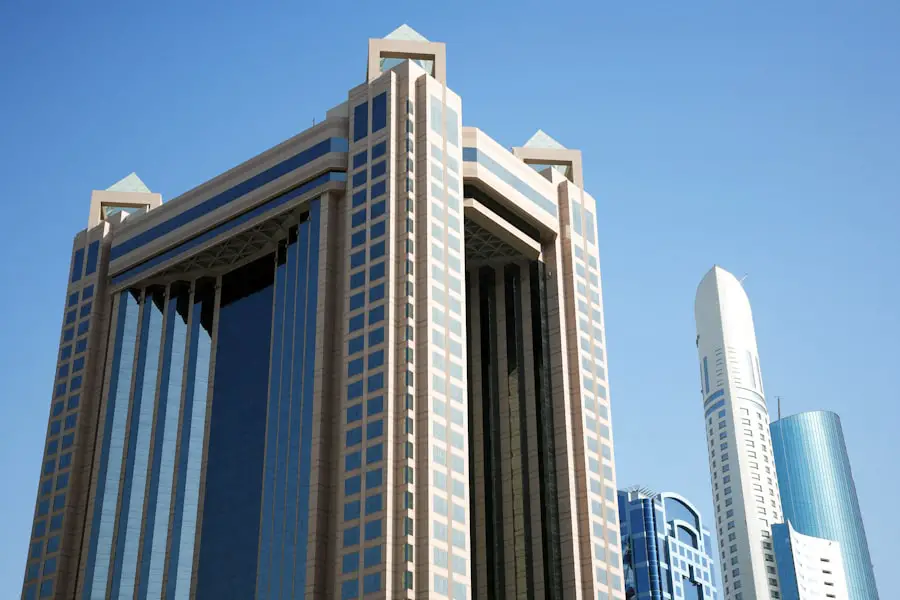
A well-crafted business plan serves as the operational master plan and legal roadmap for launching a hotel. It articulates the vision, mission, and strategic goals of the enterprise while providing detailed execution strategies across marketing, operations, and risk management.
A complete hospitality business plan contains the following core components:
- Executive Summary: An overview of the hotel concept, target market, competitive advantage, and executive management team.
- Market & Competitive Analysis: Data-driven assessment of regional tourism trends, local demand generators, and competitive positioning.
- Operational Plan: Daily management framework, staffing requirements, vendor logistics, and technology integration.
- Marketing & Distribution Strategy: Direct booking channels, OTA commission management, digital marketing, and loyalty strategies.
- Financial Projections: Pro-forma income statements, cash flow forecasts, break-even analysis, and capital expense budgets.
Your unique value proposition (UVP) must be clearly articulated. Whether offering specialized wellness packages, farm-to-table dining, or pet-friendly accommodations, your UVP separates the property from competing hotels. Financial modeling must remain grounded in realistic projections derived from market research. Incorporating estimated occupancy, Average Daily Rate (ADR), and Revenue Per Available Room (RevPAR) provides potential lenders with a clear picture of project viability.
Securing Funding and Investment
Capitalizing a hotel project is one of the most complex hurdles in commercial real estate. Entrepreneurs typically blend multiple equity and debt sources to fund land acquisition, construction, FF&E (furniture, fixtures, and equipment), and initial working capital.
Warning: Underestimating pre-opening expenses and initial ramp-up working capital is a primary driver of financial distress in new hotels. Ensure your capital structure includes at least 6 to 12 months of operating debt service reserves.
Common financing vehicles include conventional commercial bank loans, government-backed U.S. Small Business Administration (SBA) 504/7(a) loans, private equity groups, and mezzanine financing. Each financing route carries specific cost structures, equity retention requirements, and risk profiles.
| Financial Benchmark / Metric | Standard Industry Target | Strategic Purpose for Investors |
|---|---|---|
| Loan-to-Value (LTV) Ratio | 60% – 75% | Establishes maximum debt funding relative to appraised property value. |
| Debt Service Coverage Ratio (DSCR) | 1.25x – 1.40x minimum | Measures net operating income (NOI) availability to cover debt obligations. |
| Average Daily Rate (ADR) | Varies by market class ($120 – $350+) | Calculates average rental revenue earned per occupied room per day. |
| Revenue Per Available Room (RevPAR) | ADR × Occupancy Rate | Primary performance metric assessing pricing power and inventory efficiency. |
| Capitalization Rate (Cap Rate) | 6.0% – 9.0% | Indicates expected rate of return based on projected income streams. |
“Securing institutional capital requires demonstrating both property performance capability and executive execution. Lenders back clear revenue models and disciplined cost controls.”
To convince prospective lenders or equity partners, present data-backed models showing projected return on investment (ROI), net operating income (NOI), internal rate of return (IRR), and clear exit strategies. Partnering with specialized hospitality financial advisors enhances institutional credibility during debt underwriting.
Location and Property Acquisition
Location remains an vital determinant of hotel success. Prime real estate maximizes organic visibility, reduces customer acquisition costs, and commands higher room rates.
When assessing real estate candidates, evaluate site access, traffic patterns, proximity to primary demand generators (airports, convention centers, tourist districts, medical centers), and surrounding retail amenities. Conducting a formal site feasibility study helps determine if the location matches your target market profile.
Property acquisition generally takes one of three forms:
- Ground-Up Construction: Provides complete customization over building layout and brand architecture but requires longer lead times, higher capital expenditures, and complex municipal approvals.
- Adaptive Reuse: Converting existing office buildings or historic structures into lodging. This can offer unique design charm and tax credits, though structural retrofitting risks exist.
- Hotel Acquisition & Renovation: Purchasing an operating property (or distressed asset) and executing a Property Improvement Plan (PIP) to elevate revenue potential quickly.
Hotel Licensing, Permits, and Legal Compliance
Navigating municipal, state, and federal regulatory requirements is critical prior to opening your doors. Failing to secure necessary documentation can halt construction or delay grand openings.
Key regulatory compliance obligations include:
- Zoning & Land Use Approvals: Confirming commercial lodging is an approved use for the site.
- Building Permits & Inspections: Fire safety codes, structural soundness, HVAC compliance, and occupancy caps.
- Health Department Licensing: Required for guest rooms, swimming pools, spas, and public food service facilities.
- Liquor Licensing: Necessary for operating hotel bars, room service, or executive lounges.
- ADA Compliance: Ensuring accessible guest rooms, ramps, elevators, and public spaces comply with federal accessibility standards.
Designing and Furnishing the Hotel

Interior design and furnishing directly shape guest satisfaction and support brand positioning. Design must balance visual appeal with operational durability and maintenance requirements.
Public areas—including lobby lounges, reception areas, and dining facilities—should facilitate natural guest traffic while fostering a welcoming environment. Materials selected for high-traffic zones must handle continuous use while remaining easy for housekeeping staff to clean and maintain.
Note: Guest room layouts should prioritize sleep quality, ergonomic comfort, and functional utility. High-grade acoustic insulation, intuitive lighting controls, black-out window treatments, and climate control directly reduce guest noise complaints.
Collaborating with experienced hospitality interior designers ensures space planning complies with commercial fire codes, ADA requirements, and operational workflows for staff.
Hotel Operations, Management, and Technology Stack
Modern hotels rely on an integrated software ecosystem to automate daily operations, manage inventory distribution, and elevate guest touchpoints.
Essential hospitality technology systems include:
- Property Management System (PMS): The core operational engine managing reservations, check-ins, guest folios, housekeeping schedules, and room inventory.
- Channel Manager: Synchronizes room availability across direct channels and third-party OTAs (Booking.com, Expedia) in real time to prevent overbookings.
- Revenue Management System (RMS): Uses dynamic pricing algorithms based on local demand and market pace to optimize Average Daily Rates.
- Point of Sale (POS) Systems: Integrates food, beverage, and spa sales directly with the PMS for seamless guest room posting.
Hiring and Training Staff
Service delivery remains a primary driver of hotel guest ratings. Establishing rigorous hiring, onboarding, and training programs creates a positive service culture across front-of-house and back-of-house departments.
The recruitment process should focus on identifying team members who embody warmth, problem-solving abilities, and customer empathy. Front desk personnel, concierges, and food service staff serve as primary brand ambassadors, while housekeeping and maintenance teams uphold sanitation and safety standards.
Structured onboarding should cover service protocols, conflict resolution strategies, emergency procedures, and PMS software handling. Providing ongoing career development paths and fair compensation fosters team retention, reducing costly turnover in a competitive labor market.
Marketing and Promoting the Hotel
A multi-channel marketing campaign is necessary to build brand awareness and capture advance reservations prior to opening.
Your digital marketing strategy should emphasize direct bookings to minimize third-party OTA commission fees (which typically range from 15% to 25%). Develop an optimized website featuring high-resolution photography, mobile-friendly booking engines, and integrated local SEO keyword strategies.
Promotions can be supplemented through local business partnerships, corporate travel contracts, active social media marketing, and strategic press releases. Beyond marketing campaign efforts, guest comfort remains the ultimate promotional tool—delivering superior sleep experiences, curated room amenities, and personalized service naturally generates positive guest reviews and valuable word-of-mouth recommendations.
If you are considering starting a hotel business, you may also be interested in learning about the best travel pillows for long flights this spring. Having comfortable accommodations for your guests is essential, and providing them with a good night’s sleep can make all the difference. Check out this article on the 5 best travel pillows for long flights to ensure your guests have a restful stay at your hotel.
Building a successful hotel business requires disciplined planning and cohesive operational execution across finance, development, regulatory compliance, technology, and customer service. By systematically navigating each project phase, hospitality entrepreneurs can establish resilient, profitable assets that deliver outstanding guest experiences.
Frequently Asked Questions
What are the key steps to start a hotel business?
Starting a hotel business involves conducting a comprehensive market feasibility study, preparing a pro-forma business plan, securing commercial funding or equity investment, selecting and acquiring a suitable site, obtaining required licensing and permits, designing the property, implementing operational tech systems, hiring personnel, and launching a multi-channel marketing plan.
What are the legal requirements for starting a hotel business?
Legal requirements include registering your business entity, securing proper land-use zoning, obtaining building and fire occupancy permits, acquiring health department certifications for dining and lodging, obtaining liquor licenses (if applicable), registering for local transient occupancy taxes (TOT), and complying with ADA accessibility guidelines.
What are the key factors to consider when choosing a location for a hotel?
Critical location considerations include proximity to major demand generators (tourist attractions, business hubs, airports, convention centers), site accessibility and visibility, local market competition, zoning permissions, land acquisition costs, and long-term regional economic stability.
What are the financing options available for starting a hotel business?
Hotel financing options include conventional commercial real estate loans, government-backed Small Business Administration (SBA 504 and 7(a)) loans, private equity investment syndicates, mezzanine debt financing, vendor financing, and real estate joint ventures.
What are the key marketing strategies for a new hotel business?
Effective marketing strategies include building a direct-booking website optimized for search engines (SEO), using distribution channel managers to list on primary OTAs, leveraging social media, targeting local corporate accounts, forming travel agency partnerships, and implementing guest loyalty initiatives.
What are the essential amenities and services to offer in a hotel business?
Essential amenities include comfortable bedding, high-speed Wi-Fi, climate control, housekeeping services, secure access control, professional customer service, and flexible check-in options. Secondary amenities (fitness centers, pools, meeting spaces, on-site dining) depend on property class and guest target profiles.
Sources
- U.S. Small Business Administration (SBA) — Commercial debt financing parameters and business planning guidance
- American Hotel & Lodging Association (AHLA) — Lodging industry operating standards and regulatory guidelines
- CoStar / STR Hospitality Benchmarking — Data resources on occupancy, ADR, and RevPAR metrics
- Cornell Center for Hospitality Research — Operational feasibility studies and revenue management research
