
Last Updated on September 10, 2026 by Daniel Globe
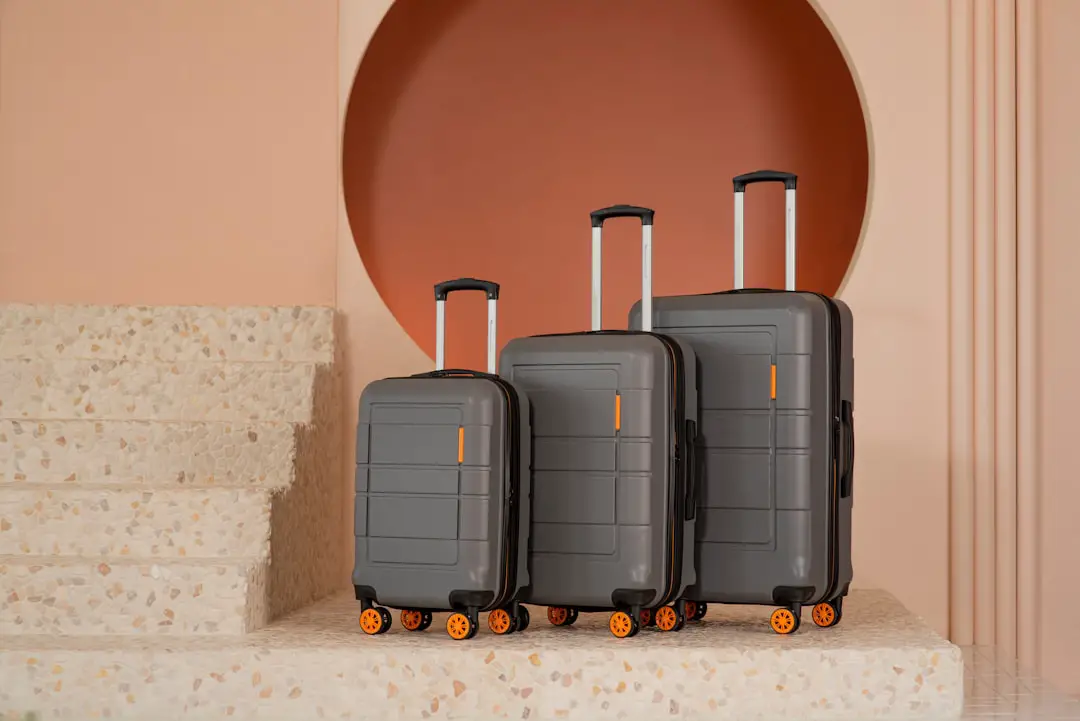
Southwest Airlines still gives every ticketed passenger a generous cabin-bag allowance, but its checked-bag policies have changed. Before leaving for the airport, confirm that your suitcase measures no more than 24 inches long, 16 inches wide, and 10 inches high. Those measurements include the wheels, handles, exterior pockets, and other attachments.
Quick Answer
Southwest allows one free carry-on bag measuring up to 24 × 16 × 10 inches, including wheels and handles, plus one personal item that fits under the seat. Southwest currently publishes no numeric carry-on weight limit. Oversized bags may need to be checked, and applicable checked-bag fees can apply.
Key Takeaways
- Your Southwest carry-on may measure up to 24 × 16 × 10 inches.
- Wheels, handles, attachments, and overstuffed exterior pockets count toward the limit.
- You may also bring one smaller personal item that fits under the seat in front of you.
- Southwest does not currently publish a numeric carry-on weight limit; the 50-pound rule applies to standard checked bags.
- Most passengers no longer receive two free checked bags, so an oversized carry-on may create an unexpected expense.
At a Glance
| Carry-On Bag | Maximum 24 × 16 × 10 inches, including wheels, handles, and attachments |
| Personal Item | One smaller item that fits under the seat in front of you |
| Carry-On Weight | No numeric limit currently published by Southwest |
| Cost | One carry-on and one personal item are included at no additional charge |
Disclosure: As an Amazon Associate I earn from qualifying purchases. Some links on this page are affiliate links, at no extra cost to you.
Southwest Airlines Carry-On Size and Allowance
According to Southwest’s current carry-on policy, each ticketed passenger may bring one carry-on bag and one personal item onboard.
The carry-on bag must not exceed:
- Length: 24 inches
- Width: 16 inches
- Height: 10 inches
These are external measurements. Include the wheels, rigid handles, side handles, straps, feet, attachments, and anything packed into an exterior pocket. A soft bag that becomes wider than 10 inches when full may not meet the limit even if its manufacturer lists smaller dimensions.
Southwest’s 24 × 16 × 10-inch allowance is based on the bag’s fully packed outside dimensions—not the empty dimensions printed on its label.
How Big Can a Southwest Personal Item Be?
Your personal item is the smaller bag stored under the seat in front of you. Common examples include a purse, briefcase, laptop case, camera bag, tote, food container, or small backpack.
Southwest’s current public policy tells passengers that the personal item must fit under the seat. It does not list a separate numeric personal-item measurement on that policy page. Under-seat space can also vary by seat and aircraft configuration, so avoid choosing a rigid bag that barely fits measurements published by an unofficial third party.
Pro Tip: Use a soft-sided personal item that can compress slightly. Leave enough room to slide the entire bag under the seat without blocking the aisle or your foot space.
Small purses, fanny packs, crossbody bags, and similar separate bags may count toward the two-item allowance. Place a smaller bag inside your personal item before boarding when necessary.
Does Southwest Have a Carry-On Weight Limit?
Southwest currently publishes a size limit for carry-ons but does not publish a numeric carry-on weight limit. The frequently repeated 50-pound figure applies to a standard checked bag, not a carry-on.
In practical terms, pack a bag you can safely control and place in the overhead bin. Passengers who require baggage-stowing assistance because of a disability may request appropriate assistance from Southwest.
Warning: Do not use the checked-bag limit of 50 pounds as a packing target for your carry-on. A suitcase that heavy can be difficult to lift safely and may injure you or another passenger.
How to Measure Your Carry-On Correctly
Measure the bag after packing it. Clothing, shoes, and exterior pockets can change its final dimensions.
- Stand the bag upright. Extend or retract the handle as it will be when stored.
- Measure the longest outside dimension. Include wheels and fixed handles. It must be no more than 24 inches.
- Measure the widest point. Include side handles, pockets, and bulging fabric. It must be no more than 16 inches.
- Measure the depth. Check the thickest packed area. It must be no more than 10 inches.
- Press lightly, not forcefully. A soft bag may compress, but it should not need excessive force to enter a sizing device or overhead bin.
- Check your return packing plan. Souvenirs and purchases can make a compliant outbound bag oversized on the flight home.
Bag-sizing devices may be available near ticket counters or gates. A bag that fits fully inside the Southwest sizer is less likely to create a problem during boarding.
Tips for Packing and Maximizing Carry-On Space
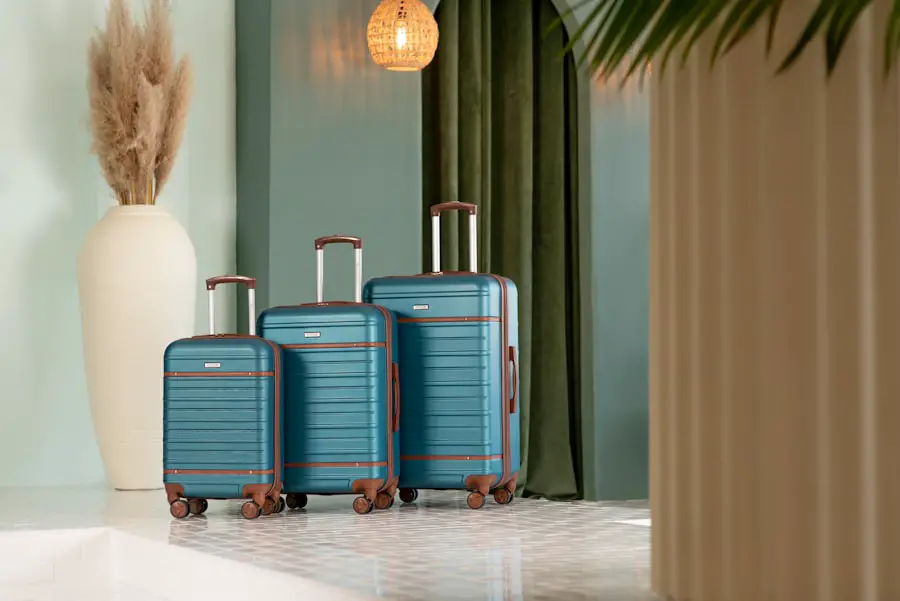
Packing cubes can separate clothing, toiletries, electronics, and undergarments while preventing small items from shifting. Compression bags may create more room, but overcompressing soft luggage can make the packed bag exceed Southwest’s 10-inch depth limit.
Rolling casual clothing can reduce wrinkles and fill narrow spaces. Fold structured clothing, such as dress shirts and jackets, along the natural seams. Place shoes near the wheels and use the empty space inside them for socks or small accessories.
Choose clothing that can be mixed and matched. A neutral pair of pants, a few lightweight tops, and one outer layer usually create more usable combinations than several complete outfits.
Wear your bulkiest shoes and jacket to the airport. Keep medication, identification, chargers, valuables, and one change of clothes where you can reach them without opening the main compartment.
Note: Packing cubes organize a suitcase but do not reduce its outside dimensions. Always measure the fully packed bag.
TSA Liquids and Prohibited Items
Southwest’s size allowance does not override airport-security rules. For ordinary liquids, aerosols, gels, creams, and pastes, follow the TSA 3-1-1 rule:
- Each container may hold no more than 3.4 ounces or 100 milliliters.
- The containers must fit inside one clear, quart-size, resealable bag.
- Each passenger may bring one liquids bag through the checkpoint.
Medically necessary liquids may exceed 3.4 ounces in reasonable quantities. Formula, breast milk, toddler drinks, baby food, and related cooling accessories may also exceed the standard limit. Tell the TSA officer about these items and remove them for separate screening.
Check TSA’s What Can I Bring? database before packing sharp tools, sporting items, chemicals, firearms, or unusual equipment. The final checkpoint decision belongs to TSA.
Power Banks, Chargers, and Lithium Batteries
Warning: Southwest limits each customer to one qualifying power bank effective April 20, 2026. It must travel in the cabin, not in checked baggage. Southwest also directs passengers not to place it in an overhead bin; keep it protected in a personal item under the seat and review the current watt-hour limit before travel.
Spare lithium batteries, portable chargers, e-cigarettes, and battery-powered smart-bag components require special handling. Review Southwest’s lithium-battery and charger policy shortly before departure because battery rules can change.
Protect exposed battery terminals from contact with metal objects. Do not pack a damaged, swollen, recalled, or overheating battery.
Exceptions and Special Carry-On Considerations
| Item | Current Consideration |
| Medication | Disability-related medication does not count toward the bag limit when packed separately from ordinary personal items. |
| Assistive Devices | Wheelchairs and mobility aids receive disability-related handling and are exempt from standard checked-bag fees. |
| Stroller and Car Seat | A ticketed customer traveling with a child may check one stroller and one car seat or child-restraint system free of charge. |
| Musical Instrument | An instrument within the carry-on limit may travel as the carry-on. Larger instruments may require special arrangements, an extra seat, or checked transport. |
| Pet Carrier | An in-cabin pet carrier counts as either the carry-on bag or the personal item and requires the applicable pet fare. |
| Service-Dog Equipment | A separate bag containing only trained service-dog equipment does not count toward the carry-on allowance. |
| Formula and Baby Food | Reasonable quantities may exceed 3.4 ounces but must be declared and screened separately by TSA. |
Do not assume that every medical or special item requires a doctor’s note. Documentation rules depend on the item and how it will be used. Review Southwest’s medication policy or the page for the specific device before traveling.
Travelers carrying large musical instruments, sports equipment, portable oxygen concentrators, battery-powered mobility aids, or other unusual items should contact Southwest before departure. Advance preparation gives the airline time to explain packaging, battery, seating, and handling requirements.
What Happens If Your Carry-On Is Oversized?
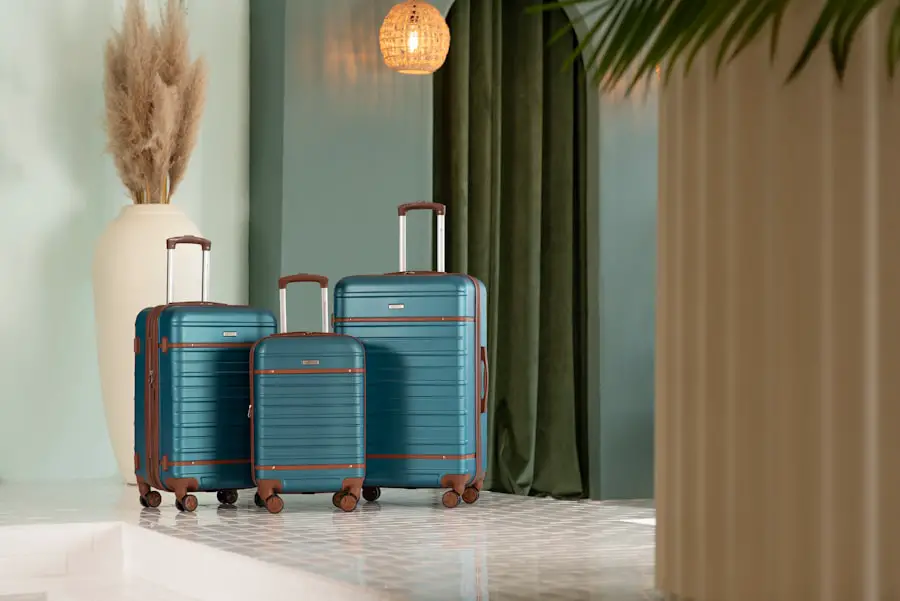
If your bag exceeds 24 × 16 × 10 inches or cannot be safely stowed, Southwest may require you to check it. The bag will normally travel in the aircraft cargo compartment and be collected at baggage claim rather than beside the aircraft.
An applicable checked-bag fee may be charged. The amount depends on your fare, ticket date, route, Rapid Rewards status, credit-card benefits, military eligibility, and other exceptions.
Overhead space is not guaranteed. Even a correctly sized carry-on may occasionally need to be gate-checked when the bins are full. Remove medication, identification, valuables, fragile electronics, keys, and necessary lithium batteries before handing over the bag.
Pro Tip: Pack valuables and one small essentials pouch inside your personal item. You can then gate-check the larger bag without searching through it at the boarding door.
Checked-Bag Alternatives and Current Southwest Fees
Checking a larger suitcase is the most direct alternative to carrying luggage onboard, but Southwest no longer gives every passenger two free checked bags.
For most U.S. mainland itineraries booked, ticketed, or changed on or after April 9, 2026, Southwest lists the following standard one-way charges:
- Basic, Choice, and Choice Preferred: $45 for the first checked bag and $55 for the second.
- Choice Extra: First and second checked bags included.
- A-List Preferred: First and second checked bags included, subject to Southwest’s terms.
- A-List or an eligible Rapid Rewards credit card: The first checked bag may be included.
- Active-duty military: Special baggage exemptions apply with valid identification.
Fees and benefits can change, and Hawaii interisland itineraries have separate pricing. Check Southwest’s Optional Travel Charges page for your itinerary before paying or arriving at the airport.
A standard checked bag may weigh up to 50 pounds and measure up to 62 linear inches, calculated by adding length, width, and height. Overweight, oversized, and additional-bag charges may apply.
Luggage-shipping services are another option for long trips, heavy equipment, or travelers who do not want to handle bags in the airport. Compare the shipping price, insurance coverage, delivery window, and hotel storage policy before choosing this method.
Travelers trying to reduce what they pack may also find useful ideas in these guides to the best travel gifts for women, a compact travel fishing pole, and a portable travel toothbrush. Any product packed for a flight must still meet Southwest and TSA requirements.
Final Southwest Carry-On Checklist
- Confirm that the packed carry-on is no larger than 24 × 16 × 10 inches.
- Include wheels, handles, straps, and full exterior pockets in the measurement.
- Choose one personal item that fits completely under the seat.
- Consolidate purses, crossbody bags, and small pouches into the two permitted items.
- Keep ordinary liquids within the TSA 3-1-1 limit.
- Declare medically necessary liquids, formula, breast milk, and baby food for separate screening.
- Keep required medication, documents, valuables, and electronics in the cabin.
- Follow Southwest’s current power-bank and lithium-battery restrictions.
- Check the current fee page before relying on free checked-bag benefits.
- Leave space for anything you may buy during the trip.
Conclusion and Final Reminders for Southwest Airlines Carry-On Size
Southwest allows one carry-on bag measuring up to 24 × 16 × 10 inches and one smaller personal item at no additional charge. Measure the bag after packing it, including its wheels, handles, and expanded pockets.
Do not confuse the 50-pound checked-bag limit with the carry-on policy. Southwest currently publishes no numeric carry-on weight cap, but your bag must be safe to handle and stow. Review current checked-bag charges, TSA security rules, and special-item policies shortly before departure because these requirements can change.
Frequently Asked Questions
What is the Southwest Airlines carry-on size limit?
The maximum carry-on size is 24 inches long, 16 inches wide, and 10 inches high. Wheels, handles, exterior pockets, and attachments are included in those measurements.
Is there a carry-on weight limit on Southwest?
Southwest currently publishes no numeric weight limit for carry-on bags. The commonly quoted 50-pound limit applies to standard checked luggage. Pack a carry-on you can safely control and stow.
Can I bring a personal item with my carry-on?
Yes. Every ticketed passenger may bring one carry-on and one smaller personal item. The personal item must fit under the seat in front of you.
Does Southwest publish a personal-item size limit?
Southwest’s current public carry-on page says the personal item should fit under the seat but does not provide a separate numeric measurement there. A flexible, compact bag is safer than a rigid bag that barely matches dimensions from an unofficial source.
What happens if my carry-on is too large?
Southwest may require the bag to be checked. Applicable checked-bag fees may apply, and you will normally collect it at baggage claim. Remove medication, valuables, identification, fragile electronics, and required batteries first.
Are Southwest checked bags still free?
Not for every passenger. For most U.S. mainland Basic, Choice, and Choice Preferred itineraries booked, ticketed, or changed on or after April 9, 2026, the first bag costs $45 and the second costs $55 each way. Fare, status, card, military, route, and ticket-date exceptions may apply.
Can I bring a power bank on Southwest?
Yes, subject to Southwest’s current battery rules. Effective April 20, 2026, each customer is limited to one qualifying power bank. It must remain in the cabin, must not be placed in checked luggage, and should be protected and stored in a personal item under the seat.
Which items are prohibited in a Southwest carry-on?
TSA prohibits explosives and many weapons from carry-on luggage and restricts numerous sharp, flammable, chemical, and battery-powered items. Check TSA’s What Can I Bring? database and Southwest’s item-specific rules before packing.
Sources
- Southwest Carry-On and Personal Item Policy — carry-on allowance, dimensions, and personal-item storage.
- Southwest Optional Travel Charges — current checked-bag fees and benefit exceptions.
- Southwest Medication Policy — medication and disability-related bag allowances.
- Southwest Stroller and Child Items Policy — stroller and child-restraint allowances.
- Southwest Lithium Battery and Power Bank Policy — cabin storage and battery restrictions.
- TSA What Can I Bring? — liquids, prohibited items, medications, and infant-food screening rules.
