
Last Updated on July 25, 2026 by Daniel Globe
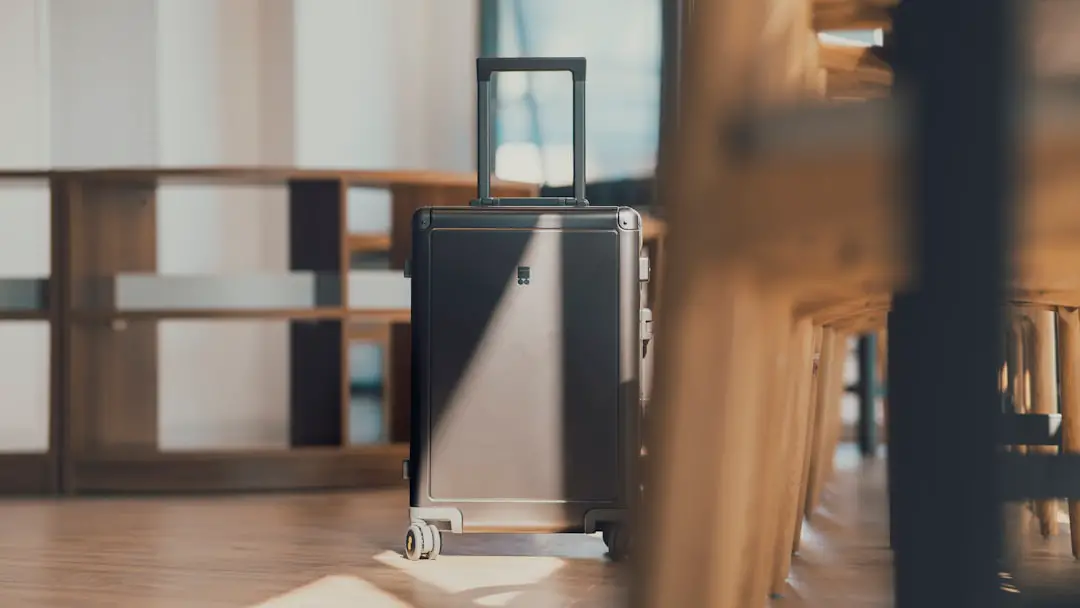
Southwest Airlines lets each ticketed passenger bring one carry-on bag and one personal item onboard at no extra charge. The key is to measure the bag’s full exterior, including wheels, handles, and pockets, and to pack it so it can be stowed safely. The rules below reflect Southwest’s current published policies and important TSA and battery requirements.
Quick Answer
Southwest Airlines’ carry-on size limit is 24 x 16 x 10 inches, including wheels, handles, and attachments. You may also bring one personal item that fits under the seat in front of you. Southwest does not publish a separate carry-on weight limit, but you should be able to lift and stow the bag safely.
Key Takeaways
- The maximum carry-on dimensions are 24 x 16 x 10 inches, or about 61 x 41 x 25 cm.
- The size includes wheels, handles, side pockets, straps, and other attachments.
- One carry-on bag and one personal item are included at no extra charge.
- A personal item must fit under the seat; Southwest’s current general policy does not list one universal personal-item measurement.
- Effective April 20, 2026, Southwest limits each customer to one power bank of no more than 100 Wh and requires it to stay under the seat, not in an overhead bin.
At a Glance
| Time Required | About 5 minutes |
| Difficulty | Easy |
| Tools Needed | Tape measure and, if available, a luggage scale |
| Cost | $0 to measure; one carry-on and one personal item are free |
Disclosure: As an Amazon Associate I earn from qualifying purchases. Some links on this page are affiliate links, at no extra cost to you.
Southwest Airlines Carry-On Size and Allowance
According to Southwest Airlines’ carry-on policy, each ticketed customer may bring one carry-on bag and one personal item onboard.
| Item | Current Rule | Where It Goes |
| Carry-on bag | Maximum 24 x 16 x 10 inches, including attachments | Overhead bin |
| Personal item | Must fit completely under the seat in front of you | Under the seat |
| Carry-on weight | No separate published weight cap on Southwest’s current carry-on policy page | Pack only what you can handle and stow safely |
| Allowance cost | One carry-on plus one personal item at no extra charge | Subject to space and safety requirements |
Understanding the Carry-On Dimensions
The Southwest carry-on limit is generous compared with many common domestic bag sizes, but every external part counts. Measure the bag at its widest and tallest points after packing it. Wheels, fixed handles, telescoping-handle housings, straps, and bulging pockets can push an otherwise compliant suitcase over the limit.
The dimensions may also be written as 10 x 16 x 24 inches. The order does not change the physical limit, but the bag’s three outside measurements must each stay within the allowed 24-inch, 16-inch, and 10-inch maximums.
Note: Soft-sided bags can compress, but do not depend on forcing an overpacked bag into a sizer or overhead bin. Measure it in the same packed condition in which you plan to travel.
Tips for Choosing the Right Carry-On Bag

Selecting the right bag can make boarding and packing easier. Start with the external dimensions rather than the manufacturer’s marketing label. A suitcase sold as “carry-on size” may still be too large for a particular airline once its wheels and handles are included.
- Choose a light empty bag: A lighter shell leaves more usable capacity and is easier to lift.
- Check the full measurements: Look for dimensions that include wheels and handles.
- Use practical organization: Compartments can separate documents, electronics, toiletries, and clothing.
- Inspect durability: Test zippers, wheel mounts, handles, seams, and corners before travel.
- Avoid unnecessary bulk: Oversized exterior pockets and thick decorative trim can reduce usable space.
Nylon and polyester soft-sided bags can be flexible and light, while hard-shell bags can protect fragile contents. Either type is acceptable when it stays within Southwest’s size limit and can be stowed safely.
How to Measure Your Carry-On Bag
Use a rigid ruler or tape measure and check the bag only after it is fully packed. Place it upright on a flat surface, close every zipper, and retract the telescoping handle.
- Measure the longest side: Measure from the farthest point at one end to the farthest point at the other, including wheels or handles. It must not exceed 24 inches.
- Measure the width: Check the widest side-to-side point, including pockets and attachments. It must not exceed 16 inches.
- Measure the depth: Measure from front to back at the thickest point. It must not exceed 10 inches.
- Recheck bulging areas: Compressible fabric does not help if the packed bag remains too large.
- Photograph the measurements: A quick photo can help you remember the bag’s packed size before future trips.
| Measurement | Southwest Maximum |
| Longest external dimension | 24 inches |
| Second external dimension | 16 inches |
| Third external dimension | 10 inches |
| Total linear inches | Not the controlling carry-on test; each individual dimension must fit |
| Weight | No separate published carry-on weight limit |
Pro Tip: Leave a little space instead of packing to the absolute limit. Souvenirs, a jacket, or an expanded pocket can make the bag larger on the return trip.
What Happens If Your Carry-On Is Too Large?
Southwest asks customers with an oversized bag, or more than one carry-on and one personal item, to check the extra item at the ticket counter before going to the gate. If the problem is discovered later, an agent may require the bag to be checked.
A checked-bag charge may apply depending on your fare, Rapid Rewards status, eligible credit-card benefits, and the reason the bag is checked. Southwest’s baggage policy changed in 2025, so the older assumption that every passenger receives two free checked bags is no longer accurate. Review the airline’s current optional travel charges before departure.
Warning: Do not place medication, identification, keys, travel documents, valuables, power banks, spare lithium batteries, or e-cigarettes in a bag that may be checked. Move these items to your personal item before handing the bag to an agent.
Additional Items and Special Carry-On Situations
Southwest’s standard allowance covers one carry-on bag and one personal item. Some travel situations have separate rules:
- Neck pillow: Southwest states that a neck pillow does not count toward the carry-on limit.
- Pet carrier: A pet carrier counts as either your carry-on bag or your personal item. Southwest lists separate pet-carrier measurements, so do not use pet-carrier dimensions as the general personal-item limit.
- Child restraint system: When a child has a purchased seat, an FAA-approved car seat used during the flight does not count toward the carry-on limit.
- Stroller and car seat: A ticketed customer traveling with a child may check one stroller and one car seat or child-restraint system without a standard checked-bag charge.
- Assistive devices: Mobility aids and disability-related assistive devices follow accessibility rules rather than the ordinary carry-on allowance.
- Partner-airline itinerary: Another airline’s size and item limits may apply to its flight segment, even when the trip was booked through Southwest.
Southwest Airlines’ Personal-Item Policy
Your personal item must fit completely under the seat in front of you. Common examples include a purse, briefcase, laptop case, small backpack, blanket, pillow, or small camera bag.
Southwest’s current general carry-on policy uses the under-seat fit test rather than publishing one universal personal-item dimension. Under-seat space can vary by aircraft and seat location, so a compact, flexible bag is safer than a rigid bag packed to an assumed measurement.
The safest personal item is one that closes fully, keeps the floor area clear, and slides under the seat without blocking your feet or the aisle.
Use your personal item for anything you may need during the flight, such as identification, medication, headphones, a charger cable, snacks, and a light layer. This also keeps essential items with you if your larger carry-on must be checked.
Checking a Carry-On Bag at the Gate
A compliant carry-on may still be checked when overhead-bin space is limited, while an oversized bag may be checked because it does not meet the policy. The handling process and any applicable charge can differ, so follow the gate agent’s instructions and confirm where the bag will be returned after landing.
Before surrendering the bag, remove valuables and all items that are prohibited in checked luggage. The FAA advises passengers to remove spare batteries and lithium-battery-powered items that must remain in the cabin when a bag is gate-checked.
Warning: Southwest’s rule effective April 20, 2026 allows only one power bank per customer. It must be 100 Wh or less, kept in the cabin, stored under the seat rather than in an overhead bin, visible while in use, and not charged from the aircraft’s in-seat power.
TSA Liquids, Food, Batteries, and Prohibited Items
Airline bag dimensions and TSA security rules are separate. A bag can meet Southwest’s size limit but still contain an item that cannot pass through the security checkpoint.
- Liquids, gels, aerosols, creams, and pastes: Follow the TSA 3-1-1 rule: containers of 3.4 ounces or 100 mL or less, packed in one clear quart-size zip-top bag, with one bag per passenger.
- Medication and medically necessary liquids: TSA permits medically necessary liquids above 3.4 ounces, but they should be declared and screened separately.
- Solid food: Most solid foods are allowed in carry-on baggage, although they may require extra screening. Liquid or gel foods are subject to the liquids rule.
- Power banks and spare lithium batteries: These belong in the cabin, not checked baggage. Protect exposed terminals from short circuits.
- Sharp, flammable, explosive, or hazardous items: Check the TSA “What Can I Bring?” list and Southwest’s hazardous-material guidance before packing.
For lithium-ion batteries, the FAA’s PackSafe guidance generally limits ordinary spare batteries to 100 Wh. Batteries from 101 to 160 Wh require airline approval, while larger batteries are generally forbidden on passenger aircraft.
How to Pack Efficiently for a Southwest Flight
Start with a short packing list based on the trip length, weather, and planned activities. Place heavy items near the wheel end of a rolling suitcase, fill shoes with small soft items, and use packing cubes only when they improve organization rather than encourage overpacking.
- Roll or neatly fold clothing to reduce wasted space and wrinkles.
- Wear the bulkiest jacket or shoes when practical.
- Keep the TSA liquids bag near the top for screening.
- Put medication, documents, electronics, and one change of clothes in your personal item.
- Leave power banks and spare lithium batteries accessible and protected.
- Do not expand the suitcase unless the expanded measurements still fit 24 x 16 x 10 inches.
- Weigh the bag for your own comfort even though Southwest does not publish a separate carry-on weight cap.
Common Carry-On Questions Before You Pack
Hard-shell suitcases and soft-sided duffels are both acceptable when their packed exterior dimensions comply. A soft bag may fit irregular spaces more easily, but it is not exempt from the size limit. A hard-shell bag offers more structure but may have less flexibility if it is packed too tightly.
Food is generally permitted, but its form matters. Solid snacks usually travel in carry-on baggage, while sauces, spreads, drinks, and other liquid or gel foods must follow the TSA liquids rule unless a specific exception applies.
Built-in charging features also require attention. A “smart bag” with a removable lithium battery may need the battery removed before the bag is checked or stored. Check both Southwest and FAA requirements for the exact battery type and capacity.
Conclusion and Final Tips for Traveling With Southwest Airlines
For a smooth trip, remember the three numbers: 24 x 16 x 10 inches. Measure the fully packed bag, include every wheel and handle, and keep the personal item small enough to fit under the seat. Pack documents, medication, valuables, and battery items where they remain accessible.
Rules and fees can change, especially for checked bags, batteries, and partner-airline itineraries. Recheck Southwest’s official policy shortly before departure, and arrive prepared to move essential items if a carry-on must be checked.
For more luggage ideas, see 5 Must-Have Softside Carry-On Luggage With Wheels for Spring 2025. Confirm each product’s complete external measurements before relying on it for a Southwest flight.
Frequently Asked Questions
What is the carry-on size for Southwest Airlines?
The maximum carry-on size is 24 x 16 x 10 inches. Wheels, handles, pockets, and other attachments are included in those measurements.
Does Southwest have a carry-on weight limit?
Southwest’s current carry-on policy page does not publish a separate weight limit. Pack the bag so you can handle it safely and it can be stowed in the overhead bin.
Can I bring a personal item in addition to my carry-on?
Yes. Each ticketed customer may bring one carry-on bag and one personal item at no extra charge. The personal item must fit under the seat in front of you.
What happens if my carry-on exceeds Southwest’s size limit?
Southwest may require the bag to be checked. An applicable checked-bag fee may depend on your fare, status, credit-card benefit, and why the bag is being checked.
What size can a Southwest personal item be?
Southwest’s current general policy does not list one universal personal-item measurement. It says the item must fit under the seat in front of you. Choose a compact bag because under-seat space can vary.
Can I put a power bank in my Southwest carry-on?
Yes, but Southwest’s rule effective April 20, 2026 permits only one power bank per customer, limited to 100 Wh. It must stay under the seat, cannot go in checked baggage or an overhead bin, cannot be charged onboard, and must remain visible while in use.
Are food and drinks allowed in a Southwest carry-on?
Most solid foods are allowed, but drinks and liquid or gel foods generally must follow TSA’s 3-1-1 liquids rule. Exceptions exist for medically necessary liquids and certain infant or child items.
What items are prohibited in carry-on luggage?
Weapons, explosives, many flammable materials, and other hazardous items are restricted or prohibited. Because rules vary by item, check TSA’s “What Can I Bring?” tool and Southwest’s hazardous-material policy before packing.
Sources
- Southwest Airlines Carry-On and Personal Item Policy — carry-on dimensions, personal-item placement, allowance, pet-carrier counting, and partner-airline note.
- Southwest Airlines Optional Travel Charges — current carry-on allowance and checked-bag fee conditions.
- Southwest Airlines Battery and Power-Bank Rules — the April 20, 2026 power-bank requirements.
- Transportation Security Administration Travel Tips — the 3-1-1 liquids rule and medical-liquid guidance.
- FAA PackSafe: Lithium Batteries — lithium-battery capacity, packing, and gate-check safety rules.
- Southwest Airlines Stroller and Child Items Policy — car-seat and stroller allowances.
