Last Updated on July 30, 2026 by Daniel Globe
Sonoma County combines vineyards, redwood forests, small towns, farm-driven restaurants, and more than 50 miles of Pacific coastline. The key to an easy trip is choosing one part of the county as your base, grouping each day by location, reserving high-demand tastings early, and leaving enough time for meals, parks, and unplanned stops.
Quick Answer
Plan three to five days for Sonoma County. Visit in spring for green hills and blooms or in fall for harvest energy. Choose one geographic base, limit wine tasting to two or three stops a day, reserve special experiences early, and arrange a sober driver whenever your day includes alcohol.
Key Takeaways
- Sonoma County is much larger than the city of Sonoma, so organize your itinerary by region rather than driving across the county every day.
- Spring and fall offer comfortable conditions, while summer brings higher demand and winter brings cooler weather, rain, and a quieter pace.
- Reserve food pairings, historic-estate visits, and small-production winery experiences in advance.
- Public transportation serves cities and towns, but most rural wineries are easiest to reach by car, guided tour, or hired driver.
- Never drive after drinking. Choose a designated driver or arrange transportation before the first tasting.
Trip at a Glance
| Recommended Stay | 3 days for Sonoma Valley highlights; 4–5 days for redwoods, the Russian River area, or the coast |
| Best Seasons | Spring for green landscapes and flowers; fall for harvest activity and warm afternoons |
| Daily Tasting Pace | 2–3 wineries, with food, water, and travel time between reservations |
| Best Transportation | Rental car for general sightseeing; designated driver, private driver, or guided tour for tasting days |
| Reservation Priority | Winery food pairings, small tasting rooms, weekend dinners, lodging, and spa appointments |
| What to Pack | Layers, comfortable walking shoes, sun protection, refillable water bottle, and a light windproof or rain jacket |
Disclosure: As an Amazon Associate I earn from qualifying purchases. Some links on this page are affiliate links, at no extra cost to you.
Know the Difference: Sonoma, Sonoma Valley, and Sonoma County
The names sound interchangeable, but they describe different areas. The city of Sonoma surrounds Sonoma Plaza in the southeastern part of the county. Sonoma Valley includes Sonoma, Glen Ellen, Kenwood, and nearby wine country. Sonoma County stretches much farther north and west to Santa Rosa, Sebastopol, Healdsburg, Guerneville, Bodega Bay, and Jenner.
- Stay near Sonoma Plaza for walkable restaurants, historic attractions, downtown tasting rooms, and easy access to southern Sonoma Valley.
- Stay in Glen Ellen or Kenwood for a quieter wine-country setting near Jack London State Historic Park and Highway 12 wineries.
- Stay in Santa Rosa or Sebastopol for central access to the Russian River Valley, redwoods, urban restaurants, and western Sonoma County.
- Stay in Healdsburg for northern wine regions, a walkable plaza, and destination dining.
- Stay near Bodega Bay or Jenner when the coast is the focus rather than a brief day trip.
Note: Driving distances that look short on a map can take longer on two-lane roads. Avoid combining Sonoma Valley, Healdsburg, the Russian River, and the coast in one rushed day.
When to Visit Sonoma and How Long to Stay
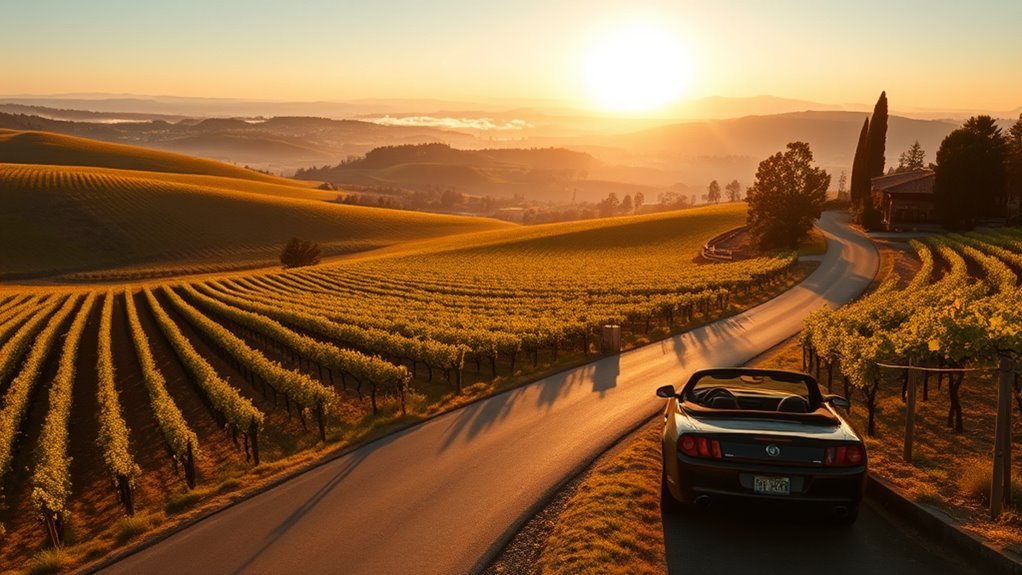
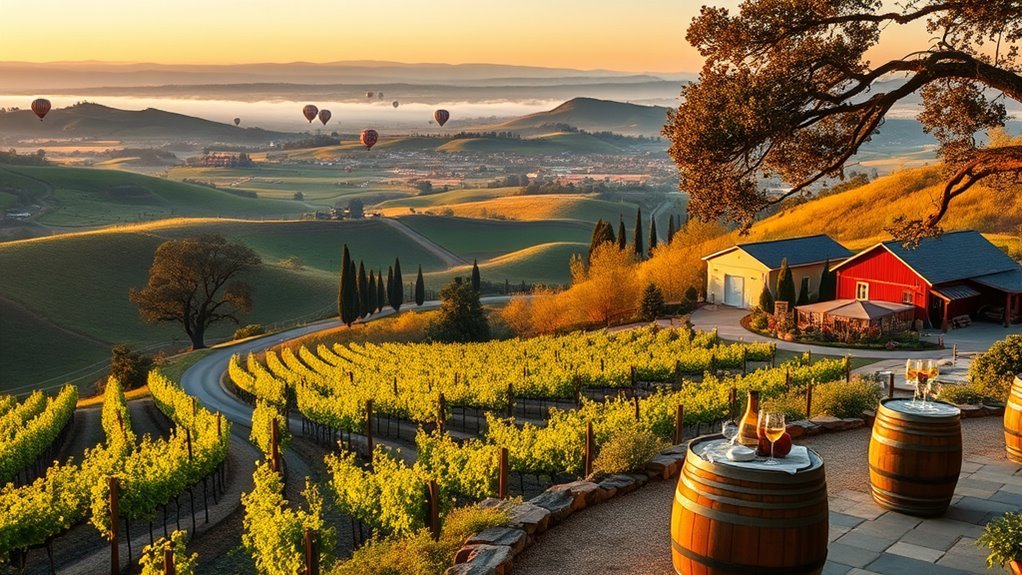
The best time to visit depends on whether you value green scenery, warm weather, harvest activity, lower prices, or fewer people. The official Sonoma County seasonal guide identifies spring as March through May, summer as June through August, and fall as September through November.
Spring: Green Hills and Comfortable Hiking
Spring brings green landscapes, wildflowers, and generally comfortable conditions for hiking, cycling, and outdoor tastings. Rain is still possible, especially earlier in the season, so pack a light waterproof layer.
Summer: Long Days and Higher Demand
Summer offers long daylight hours, busy patios, river activities, and cooler escapes along the coast. Inland afternoons can be hot, while Bodega Bay and Jenner may be foggy and much cooler. Reserve lodging, weekend dinners, and winery experiences early.
Fall: Harvest Energy
Fall is harvest season, but grape-picking dates vary by variety, site, and weather. Harvest can begin in August and continue into October. Expect active vineyards, seasonal menus, warm afternoons, and strong demand around popular events.
Winter: Quiet Roads and Cooler Weather
Winter is usually quieter and can offer better lodging value, but rain, fog, shorter daylight hours, and reduced operating schedules are possible. Confirm winery, restaurant, and park hours before setting out.
Three days is enough for a focused Sonoma Valley trip. Four days allows time for either the coast or the Russian River area. Five days gives you space to combine wine, redwoods, restaurants, and coastal scenery without spending the entire trip in a car.
Pro Tip: Treat the coast and inland wine country as different climates. Keep an extra layer in the car even when the forecast for Sonoma or Santa Rosa looks warm.
Getting to Sonoma County and Getting Around

Sonoma County is accessible through its regional airport, Bay Area airports, highways, buses, airport shuttles, and SMART rail. A car remains the most flexible option for rural wineries, state parks, and the coast, but you do not need to drive yourself on wine-tasting days.
Airport Options Nearby
Charles M. Schulz–Sonoma County Airport (STS) in Santa Rosa is the closest commercial airport for much of the county. Its nonstop destinations and schedules change, so check the airport’s current airline list before booking.
San Francisco International Airport (SFO) and Oakland International Airport (OAK) offer broader flight networks. The official Sonoma County transportation guide estimates roughly 1.5 hours to the county under typical conditions, but traffic and your final destination can increase the trip substantially.
Renting a Car
A rental car is useful when your plan includes rural wineries, Jack London State Historic Park, Armstrong Redwoods, Bodega Bay, or Jenner. Rental agencies operate at STS and the larger Bay Area airports. Compare the total rate, mileage rules, fuel policy, cancellation terms, and one-way fees rather than selecting a vehicle based only on the advertised daily price.
Do not assume that every lodging property includes free parking. Confirm parking costs, electric-vehicle charging, and overnight restrictions before booking.
Public Transit and Airport Shuttles
Sonoma County Transit connects many towns, including Santa Rosa, Sonoma Valley, Petaluma, Sebastopol, the Russian River area, and northern communities. It is useful for town-to-town travel, but routes do not serve most rural winery entrances.
SMART provides rail service through the Highway 101 corridor. The SMART Airport Station connects with a local SMART Connect shuttle to STS during its operating hours. SMART does not serve the city of Sonoma, Bodega Bay, or the rural Sonoma Valley winery corridor.
Scheduled airport transportation, including Groome Transportation, operates between Sonoma County stops and SFO or OAK. Check the current pickup point, schedule, fare, luggage policy, and required connection to your hotel.
Transportation for Wine-Tasting Days
For tastings, choose a designated driver, private driver, guided wine tour, taxi, or rideshare. Rideshare service exists in populated areas, but waits can be long in rural areas and late in the day. Arrange your return trip before traveling to a remote winery.
Warning: Never drive after drinking alcohol. Plan a sober ride before your first tasting. A rental car is useful for sightseeing only when the driver will remain alcohol-free.
Where to Stay: Hotels, Inns, and Unique Stays

Choose lodging by geography before comparing pools, spas, room styles, or nightly rates. A beautiful hotel can become inconvenient if it forces you to drive an hour in each direction for the activities you booked.
Choose a Base That Matches Your Itinerary
| Sonoma Plaza | Best for walkable restaurants, historic attractions, downtown tasting rooms, and first-time Sonoma Valley visits |
| Glen Ellen or Kenwood | Best for a quieter valley atmosphere, Highway 12 wineries, and Jack London State Historic Park |
| Santa Rosa or Sebastopol | Best for central county access, Russian River Valley wineries, redwoods, and western Sonoma County |
| Healdsburg | Best for northern wine regions, a walkable town center, and destination restaurants |
| Bodega Bay or Jenner | Best for coastal walks, ocean views, kayaking, seafood, and a slower nature-focused trip |
Historic and Full-Service Retreats
MacArthur Place Hotel & Spa combines landscaped grounds, a spa, and on-site dining at Layla near Sonoma Plaza. It suits travelers who want a resort-like stay without being isolated from downtown Sonoma.
The Lodge at Sonoma offers a spa, heated outdoor pool, bicycles, and shuttle service to Sonoma Plaza. It is a practical option for travelers who want full-service amenities near the southern end of Sonoma Valley.
Cozy Boutique Inns
Kenwood Inn & Spa offers a more secluded valley setting with Mediterranean-inspired architecture and spa facilities. Gaige House in Glen Ellen is another intimate option near restaurants, tasting rooms, and Jack London State Historic Park.
| MacArthur Place | Landscaped estate, spa, Layla restaurant, and access to Sonoma Plaza |
| The Lodge at Sonoma | Full-service spa, pool, bicycles, and a shuttle to Sonoma Plaza |
| Kenwood Inn & Spa | Quiet valley setting, Mediterranean-inspired design, and spa facilities |
| Gaige House | Intimate Glen Ellen base near restaurants, wineries, and park access |
Unique Vacation Rentals
Vacation rentals range from small guesthouses and downtown apartments to vineyard cottages and larger homes. They can work well for families, groups, longer stays, and travelers who want a kitchen or laundry facilities.
Do not rely on a fixed countywide nightly-price estimate. Rates vary sharply by town, season, property size, event dates, cleaning charges, and minimum-stay rules. Compare the complete price after fees, verify local registration details, read parking and noise rules, and confirm whether outdoor amenities are private or shared.
The Best Restaurants and Local Dining Picks

Sonoma County dining ranges from casual bakeries and wine bars to tasting menus and polished hotel restaurants. Select restaurants near that day’s activities rather than driving across the county for every meal.
- Valley Bar + Bottle Shop: A restaurant, wine bar, and bottle shop near Sonoma Plaza with seasonal menus. Reservations are encouraged for brunch and dinner, while some walk-in seating may be available.
- Layla: The restaurant at MacArthur Place serves seasonal, farm-focused food for breakfast, lunch, brunch, and dinner on selected days.
- Glen Ellen Star: A dinner destination known for wood-fired cooking, vegetables, pizza, and pasta. Reserve ahead, especially on weekends.
- The Girl & the Fig: A long-running Sonoma Plaza restaurant with French-inspired food, seasonal dishes, and a Rhône-focused wine list.
- The Spinster Sisters: A useful Santa Rosa choice when your itinerary is centered on the city, Trione-Annadel State Park, or the Russian River side of the county.
Note: Older Sonoma guides may still direct readers to book Animo through Instagram. Its former Sonoma Highway location closed, so verify whether a current location is operating before including it in an itinerary. Restaurant days, hours, and reservation platforms can also change with little notice.
Top Wineries and Tasting Experiences

Sonoma County contains more than 425 wineries across 18 wine regions, from small family operations to large estates. According to Sonoma County Vintners, 99% of the county’s vineyard acreage is certified sustainable. That figure describes vineyard acreage, not 99% of individual wineries.
Sonoma County is home to more than 425 wineries, while 99% of its vineyard acreage is certified sustainable.
Reservation-First Experiences
- Three Sticks Wines: Offers appointment-only tastings at the historic Vallejo-Casteñada Adobe in downtown Sonoma. Group sizes are limited.
- Gloria Ferrer Reserve Expedition: Features vintage sparkling wines and extended-tirage library selections in a guided tasting.
- Abbot’s Passage Winery & Mercantile: Offers tastings and seasonal food pairings in Glen Ellen. Reserve the specific experience you want rather than assuming all visits include a meal.
- Scribe Winery: Currently limits estate visits to members of its wine society. Confirm eligibility before planning a stop.
Walk-In Options
Some Sonoma County tasting rooms accept walk-ins, but the list changes with staffing, private events, and seasonal demand. Consult the official walk-in winery guide and call on the day of your visit.
Kunde Family Winery and other large estates may offer a mix of scheduled and more flexible experiences, but do not assume that a particular tour, cave visit, food pairing, or seating area is available without a reservation.
How Many Wineries Should You Visit Per Day?
Two or three wineries is a comfortable daily pace. A seated tasting can last 60–90 minutes, and food pairings or estate tours may take longer. Leave time for travel, water, lunch, checking in, and purchasing or shipping wine.
Warning: Wine tasting can impair driving even when pours seem small. Use a sober designated driver, hired driver, guided tour, taxi, or rideshare. Do not rely on “feeling fine” as a measure of safe driving.
Outdoor Activities, Parks, and Coastal Excursions
Sonoma County’s outdoor options include oak woodland, redwood groves, mountain-bike trails, river access, coastal bluffs, beaches, and wildlife habitat. Check official park conditions on the morning of your visit because fire operations, storms, fallen trees, flooding, and maintenance can affect access.
Sonoma Valley and Glen Ellen
- Sonoma Valley Regional Park: Offers several miles of trails, including a paved route through oak woodland. It is a practical choice for a shorter walk or bike ride.
- Jack London State Historic Park: Combines historic ranch buildings, museum exhibits, forest, and more than 26 miles of trails. Choose a short historic walk or a longer hike into the surrounding hills.
Santa Rosa and the Russian River Area
- Trione-Annadel State Park: Provides more than 40 miles of varied trails for hiking, mountain biking, running, and horseback riding. Carry a trail map and select a route that matches your fitness and available daylight.
- Armstrong Redwoods State Natural Reserve: Protects an accessible grove of coast redwoods near Guerneville. Check the official page for current trail closures, hours, parking, and dog restrictions.
Bodega Bay and Jenner
Bodega Bay is a useful base for coastal walks, seafood, paddling, birdwatching, and access to Sonoma Coast State Park. Farther north, Jenner Headlands Preserve covers thousands of acres and offers ocean views, wildlife habitat, and a network of trails.
For tidepools, check the tide forecast and stay on stable, exposed rock. Do not remove animals, shells, plants, or rocks, and avoid turning over stones that shelter marine life.
Warning: Sonoma Coast beaches can have cold water, strong shore breaks, rip currents, and sudden waves. Swimming and wading are not recommended at many locations. Never turn your back on the ocean, and remain well above the highest wet-sand line.
Day-by-Day Sample Itineraries for 3–5 Days
These itineraries group stops by region to reduce backtracking. Confirm every tasting, restaurant, park, and driving time before departure.
Three-Day Sonoma Valley Itinerary
Day 1: Sonoma Plaza and Local Dining
- Arrive and check in near Sonoma Plaza or in Glen Ellen.
- Walk around Sonoma Plaza and visit its historic sites, shops, and downtown tasting rooms.
- Dine at Valley Bar + Bottle Shop, Layla, or The Girl & the Fig.
Day 2: Sonoma Valley Wine
- Book two reservation-based winery experiences, such as Three Sticks and Gloria Ferrer.
- Consider Wellington Cellars or St. Anne’s Crossing when their current offerings and location fit your route.
- Use a designated driver or arranged wine-tour transportation.
- Finish with dinner in Sonoma, Glen Ellen, or Kenwood.
Day 3: Glen Ellen and Jack London State Historic Park
- Spend the morning exploring the historic sites or trails at Jack London State Historic Park.
- Have lunch or a relaxed tasting in Glen Ellen.
- Reserve dinner at Glen Ellen Star.
Four-Day Itinerary With the Coast
Follow the three-day Sonoma Valley plan, then add a full coastal day.
Day 4: Bodega Bay and Jenner
- Leave early and drive to Bodega Bay.
- Walk a signed bluff or beach trail at Sonoma Coast State Park.
- Stop for seafood or a picnic.
- Continue to Jenner Headlands Preserve if weather, daylight, and trail conditions allow.
- Return before dark or stay overnight on the coast to avoid a long evening drive.
Five-Day Itinerary With Redwoods and the Russian River Area
Add a fifth day in western or central Sonoma County rather than returning immediately to Sonoma Valley.
Day 5: Santa Rosa, Sebastopol, and Redwoods
- Walk among the redwoods at Armstrong Redwoods State Natural Reserve.
- Have lunch in Guerneville, Sebastopol, or Santa Rosa.
- Visit Dutton Estate Winery only if its current reservation options fit a western Sonoma County route.
- Choose dinner at The Spinster Sisters or another Santa Rosa restaurant.
Pro Tip: Do not pair Armstrong Redwoods with Gloria Ferrer unless you are comfortable spending several hours driving. Place Gloria Ferrer on a Sonoma Valley day and Armstrong Redwoods on a Russian River or western-county day.
Practical Tips: Reservations, Packing, and Travel Resources
Make Reservations Strategically
Reserve the experiences that would be difficult to replace: small tasting rooms, winery meals, historic-estate tours, weekend dinners, spa appointments, and lodging during events. Leave at least one flexible period for a walk-in tasting, farmers market, gallery, or scenic stop.
Review cancellation and late-arrival rules. Many winery experiences begin with a hosted introduction, and arriving late can shorten or cancel the visit.
Pack for Microclimates
Bring breathable clothing, a warm midlayer, a windproof or waterproof outer layer, comfortable walking shoes, sun protection, and a refillable water bottle. Coastal fog and wind can make Bodega Bay or Jenner feel much colder than inland Sonoma Valley on the same day.
Plan a Realistic Budget
Build your budget around lodging, transportation, tasting fees, meals, parking, park entry, gratuities, and wine purchases. Premium food pairings, private drivers, weekend lodging, and spa treatments can raise costs quickly.
Commercial services such as Priority Wine Pass, Skyscanner, Booking.com, Discover Cars, World Nomads, and SafetyWing may appear in trip-planning searches. They are optional third-party businesses rather than official Sonoma County resources. Compare their current prices, exclusions, refund rules, insurance coverage, and direct-booking alternatives before purchasing.
Check Current Conditions
Before leaving each morning, review weather, air quality, road conditions, park alerts, and the official pages for your reserved businesses. Wildfire prevention work, prescribed burns, storms, private events, staffing changes, and seasonal schedules can affect access.
Save digital copies of reservations and identification, download an offline map, and keep phone numbers for lodging and reservation providers. Mobile service can weaken in rural valleys, redwood areas, and along parts of the coast.
Frequently Asked Questions
Are there family-friendly wineries with activities for children?
Yes, some Sonoma County wineries welcome children and offer lawns, picnic areas, games, gardens, or farm animals. Policies vary, and children may not be allowed in every tasting room, cave, tour, or food-pairing experience. Confirm the age policy and available activities directly with the winery before reserving.
Can I bring my dog to winery tastings and grounds?
Some wineries welcome leashed dogs in outdoor areas, but indoor access, food-service areas, tours, and special events may have different rules. Ask whether a reservation is required for a dog-friendly patio, and bring water, waste bags, and a short leash.
Where can I find Sonoma wine festivals and event calendars?
Start with Sonoma County Tourism, the Sonoma Valley Visitors Bureau, Sonoma County Vintners, individual winery calendars, and local city event pages. Confirm the event date, ticket source, age restrictions, parking plan, and transportation before buying.
Are there accessible tours for visitors with mobility limitations?
Yes, verified accessible hotels, wineries, restaurants, parks, and experiences are available, but features differ. Review the official Sonoma County accessible-travel guides and ask about parking, slopes, door widths, restrooms, elevators, seating, vehicle steps, and trail surfaces before booking.
What local souvenirs or wines make good gifts?
Popular choices include Sonoma County pinot noir, chardonnay, zinfandel, sparkling wine, olive oil, honey, cheese, preserves, ceramics, and locally made kitchen goods. Ask a winery about shipping restrictions and temperature-safe delivery before carrying or mailing wine.
How many wineries should I visit in one day?
Two or three wineries is enough for most visitors. This pace allows 60–90 minutes per tasting, travel time, lunch, water breaks, and a relaxed conversation with winery staff. Limit the schedule further when booking a tour or food pairing.
Can I visit Sonoma County without renting a car?
Yes, but the itinerary must be planned carefully. SMART and local buses connect several towns, and airport shuttles serve selected stops. Rural wineries, the coast, and many parks remain difficult to reach without a car, tour, hired driver, taxi, or rideshare.
Conclusion
A successful Sonoma County trip is less about fitting in the greatest number of wineries and more about choosing a manageable region each day. Reserve the experiences that matter most, keep wine-tasting days to two or three stops, arrange sober transportation, and leave time for redwoods, coastal scenery, historic towns, and long meals. With a well-chosen base and a flexible three- to five-day plan, you can experience the county without turning the vacation into a driving marathon.
Sources
- Sonoma County Tourism: Seasons of Sonoma County — seasonal timing and general trip-planning guidance
- Sonoma County Tourism: How to Get to Sonoma County — airports, approximate travel times, shuttles, and regional transportation
- Sonoma County Tourism: Facts About Sonoma Wine Country — winery count and wine-region overview
- Sonoma County Vintners: Wine Community Impact — certified-sustainable vineyard acreage
- California State Parks: Jack London State Historic Park — trail mileage, historic features, and park information
- California State Parks: Sonoma Coast State Park — coastal access, wildlife rules, dangerous-surf guidance, and current conditions