
Last Updated on July 30, 2026 by Daniel Globe
Carmel-by-the-Sea packs a beach, storybook lanes, art galleries, tasting rooms, historic sites, and excellent restaurants into a compact village. The best trips combine unhurried time downtown with one or two nearby outings, especially Point Lobos State Natural Reserve and 17-Mile Drive. This guide covers when to go, where to stay, what to book, current fees and rules, family options, and realistic itineraries for a weekend or three-day visit.
Quick Answer
Plan two or three days in Carmel-by-the-Sea. Spend one day walking the village, Carmel Beach, galleries, and Carmel Mission; reserve half a day for Point Lobos; then add 17-Mile Drive, Carmel Valley wine tasting, or the Monterey Bay Aquarium. A car is useful for side trips but not essential for a village-only stay.
Key Takeaways
- Fall often brings Carmel’s clearest, sunniest weather; summer can be cool and foggy near the coast.
- Stay near Ocean Avenue for a walkable trip, or choose Carmel Point or Carmel Valley for more space and quiet.
- Arrive early at Point Lobos because parking is limited, and review its strict rules before bringing food, bikes, or pets.
- Carmel Beach allows off-leash dogs under voice control, but the Scenic Pathway and the rest of town require leashes.
- Book popular dinners, weekend lodging, and major attractions before arrival, especially during festivals and Monterey Car Week.
Disclosure: As an Amazon Associate I earn from qualifying purchases. Some links on this page are affiliate links, at no extra cost to you.
Planning Your Carmel Trip: When to Visit, Getting There, and Practical Tips
Best Time to Visit Carmel-by-the-Sea
Carmel has a mild coastal climate, but the seasons do not follow the pattern many visitors expect. Summer is popular and usually dry, yet July through September can bring morning fog and cool ocean air. Fall is often the sunniest period, with clearer days and cool evenings. Spring is a good choice for wildflowers, lighter crowds, and comfortable hiking weather. Winter can be peaceful and less expensive, but rain and coastal storms are more likely.
Pack layers in every season. A sunny afternoon can turn cool quickly when fog or wind moves in. Before a Highway 1 trip, check Caltrans QuickMap for real-time closures, incidents, and road conditions.
How Many Days Do You Need?
Two days cover the village, Carmel Beach, Carmel Mission, and Point Lobos at a comfortable pace. Three days give you room for 17-Mile Drive, Carmel Valley wine tasting, the Monterey Bay Aquarium, or a longer coastal hike. A single day works, but you will need to choose between downtown time and a major nature outing instead of trying to rush through both.
Trip Planning Snapshot
| Ideal Trip Length | Two to three days |
| Best Weather Bet | September and October, with spring also appealing |
| Nearest Airport | Monterey Regional Airport, about 7 miles away |
| Car Needed? | No for the village; useful for Point Lobos, Carmel Valley, and Big Sur |
Getting to Carmel
Monterey Regional Airport is about 7 miles from Carmel-by-the-Sea and is the easiest airport for a short trip. San Jose and San Francisco offer more flight choices but require a longer drive. Highway 1 is scenic, while inland routes may be faster depending on your starting point and current road conditions.
A rental car is not essential if you stay downtown and plan to walk, use taxis or rideshares, and take an organized tour for farther attractions. It is useful if you want to visit Point Lobos at opening, explore Carmel Valley, or continue south toward Big Sur. Review your existing auto insurance and credit-card rental benefits before buying extra coverage at the counter.
Parking and Reservations
The village has free timed curbside spaces in the central business district and several areas with free, unlimited parking. Read signs closely because limits vary by block. The city’s official parking page lists current locations and restrictions. During large events, parking fills quickly, so walking from your lodging is often easier than moving the car.
Reserve popular restaurants and weekend lodging in advance. Point Lobos does not require a standard day-use reservation, but its parking can fill early. Buy Monterey Bay Aquarium tickets from the official aquarium website before arrival for a smoother entry.
Pro Tip: Build each day around one fixed reservation or major outing. Leave the rest flexible for courtyards, galleries, beach time, and weather changes.
Where to Stay: Best Hotels, Resorts, and Areas
Choose lodging by location first, then by style. Downtown is best for a car-light trip. Carmel Point feels quieter and more residential near the southern end of the beach. Carmel Valley offers larger resorts, warmer inland weather, pools, golf, and family activities, but it requires driving into the village.
| Area | Best For | Trade-Off |
|---|---|---|
| Downtown village | Walking to restaurants, galleries, shops, and the beach | Busier streets and limited parking during peak periods |
| Carmel Point | Quiet stays, beach access, couples | Longer walk or short ride to the center |
| Carmel Valley | Families, pools, golf, warmer weather, resort amenities | A car is needed for village and beach visits |
Recommended Hotels by Travel Style
- Historic charm: La Playa Hotel began as a 1905 mansion and now has 75 guest rooms, gardens, and an outdoor pool within walking distance of the beach and village.
- Adults-only coastal stay: Villa Mara Carmel is a 16-room adults-only hotel in Carmel Point. Most rooms feature a private balcony and ocean views, but confirm the exact room category before booking.
- Food-focused luxury: L’Auberge Carmel has 20 guest rooms and is home to Aubergine, listed with two stars in the 2026 Michelin Guide.
- Central boutique style: Le Petit Pali at Ocean Avenue offers 34 rooms in the heart of the village, making it practical for a walkable weekend.
- Family resort: Carmel Valley Ranch sits on 500 acres and offers pools, golf, a spa, and organized experiences for families and couples.
Rates, parking, resort fees, minimum stays, and pet policies change by date. Compare the full cost and cancellation terms rather than choosing by the nightly rate alone.
Top Attractions: Carmel Beach, Point Lobos, Carmel Mission, and Downtown
Carmel Beach and the Scenic Pathway
Walk down Ocean Avenue to Carmel Beach for broad white sand, sunset views, and easy access to the Scenic Pathway along the bluff. The city provides restrooms near the Ocean Avenue parking lot and accessible parking spaces near the beach.
Dogs may be off leash on the sand when they remain under voice control. They must be leashed on the Scenic Pathway, stairs, streets, and elsewhere in town. The beach has no lifeguards, so watch for cold water, waves, undertow, and rip currents. Observe tide-pool life without picking up animals, shells, rocks, or plants.
Warning: Carmel Beach has no lifeguards. Keep children close, stay back from breaking waves, and never turn your back on the ocean.
Point Lobos State Natural Reserve
Point Lobos State Natural Reserve is about 3 miles south of Carmel on Highway 1. The current posted vehicle day-use fee is $10. The reserve currently lists hours of 8 a.m. to 7 p.m., with no entry after 6:30 p.m.; check the official page before your visit because hours, restrictions, and fees can change.
Arrive near opening on weekends and holidays. Parking inside is limited, and roadside parking requires extra walking along Highway 1. Dogs are not allowed anywhere in the reserve and may not be left in a vehicle. Bikes are allowed only on pavement. Drones, fires, smoking, alcohol, collecting natural objects, and camping are prohibited. Picnics are allowed only at established picnic areas; pack out all trash and never feed wildlife.
| Trail | Distance and Terrain | Why Choose It |
|---|---|---|
| Sea Lion Point/Sand Hill Trail | About 0.4 mile; paved accessible loop | Short coastal views and possible sea-lion or otter sightings |
| Cypress Grove Trail | About 0.8 mile; mostly easy with uneven sections | Monterey cypress forest, cliffs, and dramatic coves |
| Bird Island Trail | About 0.8 mile round trip; much of the route is accessible | China Cove, Bird Island, and access to Gibson Beach by stairs |
| Carmelo Meadow and Granite Point | Compacted-soil accessible segments with gentle grades | Pine forest, Whalers Cove, and quieter bluff views |
Pro Tip: Download or photograph the trail map before leaving your hotel. Cell service can be unreliable, and a map makes it easier to combine two short loops without backtracking.
Carmel Mission
Mission San Carlos Borromeo was established in Monterey in 1770 and moved to its present Carmel location in 1771. The current stone church was completed in the 1790s. Today, Carmel Mission is an active Catholic parish as well as a museum and historic site, so access may change during services, weddings, and special events.
The current posted admission is $15 for adults, $12 for seniors 62 and older, $8 for ages 6–17, and free for children under 6. The museum, store, and grounds are generally open Wednesday through Sunday, with different hours by day. Check the official schedule before going.
A responsible visit should include the full history. The mission system expanded Spanish colonial control and profoundly disrupted Indigenous communities, including the Rumsen Ohlone people. Read the exhibits critically and make time for both the architecture and the human consequences of the mission era.
Downtown Carmel, Galleries, and Wine Tasting
Carmel’s one-square-mile village is made for wandering. Follow Ocean Avenue, then turn into side streets and courtyards for independent shops, tasting rooms, bakeries, and galleries. Many businesses use cross streets rather than standard numbered addresses, so save locations to your phone before setting out.
The Carmel Art Walk is currently held on the second Saturday of each month from 4 to 7 p.m. Participating artist-owned galleries display blue lanterns. Exhibition openings and special receptions also appear on the Carmel Art Association and Visit Carmel event calendars.
The most satisfying Carmel itinerary pairs one major attraction with enough open time to follow a lane, courtyard, or beach path simply because it looks inviting.
Outdoor Adventures: Wildlife Watching, Scenic Drives, and Easy Hikes
Wildlife and Shore Watching
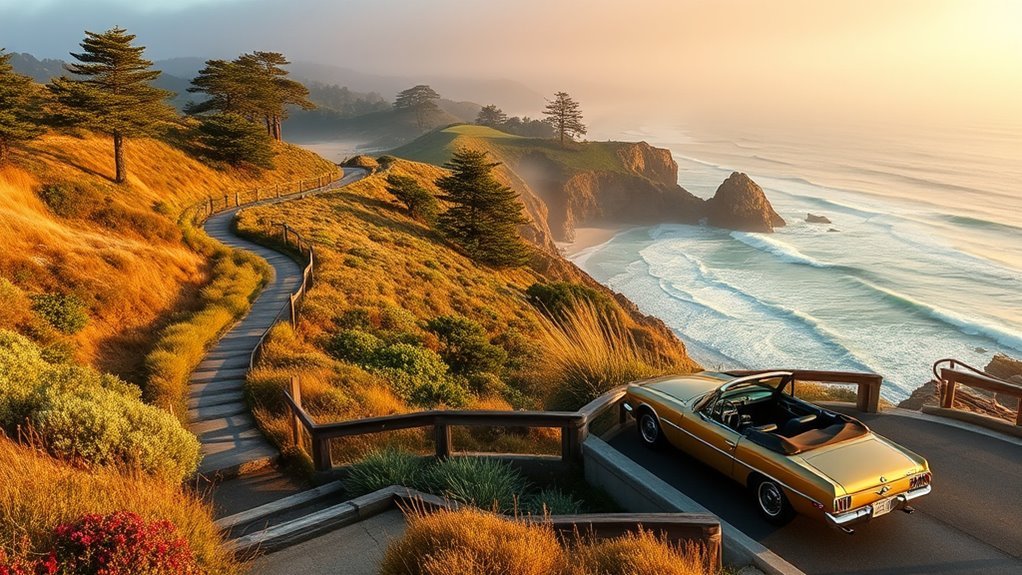
Bring binoculars for sea otters in kelp beds, harbor seals on rocks, sea lions offshore, seabirds, and seasonal whale sightings. Stay on marked paths, follow posted closures, and give every animal room to rest and feed. NOAA’s West Coast viewing guidance recommends at least 100 yards from whales and at least 50 yards from seals, sea lions, dolphins, and sea turtles.
At tide pools, look without touching or moving animals. At Carmel River State Beach, the lagoon attracts waterfowl and songbirds. For a longer outing, check current conditions at Garrapata State Park before hiking; coastal weather, trail work, and closures can change access.
17-Mile Drive
17-Mile Drive loops through Pebble Beach past Spanish Bay, Bird Rock, the Lone Cypress, coastal pullouts, forests, and golf-course views. Allow at least two hours if you plan to stop for photos and short walks.
The current admission is $12.50 per vehicle. The fee can be reimbursed with a qualifying purchase of $35 or more at participating Pebble Beach Resorts restaurants, excluding Pebble Beach Market. Gates are open from sunrise to sunset, and motorcycles are prohibited.
Note: Special events can restrict access. The current 2026 notice closes 17-Mile Drive to visitors without Concours d’Elegance tickets from August 13 through August 16. Check the official page before departure.
Other Easy Outdoor Options
- Mission Trail Nature Preserve: A wooded city preserve with several miles of paths and access points near the village. There are no public restrooms, and bicycles are not allowed.
- Carmel River State Beach: A quieter beach and lagoon for birdwatching. Ocean conditions can be dangerous, so treat it as a walking and viewing stop rather than a casual swimming beach.
- Garrapata State Park: A rugged choice for longer coastal or canyon hikes. Check official trail conditions and dog restrictions before going.
- Monterey Bay Aquarium: A strong family or rainy-day option in nearby Monterey. Buy tickets only through the aquarium’s official website.
Where to Eat: Restaurants, Brunch, Coffee, and Local Treats
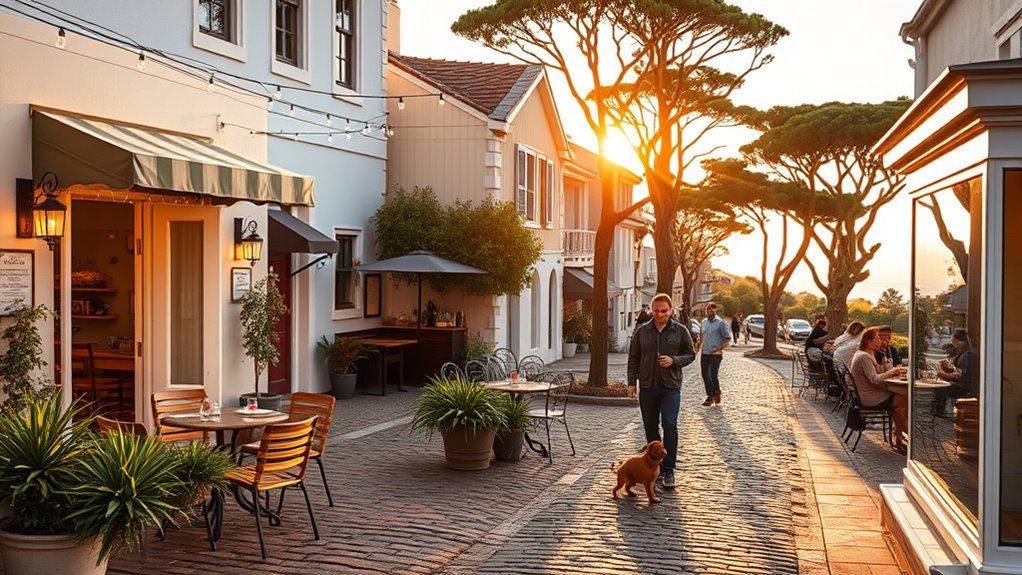
Carmel’s dining scene ranges from tasting menus to taverns, Mediterranean plates, wood-fired pizza, brunch, gelato, and picnic supplies. Menus and hours change often, so use the recommendations below as a starting point and confirm current service before walking over.
Top Dinner and Casual Restaurants
- La Bicyclette: Seasonal California-Mediterranean cooking and pizzas from a wood-fired oven. The restaurant keeps some space for walk-ins, but advance booking is still wise.
- Dametra Cafe: A lively Mediterranean restaurant whose current menu includes baba ghanouge and braised lamb shank.
- Aubergine: A special-occasion tasting-menu restaurant inside L’Auberge Carmel with two Michelin stars in the 2026 guide.
- Brophy’s Tavern: A casual choice for pub-style comfort food and drinks.
- The Cheese Shop: A practical stop for cheese, wine, and picnic supplies before the beach or a scenic drive.
Best Brunch Spots
Stationæry serves seasonal California cooking, coffee, brunch, and selected dinner services in San Carlos Square. Village Corner, established in 1948, is a long-running breakfast and lunch option with vegetarian, vegan, and gluten-free choices. La Bicyclette is also useful for a later breakfast or lunch when you want a European-style room and wood-fired dishes.
| Spot | Best For | What to Know |
|---|---|---|
| Stationæry | Seasonal brunch and strong coffee | Popular at peak brunch hours; reserve when available |
| Village Corner | Classic breakfast and lunch | Central location and broad dietary options |
| La Bicyclette | Wood-fired dishes and European atmosphere | Weekly menu changes; some walk-in seating |
Coffee, Pastries, and Treats
- Carmel Bakery: A central stop for coffee, pretzels, pastries, and quick snacks.
- Café dal Mare: The correct name is “dal Mare.” It serves Italian coffee, pastries, cannoli, cakes, and artisanal gelato near Ocean Avenue.
- The Tuck Box: A storybook cottage setting for tea and a light breakfast or lunch.
- Alta Bakery: Located in nearby Monterey, not downtown Carmel; combine it with the aquarium or historic Monterey rather than treating it as a walkable Carmel stop.
- The Cheese Shop: Ask the staff to build a small picnic around your preferences, then carry it to a legal picnic area or the beach.
Note: Carmel restaurants can be expensive, and menus change with the season. Check prices and cancellation policies before reserving, especially for tasting menus.
Sample Itineraries: Weekend, Three-Day, and Family Plans
These plans keep driving and backtracking under control. Move activities when weather, tides, or reservations make a different order more sensible.
Weekend Itinerary
Day 1: Park once or leave the car at your hotel. Walk Ocean Avenue and the side courtyards, stop for brunch, browse galleries, and tour Carmel Mission. Return to Carmel Beach and the Scenic Pathway for late-afternoon light, then use a dinner reservation in the village.
Day 2: Reach Point Lobos near opening and walk one or two short trails. Have lunch back in Carmel, then choose either 17-Mile Drive or more downtown gallery and tasting-room time. Trying to fit both into a relaxed afternoon can feel rushed.
Three-Day Itinerary
Follow the weekend plan, then use Day 3 for one larger side trip. Families may prefer the Monterey Bay Aquarium. Couples and food-focused travelers may choose Carmel Valley tasting rooms and a resort lunch. Hikers can check Garrapata or another Big Sur trail, but should review weather and Highway 1 conditions first.
Family-Friendly Plan
| Day | Morning | Afternoon and Evening |
|---|---|---|
| 1 | Village breakfast and a short downtown scavenger hunt through courtyards | Carmel Mission, early dinner, and supervised beach time |
| 2 | Sea Lion Point or Bird Island Trail at Point Lobos | Picnic at an established area, rest at the hotel, and dessert in town |
| 3 | Monterey Bay Aquarium | Cannery Row walk or quiet return to Carmel |
Accessibility, Family Travel, and Responsible Visiting
Point Lobos has accessible parking, picnic tables, restrooms, and several accessible trail segments, including the paved Sea Lion Point/Sand Hill loop. Carmel Mission provides ADA-compliant restrooms for admitted visitors and publishes accessibility information. Carmel Beach has accessible parking, but the main access is a sand ramp, so the final surface may be difficult for some mobility devices.
For sensory or mobility needs, the Monterey Bay Aquarium publishes a detailed accessibility and inclusion guide. Buy tickets in advance and consider arriving after the opening rush. Families should also plan shorter outdoor blocks than the map suggests because wind, sand, stairs, and uneven trails can tire children quickly.
Protect the coast by staying on paths, carrying a reusable bottle, packing out waste, and leaving shells, plants, rocks, and animals where you find them. Do not feed wildlife. Respect trail closures and private property, and keep noise low near nesting or resting animals.
What to Pack and Local Resources for a Smooth Visit
Pack for changing coastal conditions rather than a single forecast. Comfortable shoes matter more than formal outfits because Carmel’s slopes, stairs, sand, and uneven paths add up over a full day.
- Comfortable walking shoes with traction
- A light waterproof shell and a warm mid-layer
- Sunscreen, sunglasses, and a brimmed hat
- A reusable water bottle and small daypack
- Binoculars for wildlife viewing
- A portable phone charger and downloaded maps
- Swimwear and a quick-dry towel if you plan beach time
- A small trash bag for picnic waste and damp items
Bookmark the official City of Carmel, California State Parks, Visit Carmel, Caltrans QuickMap, and your hotel and restaurant confirmations. A few saved pages are more reliable than a crowded itinerary screenshot when plans change.
Frequently Asked Questions
Are dogs allowed off leash on Carmel Beach?
Yes. Dogs may be off leash on the sand when they remain under voice control and the handler carries a leash. Dogs must be leashed on the Scenic Pathway, stairs, streets, and other public areas. Point Lobos does not allow dogs anywhere in the reserve.
Are there guided ghost or history tours after dark?
Night tours are not a dependable daily Carmel attraction. Special haunted-history walks and evening cultural events may appear seasonally in Carmel or nearby Monterey. Check the official Visit Carmel and See Monterey calendars for your dates instead of assuming a tour will be available.
Can you bring a picnic to Point Lobos?
Yes, but eat only at established picnic areas. Fires, camp stoves, smoking, and alcohol are prohibited. Pack out all trash, secure food, and never feed wildlife.
Where can visitors attend local art gallery openings?
Start with the Carmel Art Walk, currently held on the second Saturday of each month from 4 to 7 p.m. The Carmel Art Association opens new exhibitions regularly and posts reception dates online. Visit Carmel’s event calendar lists additional gallery and arts events.
Are there seasonal festivals or parades in downtown Carmel?
Yes. Annual programming commonly includes art events, culinary events, Car Week activities, a sandcastle contest, a Halloween parade, a birthday celebration, and holiday events. Dates change each year, so confirm them on the City of Carmel and Visit Carmel calendars before booking.
Do you need a car in Carmel-by-the-Sea?
Not for a village-focused trip. Downtown lodging puts restaurants, shops, galleries, and Carmel Beach within walking distance. A car is helpful for Point Lobos, Carmel Valley, 17-Mile Drive, and Big Sur.
What is the best month to visit Carmel?
September and October are strong choices for clearer, sunnier coastal weather. April and May are also appealing for hiking and lighter crowds. Summer is popular but can be cool and foggy, especially in the morning.
Do you need a reservation for Point Lobos?
Standard day-use visitors do not normally reserve parking, but the reserve can fill early. School groups, tour buses, diving, and some organized activities have separate permit or reservation requirements. Check the official park page before arrival.
Conclusion
Carmel-by-the-Sea works best when you resist the urge to schedule every hour. Choose a walkable base, reserve the meals and attractions that matter most, and pair village time with Point Lobos or one scenic drive. Pack layers, follow beach and wildlife rules, and leave room for a gallery, courtyard, or stretch of coast you did not plan to find.
Sources
- City of Carmel-by-the-Sea: Carmel Beach — dog rules, beach access, parking, restrooms, and ocean-safety warning.
- California State Parks: Point Lobos State Natural Reserve — hours, current entry fee, park rules, and visitor restrictions.
- Pebble Beach Resorts: 17-Mile Drive — current admission, gate hours, reimbursement terms, and special-event access notices.
- Carmel Mission: Plan Your Visit — current hours, admission rates, accessibility, and visitor guidance.
- Visit Carmel: Weather and Seasons — seasonal planning and fall weather guidance.
- Caltrans QuickMap — real-time Highway 1 closures, traffic incidents, and road conditions.
