

Last Updated on July 27, 2026 by Daniel Globe
Sonoma’s town square sits on the site of the last of California’s 21 Franciscan missions, and you can still wander its arcades and historic buildings without spending a cent. You’ll find shaded benches, galleries with free-entry nights, and easy walking routes that lead to quiet parks, creekside trails, and vineyard roads begging to be explored. Keep going and you’ll uncover spots locals use for picnics, birdwatching, and sunset views.
Quick Answer
Sonoma’s best free and low-cost outings include strolling the historic Plaza, hiking 29+ miles of trails at Jack London State Historic Park ($10/vehicle), walking Bartholomew Park’s vineyard trails (free), and browsing the Friday Farmer’s Market. Most parks are free to enter; a few, like Sonoma Botanical Garden, charge admission.
Key Takeaways
- The Sonoma Plaza, Bartholomew Park, and Jack London State Historic Park backcountry trails are all walkable for free (JLSHP charges a $10/vehicle day-use fee).
- Jack London State Historic Park is open 9 a.m.–5 p.m. daily, and dogs are only permitted in designated historic areas, not on the backcountry trails.
- Sonoma Botanical Garden requires paid admission — it’s a nonprofit garden, not a free park.
- The Sonoma Valley Friday Farmer’s Market runs year-round, 9 a.m.–12:30 p.m., at 241 First Street West.
Disclosure: As an Amazon Associate I earn from qualifying purchases. Some links on this page are affiliate links, at no extra cost to you.
Wander the Sonoma Plaza and Historic Downtown
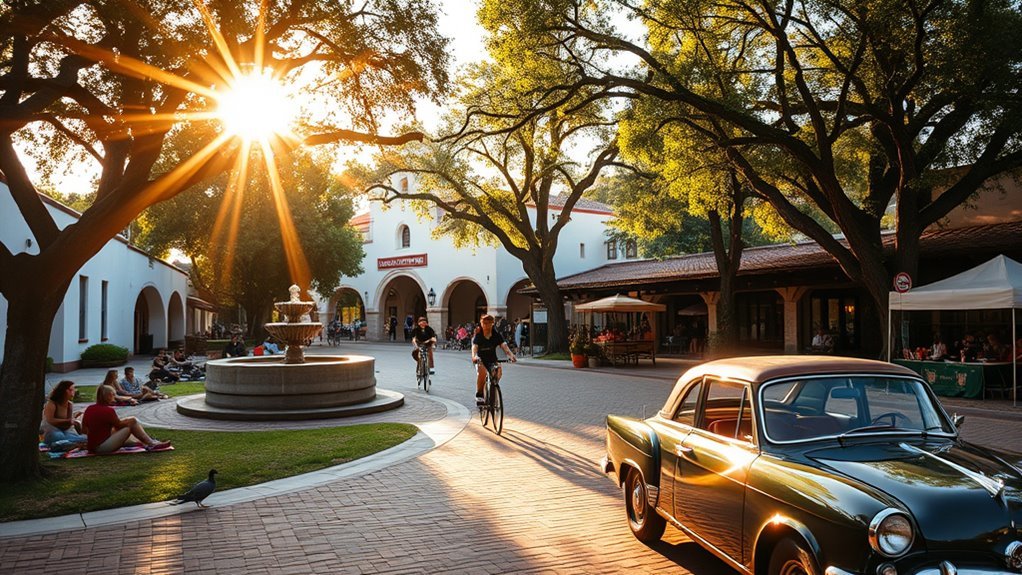
Start your visit at the heart of Sonoma—the Plaza—where 19th-century brick facades, cozy tasting rooms, and tree-shaded benches invite you to wander at your own pace. Laid out by General Mariano Vallejo in 1835, it’s the largest historic plaza of its kind in California and a designated National Historic Landmark, home to the old Mexican army barracks and the site of the 1846 Bear Flag Revolt. You’ll move through a living postcard of history, noticing carved cornices and iron balconies that whisper of earlier days while shops and cafes pulse with present-day life. You can also explore parts of Sonoma State Historic Park, including the grounds of Mission San Francisco Solano and General Vallejo’s estate at Lachryma Montis nearby.
Slip into the Sonoma Valley Museum of Art on a Wednesday for free contemporary exhibitions that provoke and inspire. Browse stalls at the farmers market to taste seasonal produce and meet the hands that grew it; buying is optional, connecting is not. Pause on a bench, mapless, and let the plaza’s festivals and the winter Lighting of the Plaza draw you into a shared community moment. You’ll leave with a clearer sense of place, a lighter step, and practical ideas for returning on another free, curious day.
Note: Public street parking around the Plaza is free for the first two hours in most spots; check posted signage, as some lots switch to metered parking during peak tasting-room hours.
Hike Jack London State Historic Park Trails
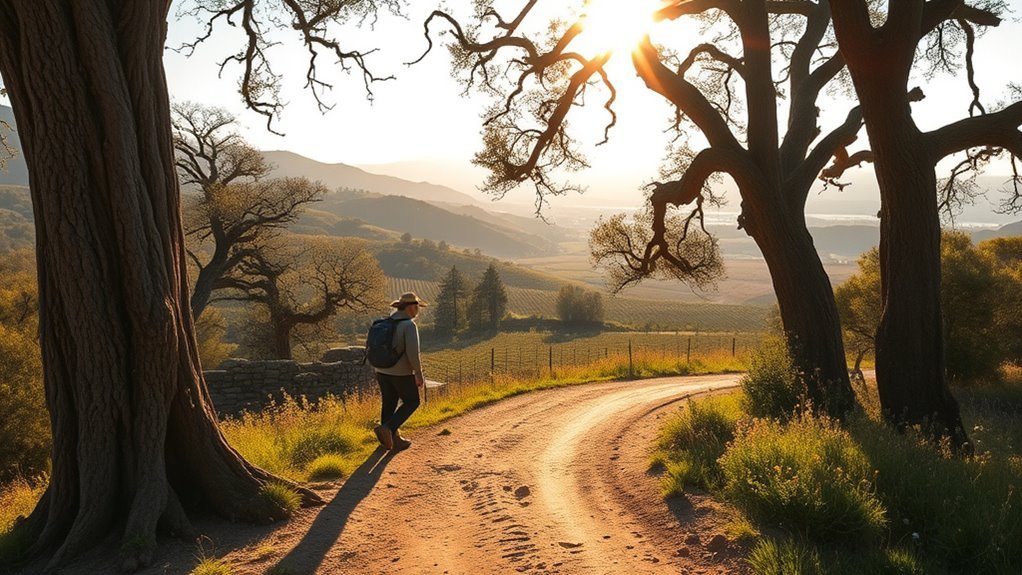
You’ll find over 29 miles of trails here, from short loops to longer ridge walks, so you can pick a route that fits your time and energy. Pack a picnic and plan stops at shady meadows and overlook benches that offer great views of Sonoma Valley. As you walk, you’ll pass the evocative ruins of Wolf House and the House of Happy Walls, which bring Jack London’s life to life between wildflower-filled stretches.
Trail Options & Lengths
While exploring Jack London State Historic Park, you’ll find more than 29 miles of trails that suit every pace and preference, from a 1.5-mile loop through towering redwoods to longer backcountry routes with sweeping views, including an out-and-back trail to the park’s summit. You can choose a short, meditative walk to breathe among ancient trunks, or push yourself on a longer ridge trail for a panoramic payoff. Shorter loops near the ranch drop into cool ravines and reward you with secluded overlooks. Trails vary in grade and footing, so you’ll want sturdy shoes and water.
Warning: Dogs are only allowed in designated historic areas — Beauty Ranch and the trail to the Wolf House ruins — and must stay on leash. They’re not permitted on the park’s backcountry hiking trails, since the park doubles as a wildlife sanctuary.
Plan routes by distance and difficulty, then set out — the landscape invites you to roam on your terms.
Picnic & Rest Spots
Pack a sandwich and a sense of wonder—Jack London State Historic Park sprinkles picnic tables and shady rest spots across its roughly 1,400 acres so you can pause wherever the view or history calls you. You’ll find tables tucked into meadows, beneath oaks, and near vineyard edges—each spot offering a different breath of the park’s varied landscapes. Take a moment to sit, hydrate, and map your next stretch: easy loops for slow afternoons, steeper ridges if you want a clear panorama. With modest admission fees, this is low-cost time outdoors—plan a route, pack light, and let the land refill your energy before you head back onto the trails.
Historic Sites Along the Way
After you’ve rested and refueled among the oaks, let the trails lead you to the park’s storied remnants—over 29 miles of paths thread through forests and meadows toward the ruins of Wolf House, the Beauty Ranch, and the gravesite of Jack and Charmian London. You’ll choose routes that suit your hunger for discovery, follow ridgelines for wide views, and stand where London once dreamed. The park is open daily from 9 a.m. to 5 p.m., and day-use parking is $10 per vehicle. Free docent-led tours to Wolf House and the gravesite run on weekends — check the schedule when you arrive. Walk light, move freely, and take your time with these landscapes.
| Trail | Highlight | Tip |
|---|---|---|
| Wolf House Loop | Ruins view | Morning light |
| Backcountry ridge trail | Panorama | Bring water |
| Ranch Path | Gravesite | Respectful silence |
Stroll the Sonoma Botanical Gardens
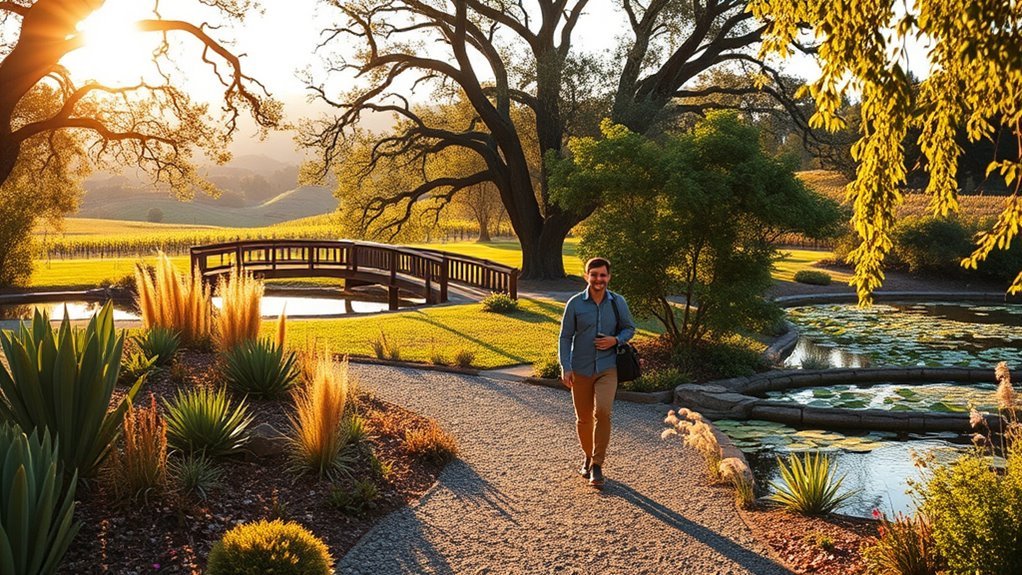
Anyone who loves quiet walks and native plants will find the Sonoma Botanical Garden a rewarding stop—spanning roughly 61 acres of Asian woodland garden and California oak savanna, the trails offer scenic valley views and plenty of peaceful corners for photography, birdwatching, or simply slowing down to notice the details. This is a paid-admission nonprofit garden rather than a free park, so budget for a ticket, but the price supports its plant conservation work. You can wander winding paths that showcase curated plant communities and native species, learning how biodiversity anchors this landscape. Move at your own pace: pause where light filters through oaks, frame a photo of a delicate understory, or sit and listen for birds. Practical access and clear trails make exploration easy, so you’ll spend energy on discovery, not logistics.
Explore Bartholomew Park and Its Trails
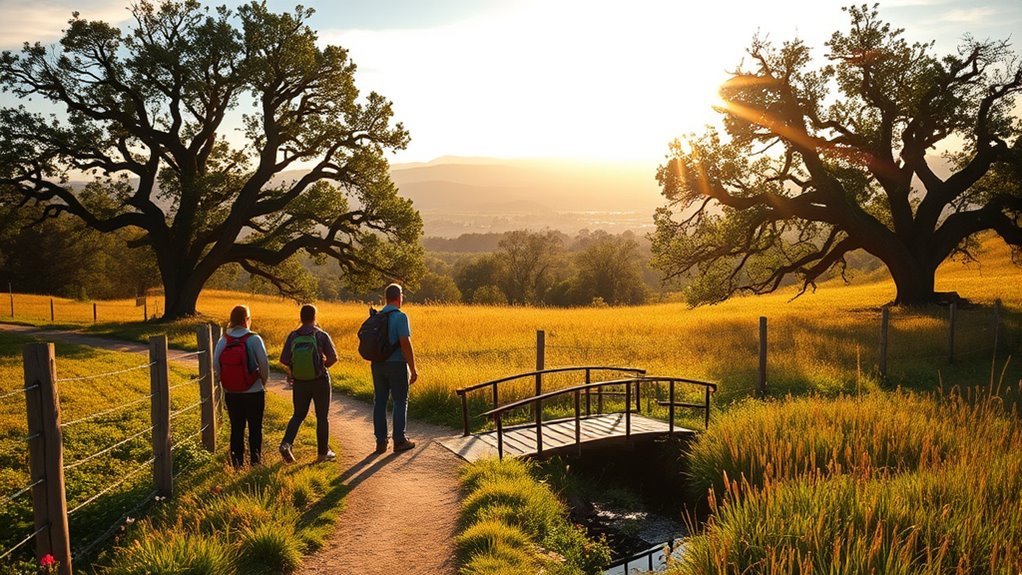
If the paid paths of the botanical garden leave you wanting a free, open landscape, head a few minutes toward Bartholomew Park, where vineyards, gardens, and forest invite exploration. You’ll find a network of trails that range from gentle loops to longer ridge walks, each offering wide views of Sonoma Valley. Wander through vine rows and native oaks, follow shaded creekside stretches, or climb to a lookout for a panorama that’s worth the short detour. The park is free to enter and dog-friendly on leash, so bring a leash and plan to move at your own speed — no appointments, no purchases required. Practical tips: wear sturdy shoes, carry water, and check trailheads on arrival; signage is simple but a map helps if you want to extend your route.
Shop the Sonoma Valley Friday Farmer’s Market
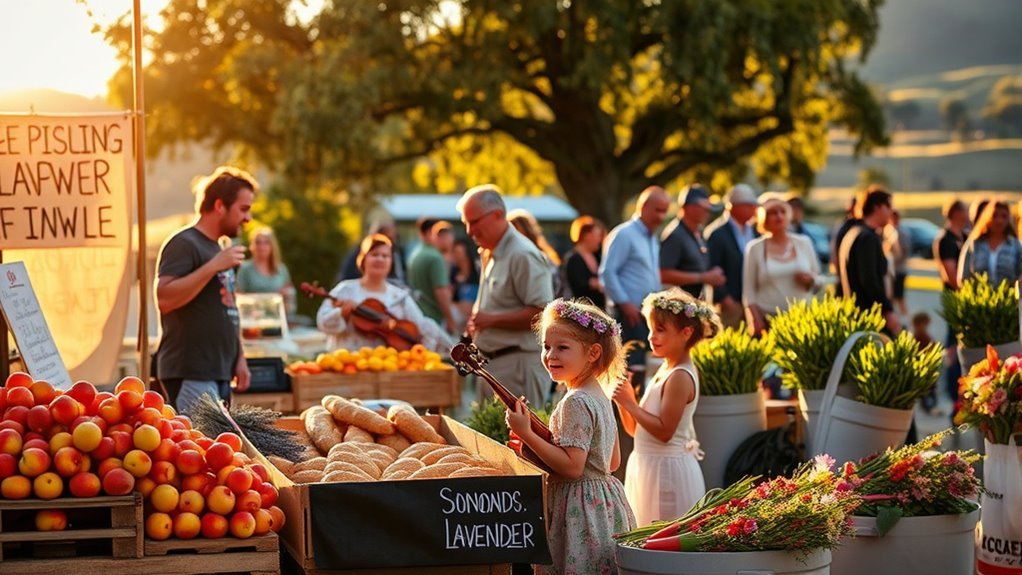
Stroll into the Sonoma Valley Friday Farmer’s Market and you’ll find bright seasonal produce and pantry staples from local artisans. Pick up winter persimmons or grab a warm wood-fired pretzel from the popular Bejkr stand as you browse. It’s a lively, free Friday-morning scene that’s perfect for supporting regional farmers and soaking up the community vibe.
Fresh Seasonal Produce
When you visit the Sonoma Valley Friday Farmer’s Market, held in the Arnold Field parking lot at 241 First Street West, you’ll find a lively mix of vendors selling fresh seasonal produce and pantry staples every Friday from 9 a.m. to 12:30 p.m., year-round. You can roam stalls heavy with crisp greens, citrus, and winter treasures like persimmons, choosing foods that connect you to the season and to local growers. Grab a basket, taste, ask where crops were raised, and build a shopping list that feeds both body and community. Don’t miss the Bejkr stand for a warm wood-fired pretzel between vendor visits.
Local Artisan Staples
Because the Friday market mixes pantry staples with handcrafted goods, you’ll find more than produce—locally milled flours, small-batch preserves, artisan cheeses, and wood-fired pretzels from the Bejkr stand invite you to taste and take home pieces of Sonoma craft. Seasonal displays shift week to week—persimmons in winter, bright greens in spring. Chat with farmers and makers to learn how ingredients were raised or crafted; they’ll share methods and recommendations so you can cook boldly at home. Bring a tote, sample freely, and pick up items that reflect local skill and craft.
Community Morning Vibe
Having filled your tote with local flours and that irresistible Bejkr pretzel, take a moment to soak up the market’s morning energy. It’s a compact chorus of stalls offering seasonal produce, pantry staples, and handcrafted goods, with live music and community groups often part of the scene. In winter, pick up persimmons and warm wood-fired pretzels while musicians set a loose, joyful tempo. Talk to growers, learn what’s ripe, and swap recipes for a relaxed start to your weekend in Sonoma Valley.
Visit the Sonoma Valley Museum of Art
Although tucked just off the plaza, the Sonoma Valley Museum of Art feels like a lively hub for modern and contemporary work, and you can wander its rotating exhibits without spending a dime on Wednesdays. You’ll move through galleries that refresh often, encounter bold new voices, and sense a community pulse in the programs and talks. It’s easy to pop in between plaza stops, learn something at a short gallery talk, or join an event that connects you with local makers. Practical tips: aim for Wednesday to save money, check the schedule for workshops, and allow time for unexpected discoveries. Below is a quick snapshot to orient your visit.
| What | When | Why go |
|---|---|---|
| Free admission | Wednesdays | Budget-friendly access |
| Rotating exhibits | Year-round | Fresh perspectives |
| Community events | Scheduled | Engage locally |
| Educational programs | Regular | Deepen understanding |
Picnic at Local Parks and Scenic Overlooks
After you’ve taken in gallery talks and wandering at the museum, head outside to spread a blanket and eat with a view — Sonoma’s parks turn a simple picnic into a memorable outing. You can choose the cathedral hush of Armstrong Redwoods, where admission’s free and ancient trunks frame your meal, or seek wide skies at Hood Mountain Regional Park, free to enter with trails that lead to valley vistas. If you want water and a swim, Spring Lake Park includes a lagoon and scenic picnic spots for a modest parking fee. Sugarloaf Ridge rewards you with dramatic panoramas and picnic tables for a small day-use parking fee. For a paid but cultivated pause, the Sonoma Botanical Garden offers acres of biodiverse landscapes and serene seating. Pack locally made bread, fruit, and a reusable blanket; leave no trace. These places invite you to slow down, breathe deep, and share a simple meal under open sky.
Attend a Community Event or Plaza Celebration
When you step into Sonoma’s public squares during a community celebration, you’ll find more than events—you’ll find neighbors, music, and traditions woven into the streetscape; from Dia de los Muertos altars that honor family stories to the winter Lighting of the Plaza that turns lamp posts into twinkling landmarks, these gatherings are lively, low-cost ways to connect with local culture. You can wander altars and learn the symbols families use to remember loved ones, or stand beneath festive lights as choirs and bands play. First Fridays at Chimera Arts and the SOFA Art Walk open studios so you can meet makers, ask questions, and see work in progress without pressure to buy. Drop into a happy hour where live music fills the air—there’s often no cover and drink deals let you stay longer. These events invite you to move through town, share space with neighbors, and enjoy public life as a place of creativity and collective joy.
Walk Vineyard Roads and Budbreak Viewing Spots
If you time your visit for late March to early April, you’ll catch budbreak—the moment vines unfurl bright, tender leaves—and walking the vineyard roads then turns into a small, restorative ritual. You’ll step along gravel lanes that curve with the hills, breathing cool air and watching rows wake in vibrant green. Many wineries welcome foot traffic on their boundary paths; you can wander, pause beneath trellises, and study tiny shoots reaching for light. The scene feels open and quiet: wide skies, distant ridgelines, and the steady progress of growth that makes you feel part of something seasonal. Because Sonoma’s climate is mild, these walks work most of the year, but spring’s clarity sharpens colors and your senses. Walking is free, good for your body, and a simple way to learn the rhythm of vines and the land. Bring water, sensible shoes, and curiosity; move slowly and let the valley set your pace.
Birdwatch Along Local Wetlands and Creek Trails
A morning at Sonoma’s wetlands and creek trails will reward you with restless wings and bright calls as herons, egrets, ducks, and songbirds move through reeds and willows. You’ll follow gentle paths like Santa Rosa Creek Trail, scanning marsh edges for movement as you go. Migratory flocks pass in spring and fall, so you can witness comings and goings throughout the seasons. Trails are free and accessible, perfect for slow walks, notes, and quiet observation. Bring binoculars and a field guide to confirm IDs and deepen curiosity.
Pro Tip: Go early morning for the most bird activity and the calmest light for photos — activity drops noticeably by mid-morning as temperatures rise.
| Trail | Typical Birds | Tip |
|---|---|---|
| Santa Rosa Creek Trail | Herons, ducks | Go early |
| Local wetlands | Egrets, songbirds | Move quietly |
| Creek side paths | Migrants | Pack binoculars |
| Marsh overlooks | Waders | Keep distance |
| Public access points | Mixed flocks | Note season |
Frequently Asked Questions
Are dogs allowed in these locations, and which have leash rules?
Yes at most spots, but rules vary. Sonoma Plaza and downtown parks require leashes. Bartholomew Park allows leashed dogs. At Jack London State Historic Park, dogs are limited to designated historic areas like Beauty Ranch and the Wolf House trail — they’re not permitted on backcountry hiking trails. Check signage at each site before you go.
Is there public restroom access at the listed sites?
Some do, some don’t. You’ll find facilities at major parks, visitor centers, and the town plaza; carry essentials and plan stops around restroom locations, especially on longer hikes.
Are these sites wheelchair or stroller accessible?
Many are, though some trails and historic spots aren’t. Expect ramps and gentle paths in town and at museum areas, but uneven, unpaved ground on backcountry trails. Call ahead if accessibility is essential to your visit.
What are typical parking options and any fees?
You’ll find free public street parking, municipal lots, and a few paid options. Jack London State Historic Park charges $10 per vehicle for day use; Spring Lake Park and Sugarloaf Ridge charge modest parking fees. Most downtown and park lots are otherwise free.
Are there seasonal closures or a best time to visit?
Spring through fall gives you the fullest access; winter can bring muddy trails and shorter daylight. Shoulder season — March through October — brings mild weather, fewer crowds, and easier parking.
Conclusion
Think of Sonoma as an open-air gallery where every street, trail, and plaza is a brushstroke you can step into. You’ll wander historic squares, hike redwood groves, and stroll botanical gardens that smell like discovery. Pack a picnic, follow creekside paths for quiet birdwatching, and time your visit for a farmers market or plaza celebration. Practical, mostly free, and endlessly curious, Sonoma rewards slow exploration—bring comfy shoes and an appetite for small, memorable moments.
Sources
- Jack London State Historic Park — Directions, Hours, Fees — official park hours and entrance fees
- Jack London State Historic Park — Trails — trail mileage and dog policy
- Sonoma Valley — History of the Sonoma Plaza — Plaza history and land grant details
- City of Sonoma — Farmers’ Market Info — market location and hours
- Sonoma Botanical Garden — Wikipedia — garden acreage and history
