

Last Updated on August 23, 2026 by Mason Reed
Planning your first solo tent camping trip is easier when you have the right gear, a clear safety plan, and a simple packing checklist. The essentials include a reliable tent, sleeping system, food and water supplies, navigation tools, first aid items, and weather protection so you can enjoy the outdoors with confidence.
Quick Answer
For solo tent camping, pack shelter, sleeping gear, water supplies, food, cooking equipment, navigation tools, safety items, and hygiene essentials. Research your campsite, check weather conditions, tell someone your plans, and prepare for emergencies before leaving.
Key Takeaways
- Choose lightweight gear that matches your location and weather conditions.
- Always share your itinerary and emergency plan with someone you trust.
- Bring reliable water treatment, navigation tools, and first aid supplies.
- Practice safe food storage and follow outdoor ethics such as Leave No Trace.
At a Glance
| Time Required | Several days of preparation plus your planned trip duration |
| Difficulty | Beginner-friendly with proper planning |
| Tools Needed | Tent, sleeping gear, cooking kit, navigation tools, first aid kit |
| Cost | Varies based on gear quality and what you already own |
Warning: Solo camping requires extra preparation because there may not be another person nearby to help with injuries, weather problems, or navigation mistakes.
Disclosure: As an Amazon Associate I earn from qualifying purchases. Some links on this page are affiliate links, at no extra cost to you.
Essential Gear for Your First Solo Tent Camping Trip
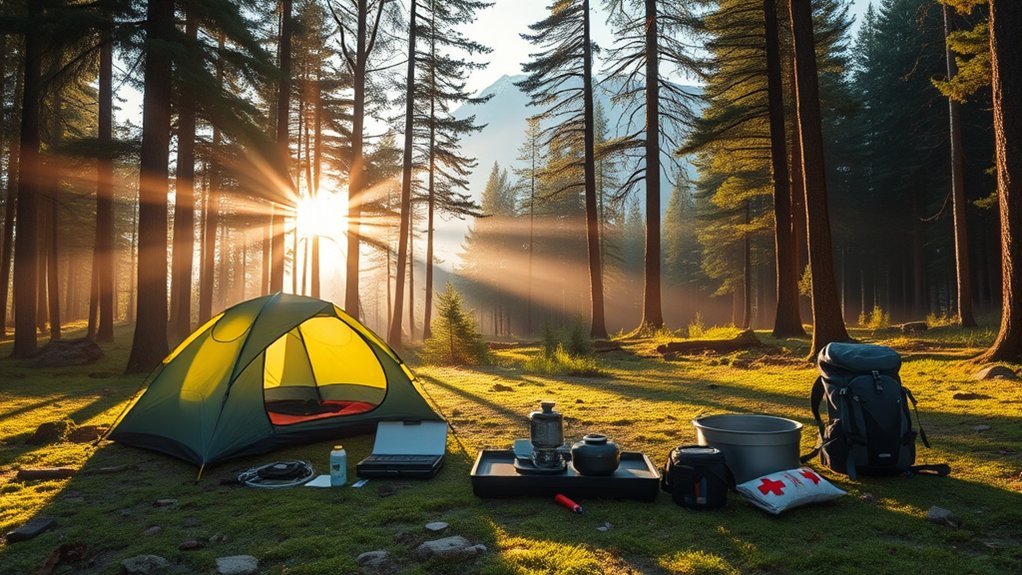
Starting your first solo tent camping trip is exciting, but the right equipment can make the difference between a comfortable adventure and a difficult experience. Focus on lightweight, dependable gear that matches your destination and expected weather.
- A lightweight tent with rain protection
- A temperature-appropriate sleeping bag
- A sleeping pad for insulation and comfort
- A headlamp or lantern for nighttime visibility
- A portable water filter or purification method
- A first aid kit and emergency supplies
- A map, compass, or GPS device
- A multitool for small repairs and tasks
Pro Tip: Test your tent, stove, and other equipment at home before your first solo trip so you know how everything works.
Pre-Trip Planning and Safety Considerations
Good planning is one of the most important parts of solo camping. Research your campsite, understand local rules, check weather conditions, and tell someone where you will be.
| Task | Description |
|---|---|
| Research campsite | Check access, regulations, terrain, and hazards. |
| Share itinerary | Provide route details and expected return time. |
| Prepare emergency kit | Include first aid supplies and communication options. |
| Learn local wildlife | Understand animals and food-storage rules. |
| Plan navigation | Carry maps or offline navigation tools. |
Follow local guidance for wildlife encounters and food storage. The National Park Service provides outdoor safety information, and Leave No Trace offers principles for reducing environmental impact.
Comfort and Shelter: Choosing the Right Tent and Sleeping Gear
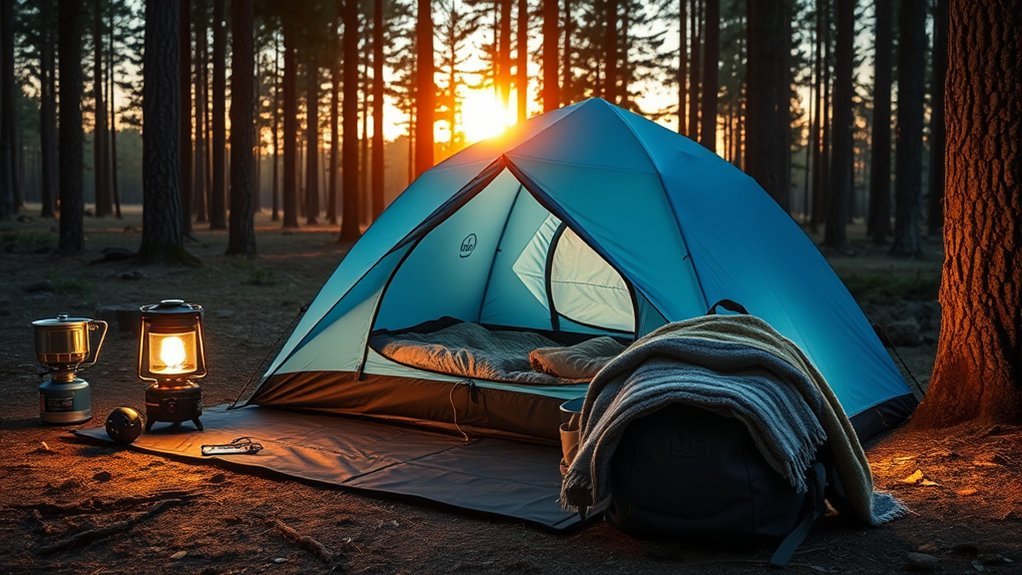
Your shelter and sleeping setup strongly affect your camping experience. Choose a tent that fits your conditions and provides protection from wind and rain.
Select a sleeping bag based on expected temperatures rather than just the season. A quality sleeping pad also helps with warmth because it creates insulation between you and the ground.
- Inflatable pillow
- Comfortable sleeping pad
- Weather-resistant tent
- Sleeping bag suited to conditions
- Extra layers for changing temperatures
Kitchen and Cooking Essentials for Solo Camping
Simple cooking equipment keeps solo camping meals practical. A compact stove, fuel, cookware, and utensils allow you to prepare warm meals without carrying unnecessary weight.
- One-burner camping stove
- Fuel supply
- Pot, pan, and utensils
- Knife and cutting board
- Food storage containers
A multi-use tarp can provide a cleaner cooking area and extra protection from rain or dirt.
Hygiene and Health Tips for the Great Outdoors
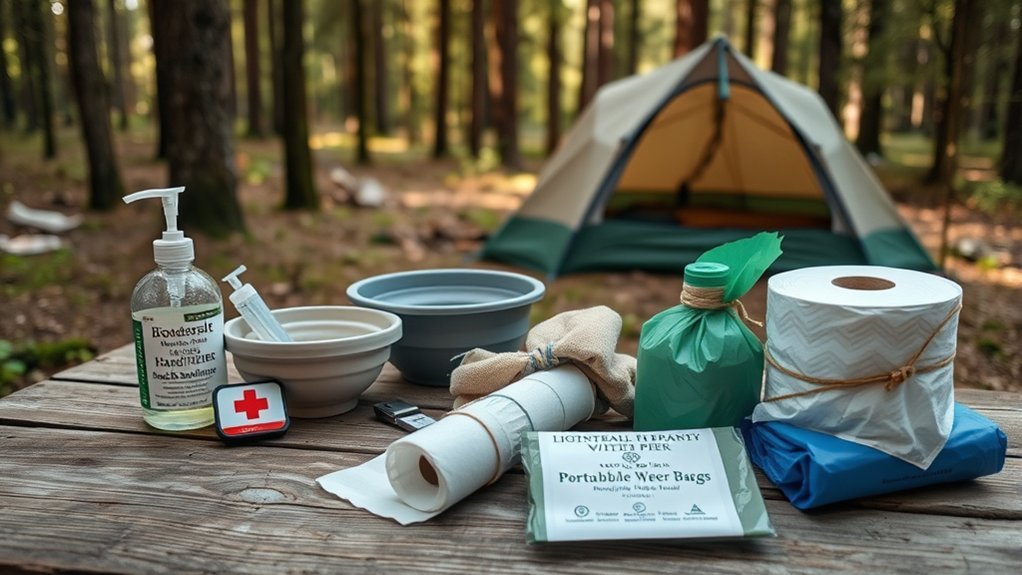
Maintaining hygiene helps make your trip more comfortable. Pack compact items that support cleanliness and basic health needs.
- Biodegradable soap
- Hand sanitizer
- Wet wipes
- Insect repellent
- Basic first aid supplies
- Electrolyte products for demanding conditions
Nutrition and Hydration Strategies for Your Adventure
Outdoor activities require enough food and water planning. Carry sufficient water or a reliable way to treat water from approved sources.
Lightweight foods such as trail mix, nuts, jerky, and freeze-dried meals are convenient choices. Balance carbohydrates, protein, and fats to maintain energy throughout your trip.
Frequently Asked Questions
What should I do in case of wildlife encounters while camping?
Stay calm, avoid approaching animals, follow local wildlife guidance, and store food properly to reduce unwanted encounters.
How can I stay safe from extreme weather conditions?
Check forecasts before leaving, bring appropriate clothing and shelter, and be ready to change plans if conditions become unsafe.
Is it safe to camp alone in remote areas?
Solo camping can be safe when you choose an appropriate location, prepare carefully, share your plans, and understand local conditions.
How do I find reliable camping locations?
Use official campground information, park websites, and trusted camping resources to find locations that match your experience level.
What essential skills should I learn for solo camping?
Basic navigation, first aid, fire safety, campsite setup, and emergency planning are valuable skills for solo campers.
Conclusion
Solo tent camping is an opportunity to build confidence while enjoying nature at your own pace. With reliable gear, careful preparation, and smart safety habits, your campsite becomes a comfortable base for exploring the outdoors. Pack thoughtfully, respect the environment, and enjoy the independence that comes with solo adventure.
Sources
- National Park Service Camping Guide — camping preparation and safety information
- Leave No Trace Principles — outdoor ethics guidance
- CDC Water Treatment Guidance — safe drinking water practices
