
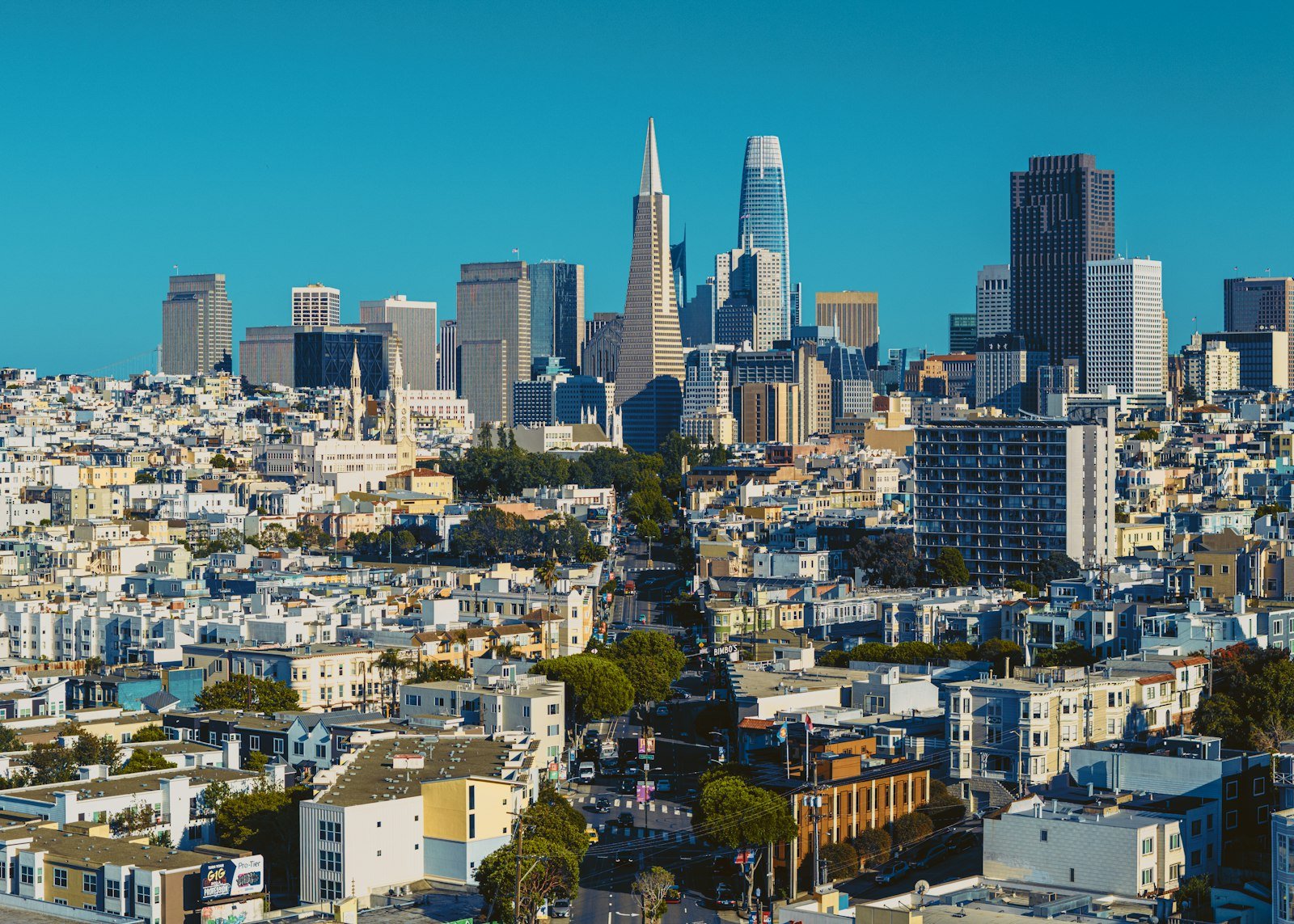
Last Updated on July 24, 2026 by Daniel Globe
Planning a first trip to San Francisco is easier when you group sights by neighborhood, use public transit instead of relying on a car, and reserve the city’s most popular attractions before you arrive. The city packs famous landmarks, waterfront walks, museums, distinctive neighborhoods, and excellent food into a compact area, but steep hills, changing weather, and limited parking reward a little advance planning.
Quick Answer
For a first San Francisco visit, plan at least three nights, pack layers, use Muni and walking for most city trips, and reserve Alcatraz and Muir Woods ahead of time. Prioritize the Golden Gate Bridge, waterfront, cable cars, Golden Gate Park, Chinatown, North Beach, the Mission, and one scenic coastal walk.
Key Takeaways
- Three nights is enough for the essentials, while four or five days gives you time for museums, neighborhoods, and a day trip.
- September and October are often appealing months, but San Francisco weather changes quickly in every season, so bring layers.
- Use Muni for most travel within San Francisco and BART for airport and regional connections.
- Reserve Alcatraz ferry tickets and Muir Woods parking or shuttle space before your trip.
- Never leave luggage, electronics, passports, or other valuables in a parked vehicle, even in a garage.
Disclosure: As an Amazon Associate I earn from qualifying purchases. Some links on this page are affiliate links, at no extra cost to you.
Tips for Visiting San Francisco for the First Time
Walking is one of the best ways to experience San Francisco’s neighborhoods, but the hills can turn a short distance on a map into a surprisingly strenuous walk. Combine walking with Muni buses, Metro trains, historic streetcars, and cable cars instead of trying to cover the entire city on foot.
Dress in layers. A sunny afternoon in the Mission can feel very different from a windy stop near the Golden Gate Bridge, and coastal fog can arrive quickly. Comfortable walking shoes matter just as much as your jacket.
Check restaurant and attraction hours before you leave your hotel rather than assuming businesses stay open late. For high-demand restaurants and ticketed attractions, reserve early when reservations are available. Some popular restaurants operate primarily on walk-in seating, so verify each restaurant’s policy individually.
For airport access, San Francisco International Airport (SFO) has a direct BART station. Oakland San Francisco Bay Airport (OAK) also connects to BART, but reaching San Francisco requires the airport connector and a transfer at Coliseum Station.
Pro Tip: Plan each day around one or two neighboring areas. For example, combine North Beach, Chinatown, and the Embarcadero on one day, then pair the Marina, Crissy Field, Presidio, and Golden Gate Bridge on another. You will spend far less time crossing the city.
Best Time to Visit San Francisco
There is no single perfect month for San Francisco. September and October are popular choices because they can bring mild, pleasant conditions after the city’s cool and foggy summer pattern. October also brings major events, including Fleet Week in years when your dates overlap with the festival.
Summer is still a good time to visit, but do not expect consistently hot California beach weather. Coastal neighborhoods can be cool, breezy, and foggy even when inland parts of the Bay Area are much warmer.
Winter brings a greater chance of rain but can also mean fewer visitors at some attractions. Spring is another good compromise, especially for travelers who prefer milder sightseeing weather.
Whatever month you choose, treat the forecast as a starting point rather than a guarantee. San Francisco’s hills, coastline, and neighborhood microclimates can create noticeably different conditions within a few miles.
What to Pack for San Francisco
- A light jacket or warm mid-layer: useful year-round, especially near the waterfront and after sunset.
- Comfortable walking shoes: steep streets, stairs, and long sightseeing days are common.
- Layerable clothing: a T-shirt or light base layer plus a sweater and jacket is more useful than one heavy outfit.
- Sun protection: bring sunglasses and sunscreen even when the morning begins with fog.
- A compact day bag: carry water and layers with you rather than returning to your hotel whenever the weather changes.
Recommended Duration for Your Stay
At least three nights is a good starting point for a first San Francisco trip. That gives you enough time for the Golden Gate Bridge area, waterfront attractions, several neighborhoods, a cable-car ride, and either Golden Gate Park or Alcatraz without turning every day into a race.
With four or five days, you can slow down, spend more time in neighborhoods such as North Beach and the Mission, visit museums, walk Lands End, and add a nearby day trip.
Muir Woods is one of the most popular excursions, but it requires advance planning. The National Park Service requires a parking reservation for visitors arriving by private vehicle and reservations for shuttle riders. Check the current requirements through the National Park Service’s Muir Woods guidance before setting out.
Napa Valley can also work as a longer day trip, although the experience is much easier when transportation and winery reservations are arranged ahead of time.
What to Book in Advance
Some of San Francisco’s best-known experiences are difficult to leave until the last minute:
- Alcatraz: ferry tickets are required. The National Park Service identifies Alcatraz City Cruises as the authorized ferry provider and recommends advance reservations. Review the official Alcatraz visitor information before booking.
- Muir Woods: reserve parking or a shuttle seat before arriving. Parking is not sold by simply driving up and looking for an open space.
- Popular restaurants: make reservations where offered, especially for weekend dinners and special-occasion restaurants.
- Special events: Fleet Week, major concerts, conventions, and sporting events can affect hotel rates, traffic, and attraction demand.
Note: Alcatraz tickets are not the same as a general national-park entrance fee. You need the authorized ferry ticket to reach the island.
Getting to San Francisco From the Airport
If you land at San Francisco International Airport (SFO), BART provides a direct rail connection to downtown San Francisco. The BART station is at the International Terminal and can also be reached from other terminals using SFO’s free AirTrain. BART says the ride to downtown San Francisco takes about 30 minutes. Check current service and fare information on the official BART SFO page.
From Oakland San Francisco Bay Airport (OAK), take the Oakland Airport Connector to Coliseum Station. At Coliseum, transfer to a San Francisco-bound BART train. The official BART OAK guide explains the connection.
A taxi or rideshare can make sense when you are traveling with several people, carrying a large amount of luggage, arriving when rail service is inconvenient, or staying somewhere that requires an awkward transfer.
Many hotels will hold luggage for registered guests before check-in or after checkout, but policies differ, so confirm this directly with your hotel.
Getting Around San Francisco
For most first-time visitors, a rental car is unnecessary inside the city. Walking works well within individual neighborhood clusters, while Muni fills the gaps with buses, Metro trains, historic streetcars, and cable cars. BART is primarily useful for airport and regional travel, although it also serves several San Francisco stations.
SFMTA offers visitor information and multi-day Muni options. A Visitor Passport can include unlimited rides on Muni, Muni Metro, historic streetcars, and cable cars for the covered period; it does not cover BART. Check current options on the SFMTA Visitor Passport page.
For the classic cable-car experience, San Francisco currently operates the Powell-Hyde, Powell-Mason, and California Street lines. The Powell-Hyde route ends near Hyde and Beach Streets and passes close to the Lombard Street area. Current route and ticket information is available from SFMTA’s cable-car guide.
If you drive, do not assume every street space has a two-hour limit. Parking rules vary by block. Read every posted sign for meter hours, permit restrictions, street cleaning, tow-away periods, curb rules, and time limits. SFMTA’s legal-parking guide is the best reference.
A garage can simplify the parking process, but it does not make belongings safe from theft. Remove valuables from the vehicle wherever you park.
For taxis, rideshares, and restaurants, gratuity practices can vary. Check the receipt or app for any service charge before adding an additional tip.
Accessibility and Mobility Planning
San Francisco’s steep terrain deserves extra planning if stairs or hills are difficult for you. Muni buses are equipped with accessibility features including low-floor boarding and ramps, and SFMTA publishes an official Muni Access Guide for buses, Metro, historic streetcars, mobility devices, and accessible stops.
At outdoor attractions, check the specific route rather than assuming the entire site has the same surface. For example, the National Park Service notes that portions of Lands End have accessible facilities and trail access, while sections beyond accessible overlooks include stairs and uneven terrain.
Alcatraz, Muir Woods, museums, and other major attractions also publish their own accessibility information. Reviewing those details before buying tickets can make itinerary planning much easier.
Neighborhoods to Explore
San Francisco is best understood as a collection of distinctive neighborhoods rather than one downtown sightseeing district.
- Nob Hill and Russian Hill: classic architecture, steep streets, cable cars, and broad city views.
- North Beach: Italian-American history, cafes, restaurants, City Lights Books, and Washington Square.
- Telegraph Hill: home to Coit Tower, stairways, gardens, and small streets that reward exploring on foot.
- Chinatown: historic alleys, markets, temples, bakeries, restaurants, and easy connections with North Beach and downtown.
- Fisherman’s Wharf: a busy waterfront tourism district with family attractions, ferries, seafood, maritime history, and access to Pier 39.
- Union Square: a central hotel, transit, theater, and shopping district whose retail mix continues to evolve.
- Pacific Heights: residential architecture and elevated views, including streets around Alta Plaza and Lafayette Park.
- Marina District: convenient for Marina Green, the Palace of Fine Arts, Crissy Field, and the Presidio.
- Mission District: murals, restaurants, bakeries, bars, Dolores Park, and strong Latino cultural roots.
Lands End belongs on the itinerary too, but it is not in the Marina. It sits on the city’s northwestern edge near the Outer Richmond, Sea Cliff, Sutro Baths, and Legion of Honor. The National Park Service Lands End guide covers the trails and coastal viewpoints.
Where to Stay in San Francisco
Choose your hotel based on the attractions you plan to visit, transit access, hills, nighttime environment, and your preferred pace rather than assuming one broad part of the city is automatically safer than another.
Nob Hill, Russian Hill, North Beach, the Marina, and Fisherman’s Wharf are convenient for many classic first-time sights. The Embarcadero works well for the Ferry Building, waterfront, BART, and easy access to downtown. Union Square puts you near multiple transit lines and a large concentration of hotels.
For a design-forward stay, 1 Hotel San Francisco sits on the Embarcadero, while San Francisco Proper is in Mid-Market near Market and Seventh Streets. The two locations provide very different street environments and access patterns, so look at the immediate blocks and transit routes before choosing.
The Ritz-Carlton and Fairmont are established luxury options around Nob Hill. Boutique choices include Kimpton Alton near Fisherman’s Wharf and Hotel G near Union Square. Hotel rates can change sharply around conferences, major sporting events, and festivals, so compare your exact dates rather than relying on a typical nightly price.
Top Attractions and Must-See Sights
A first San Francisco itinerary should mix major landmarks with time in the city’s neighborhoods and parks.
- Golden Gate Bridge: see it from the San Francisco side at Crissy Field or the Presidio, walk part of the bridge, or visit Marin Headlands viewpoints such as Battery Spencer when road and weather conditions allow.
- Alcatraz Island: one of the city’s signature historic attractions. Reserve the authorized ferry rather than arriving at the waterfront expecting a walk-up ticket.
- Cable cars: ride at least one of the three operating lines and consider boarding away from the busiest turnaround if queues are long.
- Palace of Fine Arts: an easy stop to pair with the Marina, Crissy Field, and the Presidio.
- Crissy Field: a mostly level waterfront promenade with Golden Gate Bridge and bay views.
- Lands End and Sutro Baths: a rugged coastal area with ocean views, historic ruins, and trails.
- Painted Ladies: the famous Victorian houses along Alamo Square are an easy photography stop when exploring the central-western neighborhoods.
- Coit Tower: combine it with Telegraph Hill, North Beach, and the Embarcadero.
- Golden Gate Park: allow several hours if you plan to visit museums, gardens, or walk across a meaningful part of the park.
- Chinatown and North Beach: explore them together on foot rather than treating each as a quick photo stop.
- Ferry Building and Embarcadero: a useful starting point for a waterfront walk and an easy connection to downtown transit.
- Fisherman’s Wharf: lively and tourist-oriented, but convenient for maritime attractions, bay cruises, and Pier 39.
Suggested Itineraries for First-Time Visitors
Day 1: Waterfront, North Beach, Chinatown, and Cable Cars
Begin around the Ferry Building and walk north along the Embarcadero. Continue toward Fisherman’s Wharf, then climb toward North Beach and Telegraph Hill for Coit Tower. Walk into Chinatown before finishing with a cable-car ride or dinner nearby.
If Alcatraz is one of your priorities, build the day around your reserved ferry departure rather than squeezing the island between other fixed appointments.
Day 2: Golden Gate Bridge, Presidio, Marina, and Pacific Views
Start at Crissy Field or the Presidio and work toward the Golden Gate Bridge. Visit the Palace of Fine Arts and Marina Green before or afterward. If you still have energy, continue west to Lands End later in the day rather than assuming it is part of the Marina waterfront.
Day 3: Golden Gate Park, Painted Ladies, and the Mission
Spend the morning in Golden Gate Park, choosing one or two museums, gardens, or walks rather than trying to cover the entire park. Stop at Alamo Square for the Painted Ladies, then finish in the Mission District for murals, Dolores Park, and dinner.
Days 4–5: Go Deeper or Take a Day Trip
Use an extra day for neighborhoods you rushed past, a museum-focused day, or a longer coastal walk. Muir Woods is an excellent redwood excursion when you have already secured the required parking or shuttle reservation. Napa Valley is better treated as a full-day outing, especially if wine tasting is part of your plan.
Keeping each day geographically compact will save more time than trying to check attractions off in the order they appear on a generic top-ten list.
Where to Eat: Dining Recommendations
San Francisco’s food scene ranges from tiny neighborhood counters to destination restaurants, so it is worth planning meals with the same care you give major attractions.
For Japanese food, Saru Sushi Bar and Izakaya Sozai remain useful names to know. Saru does not operate like a typical reservation-driven restaurant, so check its current policy before going. For casual tacos, Tacolicious has San Francisco locations.
Nopa is still a notable neighborhood restaurant, but its current published schedule is dinner service rather than regular brunch. Check Nopa’s current hours and reservation information before planning a meal.
For weekend brunch, Foreign Cinema currently publishes Saturday and Sunday brunch hours in addition to dinner service. For a more elaborate dinner, State Bird Provisions is another reservation-worthy option.
Yamo in the Mission is known for Burmese-inspired dishes, while Kingdom of Dumpling serves Chinese dumplings and other dishes in the Sunset. Lucca Delicatessen is a classic Italian-American deli name to keep in mind, and Souvla offers a modern San Francisco take on Greek food at several locations.
Restaurant hours, reservation policies, menus, and service days change frequently. Check each restaurant’s official site on the day you plan to visit rather than relying on an old list of opening hours.
Local Events and Festivals
San Francisco’s event calendar can change both the atmosphere of a trip and the price of hotels, so check your travel dates before booking.
For 2026, San Francisco Fleet Week runs from October 4 through October 12. The official air show is scheduled for October 9, 10, and 11 from noon to 4 p.m., with the U.S. Navy Blue Angels listed as the headline act. The flying takes place over the waterfront between the Golden Gate Bridge and Alcatraz rather than around a single viewing point. Check the official Fleet Week air-show schedule for changes before you go.
October can also bring neighborhood, food, arts, music, and seasonal events. Rather than relying on a generic annual list, check official event calendars for your exact dates because venues, street closures, and festival schedules change from year to year.
Safety Tips and Neighborhood Awareness
San Francisco is a major city, and normal urban awareness goes a long way. Pay attention to your surroundings, keep phones and wallets secure in crowded areas, and choose well-traveled routes when walking at night.
Some blocks around the Tenderloin, Civic Center, and central Market Street can have more visible street disorder than first-time visitors expect. Conditions can also change quickly from one block to another. Check your route in advance and use Muni, a taxi, or rideshare when a walk does not feel comfortable rather than treating an entire neighborhood as automatically off-limits.
Warning: Do not leave luggage, electronics, passports, shopping bags, or other valuables in a parked vehicle. San Francisco Police Department guidance specifically tells visitors to remove loose items and use hotel luggage storage instead of leaving belongings in a car. This applies to street spaces and garages alike.
For current vehicle-security advice, review the SFPD Park Smart guidance.
When walking the city’s hills and coastal trails, wear stable footwear and stay behind barriers near cliffs. At Lands End and similar coastal areas, remain on designated trails and obey posted warnings.
Finally, do not plan your evening around a blanket assumption that shops close at 7 p.m. or restaurants at 10 p.m. Hours vary widely by neighborhood and business. Confirm the places that matter to your itinerary before heading across town.
Conclusion
San Francisco rewards visitors who slow down enough to experience its neighborhoods rather than racing between landmarks. Give yourself at least three nights, use Muni and walking to keep transportation simple, pack layers, and reserve Alcatraz or Muir Woods before arrival. With the Golden Gate Bridge, waterfront, parks, distinctive neighborhoods, and a strong food scene organized into a sensible itinerary, your first trip can feel full without feeling rushed.
Sources
- Bay Area Rapid Transit — SFO Airport Connections — airport rail access and downtown connection guidance.
- San Francisco Municipal Transportation Agency — How to Park Legally — street-parking restrictions and signage.
- National Park Service — Alcatraz Island Basic Information — ferry-ticket and visitor-planning requirements.
- National Park Service — Muir Woods Know Before You Go — required parking and shuttle reservations.
- San Francisco Police Department — Park Smart — vehicle break-in prevention guidance.
- San Francisco Fleet Week — Air Show — official 2026 dates, times, and performer information.
