
Last Updated on July 24, 2026 by Daniel Globe
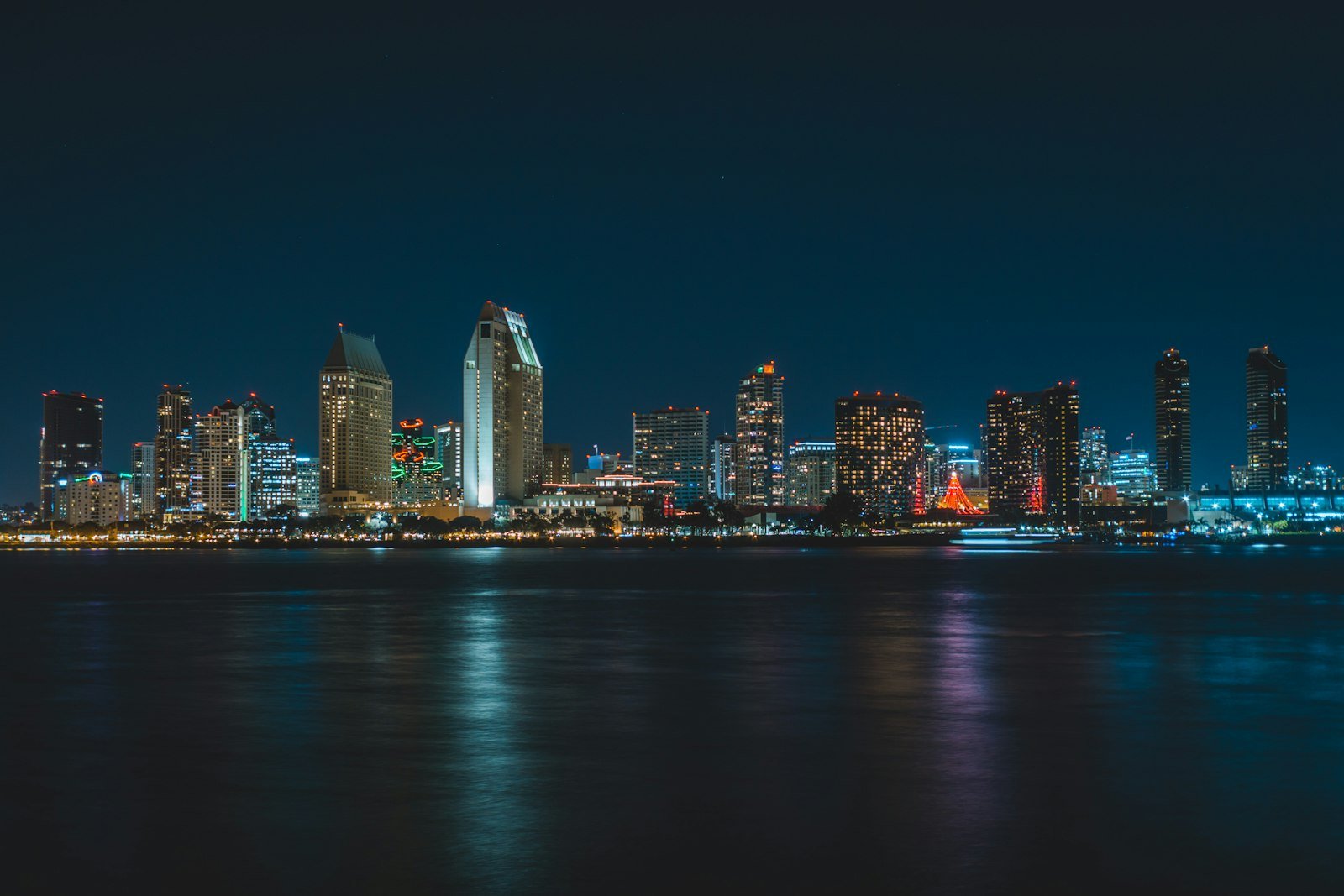
San Diego is known for much more than warm weather and ocean views. Its character comes from a mix of beaches, Mexican and Indigenous cultural influences, major museums, military and maritime history, outdoor recreation, live music, craft beverages, and distinctive neighborhoods. Balboa Park may be the cultural centerpiece, but the coast, waterfront, food scene, and local communities are just as important to understanding the city.
Quick Answer
San Diego is best known for its beaches, Balboa Park, the San Diego Zoo, Mexican-influenced food, craft breweries, naval heritage, year-round outdoor recreation, and neighborhoods ranging from historic Old Town to La Jolla and Barrio Logan. Its combination of culture, coastline, food, and mild weather gives visitors far more to explore than a typical beach destination.
Key Takeaways
- Balboa Park is a 1,200-acre cultural center with museums, gardens, architecture, performance spaces, and the nearby San Diego Zoo.
- The coast is central to San Diego’s identity, from La Jolla and Torrey Pines to Ocean Beach, Pacific Beach, and Coronado.
- San Diego’s history includes thousands of years of Kumeyaay presence as well as Spanish, Mexican, American, maritime, and military chapters.
- Fish tacos, Mexican cuisine, seafood, farmers markets, and more than 150 breweries across San Diego County shape the local food-and-drink scene.
- Schedules, parking rules, tours, festivals, and coastal conditions can change, so check official information before your visit.
Disclosure: As an Amazon Associate I earn from qualifying purchases. Some links on this page are affiliate links, at no extra cost to you.
San Diego Arts and Culture
Balboa Park is the heart of San Diego’s museum and performing-arts scene. The 1,200-acre park contains 17 museums and cultural institutions under the official Balboa Park visitor site’s current classification, including the San Diego Museum of Art, Mingei International Museum, Fleet Science Center, Museum of Us, San Diego Natural History Museum, and San Diego History Center.
The San Diego Museum of Art has a broad international collection that includes artists such as Matisse and Monet along with strong holdings in Spanish, American, Asian, European, and Latin American art. Mingei International Museum focuses on art of the people, while the Fleet Science Center offers hands-on exhibits that make Balboa Park especially useful for families.
Art also extends beyond museum walls. The UC San Diego Stuart Collection places site-specific works throughout the university campus, with pieces by artists including Do Ho Suh, Niki de Saint Phalle, Jenny Holzer, Bruce Nauman, and Robert Irwin. Elsewhere in San Diego, murals and public sculpture give neighborhoods their own visual character.
Balboa Park’s gardens are part of the experience as well. The historic Botanical Building reopened after a major restoration in December 2024, and the Japanese Friendship Garden & Museum combines landscaped grounds with changing exhibitions and cultural programs.
Balboa Park covers about 1,200 acres, combining museums, gardens, performing-arts venues, recreation areas, trails, and major visitor attractions in one central part of San Diego.
Live Music and Festivals
San Diego’s music scene ranges from small clubs to major outdoor events. The Casbah remains a fixture for indie, alternative, rock, and touring acts, while the Belly Up Tavern in Solana Beach has hosted performers for more than five decades. House of Blues San Diego offers another regular calendar of national and regional artists near the Gaslamp Quarter.
Smaller venues add variety. Dizzy’s is associated with the local jazz scene, while Tin Roof and other downtown clubs provide more casual live-music settings. Music venues around the Point Loma peninsula, Ocean Beach, North Park, and central San Diego also make it easy to build an evening around a neighborhood rather than one major arena.
Older San Diego travel guides may still recommend the annual KAABOO Del Mar festival. KAABOO was once a major regional event, but travelers should not assume it is part of the current annual calendar without verifying new dates. For a confirmed 2026 example, CRSSD Festival Fall ’26 is scheduled for September 26-27 at Waterfront Park, with electronic and dance acts on multiple stages.
Note: Festival lineups, venue calendars, age restrictions, and event dates can change. Check the organizer or venue directly before buying transportation or building an itinerary around a performance.
Notable Architecture and Landmarks
San Diego’s architecture reflects several periods of the city’s development. Downtown’s Central Library is recognizable for its large dome and contemporary design. Across the bay, the San Diego-Coronado Bridge has been part of the skyline since 1969, creating a sweeping connection between San Diego and Coronado.
Balboa Park is known for ornate historic buildings associated with the 1915 Panama-California Exposition. Its towers, arcades, courtyards, and Spanish Colonial Revival-inspired architecture make the central cultural district as much an architectural destination as a museum district.
In La Jolla, the Salk Institute offers a dramatic contrast. Jonas Salk selected architect Louis Kahn to design the research campus, whose symmetrical concrete buildings frame a travertine courtyard facing the Pacific. It remains one of the city’s best-known examples of modern architecture.
Old Town and Mission Valley provide another layer. Historic adobe structures, mission-era sites, reconstructed buildings, and later Spanish Colonial-influenced architecture help illustrate how the region changed over centuries rather than presenting one single architectural identity.
History and Heritage
San Diego’s history begins long before European arrival. The region is the ancestral homeland of the Kumeyaay people, and that history should be part of any visit to Old Town, Mission Valley, Cabrillo National Monument, and other historic sites.
At Cabrillo National Monument on Point Loma, the National Park Service commemorates Juan Rodríguez Cabrillo’s arrival at San Diego Bay on September 28, 1542. The site also includes the Old Point Loma Lighthouse, coastal overlooks, and tidepools that connect maritime history with the natural environment.
Old Town San Diego State Historic Park presents another period of local history. California State Parks explains the site’s evolution from Kumeyaay homeland through the Spanish settlement established in 1769, the Mexican period, and later American settlement. Historic buildings, exhibits, and living-history programs make this context easier to understand than a simple label such as “Spanish colonial history.”
The Balboa Park Cultural District adds stories of art, civic development, international exhibitions, and local communities. Together, these sites show that San Diego’s heritage is layered rather than limited to its mission era.
Naval and Maritime Heritage
San Diego is also closely tied to the U.S. Navy and the Pacific. Naval Base San Diego traces its history to the early 1920s and remains a major Pacific Fleet surface-force installation. The military presence has influenced the city’s waterfront, population, economy, architecture, and identity for generations.
The USS Midway Museum provides the most accessible visitor introduction to that history. The aircraft carrier was commissioned in 1945, served for decades through the Cold War and later conflicts, was decommissioned in San Diego in 1992, and opened as a museum in 2004. Today visitors can explore flight-deck aircraft, hangar spaces, below-deck areas, exhibits, and stories from former service members.
For travelers interested in history, pairing the Midway with Cabrillo National Monument creates a useful overview of San Diego’s relationship with exploration, naval aviation, the harbor, and the Pacific Ocean.
Balboa Park Attractions
Balboa Park deserves more than a quick stop. Across its 1,200 acres, visitors can combine museums with gardens, historic architecture, performing arts, walking paths, and family attractions. The San Diego History Center and Fleet Science Center are useful starting points for history and science, while the restored Botanical Building and Japanese Friendship Garden & Museum add quieter spaces to the day.
The historic Balboa Park Carousel is still known for its traditional brass-ring game. Nearby, the Spreckels Organ Pavilion houses a pipe organ with more than 5,000 pipes and hosts recurring free concerts, including regular Sunday performances.
The California Tower is another highlight, but access is more structured than simply walking up whenever you arrive. The tower is part of the Museum of Us, and current tower access is through a guided tour requiring museum admission or membership plus a tower-tour ticket. Tours culminate at an eighth-floor viewing deck with broad views across San Diego.
Older park schedules may reference special Committee of 100 tours at fixed times. Current general visitor-center tours are listed for Tuesday at 11 a.m. and Friday at 2 p.m., though schedules can change.
Pro Tip: Do not try to see every Balboa Park museum in one visit. Pick two or three priorities, leave time for the gardens and architecture, and use the park’s tram or public transit when it makes sense.
San Diego Zoo and Family Attractions
The San Diego Zoo is one of the major attractions associated with Balboa Park and an important omission from any overview of what San Diego is known for. It sits on the northern side of the park, making it possible to combine the Zoo with nearby museums, although trying to cover both the entire Zoo and the entire cultural district in a single day can feel rushed.
Families can also combine the Fleet Science Center, Balboa Park Carousel, model railroad exhibits, gardens, beaches, and waterfront attractions. The best choice depends on children’s ages and whether the group prefers animals, science, history, or outdoor time.
Culinary Scene and Local Cuisine
San Diego’s dining culture draws heavily from its location near Mexico and the Pacific. Fish tacos, carne asada, birria, ceviche, seafood, and regional Mexican dishes are central parts of the experience, but the city also has strong Italian, Asian, contemporary Californian, and farm-driven dining scenes.
Tacos El Gordo is a familiar name for Tijuana-style tacos, while El Pescador Fish Market in La Jolla is known for seafood. Buona Forchetta represents the city’s popular Italian dining scene and its emphasis on straightforward ingredients and neighborhood restaurants.
The La Jolla Open Aire Market operates on Sundays and stands out because market proceeds support La Jolla Elementary School programs. Farmers markets in other neighborhoods can also be a good way to sample local produce, prepared food, baked goods, and small food businesses.
Craft beverages are another major part of regional food culture. Current San Diego tourism information reports more than 150 breweries across San Diego County. That is a countywide figure rather than a count for the city alone, but it helps explain why brewery tasting rooms and locally produced beer are common throughout the region.
For dessert, longtime local names such as MooTime Creamery and newer regional favorites such as Salt & Straw provide easy stops when exploring Coronado, Little Italy, or other restaurant districts.
Beaches and Coastal Neighborhoods
San Diego’s coastline is one of the clearest reasons the city has such a strong outdoor identity. La Jolla combines coves, rocky shoreline, beaches, sea views, restaurants, and access to nearby Torrey Pines. Pacific Beach has a busier boardwalk-and-beach atmosphere, while Ocean Beach feels more casual and locally focused.
Across San Diego Bay, Coronado Beach offers a broad sandy shoreline about 1.75 miles long. It has year-round lifeguard staffing at the permanent Central Beach station, with additional seasonal towers during summer.
These areas are better viewed as distinct coastal destinations than as points on one continuous walking trail. Choose one or two neighborhoods per outing instead of assuming you can follow a single coastal path from La Jolla through Pacific Beach to Ocean Beach.
Neighborhoods and Local Culture
San Diego’s personality changes quickly from neighborhood to neighborhood. The Gaslamp Quarter is associated with downtown nightlife and entertainment. Little Italy combines restaurants, cafés, markets, and pedestrian-friendly blocks near the waterfront. North Park is known for independent restaurants, bars, music, and arts-oriented businesses.
Barrio Logan adds an especially important cultural dimension. Its Mexican-American and Chicano heritage, murals, food businesses, galleries, and community spaces make it a meaningful counterpoint to more tourist-heavy districts. Old Town, meanwhile, is best approached as a historic area rather than simply a restaurant destination.
Beach neighborhoods such as La Jolla, Pacific Beach, and Ocean Beach each have different rhythms as well. Exploring at neighborhood scale helps visitors experience San Diego as a collection of communities rather than a checklist of isolated attractions.
Outdoor Activities and Natural Beauty
Torrey Pines State Natural Reserve is one of San Diego’s signature hiking areas. The protected reserve is home to the rare Torrey pine, Pinus torreyana, which naturally grows only in this area and on Santa Rosa Island. Trails cross coastal scrub and sandstone terrain before reaching overlooks above the Pacific.
Sunset Cliffs Natural Park offers another dramatic coastline, with carved bluffs, arches, sea caves, and broad ocean views along Point Loma. Enjoy the scenery from established paths and overlooks rather than treating unofficial cliff descents as beach access.
Warning: San Diego’s coastal bluffs can be unstable. At Torrey Pines, California State Parks warns that rockslides and cliff collapses can occur without notice. Stay on designated trails, keep away from cliff edges and bluff bases, and follow posted closures and tide guidance.
La Jolla, Pacific Beach, and Ocean Beach offer their own beach walks and viewpoints, while Kate Sessions Park provides elevated views toward Mission Bay and the Pacific. Hiking, cycling, surfing, swimming, tidepool viewing, and simple sunset walks all make it easy to build outdoor time into a San Diego itinerary.
Conditions matter. Torrey Pines is a protected natural reserve with stricter rules than a neighborhood park, including no dogs and restrictions designed to protect fragile habitat. Check trail status before leaving and carry water even when coastal temperatures feel mild.
Planning Your San Diego Visit
San Diego is spread out, so grouping attractions by area saves time. Balboa Park, the Zoo, Hillcrest, and North Park work naturally together. The USS Midway, waterfront, Little Italy, and Gaslamp Quarter form another central cluster. La Jolla and Torrey Pines pair well for a coastal day, while Coronado is easiest to treat as its own outing.
Balboa Park parking changed in 2026. Paid parking took effect on January 5, 2026 and remains active through the end of the year, although verified City of San Diego residents and some lots have different rates or free options. Visitors should check current City parking information rather than rely on an older guide that says all park parking is free.
Public transportation can be useful for central attractions. San Diego Metropolitan Transit System Route 7 and Rapid 215 provide frequent service between downtown, Balboa Park, and the Zoo, reducing the need to move a car between nearby attractions.
Finally, verify opening hours and reservation requirements for the places that matter most to you. Museum exhibitions, guided tours, parking regulations, festivals, coastal access, and special events can all change faster than San Diego’s permanent landmarks.
Conclusion
San Diego stands out because several different travel experiences fit into one region. You can spend the morning hiking above the Pacific, explore museums or the San Diego Zoo in Balboa Park, learn about Kumeyaay and maritime history, eat tacos or seafood, and finish the day with a neighborhood concert or coastal sunset.
Balboa Park, the beaches, local food, outdoor recreation, naval heritage, architecture, and neighborhood cultures all deserve a place in a well-rounded visit. Rather than trying to cross every attraction off a list, group your days geographically and leave enough time to experience the communities between the landmarks.
Sources
- Balboa Park Official Visitor Site — park acreage, museums, attractions, and visitor information.
- City of San Diego — Balboa Park Parking — current 2026 parking rules and rates.
- National Park Service — Cabrillo National Monument — Cabrillo history, coastal resources, tidepools, and visitor safety.
- California State Parks — Torrey Pines State Natural Reserve — Torrey pine habitat, trail conditions, reserve rules, and visitor information.
- UC San Diego Stuart Collection — site-specific public art and participating artists.
- Salk Institute for Biological Studies — Louis Kahn’s design and the architectural history of the Salk Institute.
