
Last Updated on July 24, 2026 by Daniel Globe
San Francisco packs famous landmarks, historic neighborhoods, waterfront scenery, parks, food, nightlife, and cultural attractions into a relatively compact city. You can cross the Golden Gate Bridge, tour Alcatraz, ride a cable car, explore Chinatown and the Mission, or simply spend an afternoon watching sea lions and taking in the bay. The best trip mixes those icons with a few neighborhood experiences and enough free time to enjoy the city at a slower pace.
Quick Answer
The best things to do in San Francisco include walking or biking the Golden Gate Bridge, touring Alcatraz, riding a cable car, seeing the sea lions at PIER 39, exploring Chinatown and the Mission, visiting the Presidio and Golden Gate Park, taking a bay cruise, and making time for the city’s outstanding food scene.
Key Takeaways
- Book Alcatraz and other high-demand attractions before your trip, especially for weekends and holidays.
- Use Muni, BART, walking, and rideshares where practical; parking can be expensive and difficult in popular neighborhoods.
- Pack layers. A sunny afternoon in the Mission can feel very different from a windy visit to the Golden Gate Bridge.
- Group nearby sights together so you spend more time exploring and less time crossing the city.
- Check official attraction pages shortly before visiting because fares, schedules, sidewalk access, events, and reservation rules can change.
Disclosure: As an Amazon Associate I earn from qualifying purchases. Some links on this page are affiliate links, at no extra cost to you.
Plan Before You Go
San Francisco is compact on a map, but its hills, traffic, and neighborhood layout can make sightseeing take longer than expected. Build each day around one part of the city. For example, combine the Presidio, Crissy Field, Golden Gate Bridge, and Marina waterfront; pair Chinatown with North Beach and Union Square; and explore the Mission with Dolores Park.
You do not need a car for most of the activities below. Muni buses, light rail, historic streetcars, cable cars, BART, walking, and rideshares cover most visitor areas. A car becomes more useful for destinations outside the city, although parking reservations and other restrictions may still apply.
Pro Tip: Reserve Alcatraz early, check Golden Gate Bridge sidewalk conditions before biking, and arrange Muir Woods parking or shuttle reservations before leaving San Francisco. These are three activities where arriving without a plan can cost you valuable sightseeing time.
Cross the Golden Gate Bridge
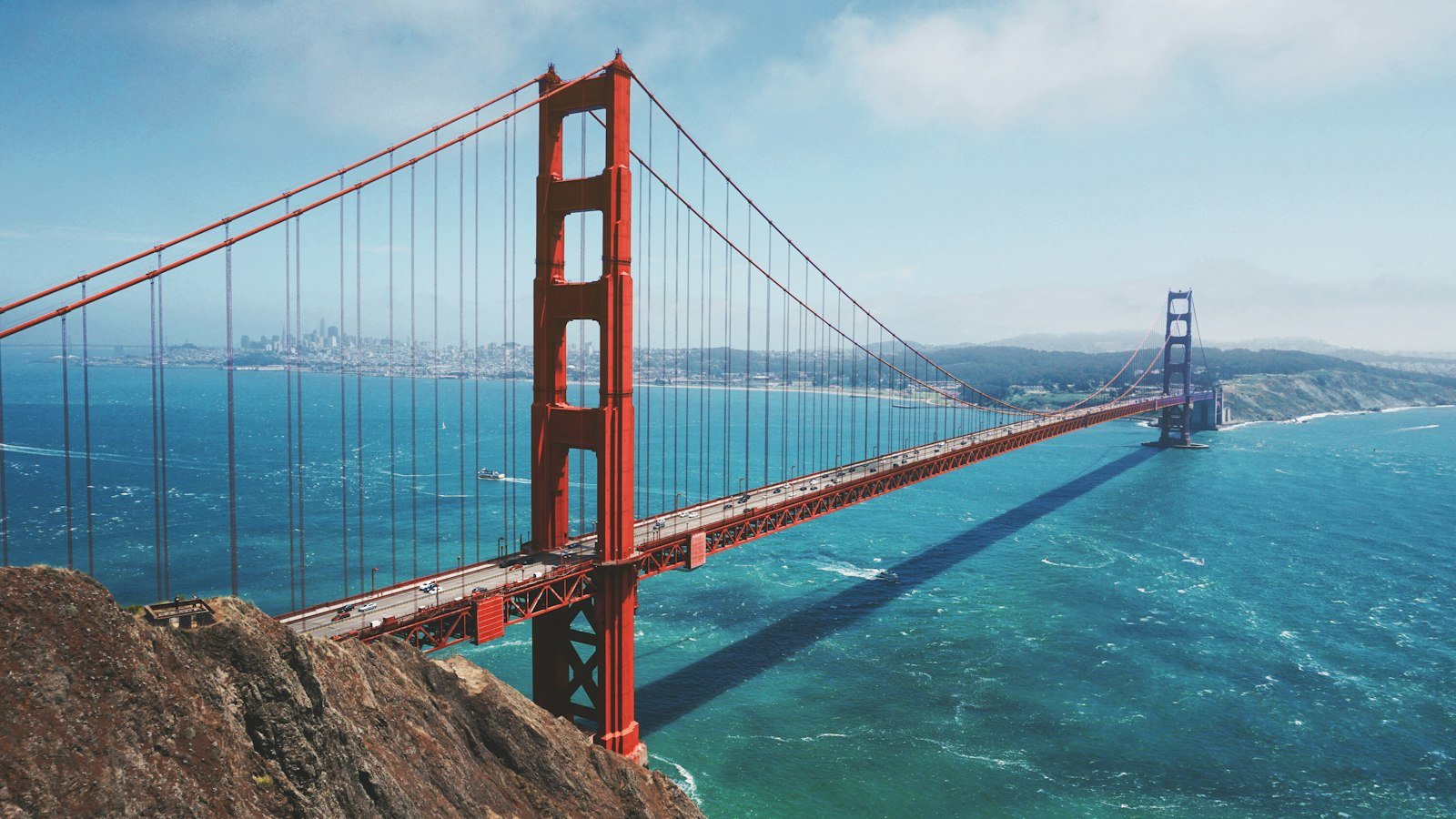
Walking across the Golden Gate Bridge is one of San Francisco’s signature experiences. The bridge is about 1.7 miles long, and the pedestrian walkway gives you wide views over the bay, Pacific Ocean, city skyline, Marin Headlands, and Alcatraz on a clear day.
Pedestrians use the east sidewalk during posted pedestrian hours. Cyclists can also cross the bridge, but the east and west sidewalk assignments change according to the day, time, events, weather, and construction. Check the official Golden Gate Bridge bicycle and pedestrian rules before a bike ride.
For photographs, Baker Beach and the Presidio offer excellent views from the San Francisco side. Battery Spencer is another classic viewpoint, but it is north of the bridge in the Marin Headlands rather than on the bridge itself.
Note: Conditions on the bridge can be much colder and windier than downtown San Francisco. Bring a layer even when the rest of the city feels warm.
Ride A Cable Car
A cable-car ride combines sightseeing with one of the city’s most recognizable forms of transportation. San Francisco’s manually operated cable cars grip moving underground cables as they climb some of the city’s steepest streets.
The Powell-Hyde and Powell-Mason lines connect downtown with the Fisherman’s Wharf area, while the California Street line crosses Nob Hill. A single cable-car ride currently costs $9 for an adult and does not include a transfer, according to SFMTA.
The terminal turntables are fun to watch, but they can also have the longest queues. Boarding at an intermediate stop can sometimes save time, although full cars may pass without room for additional riders.
Visit The Rock
Alcatraz Island, commonly called “The Rock,” is one of the city’s most popular historic attractions. The former federal penitentiary held prisoners including Al Capone and now forms part of Golden Gate National Recreation Area.
The National Park Service states that Alcatraz City Cruises is the only authorized ferry provider permitted to land visitors on Alcatraz. Ferries leave from Pier 33, and advance reservations are strongly recommended.
Standard tickets include round-trip ferry transportation and the cellhouse audio experience. Once on the island, allow enough time to tour the cellhouse, see historic buildings and gardens, and enjoy views back toward San Francisco.
Night tours offer a different atmosphere and additional evening views, but schedules and prices change. Check the official booking information instead of relying on third-party prices.
See the Sea Lions
Head to PIER 39’s K-Dock to see one of the waterfront’s most entertaining residents: California sea lions. A few began hauling out near the pier after the 1989 Loma Prieta earthquake, and large numbers had arrived by January 1990.
The population changes with migration patterns and food availability, so the number you see can vary dramatically by season. The PIER 39 sea-lion page provides current information and a live webcam.
Give the animals space and view them from the public observation areas rather than trying to approach wildlife elsewhere around the bay.
Have a Picnic in a Park
San Francisco has plenty of places to slow down between attractions. Dolores Park is a favorite for city views, people-watching, and an easy meal after exploring the Mission.
Golden Gate Park offers lawns and picnic areas near major attractions such as the Conservatory of Flowers, de Young museum, Japanese Tea Garden, and California Academy of Sciences. The Presidio provides another excellent option, especially around Crissy Field and Presidio Tunnel Tops.
Pack layers and something wind-resistant. San Francisco’s microclimates can make conditions change quickly even during the same afternoon.
Go To An Outdoor Festival
San Francisco’s event calendar includes outdoor music, food, arts, cultural, and neighborhood festivals throughout the year. Summer and early fall are especially active, with large events in parks as well as smaller street fairs scattered across the city.
Long-running events commonly associated with the city include the Stern Grove Festival, Outside Lands, Hardly Strictly Bluegrass, neighborhood street fairs, Pride celebrations, and seasonal events at the Presidio and Golden Gate Park. Some are free while others require paid tickets or advance reservations.
Festival dates, entry systems, bag policies, and transportation plans change from year to year, so confirm the current schedule before building an itinerary around an event.
Go On A Walking Tour
Walking is one of the best ways to understand San Francisco because individual neighborhoods can feel completely different within just a few blocks.
In Chinatown, combine historic streets and alleyways with stops for dim sum, pastries, tea, and fortune cookies. Hang Ah Tea Room opened in 1920 and is widely recognized as America’s oldest dim sum parlor, while Eastern Bakery is another long-running neighborhood institution.
From Chinatown, continue into North Beach for Italian cafes, bakeries, bookstores, Washington Square, and historic spots such as Caffe Trieste. Guided food and history tours are useful when you want more background than a self-guided walk provides.
You can also follow portions of the Barbary Coast Trail, which links dozens of historic locations through downtown and the northeastern part of the city.
See A Show
Save at least one evening for San Francisco’s performing-arts scene. BroadwaySF presents touring productions at major downtown theaters, while the San Francisco Opera performs at the War Memorial Opera House and the San Francisco Symphony performs at Davies Symphony Hall.
Smaller venues throughout the Mission, North Beach, Civic Center, and Castro offer comedy, jazz, cabaret, drag, independent theater, and live music. Check current calendars before your visit because schedules vary widely by night and season.
If you are interested in opera, the city also hosts occasional free or special performances outside the traditional theater setting.
Experience Illuminate SF
Illuminate SF is not a single attraction or packaged sightseeing tour. It is a citywide celebration of light art, with permanent and seasonal installations spread across neighborhoods including the Embarcadero, SoMa, Golden Gate Park, Chinatown, North Beach, Civic Center, Hayes Valley, and the Castro.
According to San Francisco Travel’s Illuminate SF guide, the seasonal Festival of Light generally runs from the day after Thanksgiving through the end of January, while a number of installations can be seen year-round.
Permanent works such as Buckyball near the Exploratorium and Language of the Birds near Broadway and Columbus make it possible to include light art even outside the winter festival period.
Visit the Historic Presidio
The Presidio combines national-park scenery with centuries of history in roughly 1,500 acres next to the Golden Gate Bridge. Its trails, beaches, restored habitats, military buildings, museums, overlooks, picnic areas, hotels, and restaurants make it easy to spend several hours here.
Start at Presidio Tunnel Tops, where lawns, overlooks, family play areas, picnic sites, and paths connect the Main Post with the waterfront at Crissy Field.
From there, explore Crissy Field, Fort Point National Historic Site, Battery Bluff, or one of the park’s trails. Battery Spencer, another famous bridge viewpoint, is across the Golden Gate Bridge in the Marin Headlands and should be treated as a separate stop.
Feel the Love in Haight-Ashbury
Haight-Ashbury remains closely linked with the 1960s counterculture and the 1967 Summer of Love. Victorian architecture, vintage clothing stores, record shops, murals, cafes, and independent businesses give the neighborhood a character that still differs sharply from downtown.
Walk along Haight Street, browse the shops, and look for buildings and landmarks connected with San Francisco’s psychedelic-rock era. From the neighborhood, it is easy to continue into Golden Gate Park.
Cable cars do not run through Haight-Ashbury, so use Muni buses, nearby light rail, walking, or a rideshare instead.
Explore the Mission
The Mission District combines Latino heritage, public art, independent businesses, nightlife, restaurants, bakeries, and some of San Francisco’s sunniest weather.
Walk Valencia Street for shops and cafes, then head toward 24th Street and the neighborhood’s taquerias and longtime businesses. Balmy Alley is one of the best-known places to see murals reflecting immigration, politics, social movements, and community history.
Dolores Park makes an easy final stop. From its slopes you can rest while looking toward downtown before returning to the neighborhood for dinner or nightlife.
See Sights On A Bike
A bicycle or e-bike lets you connect the Marina waterfront, Crissy Field, Presidio, and Golden Gate Bridge without relying on a car. E-bikes are especially useful on San Francisco’s hills.
A popular route follows the waterfront through Crissy Field and the Presidio before crossing the bridge. Riders continuing into Marin can add Sausalito or climb toward Marin Headlands viewpoints such as Battery Spencer.
Closer to the city waterfront, stops can include the Wave Organ, Marina Green, Fort Mason, and the Embarcadero. Remember that the Golden Gate Bridge assigns cyclists to different sidewalks at different times, so check the official access schedule first.
Warning: San Francisco traffic, rail tracks, steep hills, wind, and crowded bridge sidewalks require extra attention. Wear a helmet, follow bicycle signals, and slow down around pedestrians.
Find Locally Made Gifts
Skip generic souvenirs when you can bring home something tied more closely to the city. Chinatown, North Beach, the Mission, Hayes Valley, Haight-Ashbury, the Ferry Building, and neighborhood markets are good places to look for locally produced food, art, ceramics, prints, jewelry, and specialty goods.
The Ferry Building is especially convenient for edible gifts such as chocolate, preserves, baked goods, coffee, and other California-made products. Independent shops in the Mission, Haight, and Hayes Valley are better choices for artwork, design pieces, clothing, and handcrafted items.
Check labels before buying if local production matters to you; a San Francisco-themed item is not necessarily made in San Francisco.
Meet the LGBTQ+ Community
The Castro is one of the best places to learn about San Francisco’s LGBTQ+ history and living culture. Rainbow flags, historic sites, community organizations, theaters, bars, restaurants, and memorials reflect decades of activism as well as contemporary neighborhood life.
Walk Castro Street, visit the GLBT Historical Society Museum when its current schedule fits your trip, and look for sites associated with Harvey Milk and the broader movement for LGBTQ+ civil rights.
San Francisco Pride is the largest annual celebration, but queer film, performance, nightlife, drag, cultural programs, and community events take place throughout the year.
Sip At A Local Brewery or Winery
San Francisco has its own craft-beer bars, breweries, urban tasting rooms, and wine-focused restaurants, so you do not have to leave the city for a tasting experience.
Neighborhoods such as SoMa, the Mission, Dogpatch, Bernal Heights, and nearby waterfront districts have rotating selections of local and regional beer. Wine bars throughout the city provide a convenient way to sample bottles from California producers without planning a full wine-country excursion.
Napa and Sonoma can make excellent day trips, but they are separate destinations. If you plan to taste extensively outside San Francisco, use a tour, hired driver, or other transportation that does not require you to drive afterward.
Have Brunch
Weekend brunch is popular across San Francisco, but restaurant schedules change frequently. Absinthe Brasserie & Bar in Hayes Valley currently serves weekend brunch and combines French brasserie dishes with cocktails in a polished but relaxed setting.
Foreign Cinema in the Mission is another established weekend option, with brunch served Saturday and Sunday. Bread N’ Chu on Clement Street offers Japanese-inspired katsu and shokupan sandwiches for a more casual daytime meal.
Izakaya Sozai currently lists weekend lunch from noon to 3 p.m., making it an option for a later Japanese meal. Nopa, by contrast, currently opens for dinner rather than brunch, so save it for the evening.
Reservations are wise for popular sit-down restaurants, particularly on weekends.
See Wildlife
You do not have to leave San Francisco to encounter wildlife. The California Academy of Sciences combines an aquarium, rainforest, natural-history displays, penguins, and other living exhibits under one roof.
At PIER 39, Aquarium of the Bay focuses on San Francisco Bay and Northern California aquatic life. In Golden Gate Park, visit the Bison Paddock to see the park’s small herd grazing inside its maintained enclosure.
For wild animals in a natural setting, Lands End is particularly good for birdwatching. Migratory and resident birds use the coastal cliffs and waters, and visitors may occasionally spot sea lions, dolphins, or other marine wildlife offshore.
Embrace Mother Nature
San Francisco’s natural scenery extends far beyond its famous bridge. Hike the Presidio, walk the cliffs at Lands End, explore Golden Gate Park, or watch waves roll toward the ruins at Sutro Baths.
Baker Beach provides one of the city’s classic Golden Gate Bridge views, while Crissy Field offers a gentler waterfront walk. Golden Gate Park adds gardens, wooded paths, lakes, meadows, and miles of space to explore.
For towering coast redwoods, Muir Woods National Monument is a worthwhile excursion north of the city. However, this trip requires more planning than a normal city attraction. The National Park Service requires reservations for visitors using the parking lots or shuttle.
Note: Before leaving for Muir Woods, review the National Park Service planning guidance. Parking and shuttle reservations can sell out, and cell service around the monument is unreliable.
Discover the History of San Francisco
San Francisco’s history becomes much easier to understand when you connect its museums with the streets and transportation systems around them.
The Cable Car Museum explains how the city’s famous cable system works and lets visitors see operating machinery. The San Francisco Railway Museum near the Ferry Building focuses on the city’s streetcars and rail-transit history.
For maritime history, explore the vessels and waterfront sites associated with San Francisco Maritime National Historical Park. The Presidio and Fort Point add military, Indigenous, immigration, architectural, and coastal history to the story.
The former Wells Fargo History Museum at 420 Montgomery Street is no longer an operating visitor attraction, so older guides recommending it should be treated as outdated.
Get Out On the Water
Seeing San Francisco from the bay changes the perspective completely. Cruises provide open views of the skyline, Golden Gate Bridge, Alcatraz, Bay Bridge, waterfront, and surrounding hills.
Options range from short sightseeing cruises to sailboat, catamaran, sunset, and dinner experiences. Choose based on how much time you want to spend on the water rather than assuming the longest or most expensive trip is automatically the best.
Even on a sunny day, wind on the bay can feel cold. Bring a jacket and protect cameras and phones from spray.
Visit Famous Film and TV Locations
San Francisco’s hills, Victorian houses, bridges, and waterfront have appeared in decades of films and television shows. A self-guided screen-location tour can easily be combined with normal sightseeing.
Fans of Mrs. Doubtfire can see the Hillard family house exterior at 2640 Steiner Street in Pacific Heights. Remember that it is a private home, so photograph it only from public space and respect residents.
For Full House, Alamo Square provides the familiar view of the Painted Ladies seen in the opening sequence. The actual Tanner house exterior is a different private residence at 1709 Broderick Street.
Other films have used Fort Point, Chinatown, Fisherman’s Wharf, downtown streets, Golden Gate Park, and the city’s steep hills. Movie fans can build an entire day around locations while still seeing major San Francisco neighborhoods.
Shop In Union Square
Union Square remains San Francisco’s best-known central shopping district, with department stores, designer brands, smaller retailers, hotels, restaurants, and theaters within a walkable downtown area.
BART and Muni make it easier to visit without worrying about downtown parking. Chinatown is within walking distance, and cable-car lines provide another memorable way to continue toward Nob Hill or Fisherman’s Wharf.
During the holiday season, Union Square traditionally adds decorations and seasonal attractions. Confirm dates before visiting specifically for an ice rink or special event because schedules can change each year.
Delve Into Chinatown
San Francisco’s Chinatown rewards visitors who venture beyond Grant Avenue. Explore the side streets and alleys, browse markets, stop for tea or pastries, and give yourself time for a proper meal.
Hang Ah Tea Room dates to 1920 and is widely described as America’s oldest dim sum parlor. Eastern Bakery on Grant Avenue is another historic Chinatown business, especially well known for Chinese pastries and mooncakes.
The Golden Gate Fortune Cookie Factory is a popular stop for seeing fortune cookies made in a compact alleyway workshop. Portsmouth Square provides a useful resting point in the middle of the neighborhood.
For deeper context, take a guided history or food tour rather than treating Chinatown as a quick photo stop between downtown attractions.
Dine at Incredible Restaurants
Food should be part of the itinerary rather than something squeezed between attractions. San Francisco’s dining scene reflects Chinese, Japanese, Mexican, Italian, French, Filipino, Californian, and many other culinary traditions.
Absinthe Brasserie is a longstanding Hayes Valley choice for French brasserie fare. Izakaya Sozai and Rintaro offer different takes on Japanese dining, while Nopa remains a popular evening destination on Divisadero Street.
Brenda’s French Soul Food is known for Creole-inspired comfort food. Foreign Cinema combines dining with films projected in its courtyard after dark, and State Bird Provisions offers one of the city’s more distinctive small-plate experiences.
Other casual choices, neighborhood bakeries, taquerias, dumpling shops, seafood counters, and food markets are just as much a part of the San Francisco experience. Mix one or two reservation-worthy restaurants with spontaneous neighborhood meals instead of planning every meal around famous names.
The most rewarding San Francisco itinerary usually combines major landmarks with time on foot in individual neighborhoods rather than racing from one famous attraction to the next.
Sources
- Golden Gate Bridge, Highway and Transportation District — pedestrian and bicycle access rules.
- San Francisco Municipal Transportation Agency — current cable-car single-ride fare and ticket rules.
- National Park Service — Alcatraz Island — authorized ferry provider, ticket inclusions, and visitor planning.
- PIER 39 — sea-lion history, seasonal presence, and viewing information.
- San Francisco Travel — Illuminate SF — seasonal festival and permanent light-art information.
- National Park Service — Muir Woods National Monument — parking, shuttle, reservation, and trip-planning requirements.
Conclusion
San Francisco is at its best when you mix the landmarks with the neighborhoods around them. Cross the Golden Gate Bridge, tour Alcatraz, ride a cable car, and see the sea lions, but also leave room for the Mission, Chinatown, the Presidio, Golden Gate Park, local restaurants, and a waterfront walk. Plan the attractions that require reservations in advance, group nearby sights together, carry an extra layer, and give yourself enough time to enjoy the city rather than simply checking off a list.

