

Last Updated on September 11, 2026 by Logan Reeves
You rely on insulated layers to keep you comfortable, safe, and efficient outdoors, so understanding the tradeoffs between down and modern synthetics matters. This guide cuts through marketing and claims to show when natural down gives you the best warmth-to-weight and compressibility and when synthetic insulations like PrimaLoft or mapped Primaloft outperform down in wet, high-output, or technical scenarios.
By the end you will know which insulation fits your activity, budget, and care preferences so you can choose a jacket that actually meets your needs.
Disclosure: As an Amazon Associate I earn from qualifying purchases. Some links on this page are affiliate links, at no extra cost to you.
Top Picks
|
Category |
Product |
Score |
|---|---|---|
|
🏆 Best Sustainable Down |
90/100 |
|
|
🎯 Best For High-Output |
87/100 |
|
|
⭐ Best Premium Insulator |
82/100 |
|
|
🏔️ Best For Belay Duty |
95/100 |
|
|
🚀 Best Active Stretch Layer |
83/100 |
How We Picked
You need reliable signals when choosing between down and synthetics, so we evaluated each jacket across real-world performance metrics rather than advertising copy. Warmth-to-weight and compressibility were weighed for overnight and packable use. Wet-weather resilience and retained loft when damp were measured for active or unpredictable conditions. Breathability and fit mattered for hiking and climbing where you generate heat.
Durability, shell treatment, and thoughtful features such as pocket placement and zippers were included because they affect everyday usefulness. We also considered sustainability credentials and price so you can balance environmental priorities with practical needs.
Ghost Whisperer

You get an ultralight, highly packable down hoody that prioritizes both warmth and sustainability. The recycled shell and responsibly sourced down keep the weight down while still delivering impressive warmth for its size, and the hood plus two zip pockets make it practical for everyday wear.
It performs well as a stand-alone layer in cool, dry conditions and as a midlayer under a rain shell when the weather turns. If you value a low-bulk silhouette, easy layering, and reduced environmental impact, this is a smart pick for travel, commuting, and shoulder-season hikes.
What People Say
Customers frequently praise how lightweight and flattering the fit feels while still providing noticeable warmth. Reviewers note the jacket packs down small and works well over midlayers, though many advise pairing it with a rain shell if you expect wet weather. Fit can vary by body type, so some people size up for extra layering room.
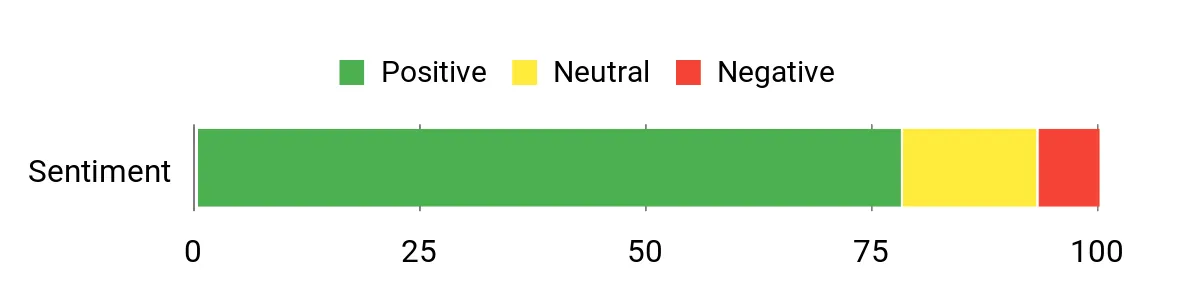
Overall Sentiment: Positive
Comfort
The jacket feels featherlight and close-fitting without bulk, so you can move freely and still add a midlayer underneath when needed. The hood and snug cuffs help trap heat where it matters while maintaining a streamlined profile.
Use Cases
This is versatile enough for daily use, travel, and active outdoors work where weight matters more than full waterproofing. It excels in dry cold and as an insulating midlayer under a shell for wet conditions, but it isn’t a substitute for a rainproof jacket when storms move in.
Key Benefits
- Excellent warmth-to-weight and compressibility
- Recycled face fabric and RDS-certified down
- Hooded design with secure zip pockets
- Lightweight, flattering fit that layers well
Rating: 4.4 (total: 125+)
Rab Cirrus
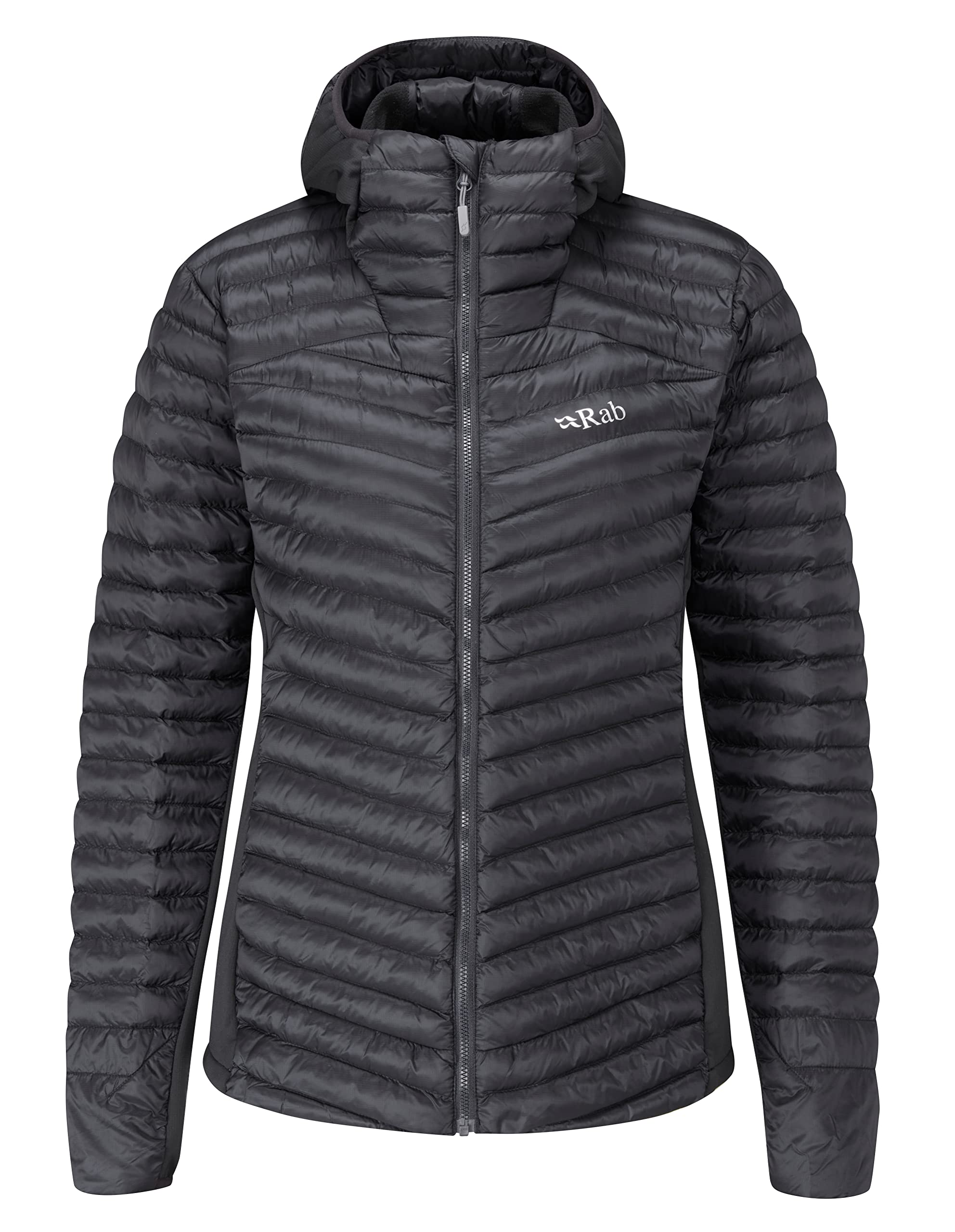
You get a jacket built for movement: lightweight synthetic insulation that still warms when damp, paired with stretch side panels to help vent heat during climbs or fast hikes. The shell is wind- and water-resistant so it works well as an outer layer in unsettled weather, and the streamlined cut keeps it comfortable under a pack.
Use it for ski touring, alpine approaches, or any high-output day when you want insulation that won’t overheat you. If you need a breathable, resilient midlayer that stands up to mixed conditions, this is a solid choice.
What People Say
Customers often highlight how the jacket stays warm without trapping excess heat, praising the stretchy side panels for comfort during activity. Many note the quality construction and flattering, athletic fit while a few mention the chest can run snug depending on body shape. Overall users appreciate the balance of breathability and weather resistance for active days.
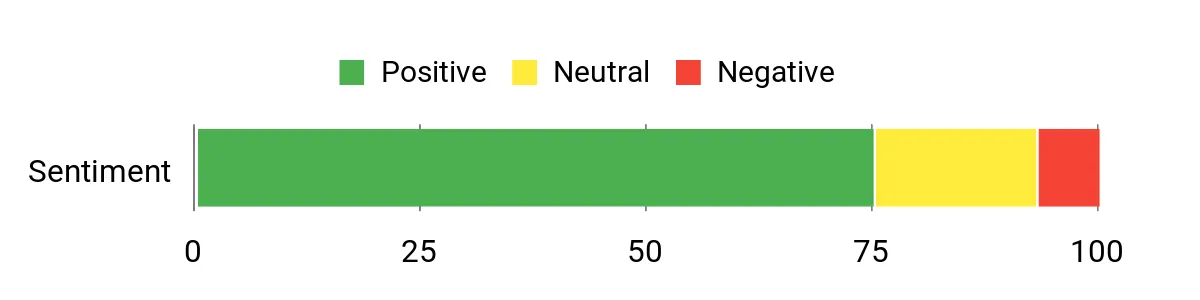
Overall Sentiment: Positive
Comfort
The stretch panels make the hoody feel surprisingly mobile and breathable, so you won’t sweat out climbs. The insulation is light but effective, and the cut is trim—expect a performance-oriented fit that favors layering rather than bulky warmth.
Use Cases
You can wear it as a standalone outer layer in light wind or drizzle, or use it as a midlayer under a waterproof shell for harsher weather. It’s tailored for active outdoor pursuits like trekking, climbing, and ski approaches, but it’s tidy enough for everyday wear when you want a sporty look.
Key Benefits
- PrimaLoft Silver insulation that retains warmth when wet
- Stretch fleece side panels for breathability and mobility
- Wind- and water-resistant outer for mixed conditions
- Streamlined fit that layers well under shells
Rating: 4.4 (total: 83+)
Helly Odin
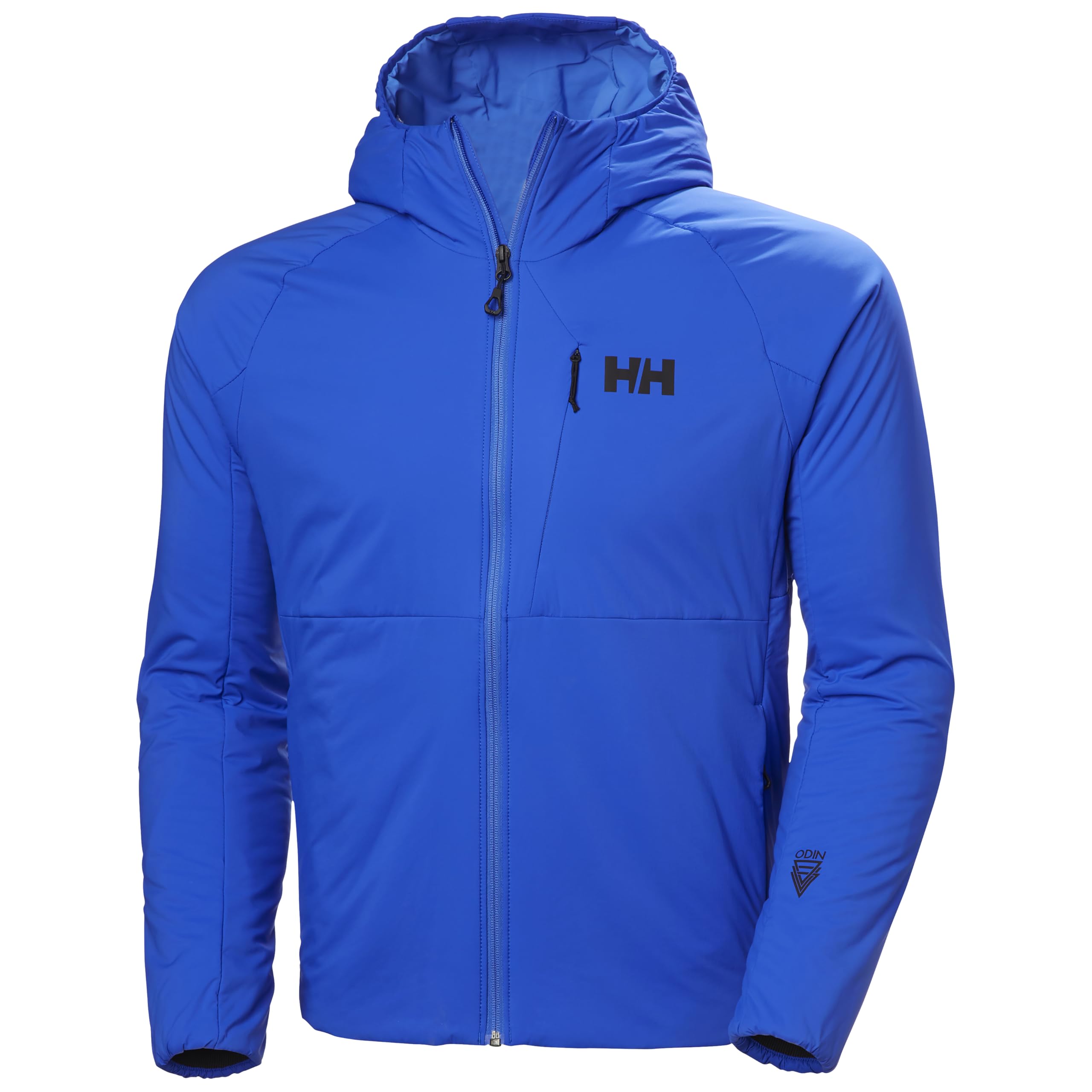
You get a performance-focused insulator that prioritizes movement and all-day comfort. The stretch shell and articulated patterning let you climb, hike, or move around town without feeling restricted, while the breathable, water-resistant fabrics help manage moisture during high-output activity. It works as a standalone for cool, damp days and layers neatly under a hard shell when conditions worsen.
If your priority is mobility and a lightweight, low-bulk insulating layer built with recycled materials, this jacket is worth considering.
What People Say
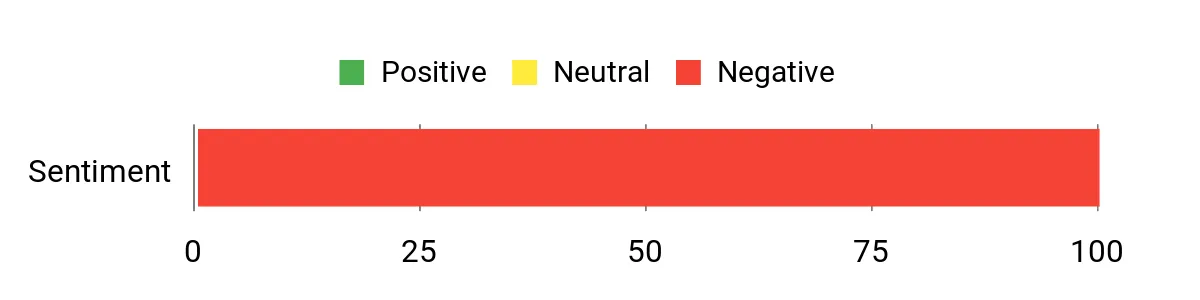
There are very few reviews available, so take impressions cautiously. Early feedback tends to focus on the jacket’s mobility and breathable, water-resistant feel, with people noting the lightweight warmth and stretch for active use. Because the sample size is small, opinions on fit and long-term durability are still limited.
Overall Sentiment: Negative
Comfort
The stretch panels and articulated cut create a close, flexible fit that moves with you. Expect a trim, performance-oriented profile that favors active layering rather than bulky insulation.
Use Cases
This is suitable for active outdoor pursuits like fast-and-light hikes, alpine approaches, and urban commutes where you need weather resistance without weight. Use it as an outer layer in light rain or as a midlayer under a shell in harsher weather.
Key Benefits
- Stretch fabric for unrestricted movement
- Lightweight insulation that avoids bulk
- Water-resistant, breathable shell fabrics
- Uses recycled materials for reduced impact
Rating: 1.0 (total: 1+)
BD Solution
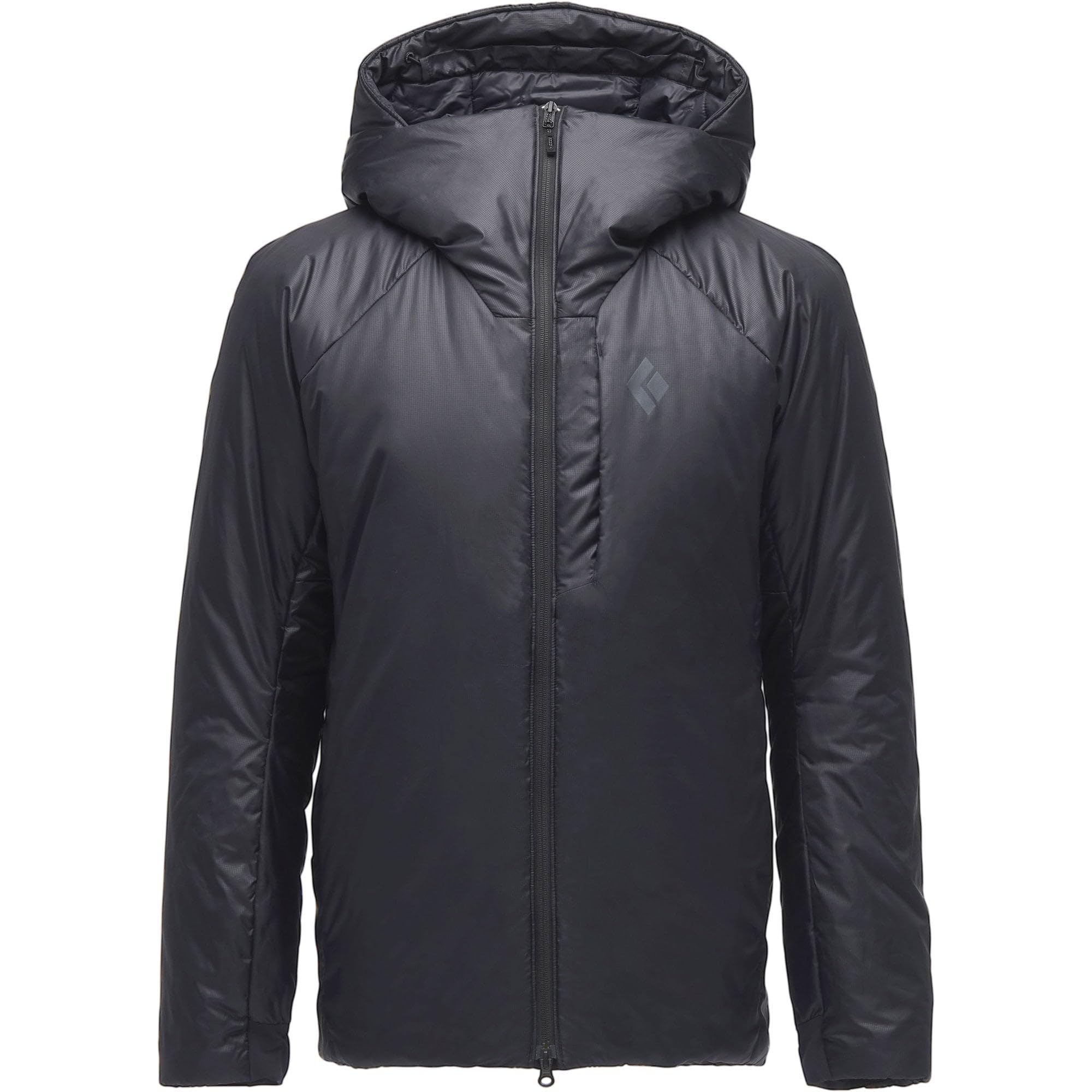
You’re looking at a parka built to be your go-to for really cold days on the crag or around camp. The mapped Primaloft layers concentrate warmth where you need it most—body, shoulders, and hood—so you stay toasty without unnecessary bulk in low-priority zones.
The durable 50D ripstop shell resists wear and sheds light moisture, while the two-way zipper and roomy pockets make it functional at belays or on the commute. It’s a practical choice when warmth, weather resistance, and climbing-friendly features matter.
What People Say
There aren’t many public reviews yet, so take impressions cautiously. Early feedback and product notes tend to emphasize the jacket’s serious warmth, durable construction, and useful climbing features like the two-way zipper and generous pockets.
Fit and weight expectations vary depending on whether you want a technical belay parka or a lighter alpine layer.
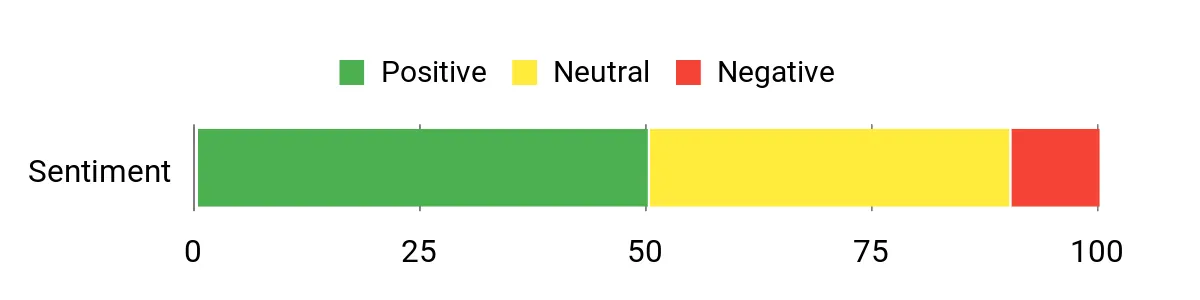
Overall Sentiment: Neutral
Comfort
Expect a roomy, insulated profile that prioritizes warmth over nimble movement. The parka feels substantial at rest and layers easily over technical clothing, so you can stay comfortable during long belays or cold breaks.
Use Cases
This is tailored for outdoor cold-weather use—belays, basecamp, winter approaches, and everyday winter wear when you need dependable insulation. It works best as an outer layer in dry cold and as a core insulating layer under a shell in wetter conditions.
Key Benefits
- High-density mapped PrimaLoft for targeted warmth
- PFC-free ripstop shell for durability and weather resistance
- Two-way zipper and oversized pockets for belay convenience
- Gold Cross Core insulation for sustained thermal performance
Rating: (total: +)
BD First Light
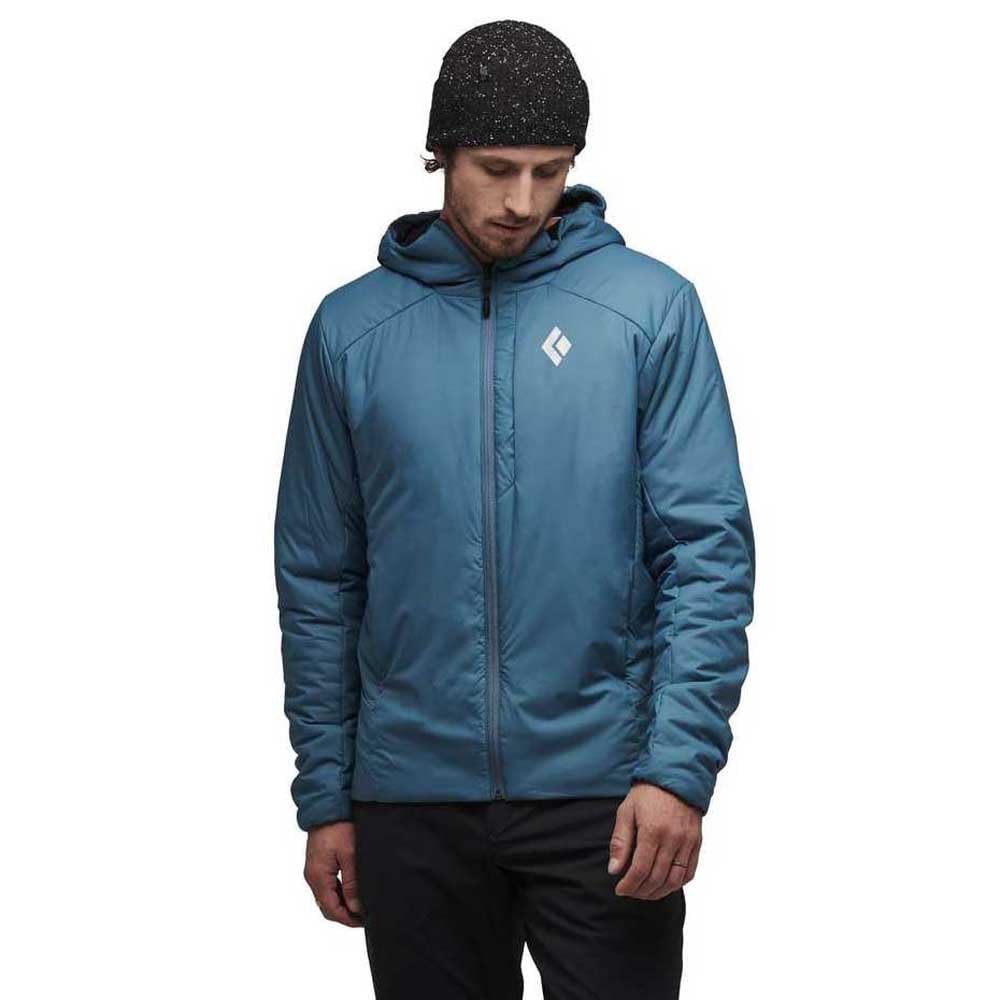
You’re looking at a lightweight, stretch-oriented hoody designed to move with you. The articulated patterning and high-stretch fabric make it easy to layer under a shell or wear alone on brisk approaches, while the slim profile keeps bulk down. It’s practical for alpine approaches, winter hikes, and everyday wear when you want freedom of movement without sacrificing a bit of warmth.
If you favor mobility and a performance fit over maximum insulated mass, this is a sensible pick.
What People Say
Public feedback is limited, but impressions tend to highlight the hoody’s mobility and athletic fit. People like how it layers under shells and appreciate the lightweight feel, though some wonder if the slim cut suits bulky midlayers and note that pocketing is minimal.
Overall it’s seen as a purpose-built, movement-first piece.
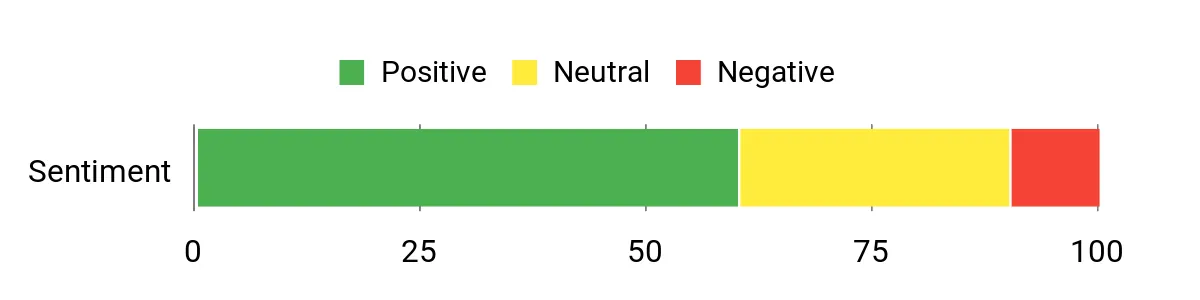
Overall Sentiment: Neutral
Comfort
The stretch fabric creates a close, flexible fit that feels natural during dynamic movement. Expect a performance-oriented comfort that favors active days rather than lounging in heavy insulation.
Use Cases
Use it for alpine approaches, fast hikes, and as a layering piece under a waterproof shell. It works for daily wear where a sporty, low-bulk jacket is appropriate but isn’t intended as standalone protection in very cold, wet storms.
Key Benefits
- High-stretch fit for unrestricted movement
- Trim, low-bulk profile that layers well
- Durable construction suited to activity
- Simple, pack-friendly design
Rating: (total: +)
FAQ
Which Is Warmer: Down Or Primaloft?
You should think of down as the winner for warmth-to-weight and compressibility: high-fill-power down gives more insulation per ounce and packs smaller, which matters if you prioritize light, compact layers for backpacking or travel. Modern synthetics like PrimaLoft have closed much of the gap and often use mapped or layered constructions to put loft where you need it most, so you’ll get very good warmth without the same care concerns.
Ultimately the right choice depends on whether you value the absolute best warmth per weight or prefer the more forgiving behavior of synthetics under real-world conditions.
How Do They Perform When Wet?
You need to plan for moisture because performance can change dramatically. Down loses loft and insulation when it gets soaked unless it has a durable water-repellent treatment or is hydrophobic-treated down, and it can take a long time to dry.
Synthetics such as PrimaLoft retain much of their insulating power when damp and dry faster, so they’re a safer pick for wet climates or high-output activities where you sweat. A practical approach is to pair a down layer with a reliable waterproof or highly water-resistant shell, or choose synthetic insulation if you expect prolonged wet conditions.
How Should I Choose And Care For Them?
When choosing, match insulation to your typical conditions and activity: pick down for cold, dry environments and packable warmth; choose synthetic for damp climates, active use, or lower-maintenance gear. Look for construction details such as mapped fills, shell durability, and sustainability credentials like RDS down or recycled synthetic fibers.
For care, follow the manufacturer’s instructions: wash gently with a down-specific cleaner for down or a mild detergent for synthetics, restore down loft by tumble drying on low with dryer balls, and store your jacket uncompressed in a closet rather than packed tight. Treat both types with a waterproof shell when rain is a risk to extend performance and lifespan.
Customer Preferences
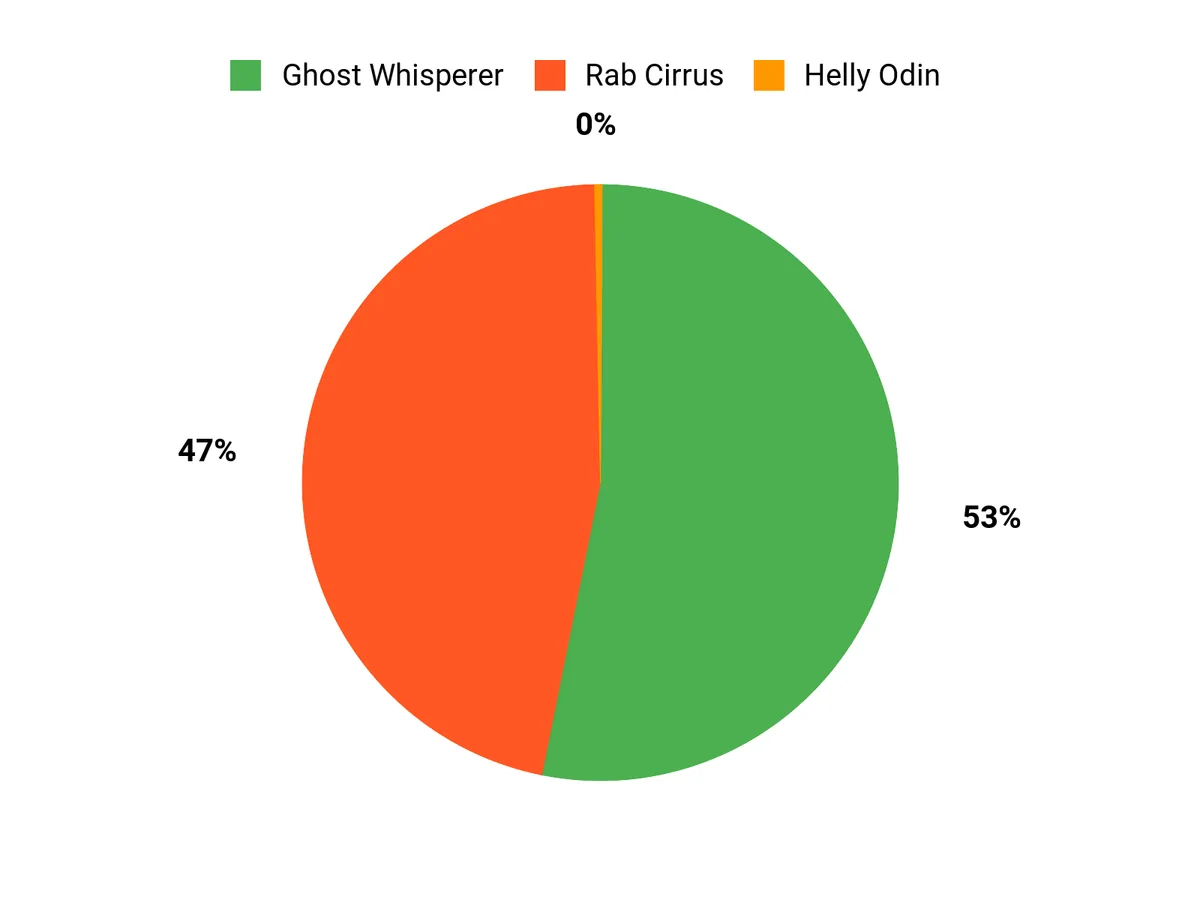
When you choose among these options you usually prioritize a few clear things: if warmth-to-weight and packability matter most you lean toward the Ghost Whisperer for its low-bulk down and sustainability credentials. If you expect wet conditions or high-output activity you favor the Rab Cirrus for PrimaLoft’s wet-weather resilience and breathable stretch panels.
If mobility and a technical, recycled-shell insulator are your priorities, the Helly Odin is the pick for movement-focused layers.
Wrapping Up
Choosing between down and PrimaLoft-style synthetics comes down to the conditions you face and how you use your layer. If you prioritize the highest warmth-to-weight ratio, packability, and a flattering low-bulk silhouette, down—especially responsibly sourced down—delivers the best performance per ounce.
If you spend time in damp climates, do high-output activities, or need a forgiving insulating layer that still insulates when wet, modern synthetics provide more reliable protection and easier care. Sustainability and construction matter for both: look for recycled shells, RDS down, and mapped synthetic fills where warmth is needed most.
Use the picks above to match the insulation to your activity and climate, and you will end up with a jacket that performs when it counts.
| Product Name | Image | Rating | Insulation Type | Water Resistance Level | Material Composition | Ideal Use Case |
|---|---|---|---|---|---|---|
| Mountain Hardwear Women’s Ghost Whisperer Hoody |
|
4.4/5 (125 reviews) | RDS-Certified Down | Water Repellent | 100% Nylon | Best for cold weather, casual outings, and outdoor activities. |
| Rab Women’s Cirrus Flex 2.0 Hoody |
|
4.4/5 (83 reviews) | PrimaLoft Silver Synthetic | Water Resistant | 94% Polyester, 6% Elastane | Ideal for high-output activities in cold weather like trekking and climbing. |
| Helly-Hansen Odin Stretch Hood Insulator 2.0 Jacket |
|
1.0/5 (1 review) | Synthetic Insulation | Water-Resistant | Polyamide and Recycled Polyester | Suitable for outdoor adventures in varying conditions. |
| Black Diamond Men’s Solution 4.0 Parka |
|
N/A | Primaloft Rise and Gold Cross Core | PFC-free Ripstop Shell | N/A | Designed for climbers needing warmth and mobility during cold weather. |
| Black Diamond Mens First Light Stretch Hoody Jacket |
|
N/A | Synthetic Insulation | N/A | N/A | Versatile for winter activities, suitable for layering. |
This Roundup is reader-supported. When you click through links we may earn a referral commission on qualifying purchases.
