
Last Updated on September 11, 2026 by Daniel Globe
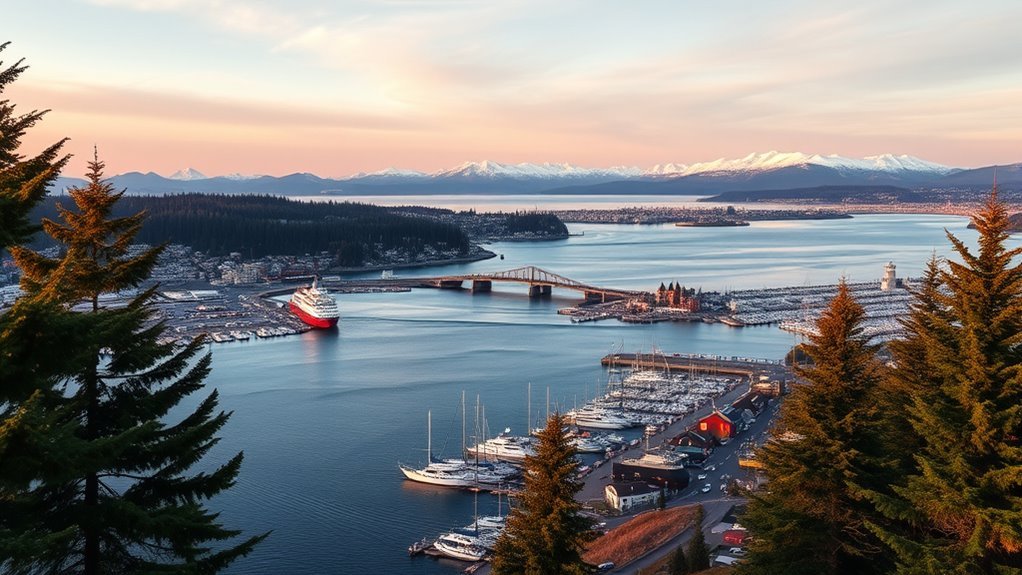
Port Angeles is a practical gateway to Olympic National Park, the Strait of Juan de Fuca, and several of the Olympic Peninsula’s best mountain and coastal destinations. From Yarrow Point, allow roughly three to four hours under normal conditions. Your trip may take longer when Seattle traffic, ferry queues, road work, or mountain weather affect the route.
Quick Answer
From Yarrow Point, Port Angeles is usually a three- to four-hour trip. The scenic option uses the Seattle–Bainbridge ferry, while the all-road option crosses the Tacoma Narrows Bridge. Port Angeles is a convenient base for Hurricane Ridge, Lake Crescent, Salt Creek, waterfront walks, and the Coho ferry to Victoria.
Key Takeaways
- Choose the Bainbridge ferry for scenery or the Tacoma Narrows route to avoid ferry queues.
- A car is helpful for remote park areas, but downtown Port Angeles is walkable and seasonal transit serves Hurricane Ridge.
- Port Angeles receives much less rain than the western Olympic rainforests, but park weather can still change quickly.
- Check Olympic National Park road conditions before driving to Hurricane Ridge, Sol Duc, the Hoh Rain Forest, or the coast.
- A Victoria day trip requires an accepted international travel document and extra time for check-in and border processing.
Disclosure: As an Amazon Associate I earn from qualifying purchases. Some links on this page are affiliate links, at no extra cost to you.
How to Get From Yarrow Point to Port Angeles
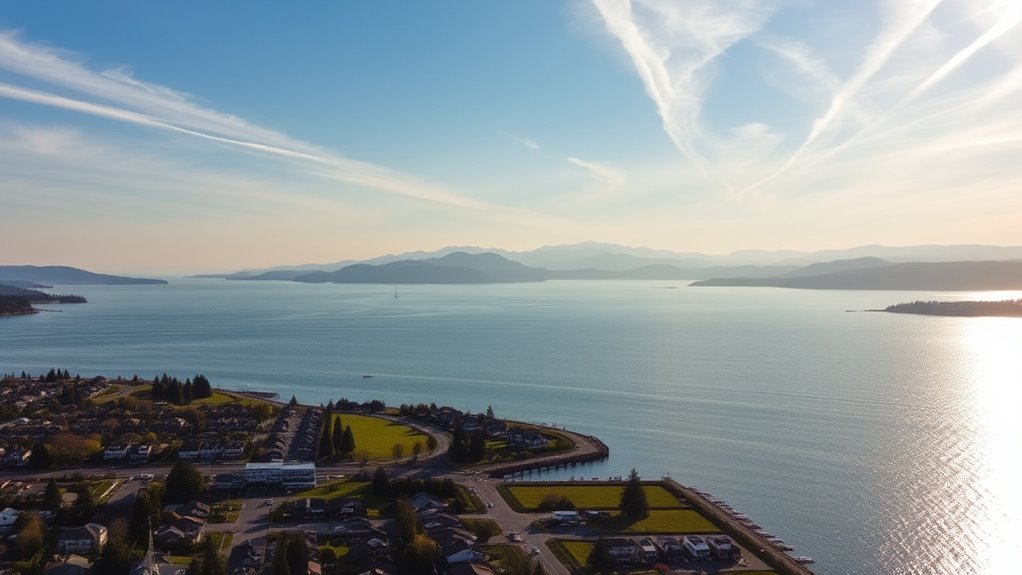
You have two practical driving routes from Yarrow Point to Port Angeles. One uses the Seattle–Bainbridge ferry, while the other stays on the road through Tacoma and the Kitsap Peninsula. Neither route is always faster, so check live traffic and ferry conditions before leaving.
Bainbridge Ferry Route
For the more scenic option, drive from Yarrow Point to the Seattle ferry terminal and take the Washington State Ferries sailing to Bainbridge Island. From Bainbridge, continue through Poulsbo, cross the Hood Canal Bridge, and follow Highway 101 toward Port Angeles.
The National Park Service estimates approximately three hours and 72 miles between Seattle and Port Angeles when using the ferry. Your total from Yarrow Point depends on traffic across Lake Washington, the ferry wait, and road conditions after Bainbridge.
As of July 25, 2026, the Seattle departure fare is $27 for a standard vehicle under 22 feet with its driver. The adult passenger fare is $11.35. Fares can change, so check the official WSDOT fare calculator before traveling.
Standard vehicle reservations are not offered on the Seattle–Bainbridge route. Vehicles are loaded on a first-come, first-served basis, so weekend and holiday travelers should leave extra time. Walk-on passengers generally face fewer capacity concerns.
Pets are allowed on vehicle decks, in outdoor passenger areas, and in marked cabin areas under the current Washington State Ferries pet policy. Pets must remain controlled and are not permitted in food-service areas or on seats and tables.
The ferry route is shorter in road miles, but missing a sailing or arriving during a busy travel period can make it slower than the all-road route.
All-Road Route Through Tacoma
To avoid waiting for a ferry, drive south through the Seattle–Tacoma area, cross the Tacoma Narrows Bridge, and continue north through Gig Harbor, Bremerton, and the Hood Canal area before joining Highway 101.
This route covers more road miles, but it can be more predictable when ferry lines are long. The National Park Service estimates approximately three hours and 130 miles from Sea-Tac Airport to Port Angeles by the Tacoma route. Traffic through Bellevue, Seattle, Tacoma, and the bridge approaches can add substantial time.
Pro Tip: Check both road traffic and the WSDOT ferry terminal status shortly before leaving. A route that looks slower on a map may become faster when the ferry terminal has a long vehicle line.
Can You Visit Port Angeles Without a Car?
A car is convenient but not essential for every trip. Downtown Port Angeles, the waterfront, City Pier, Hollywood Beach, Feiro Marine Life Center, and parts of the Olympic Discovery Trail are close enough to explore on foot.
Regional buses serve Port Angeles and neighboring communities. During its 2026 operating season, the Clallam Transit Hurricane Ridge shuttle runs from the Gateway Transit Center in downtown Port Angeles. The shuttle costs $1 per boarding, does not accept reservations, and requires passengers to carry a valid Olympic National Park pass.
A rental car remains the easiest option for Lake Crescent, Salt Creek, Sol Duc, Forks, the Hoh Rain Forest, and beaches along the Pacific coast.
What to Know Before Visiting Port Angeles
Port Angeles is a small harbor city on Highway 101 and a major access point for the northern side of Olympic National Park. Downtown is compact, but the national park is large, and its mountain, forest, lake, and coastal areas are separated by long drives.
Weather and the Best Time to Visit
Port Angeles sits in the Olympic rain shadow and is much drier than the western side of the peninsula. According to the National Park Service weather guide, Port Angeles averages about 25.9 inches of precipitation a year. By comparison, the Hoh Rain Forest receives more than 100 inches.
You should still bring layers and a rain shell. Conditions at Hurricane Ridge, Lake Crescent, and the Pacific coast can be cooler, wetter, or windier than downtown Port Angeles on the same day.
- June through September: Usually offers the easiest access to mountain roads, trails, and visitor services, but it is also the busiest period.
- April through May: Brings longer days and strong waterfall flow, although higher trails may remain snowy.
- September through October: Can offer fewer crowds and pleasant hiking conditions, with an increasing chance of rain later in the season.
- November through March: Works for storm watching, lower-elevation hiking, and quiet stays, but mountain access can be restricted by snow and road closures.
Parking and Trip Costs
Do not assume that all downtown parking is unlimited. The City of Port Angeles limits many downtown street spaces to two hours and many city parking lots to three hours. Always follow the posted sign at the space you use.
Olympic National Park charges a private-vehicle entrance fee, currently $30 for seven consecutive days as of July 2026. The park does not use a general timed-entry reservation system, but campgrounds, lodging, ferries, tours, and some other services may require separate reservations.
Hurricane Ridge Planning
Hurricane Ridge is approximately 17 miles and 45 minutes from Port Angeles, but the drive can take longer at the entrance station or during busy periods. Weather, snow, construction, wildfire activity, and parking capacity can close or restrict the road.
Note: The former Hurricane Ridge Day Lodge was destroyed by fire in 2023. Visitor services remain limited, and dependable potable water may not be available at the ridge. Bring drinking water, food, layers, sun protection, and any medication you may need.
Check the current Olympic National Park road conditions on the morning of your trip. In winter, tire chains may be required even for vehicles with four-wheel or all-wheel drive.
Taking the Coho Ferry to Victoria
The Black Ball Ferry Line’s Coho ferry connects downtown Port Angeles with Victoria, British Columbia. The scheduled crossing is approximately 90 minutes, but that does not include check-in, customs, or immigration processing.
Vehicle passengers should normally arrive at least 60 minutes before departure, while walk-on passengers and cyclists should arrive at least 30 minutes before departure. Vehicle reservations are strongly recommended. Review the current Coho schedule and fares before planning your day.
The ferry terminal does not provide its own passenger parking. Paid parking lots are available within a short walk of the terminal, but availability may be limited during busy travel periods.
Warning: A standard driver’s license or REAL ID alone is not an international border document. U.S. citizens traveling to Canada by sea generally need a valid passport, passport card, NEXUS card, or another accepted document. Check the Black Ball identification requirements and the U.S. State Department’s Canada guidance before departure.
Best Things to Do in Port Angeles
Port Angeles combines a walkable waterfront with quick access to mountains, lakes, marine habitats, and cultural attractions. You can spend a relaxed day downtown or use the city as your base for Olympic National Park.
- Visit Hurricane Ridge. On a clear day, the ridge offers broad views of the Olympic Mountains, short nature trails, picnic areas, and opportunities to see deer, marmots, and birds. Wildlife sightings are never guaranteed.
- Walk City Pier and the waterfront. Start near Hollywood Beach, explore the pier, and follow the paved Olympic Discovery Trail along the harbor.
- Visit Feiro Marine Life Center. This small waterfront center has local marine exhibits and touch tanks. Check the official Feiro Marine Life Center website for seasonal hours and admission.
- Explore the Olympic Coast Discovery Center. NOAA’s free visitor center explains the wildlife, habitats, history, and conservation work of the Olympic Coast National Marine Sanctuary. Confirm current hours on the NOAA website.
- Walk or bike Ediz Hook. This narrow spit provides views across the harbor toward Port Angeles and south toward the Olympic Mountains. Bring binoculars for birds and marine mammals, but keep expectations realistic because wildlife appearances vary.
- Explore the Olympic Discovery Trail. The waterfront portion is paved and relatively level, making it suitable for walking, cycling, and family outings. Use the official trail map to plan a longer ride.
- Browse downtown shops and the farmers market. Local businesses, galleries, cafés, and seasonal market vendors provide an easy alternative when mountain weather limits outdoor plans.
Pro Tip: Save Hurricane Ridge for the clearest part of the day. If clouds cover the mountains, explore the waterfront first and check the ridge webcam or road report again later.
Top Day Trips From Port Angeles
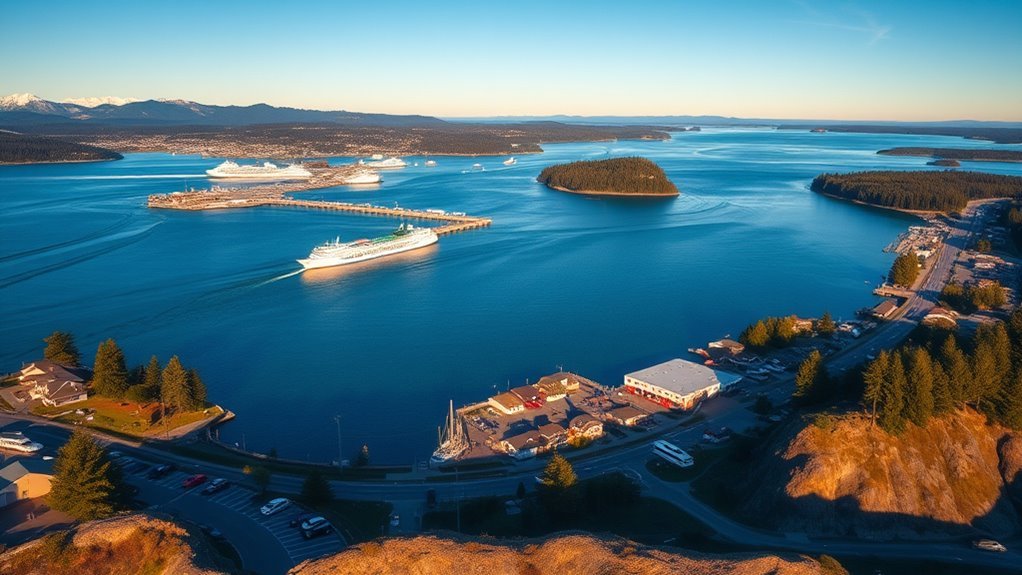
Port Angeles gives you access to several Olympic Peninsula destinations, but drive times are longer than distances on the map may suggest. Highway 101 is mostly a two-lane road, and wildlife, construction, slow vehicles, weather, and scenic stops can extend the trip.
| Destination | Approximate One-Way Time | Best For |
|---|---|---|
| Hurricane Ridge | About 45 minutes | Mountain views, short hikes, wildlife, snow play |
| Lake Crescent | About 30 minutes | Lake views, Marymere Falls, Spruce Railroad Trail |
| Salt Creek Recreation Area | About 30 minutes | Tide pools, cliffs, beach walks, camping |
| Sol Duc Valley | About 1 hour 15 minutes | Waterfalls, forest hikes, hot springs resort |
| Forks and La Push | About 1.5 to 2 hours | Pacific beaches, sea stacks, coastal scenery |
| Hoh Rain Forest | About 2 hours 15 minutes | Old-growth rainforest and moss-covered trails |
| Victoria, British Columbia | 90-minute sailing plus check-in | Museums, gardens, architecture, international day trip |
Hurricane Ridge
Hurricane Ridge is the easiest high-elevation day trip from Port Angeles. On a clear day, you can enjoy alpine views, short walks, and longer trails. Bring water and layers, and verify that the road is open before leaving town.
Lake Crescent and the Spruce Railroad Trail
Lake Crescent is about 18 miles west of Port Angeles. You can walk to Marymere Falls, stop at Lake Crescent Lodge, picnic near the water, or follow the mostly level Spruce Railroad Trail along the north shore. Water in the lake remains cold, even during warm weather.
Salt Creek Recreation Area
Salt Creek Recreation Area offers shoreline views, camping, historic military remains, and excellent tide pools near Tongue Point. Visit near low tide and watch the ocean continuously. Marine plants and animals are protected, so observe them without removing or disturbing them.
Warning: Check an official tide table before entering tide-pool or beach areas. Keep an escape route to higher ground, never turn your back on the ocean, and stay off drift logs when waves are present. Review the National Park Service tide-safety guidance.
Forks, La Push, and the Hoh Rain Forest
Forks and the beaches near La Push make a rewarding full-day trip. Rialto Beach, First Beach, Second Beach, and nearby forest trails provide dramatic Pacific scenery. Some beaches require hiking, and tribal lands may have separate rules, closures, or permit requirements.
The Hoh Rain Forest is farther from Port Angeles and works best as a long day trip. Leave early, carry food and water, and expect possible delays at the entrance during peak summer periods. Travelers with several days may prefer to spend a night on the western side of the peninsula instead of driving back to Port Angeles.
Is Deception Pass an Easy Day Trip?
Deception Pass State Park is not approximately one hour from Port Angeles. It is located on Whidbey Island and requires a long road trip, normally combined with another ferry or a substantial all-road detour. It is better planned as a separate trip, an overnight stop, or part of a longer loop through Whidbey Island.
Best Places to Eat in Port Angeles
Port Angeles has casual pizza, breakfast cafés, Thai food, seafood, and more polished dinner options. Business hours and menus can change seasonally, so confirm current information before making a special trip.
Choose restaurants by location as well as menu. A downtown or waterfront meal can save driving time before a ferry departure or after a long national park day.
- Strait Slice Pizza: A convenient choice for pizza by the slice or a full pie after hiking or exploring downtown.
- Chestnut Cottage Restaurant: Known for breakfast and brunch in a warm, casual setting.
- 929 Woodfire Grill: A sit-down dinner option serving seafood, steak, and wood-fired dishes.
- Silver Lining Cafe: A waterfront-area choice for breakfast or lunch.
- Jasmine Thai Bistro: Offers curries, noodles, stir-fries, and other Thai dishes near downtown.
Check each restaurant’s official menu for current prices, hours, reservation policies, and dietary options. Popular dining rooms can fill quickly on summer weekends.
Where to Stay in Port Angeles
The best area depends on whether you value waterfront walkability, quick highway access, extra family space, or a more secluded natural setting. Book early for summer weekends and major events.
Lodging Near the Harbor
Downtown and waterfront lodging places you near cafés, restaurants, City Pier, Hollywood Beach, the Coho ferry terminal, and the Olympic Discovery Trail. These areas work well for travelers who want to walk to dinner or take an early ferry to Victoria.
Check parking arrangements before booking, especially when leaving a vehicle during an international day trip. Some properties have private parking, while others rely on nearby public or paid lots.
Olympic Lodge by Ayres is not directly on the waterfront, but it is a short drive east of downtown. Its current amenities include continental breakfast, parking, Wi-Fi, a heated outdoor pool, a hot tub, and selected pet-friendly rooms. Pet fees and room restrictions apply.
For a more outdoorsy stay, consider a campground, cabin, or lodge near Lake Crescent or another Olympic Peninsula destination. Staying outside town reduces access to restaurants and services but can shorten the next morning’s drive.
Family-Friendly Stay Options
Families can choose among traditional hotels, vacation rentals, cabins, and campgrounds. A rental home may provide a kitchen, laundry facilities, and more living space, while a hotel can simplify breakfast, housekeeping, and check-in.
Airbnb, Vrbo, and professionally managed rentals may be available around Port Angeles and Lake Sutherland. Compare the full price, cancellation policy, parking, bedroom layout, road access, and distance from your planned attractions before booking.
- Choose downtown for restaurants, waterfront walks, and ferry access.
- Choose the east side of town for easier access to Sequim and Highway 101.
- Choose the west side for a shorter drive toward Lake Crescent, Forks, and the Pacific coast.
- Choose Lake Sutherland or Lake Crescent for scenery and a quieter setting.
- Choose a campground only after checking seasonal opening dates, fire restrictions, food-storage rules, and reservation requirements.
Use the official Visit Port Angeles lodging directory to compare local hotels, inns, cabins, vacation rentals, and campgrounds.
Why Port Angeles Belongs on Your PNW List
Port Angeles belongs on a Pacific Northwest itinerary because it combines practical services with access to mountain, lake, forest, and marine environments. You can spend the morning at Hurricane Ridge, walk the waterfront in the afternoon, and still reach a local restaurant without changing hotels.
Gateway to Olympic Wonders
Port Angeles is one of the most convenient bases for the northern side of Olympic National Park. Hurricane Ridge, Lake Crescent, the Elwha River area, and the Spruce Railroad Trail are all easier to reach from here than from Seattle.
- Hike at Hurricane Ridge when skies and road conditions are favorable.
- Walk through old-growth forest near Lake Crescent or Sol Duc.
- Explore Ediz Hook for harbor, mountain, and birdwatching views.
- Visit downtown shops, cafés, galleries, and seasonal farmers market vendors.
The park is too large to see properly in one rushed day. Port Angeles works best for northern destinations, while travelers visiting the Hoh Rain Forest and Pacific beaches may benefit from splitting their stay between the north and west sides of the peninsula.
Easy Family-Friendly Escape
Port Angeles can be a low-stress family destination when you build the itinerary around realistic drive times. Younger children may enjoy the Feiro Marine Life Center, City Pier, Hollywood Beach, short waterfront walks, and easy sections of the Olympic Discovery Trail.
Families with older children can add Hurricane Ridge, Marymere Falls, the Spruce Railroad Trail, or tide pooling at Salt Creek. Keep children close near cliffs, cold water, surf, wildlife, and roads.
For a manageable family day, combine one major outing with one easy downtown activity. Trying to fit Hurricane Ridge, Lake Crescent, Salt Creek, and the Hoh Rain Forest into the same day creates too much driving.
Frequently Asked Questions
How can you spend one day in Port Angeles?
Start with breakfast or coffee downtown, then drive to Hurricane Ridge if the road and weather are favorable. Return for City Pier, Feiro Marine Life Center, or a waterfront walk. Finish with dinner downtown. When the ridge is closed or cloudy, substitute Lake Crescent, Salt Creek, or the Olympic Coast Discovery Center.
Do you need a car in Port Angeles?
You do not need a car for downtown, City Pier, Hollywood Beach, nearby restaurants, or the waterfront trail. A car is strongly recommended for Lake Crescent, Sol Duc, Salt Creek, Forks, the Hoh Rain Forest, and Pacific beaches. The seasonal Clallam Transit shuttle provides another way to reach Hurricane Ridge.
What is the best time to visit Port Angeles?
June through September generally provides the easiest mountain and trail access, but it also brings the largest crowds. Late spring and early fall can offer quieter conditions. Winter is suitable for lower-elevation trips, although snow and road closures can limit Hurricane Ridge access.
Do you need a passport to take the ferry from Port Angeles to Victoria?
Most U.S. citizens need a valid passport, passport card, NEXUS card, or another document accepted for international land and sea travel. A standard driver’s license or REAL ID alone is not sufficient. Requirements differ by citizenship, age, and immigration status, so verify them before booking.
Do you need a park pass for Hurricane Ridge?
Yes. Hurricane Ridge is inside Olympic National Park. As of July 2026, a private-vehicle pass costs $30 and is valid for seven consecutive days. Annual and interagency passes may also be accepted. Shuttle riders must carry a valid park pass even though they are not entering in a private vehicle.
Is Port Angeles Republican or Democratic?
Port Angeles does not have an official political-party designation. Washington voters do not register by party, and Port Angeles municipal offices are nonpartisan. Election results can lean differently depending on the race, candidates, year, and geographic area being measured.
Does Port Angeles experience homelessness?
Yes. Port Angeles and the wider Clallam County region face documented housing insecurity and homelessness. The January 2024 point-in-time count recorded 300 people experiencing homelessness across Clallam County, not solely within Port Angeles. Local responses include shelter services, street outreach, behavioral-health support, and housing programs. Visitors should use normal city awareness and treat all residents respectfully.
Sources
- Olympic National Park Brochure — regional routes, mileage, and estimated travel times.
- Olympic National Park Weather Guide — rainfall and regional climate differences.
- Olympic National Park Current Road Conditions — road openings, closures, and access notices.
- Washington State Ferries Fare Calculator — current Seattle–Bainbridge fares.
- Clallam Transit Hurricane Ridge Shuttle — seasonal shuttle schedule, fare, and park-pass requirements.
- Black Ball Ferry Line Identification Requirements — documents required for travel between Port Angeles and Victoria.
Conclusion
Port Angeles is worth the trip from Yarrow Point when you want a practical base for Olympic National Park, mountain views, waterfront walks, tide pools, forests, and international ferry access. Choose your route according to ferry waits and traffic, check park conditions before driving, and keep each day’s destinations geographically realistic.
With careful planning, you can explore Hurricane Ridge, Lake Crescent, Salt Creek, downtown Port Angeles, and the Strait without spending the entire visit in the car. Pack layers, carry water, respect tides and wildlife, and leave enough flexibility for the Olympic Peninsula’s changing conditions.
