
Last Updated on August 1, 2026 by Caleb Warren
Disclosure: As an Amazon Associate, we earn from qualifying purchases. If you click a link on this page and make a purchase, we may receive a small commission at no extra cost to you.
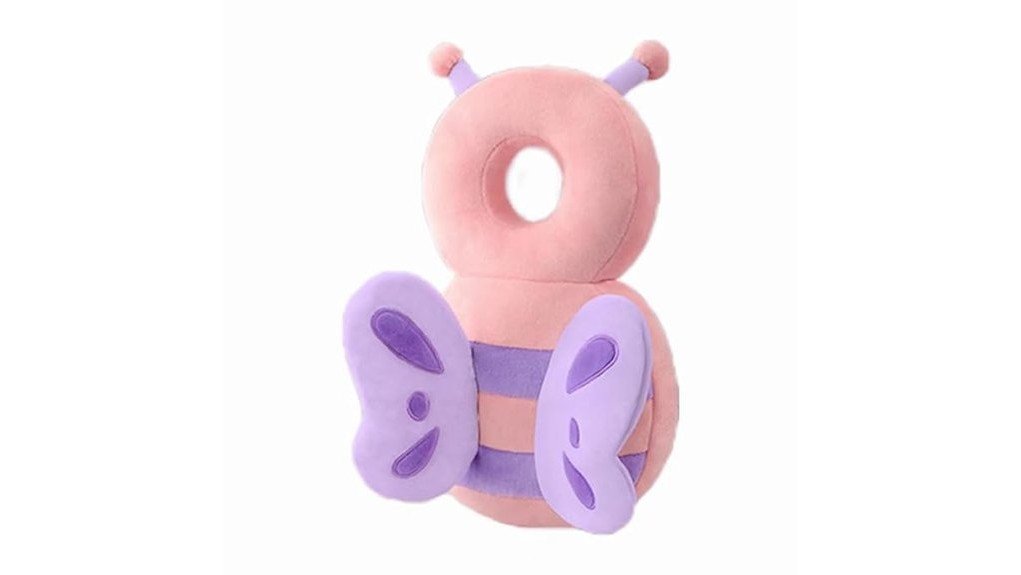
Early walkers often tip backward before they learn how to catch themselves, which can make a soft head-and-back cushion appealing. The PandaEar Baby Head Protection Backpack is a plush, wearable pad made for supervised crawling and walking practice. Its adjustable straps, machine-washable construction, and 13 x 7.5 x 2.4-inch size are practical, but it is not a helmet and cannot replace close supervision or a safer play area. This review helps you decide whether the extra cushioning suits your child, your home, and your expectations.
Quick Verdict
Rating: 7.8/10, recommended with caveats
Best For: Parents who want a soft, lightweight cushion for closely supervised indoor walking practice.
Bottom Line: The PandaEar backpack offers soft padding, adjustable shoulder and chest straps, and easy machine washing. Its coverage is mainly behind the head and upper back, so it does not protect from every direction or remove the need to childproof the room.
| Specification | Detail |
|---|---|
| Brand | PandaEar |
| Model | Baby Head Protection |
| ASIN | B0CXSVPYF7 |
| Product type | Wearable head-and-back cushion for supervised crawling and walking practice |
| Listed size | 13 x 7.5 x 2.4 inches |
| Materials listed | Cotton fill, polypropylene cover, soft cotton, and plush crystal velvet fabric |
| Fit system | Adjustable plush shoulder straps and chest belt |
| Listed age range | 6 months to 3 years, with fit checked for each child |
| Color and design | Pink cartoon bee design |
| Care | Machine washable, follow the current product label |
| Package note | Compression packing may flatten the pad until it is fluffed and aired out |
| Main limitation | Rear cushioning only, not full-head protection or a substitute for supervision |
What Is the PandaEar Baby Head Protection Backpack?
The PandaEar Baby Head Protection Backpack is a plush cushion worn with shoulder straps and a chest belt. It sits behind a child’s head and upper back, where it may soften some backward bumps during crawling, standing, and early walking. The current listing identifies the pink version as a cartoon bee design and gives a size of 13 x 7.5 x 2.4 inches.
This is closer to a wearable pillow than a conventional storage backpack. Although some seller descriptions call it a two-in-one backpack, the current product information does not clearly confirm a usable cargo compartment. You should buy it for rear cushioning, not for carrying toys, snacks, or diapers.
Our verdict is based on the current product listing, manufacturer information, and buyer-focused use analysis. The product is not presented here as medical equipment, a certified helmet, or proof against injury.
Who Should Buy It?
Best For
- Parents supervising a child who often tips backward while learning to stand or walk.
- Families who want a soft, washable accessory for indoor practice on a clear floor.
- Children who tolerate backpack-style straps without pulling, twisting, or overheating.
Skip If
- You expect full-head coverage, side-impact protection, or certified helmet performance.
- Your child resists straps, has a poor fit, or tries to chew the buckle or fabric.
- You need a product for sleep, car-seat use, climbing, stairs, or unsupervised play.
Before You Buy: This pad mainly covers the back of the head and upper back. It cannot protect the face, sides of the head, or every type of fall, and it should never be treated as a replacement for stair gates, window guards, cleared floors, or hands-on supervision.
Feature-by-Feature Review
Rear Cushioning and Coverage
The 2.4-inch listed thickness gives the PandaEar pad a visibly plush profile. Its shape is designed to sit behind the head and upper back, which matches the direction of a common backward tip. This focused coverage keeps the product simple and less enclosing than a helmet-style cap.
The tradeoff is equally clear: protection is directional. A forward fall, side fall, collision with furniture, or tumble near stairs can happen outside the padded area. The product may soften contact in some situations, but the listing does not provide laboratory impact data or a safety certification.
Materials and Comfort
The listing describes cotton fill, a polypropylene cover, and soft cotton with plush crystal velvet fabric. These materials create a soft-touch surface that should feel more like a stuffed toy than hard protective gear. The open backpack shape also leaves the face and most of the scalp uncovered.
Soft does not automatically mean hypoallergenic. The listing does not confirm a hypoallergenic certification, so check the fabric and seams before use if your child has sensitive skin. Stop using it if you notice redness, rubbing, trapped heat, or discomfort.
Adjustable Fit
Adjustable shoulder straps and a chest belt help keep the cushion centered. A good fit should hold the pad close to the upper back without pressing on the neck, slipping off the shoulders, or limiting arm movement. The listed age range is broad, so strap adjustment matters more than age alone.
A loose fit may let the cushion swing away from the intended position. An overly tight fit can rub the shoulders or chest. Because the listing does not provide a maximum child weight, do not rely on the unsupported 25-pound limit that appeared in the original article.
Cleaning and Maintenance
Machine washing is a practical advantage for a baby product that may collect food, drool, dust, and floor debris. Follow the sewn-in care label and close or secure straps before washing so they do not tangle. Let the pad dry fully before your child wears it again.
The manufacturer also notes that compression packaging can make the cushion look smaller or flatter when first opened. Gently fluff it and allow it to air out for a few hours before checking the shape and fit.
Design and Everyday Usability
The pink bee shape makes the pad look like a plush character rather than clinical safety gear. That may help some children accept it, but appearance does not matter if the fit shifts or the child repeatedly tries to remove it. Watch how your child moves during the first few sessions.
The product is easy to carry because it is soft and compact, but a verified item weight was not available in the current listing. Do not depend on older copy that states a specific 0.2-kilogram weight unless the seller confirms it.
How It Performs in Real Use
During Standing Practice
For a child pulling up beside a low, stable surface, the pad can sit behind the head without covering the face or hands. It may add a softer contact point if the child drops backward. You still need to stay within reach and keep hard edges, cords, and unstable furniture out of the practice area.
During Early Indoor Walking
The backpack format leaves the legs free and should not interfere with normal steps when fitted correctly. It makes the most sense on a level, uncluttered indoor floor. Check that the lower part of the cushion does not bounce, rotate, or catch on nearby objects as your child turns.
During Travel and Visits
The soft construction is easy to pack for visits to grandparents or other homes. The main challenge is that a new environment may have unfamiliar stairs, sharp corners, pets, or unsecured furniture. Treat the cushion as an optional extra layer, then childproof the space before practice starts.
For Repeated Daily Use
Daily usefulness depends on your child’s tolerance. Some children may accept the plush straps, while others may pull at them or become warm. Inspect the stitching, buckle, chest belt, and fabric before each use, and retire the product if any part tears or exposes loose filling.
Fit Tips and Common Mistakes
- Fluff it first: Let the compressed pad regain its shape before judging size or coverage.
- Center the cushion: Position the upper pad behind the back of the head, not low between the shoulder blades.
- Adjust both shoulders evenly: Uneven straps can make the cushion rotate during movement.
- Check the chest belt: It should help stabilize the shoulder straps without pressing on the neck or restricting breathing.
- Test movement while close by: Let your child crawl, sit, stand, and turn while you watch for slipping or rubbing.
- Use it only while awake: Remove the backpack for naps, bedtime, car seats, high chairs, and any situation where straps or padding could interfere with safe positioning.
Pro Tip: Take a side photo after fitting the straps. It is easier to see from a photo whether the top of the cushion is actually behind the head or sitting too low.
Baby Safety Notes
This product is an accessory for supervised, awake activity. It is not a bicycle helmet, medical device, sleep product, restraint, or substitute for environmental safety. The most reliable fall-prevention steps still include blocking stairs, guarding windows, securing furniture, removing trip hazards, and using a clear play surface.
Do not use the backpack in a crib, bassinet, play yard used for sleep, car seat, stroller harness, or high chair. Extra straps and plush padding can interfere with the fit and function of products that have their own restraint systems. For general home-safety guidance, review the CDC’s infant and toddler safety guidance and its fall-prevention recommendations.
Seek medical care after a significant head impact or whenever your child has concerning symptoms. Product padding should never be used to judge whether an injury is minor.
Pros and Cons
Pros
- Plush 2.4-inch listed thickness adds cushioning behind the head and upper back.
- Adjustable shoulder straps and chest belt allow a closer, more stable fit.
- Machine-washable construction simplifies routine cleanup.
- Open backpack design leaves the face, hands, and legs free during movement.
- Compression-packed cushion can be fluffed and aired before first use.
Cons
- Rear-only coverage does not protect the face or sides of the head.
- The broad 6-month-to-3-year range does not guarantee a good fit for every child.
- No verified impact-test standard, child weight limit, or hypoallergenic certification is listed.
Is It Worth the Price?
The PandaEar backpack sits in the budget accessory category rather than the premium protective-gear category. Its value comes from simple materials, adjustable fit, washable care, and a cute design, not from advanced impact testing or full-head coverage.
It is worth considering if your child often tips backward during closely supervised practice and tolerates the straps. It is not the best fit if you want certified protective equipment, guaranteed injury prevention, or one product that replaces room childproofing.
How It Compares to Alternatives
JunNeng and SOZOON sell similar plush backpack-style head cushions, so compare strap layout, cushion shape, care instructions, and current package contents. A soft cap-style option such as REFLYAWAY covers more areas of the head, but it may feel warmer and can be less acceptable to a child who dislikes headwear.
The PandaEar makes the most sense when you prefer a simple bee-shaped rear cushion with chest and shoulder adjustment. No soft backpack or cap should be treated as equivalent to a certified helmet designed for a specific sport or medical purpose.
Frequently Asked Questions
Does the PandaEar backpack prevent head injuries?
It is intended to add soft cushioning behind the head and upper back, but the listing does not provide laboratory impact results or claim full protection. Use it only as an optional aid during supervised activity, not as proof that a fall is safe.
What age is it designed for?
The listing states 6 months to 3 years and describes it as especially useful around the early-walking stage. Fit and developmental readiness vary, so check strap position and movement rather than relying only on age.
Can it hold toys or snacks?
Do not assume it has a usable storage compartment. The product is primarily a wearable cushion, and the current US listing does not clearly describe cargo capacity.
Is the material hypoallergenic?
The listing describes breathable, skin-friendly fabric, but it does not confirm a hypoallergenic certification. Inspect the materials, wash according to the label, and stop use if your child develops irritation.
Is there a maximum child weight?
A verified maximum child weight is not listed. The earlier 25-pound claim should not be used as a buying rule unless PandaEar or the current seller confirms it in writing.
How do you clean it?
The product is listed as machine washable. Follow the attached care label, secure the straps before washing, and make sure the filling is fully dry before the next use.
Does it include an anti-lost leash?
Some secondary seller descriptions mention an anti-lost leash, but the current US Amazon listing for this ASIN does not clearly confirm one in the package details. Check the current photos and included-items information before ordering if a leash is important to you.
Can a baby sleep while wearing it?
No. Remove the backpack for naps and bedtime, and do not place it in a sleep space. It is designed for supervised, awake crawling and walking activity.
The Bottom Line
The PandaEar Baby Head Protection Backpack is a reasonable budget choice for parents who want soft rear cushioning during closely supervised early walking practice. Buy it for its adjustable fit, washable plush construction, and simple design, but skip it if you need full-head coverage, verified impact performance, or a product that can replace childproofing and supervision.
Ready to Buy?
Check the latest price, package contents, and product details before you decide.

