

Last Updated on September 11, 2026 by Daniel Globe
You spend energy, time and money getting to the mountain, so your pack needs to protect gear, carry essentials and move with you. This guide cuts through specs and on-snow experience to show three standout winter packs for 2026, chosen for hydration reliability, freeride mobility and stability on long ascents.
Use these picks to match capacity, fit and safety features to how you ride and the conditions you face.
Disclosure: As an Amazon Associate I earn from qualifying purchases. Some links on this page are affiliate links, at no extra cost to you.
Top Picks
|
Category |
Product |
Score |
|---|---|---|
|
🏆 Best Hydration Pack |
88/100 |
|
|
🎯 Best For Freeride Fit |
95/100 |
|
|
⭐ Best For Earning Turns |
91/100 |
Selection Criteria
We evaluated packs on real-world winter use, prioritizing the features that matter on cold, technical days. Weather protection and water-resistance come first so your layers and electronics stay dry, followed by fit and stability to prevent bounce during descents and long skintracks. Capacity and organization determine whether you can carry avy tools, hydration and spare layers without overpacking, while weight and materials affect comfort on extended climbs. Practical details such as hydration hose insulation, helmet and ski/snowboard carry options, compatibility with safety gear and overall durability informed final rankings.
Price and warranty were considered to balance value and longevity.
CamelBak SnoBlast

You want a reliable, ski-specific daypack that gets out of the way while you ride and still carries everything you need. The SnoBlast 22 feels built for those resort days when you need hydration, an extra layer and room for a helmet without bulk. The Snow Shield fabric gives you real protection against blowing snow and slush, and the 2‑liter bladder capacity means you can stay hydrated without stopping every run.
It’s comfortable on chairlifts and stays stable during turns, and while it’s not an avy-specific pack it handles first-aid kits, snacks and spare layers with ease. If you spend most of your winter on groomers and lift-accessed terrain, this is a pragmatic, low-fuss choice you can rely on day after day.
What People Say
Customers consistently praise how roomy and comfortable the SnoBlast is for full resort days, noting it swallows spare layers, a helmet and a bladder without feeling overstuffed. People point out the Snow Shield protection and overall durability, while a recurring gripe is the hydration hose freezing in very cold temps or isolated issues with the hose itself.
Overall, reviewers treat it as a dependable daypack that makes skiing easier.
Overall Sentiment: Positive

|
Pros |
Cons |
|---|---|
|
✅ Excellent snow protection for packed items |
❌ Hydration hose can freeze in extreme cold without extra precautions |
|
✅ Generous 22L capacity with helmet and layer space |
❌ Occasional reports of hose damage or manufacturing defects |
|
✅ Designed for on-slope comfort and stability |
❌ Not designed as a full avy-rescue pack with dedicated probe/shovel organization |
|
✅ 2‑liter hydration-ready for full-day outings |
Versatility
This pack works best for lift-accessed skiing, resort days and short skin tracks where you need hydration and spare layers. It also fits winter commuting when you want snow protection and a helmet, but it isn’t a substitute for a technical backcountry pack if you routinely carry full rescue gear.
Water Resistance
The Snow Shield materials offer strong protection against snow, slush and light moisture so your layers and electronics stay dry during normal on-piste use. It’s water-resistant rather than fully waterproof, so avoid submersion and consider an additional dry bag for electronics in heavy wet conditions.
Key Benefits
- Snow Shield fabric protects gear from snow and slush
- Built-in 2‑liter hydration capacity with insulated routing
- 22‑liter volume balances room for layers and a helmet without excess bulk
- Comfortable, stable fit for lift-served skiing and short tours
Rating: 4.7/5 (total: 58+)
Ortovox Free Rider
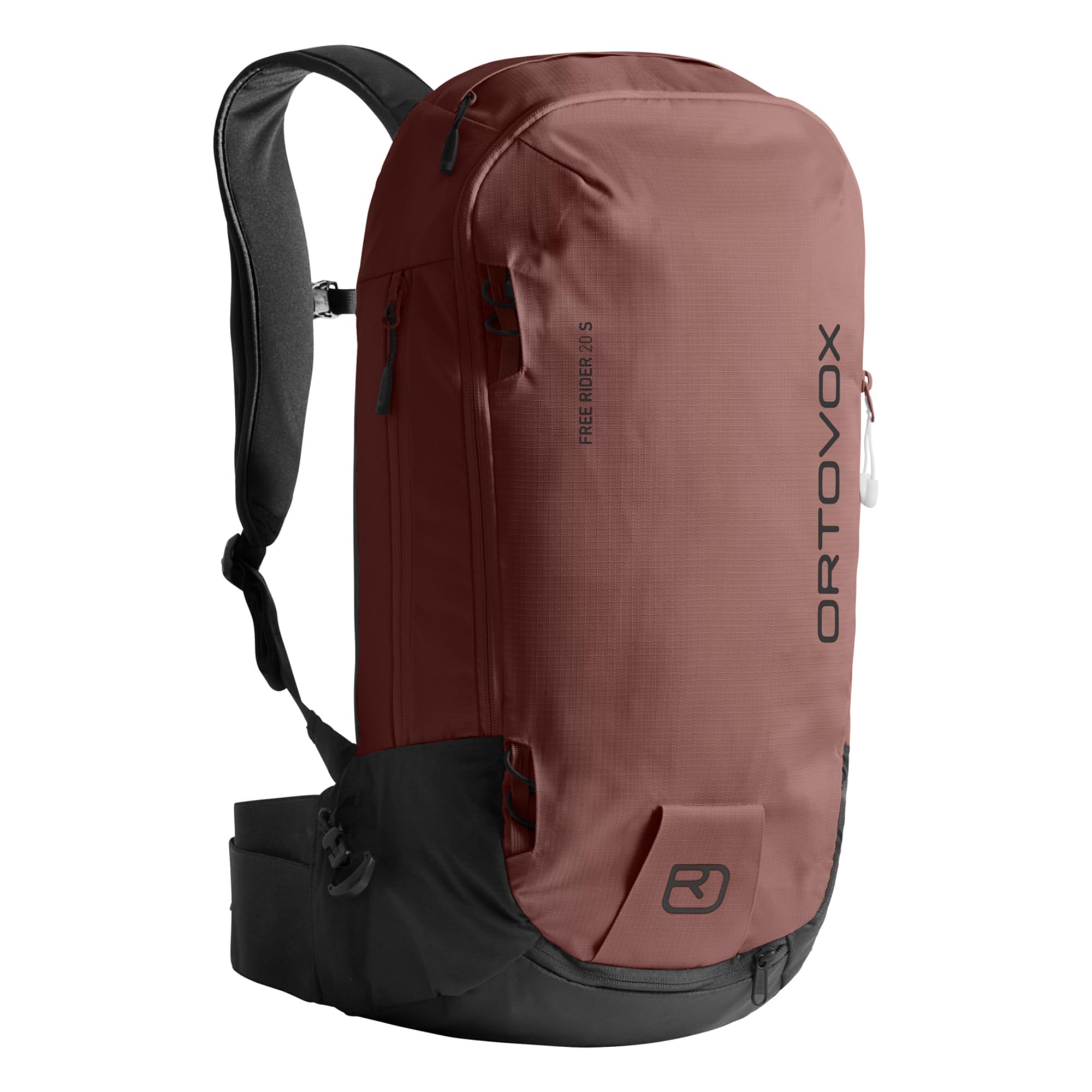
You’ll notice the Free Rider as soon as you put it on: it hugs your back and moves with you, which is exactly what you want when you’re dropping into steep lines or skinning short approaches. At 20 liters it’s compact but cleverly organized, with eight pockets and a tailored S‑curve harness that keeps the load stable during dynamic turns. The recycled nylon main body and machine-washable construction make it an easy choice if you care about durability and sustainability. It’s ideal for technical freeride days, short backcountry missions and anyone who values mobility over bulk, and it pairs neatly with the optional Clasp Spine Protector if you want extra safety coverage.
What People Say
Users tend to praise the Free Rider for its fit and how unobtrusive it feels during aggressive skiing and quick skin-ups. Reviewers highlight the smart pocket layout and overall build quality, and many appreciate the recycled materials.
A few note the pack’s modest volume and the need to buy a spine protector separately if you want integrated safety.
Overall Sentiment: Positive

|
Pros |
Cons |
|---|---|
|
✅ Excellent mobility thanks to the close, tailored fit |
❌ 20L capacity can feel small for longer backcountry missions |
|
✅ Stable S‑curve harness reduces bounce |
❌ Spine protector sold separately for full safety integration |
|
✅ Sustainable recycled materials and machine-washable design |
❌ Smaller harness sizing may not suit larger body types |
|
✅ Multiple pockets for organized carry |
Versatility
This pack shines on freeride laps, short tours and fast-and-light backcountry days where you prioritize movement. It’s less suited to multi-day missions or outings where you must carry full rescue kits and extra bulk.
Water Resistance
The soft-shell construction offers light weather resistance for snow and light moisture but is not fully waterproof; carry a dry sack for electronics or extended wet conditions.
Key Benefits
- Close-fitting design that maximizes freedom of movement
- Tailored S‑curve harness for stability and comfort
- Lightweight, recycled nylon construction with easy care
- Well-organized pockets for tools, skins and personal items
Rating: 5.0/5 (total: 2+)
Osprey Sopris
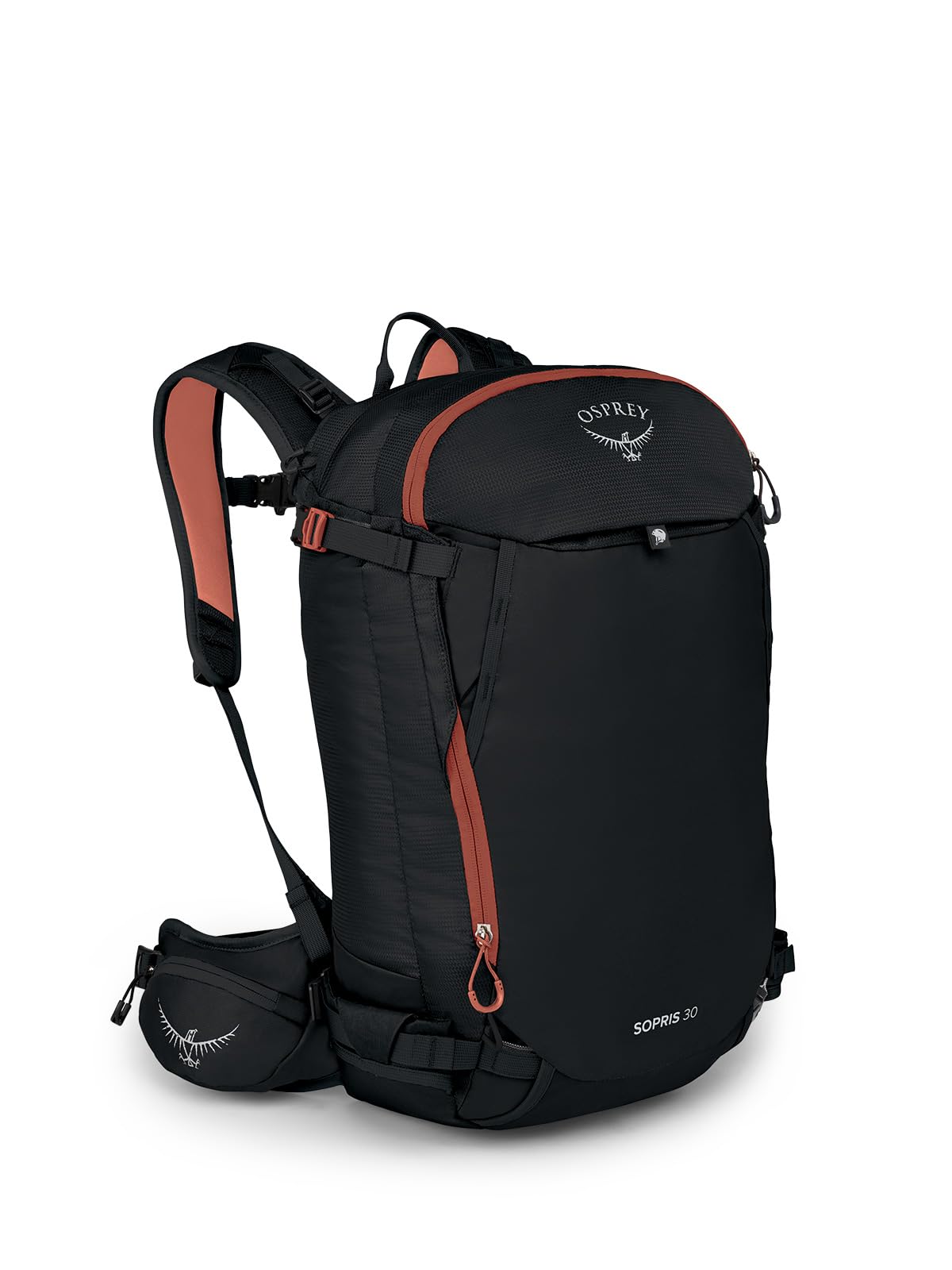
You get a pack built for days when you earn your turns. The Sopris 30 balances lightweight construction and thoughtful access with features that matter on both climbs and descents: enlarged ski loops, a helmet net, a front pocket sized for avalanche safety tools, and a backpanel for dry storage of layers and snacks.
The women’s-specific fit keeps the load stable on dynamic terrain, and the sustainability-minded materials reduce environmental impact. It’s a solid choice if you split time between skin tracks and steep descents and want a single pack that handles both without fuss.
What People Say
You’ll see users compliment the Sopris for feeling well-made and thoughtfully laid out, especially the two access points that make packing and retrieving gear easier. Reviewers also appreciate the fit and carry options for skis or a snowboard, while a few note the waistbelt lacks symmetric pockets which can be a minor annoyance for tool storage.
Overall Sentiment: Positive

|
Pros |
Cons |
|---|---|
|
✅ Stable, women’s-specific fit reduces bounce |
❌ Limited waistbelt pocketing on one side |
|
✅ Multiple carry options for skis and snowboard |
❌ Not intended for multi-day expeditions with heavy loads |
|
✅ Front-access pocket for avalanche kit |
❌ Soft-shell design is water-resistant but not fully waterproof |
|
✅ Lightweight with sustainable fabric choices |
Versatility
This pack is versatile for day missions that combine ascent and descent, from earned powder laps to longer approaches. It also works for winter commuting when you need organized storage and helmet carry, but it’s not the go-to for extended multi-day touring where larger capacity or full rescue organization is required.
Water Resistance
Built with water-resistant fabrics and a DWR finish, the Sopris sheds light moisture and wet snow effectively. It is not fully waterproof, so use a dry bag for electronics or prolonged exposure to heavy wet conditions.
Key Benefits
- Women’s-specific fit for stability on descents
- Enlarged ski loops and sewn-in helmet net for easy carry
- Dedicated front pocket for avalanche tools and quick access
- Lightweight construction with sustainable materials
Rating: 4.7/5 (total: 4+)
FAQ
How Do I Choose The Right Size?
You should match pack volume and fit to how you ride. For lift-served resort days a 20–22L pack usually holds a helmet, layers, snacks and a 2L bladder without excess bulk, while 30L and up gives you room for longer approaches or extra kit.
Pay attention to harness fit and hipbelt comfort: put the pack on with weight in it to judge stability and bounce. If you carry avalanche tools regularly, factor in space for a shovel and probe or choose a model with a dedicated avy pocket.
How Do I Prevent A Frozen Hydration Hose?
Cold and wind can freeze a bite valve quickly, so route the hose under your jacket and keep the bladder close to your body heat. Use insulated sleeves or valves designed for winter, fill the bladder with warm (not boiling) water, and make a habit of taking small, frequent sips rather than long draws.
If the line does ice, blow back into the tube or tuck it inside your jacket until it thaws. Remember that hydration systems help with convenience but aren’t a substitute for carrying spare fluids in very cold conditions.
Will These Packs Carry Avalanche Rescue Gear?
Some models have dedicated front pockets or sleeves for a shovel and probe and are clearly designed with backcountry rescue in mind, while others are more resort-focused and prioritize hydration and helmet carry. If you plan to carry a shovel, probe and probe sleeve, choose a pack with organized pockets and secure attachment points.
You can still use a resort pack for occasional backcountry use, but make sure you can stow tools safely and access them quickly, and consider adding a dedicated avy tool roll if the pack lacks built-in storage.
Customer Preferences
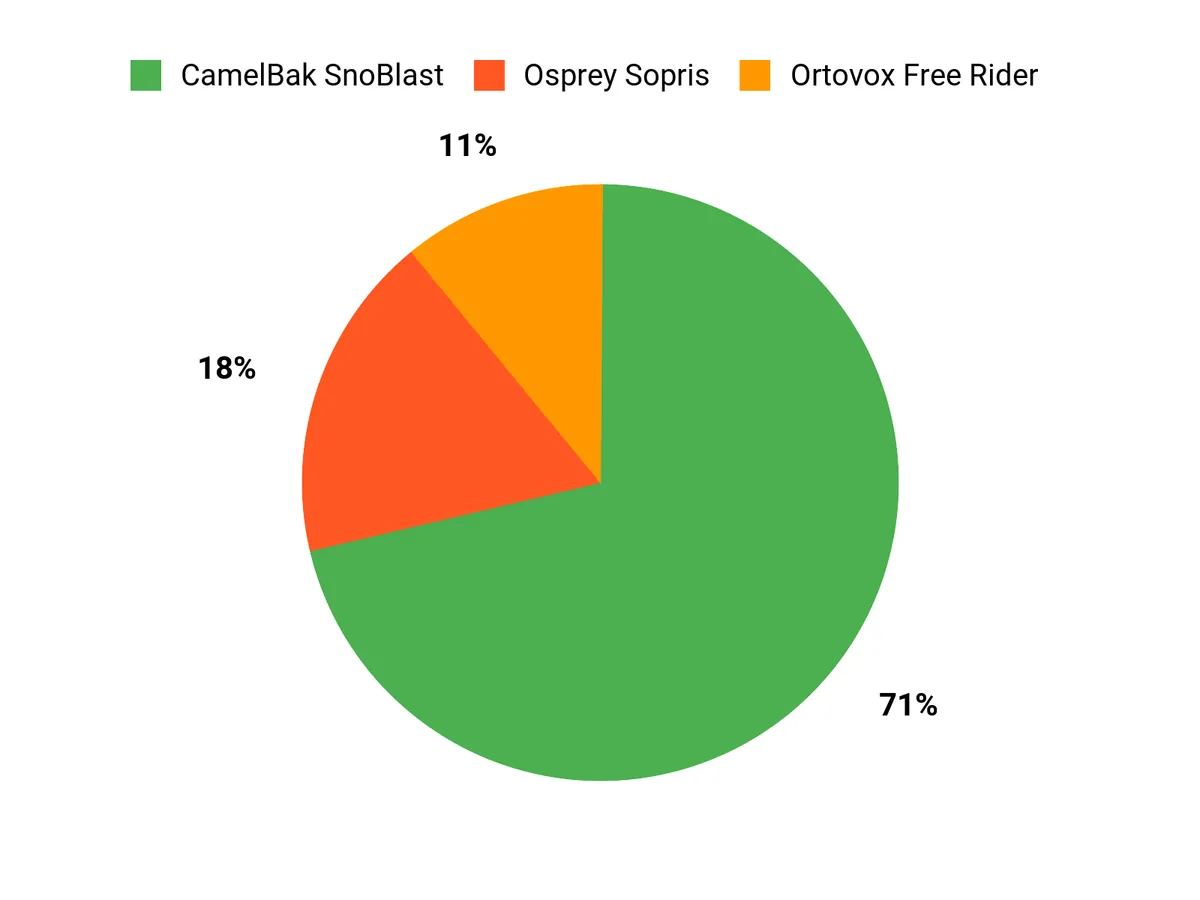
When choosing between the SnoBlast, Free Rider and Sopris, you typically prioritize whether you need reliable on-the-go hydration and snowproof protection, a close-fitting freeride pack with safety integration, or a versatile womens-specific pack for earning turns. That means you weigh hydration insulation and durability, mobility and avy-compatibility, and capacity with fit and access to decide which pack matches how and where you spend most of your winter days.
Wrapping Up
If you prioritize on-the-go hydration and a pack built specifically for snowy resort days, the CamelBak SnoBlast gives you generous capacity and snowproof materials while you ride. If you want the tight, close-fitting profile and safety integration that frees you to move at speed on technical lines, the Ortovox Free Rider is the most refined option for freeriding and backcountry agility.
If your days mix long approaches with earned descents and you need women’s-specific fit plus sustainable materials, the Osprey Sopris balances carry options, access and comfort. Match the pack to how you spend most of your time on the mountain and you will get better comfort, protection and performance from each outing.
| CamelBak SnoBlast 22 Snow Hydration Pack | Ortovox Free Rider 20L S Freeriding Backpack | Osprey Sopris 30L Ski and Snowboard Backpack | |
|---|---|---|---|
|
|
|
|
|
| Rating | 4.7/5 (58 reviews) | 5.0/5 (2 reviews) | 4.7/5 (4 reviews) |
| Capacity | 22 liters | 20 liters | 30 liters |
| Material Type | Polyester | 100% recycled nylon | Nylon |
| Weight | N/A | 2.6 pounds | 2.43 pounds |
| Shop Now | Shop Now | Shop Now |
This Roundup is reader-supported. When you click through links we may earn a referral commission on qualifying purchases.
