
Last Updated on July 29, 2026 by Mason Reed
Tent camping in a national forest can range from staying at a reservable campground with toilets and picnic tables to using a remote dispersed site with no water, trash service, or cell signal. A safe trip starts with checking the rules for the exact forest you plan to visit, because permits, road access, food storage, fires, campsite distances, and stay limits vary by location.
Quick Answer
Before tent camping in a national forest, check the forest’s alerts, permits, fire restrictions, food-storage rules, road conditions, and campground details. Use an established or durable site, secure every wildlife attractant, treat uncertain water, prepare for sudden weather, follow local sanitation rules, and pack out all trash.
Key Takeaways
- Use the website and alert page for the specific national forest you will visit; local Forest Orders override general camping advice.
- Know whether you are using a developed campground or a dispersed site, because facilities, reservations, campsite boundaries, and rules differ.
- Choose an established or durable site away from flood channels, unstable trees, hazardous limbs, and other obvious dangers.
- Store food, garbage, toiletries, pet food, and other scented items exactly as the local food-storage order requires.
- Do not depend on a tent for lightning, tornado, or destructive-wind protection.
- Pack out trash and follow local instructions for dishwater, human waste, toilet paper, wipes, and pet waste.
At a Glance
| Time Required | Allow time before the trip to verify rules, weather, roads, and permits. Campsite setup time varies by shelter and terrain. |
| Difficulty | Beginner to intermediate; remote dispersed camping requires more navigation, water, sanitation, and emergency planning. |
| Tools Needed | Tent, sleep system, weather layers, water and treatment backup, food storage, stove, lighting, navigation, first aid, sanitation supplies, and repair items. |
| Cost | Varies by forest, campground, permit, reservation, equipment, food, fuel, and transportation. Confirm official fees before departure. |
Disclosure: As an Amazon Associate I earn from qualifying purchases. Some links on this page are affiliate links, at no extra cost to you.
Know Before You Go: Rules, Alerts, and Reservations
Start with the official page for the national forest and ranger district you plan to visit. Review current alerts, campground notices, road conditions, weather, fire danger, food-storage orders, seasonal closures, permit requirements, and occupancy limits. The U.S. Forest Service camping guidance recommends checking weather and forest alerts before leaving home.
Many reservable federal campsites are listed on Recreation.gov, but not every campground or dispersed site appears there. A site may also be first-come, first-served, closed for the season, inaccessible because of a damaged road, or subject to a local Forest Order.
Pro Tip: Download or screenshot the campground page, map, reservation confirmation, emergency contacts, and current restrictions before entering the forest. Mobile service may disappear well before you reach camp.
Developed Campgrounds vs. Dispersed Camping
A developed campground may provide marked sites, fire rings, picnic tables, toilets, trash service, food lockers, or potable water. Facilities vary, and a listed water system can be temporarily unavailable, so verify its current status before relying on it.
Dispersed camping means camping outside a developed campground. These sites generally have no water, restroom, trash removal, table, or maintained fire ring. You must be self-contained and follow the exact rules for that forest. Stay limits, vehicle access, campsite setbacks, group-size limits, and fire permissions are not identical nationwide. The Forest Service’s dispersed-camping guidance explains that restrictions and length-of-stay limits can vary by forest.
Warning: A campsite that appears on an unofficial map or camping app is not proof that camping is currently legal. Obey posted signs, closures, permit conditions, private-property boundaries, and active Forest Orders.
Choosing the Right Campsite
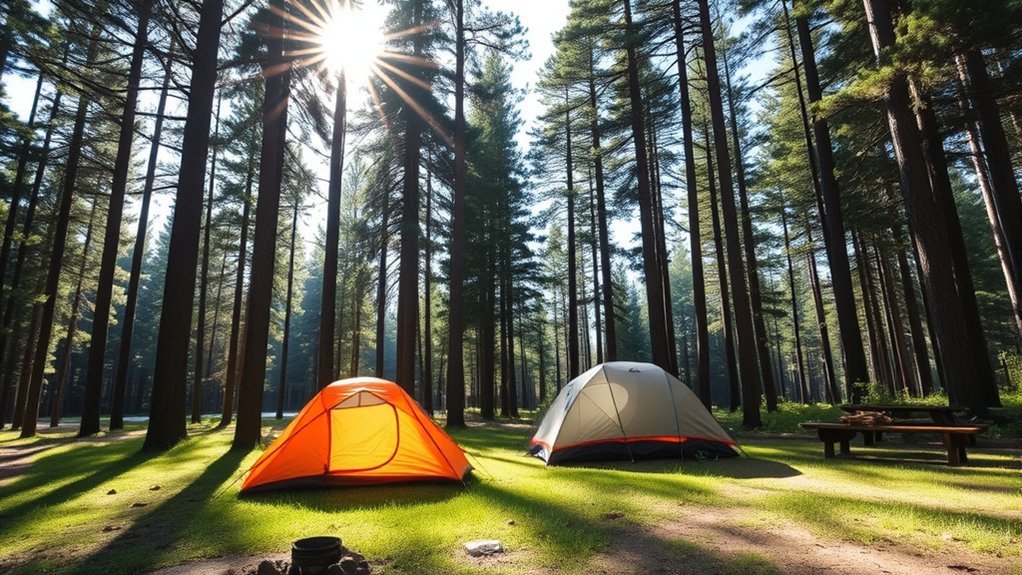
When choosing a campsite, use an established site whenever one is available. In a developed campground, keep tents, vehicles, and other equipment within the assigned campsite. In the backcountry, use durable surfaces such as compacted soil, gravel, rock, or dry grass instead of clearing live plants.
Leave No Trace generally recommends camping at least 200 feet, or about 70 to 80 adult steps, from lakes and streams in the backcountry. Local rules may set a different distance, so use the posted requirement when it differs.
Note: The 200-foot guideline is not an invitation to move a tent outside the boundaries of a developed campsite. Use the designated tent area unless campground staff or posted instructions direct you elsewhere.
Inspect the Site Before Pitching
Arrive with enough daylight to examine the entire site. Look up, down, and around before unloading your equipment.
- Overhead: Avoid dead trees, cracked trunks, hanging limbs, or leaning trees that could fall.
- Underfoot: Check for broken glass, sharp rocks, roots, holes, ant nests, poison ivy, and standing water.
- Drainage: Do not camp in a dry wash, narrow canyon bottom, low depression, or place with visible flood debris.
- Terrain: Choose level or gently sloped ground that will not direct runoff through the tent.
- Vegetation: Use an existing opening instead of cutting branches, digging trenches, or removing plants.
- Other visitors: Keep paths, water access, neighboring sites, trailheads, and roads clear.
Position the tent a safe distance from any permitted campfire, grill, or stove. Consider prevailing wind so that smoke does not blow into the shelter. Natural shrubs or healthy trees can reduce wind exposure, but never trade wind protection for the danger of falling limbs.
Essential Camping Gear
The right camping gear depends on the season, elevation, forecast, group, and distance from help. A developed campground close to town requires less self-sufficiency than a remote dispersed site, but every group needs shelter, water, navigation, lighting, food, weather protection, and an emergency plan.
Must-Have Camping Essentials
- Shelter: A durable tent with stakes, guylines, rainfly, groundsheet if recommended by the manufacturer, and a small repair kit.
- Sleep system: A sleeping bag or quilt rated for expected overnight conditions and an insulated sleeping pad.
- Water: Enough potable water for the planned trip, plus a treatment method and backup where natural water may be used.
- Food and cooking: Meals, snacks, a camp stove, suitable fuel, cookware, utensils, and the required wildlife-resistant storage method.
- Navigation: An official map, downloaded offline map, compass, and the skill to use them.
- Lighting: A headlamp or flashlight for each camper, plus spare batteries or another dependable power source.
- Safety: First aid, personal medications, whistle, emergency shelter, knife or multitool, and a method of calling for help where service exists.
- Sanitation: Soap, handwashing water, trash bags, toilet supplies, trowel where catholes are allowed, and an approved waste bag where pack-out is required.
- Weather protection: Rain gear, insulating layers, sun protection, gloves, and dry spare clothing.
Do not assume a campground will have drinking water, firewood, trash collection, a host, or a working toilet. Read the official facility list and bring a backup for anything essential.
Clothing and Footwear Choices
Use layers that can be added or removed as temperature, wind, and activity change. A moisture-wicking base layer helps move perspiration away from the skin. An insulating mid-layer holds warmth, while a waterproof and breathable outer layer protects against rain and wind.
Wear sturdy, closed-toe hiking shoes or boots with traction suited to the terrain. Bring extra socks made from merino wool or a quick-drying synthetic material, and change damp socks before they cause blisters or chilling. A wide-brimmed hat, sunglasses, and sun protection are useful during exposed daytime activities.
Keep a complete dry layer and your sleep clothing protected inside a waterproof bag. Wet clothing increases heat loss, even when the daytime weather feels mild.
Safety and First Aid
A first aid kit is most useful when campers know what is inside and how to use it. Tailor supplies to the number of people, trip length, remoteness, allergies, chronic conditions, and expected activities.
Useful items include:
- Adhesive bandages, sterile dressings, gauze, medical tape, and antiseptic supplies
- Blister care, elastic wrap, tweezers, gloves, and pain relievers
- Insect repellent, sun protection, and any prescribed emergency medication
- Personal medications with enough supply for delays
- Emergency contact details and important medical information
- A map, compass, headlamp, whistle, emergency shelter, water, and high-energy food
Check expiration dates before each trip. Tell a trusted person where you are going, where you expect to park and camp, who is with you, and when to call for help if you do not return. Do not depend entirely on a phone or satellite device; batteries, reception, weather, and terrain can affect them.
Safe Drinking Water in a National Forest
Bring enough known-safe water whenever practical. Do not assume that a clear stream, lake, spring, or campground spigot is safe. The campground page or posted notice should state whether a water source is potable and currently operating.
The Centers for Disease Control and Prevention recommends boiling uncertain water when possible. Bring clear water to a rolling boil for one minute, or three minutes at elevations above 6,500 feet. When boiling is not practical, filtering and then disinfecting provides broader protection than relying on many portable filters alone.
Warning: Boiling, filtering, or disinfecting cannot make water contaminated with harmful chemicals, toxins, fuel, mining runoff, or radioactive material safe. Use another water source.
Use treated water not only for drinking but also for cooking, brushing teeth, making ice or beverages, and washing foods that will be eaten raw. Follow the treatment product’s instructions, including filter limitations and disinfectant contact time.
Safety Precautions for Wildlife Encounters
Wildlife safety begins with preventing animals from obtaining human food. Before the trip, look for a current food-storage order for the forest, ranger district, campground, or wilderness area. The required method may include a provided food locker, locked hard-sided vehicle, approved bear-resistant container, or another specific storage system.
Treat all of the following as potential attractants:
- Food, snacks, cooking oil, and beverages
- Garbage, empty packaging, and food scraps
- Coolers, cookware, and unwashed dishes
- Pet food and pet treats
- Toothpaste, soap, lip balm, sunscreen, and other scented products
- Clothing or equipment with strong food odors
Never keep food or scented items in the tent unless the local land manager specifically provides different instructions. In bear country, arrange sleeping, cooking, and food-storage areas according to the local order rather than relying on a universal distance.
Observe wildlife from a distance. Do not approach, surround, follow, or feed an animal for a photograph. Keep children and pets close. A flashlight can help identify what is nearby after dark, but it is not a substitute for proper food storage or species-specific safety practices.
If an animal behaves aggressively, blocks your route, enters camp, or makes contact, follow the current instructions for that species and location. Contact the campground host, ranger district, Forest Service office, local wildlife agency, or 911 as the situation requires. Do not describe a national forest contact as “park authorities,” because the responsible office may be different.
Proper Waste Management Practices
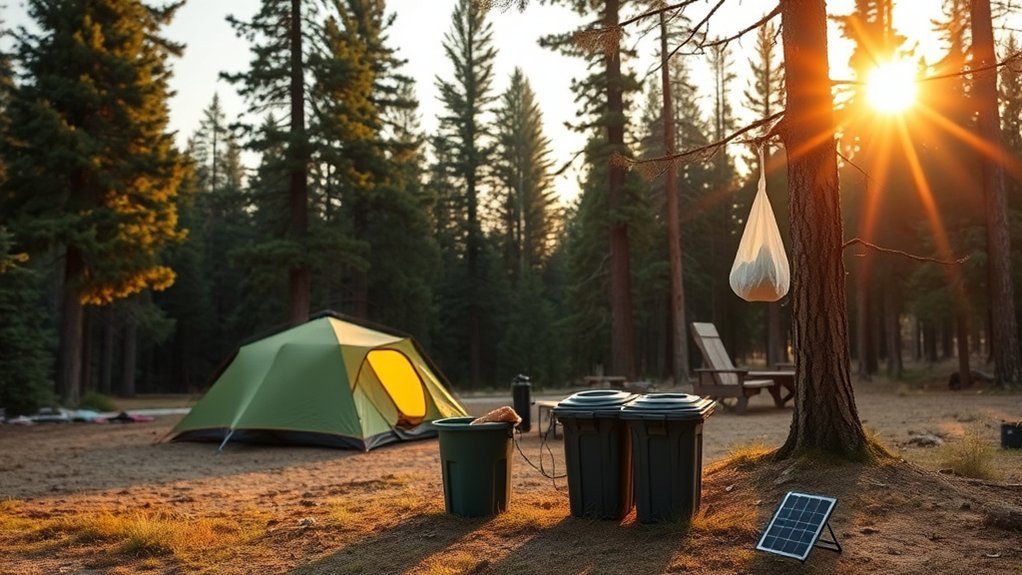
Proper waste management protects water, wildlife, soil, and other visitors. Use a restroom, vault toilet, or designated waste system whenever one is available. Never place garbage, food, foil, glass, wipes, or hygiene products in a fire ring.
Pack out every food scrap and piece of litter. A small amount of waste can attract wildlife and change its behavior.
- Trash: Pack out all packaging, food scraps, grease, and micro-trash unless an approved wildlife-resistant receptacle is provided.
- Dishwater: Use a designated disposal point where provided. Otherwise, carry wash water at least 200 feet from natural water, use very little biodegradable soap, strain out food particles, pack out the particles, and scatter the wastewater broadly where local rules allow.
- Human waste: Check local rules before the trip. Use an approved pack-out system wherever burial is prohibited.
- Toilet paper: Packing it out has the lowest impact. Where local rules allow burial, use plain, unscented toilet paper and bury it completely in the cathole.
- Wipes and hygiene products: Pack them out, including products labeled flushable or biodegradable.
- Pet waste: Bag it and place it in an approved trash receptacle or pack it out.
How to Use a Cathole Where Burial Is Allowed
Leave No Trace waste guidance recommends a cathole 6 to 8 inches deep and 4 to 6 inches wide, at least 200 feet from water, camp, and trails. Choose deep organic soil in an inconspicuous location that does not collect runoff. Cover and disguise the hole when finished.
Do not use a cathole when posted rules require waste pack-out, when you cannot reach suitable soil, or when the location is a fragile alpine area, narrow river corridor, desert environment, frozen landscape, or heavily used site where burial is inappropriate. Carry a portable camping toilet or approved waste bags when needed.
Note: “Biodegradable” does not mean a product belongs in a lake or stream. Soap, food, wipes, and personal-care products can still affect water quality and wildlife.
Cooking and Meal Preparation in the Wilderness
Thoughtful meal planning reduces cooking time, fuel use, dirty dishes, and wildlife attractants. Match the menu to the weather, available equipment, food-storage order, and the amount of safe water you can carry or treat.
Pre-cook ingredients at home when practical, portion meals into sealed containers, and choose foods that create little grease or loose waste. Keep the cooking area clean and store every attractant as soon as the meal is finished.
| Cooking Technique | Suggested Meals | Planning Benefit |
|---|---|---|
| Pre-cooked items | Bacon, sausages, cooked grains | Less cooking time at camp |
| Quick assembly | Sandwiches, wraps, breakfast burritos | Fewer dishes and less fuel |
| One-pot meals | Hobo Stew, chili, soup, pasta | Simple cleanup and portion control |
| Shelf-stable snacks | Trail mix, dried fruit, crackers, protein bars | No cooking and easier temperature control |
Camp Food Safety
Keep perishable food in a well-insulated cooler at 40°F or below. Separate raw meat and poultry from cooked or ready-to-eat foods so juices cannot leak onto them. Wash or sanitize hands and use clean utensils during preparation.
According to USDA camping food-safety guidance, perishable food should not remain between 40°F and 140°F for more than two hours. Reduce that limit to one hour when the air temperature is above 90°F. When safety is uncertain, discard the food instead of tasting it.
Campfire and Stove Safety
A portable camp stove is often faster, cleaner, and lower impact than an open fire. Before using any flame, check current fire restrictions for the exact forest and district. Restrictions can prohibit wood fires, charcoal, certain stoves, or smoking even when a campsite contains an established fire ring.
If a campfire is legal:
- Use an existing approved fire ring where required.
- Keep water and a shovel immediately available.
- Keep the fire small and attended by a responsible adult.
- Do not burn trash, foil, glass, batteries, pressurized containers, or food waste.
- Do not start a fire during dangerous wind.
- Extinguish it completely before sleeping or leaving.
Use the Smokey Bear method: drown the embers with water, stir thoroughly, drown them again, and check for heat by carefully hovering the back of your hand above the ashes. If the fire is too hot to approach safely or heat remains, it is too hot to leave.
Warning: A fire ring, previous ashes, or another camper’s fire does not prove that a fire is currently allowed. Check restrictions yourself immediately before ignition.
Severe Weather and Emergency Planning
Check the forecast before leaving and continue watching the sky, temperature, wind, and official alerts during the trip. Identify safe shelter before a storm develops. A weather-resistant tent can keep out ordinary rain, but it is not a safe lightning, tornado, or destructive-wind shelter.
A tent and an open-sided picnic shelter are not safe places during lightning.
Lightning
At the first sound of thunder, move to a substantial enclosed building or a hard-topped enclosed vehicle with the windows closed. Do not shelter under an isolated tree, in a tent, beneath an open picnic shelter, or beside tall exposed objects. The National Weather Service advises waiting at least 30 minutes after the last thunder before returning to the campsite.
Tornadoes and Destructive Winds
Move to a sturdy building before the storm arrives. A tent, canopy, picnic shelter, trailer, or exposed vehicle is not dependable protection from a tornado or destructive wind. Follow official warnings and campground evacuation instructions. Do not wait until flying debris or falling branches make travel unsafe.
Flash Flooding
Do not camp in dry washes, narrow canyon bottoms, drainage channels, or low areas with flood debris. If water begins rising, move to higher ground immediately. Never drive or walk through moving floodwater.
Wildfire
Review evacuation routes and current fire information before arrival. If officials issue an evacuation order, leave promptly by the stated route. Do not block roads, stop to watch the fire, or enter a closed area. If you see an unattended fire or smoke that may indicate a wildfire, report it from a safe location.
Respecting the Environment and Leaving No Trace
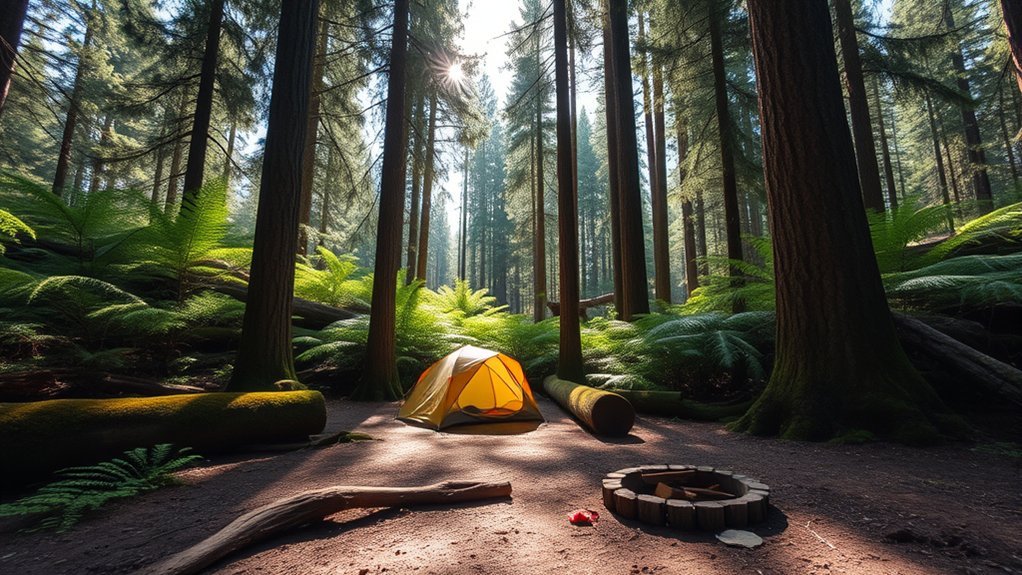
Respecting the environment helps preserve campsites, water sources, wildlife habitat, and the experience of future visitors. Apply Leave No Trace practices together rather than treating waste disposal as the only environmental responsibility.
- Plan ahead and prepare for regulations, weather, hazards, and group needs.
- Travel and camp on durable surfaces.
- Pack out trash, food scraps, wipes, and other waste.
- Leave rocks, plants, cultural objects, and natural features where you find them.
- Minimize campfire impacts and use a stove when an open fire is unnecessary.
- Observe wildlife from a distance and never feed animals.
- Limit noise, control pets, yield shared spaces, and respect neighboring campers.
Before departure, walk the site slowly and look for food particles, twist ties, foil, bottle caps, tissues, pieces of cord, and other micro-trash. Restore movable campsite equipment to its proper place without dismantling official structures or attempting to hide damage.
Frequently Asked Questions
What are the best months for tent camping in national forests?
There is no single best season for every national forest. Check the campground’s operating dates, elevation, nighttime temperatures, snowpack, monsoon pattern, wildfire conditions, smoke, insects, and seasonal road access. A low-elevation site may be comfortable while a nearby mountain campground remains snowbound.
How do I find campground amenities and facilities?
Check the specific campground page on the Forest Service website and Recreation.gov when applicable. Confirm toilets, potable water, trash service, food lockers, fire rings, vehicle size limits, accessibility, fees, reservations, and seasonal opening dates. Review alerts again shortly before departure because a listed facility can be temporarily unavailable.
Do I need a reservation or permit?
It depends on the forest and activity. Some developed campgrounds accept reservations, while others are first-come, first-served. Certain wilderness areas, trailheads, group activities, parking areas, and fire uses require permits. Dispersed camping may not require a reservation, but local restrictions and stay limits still apply.
How long can I stay at a national forest campsite?
Maximum stays vary by campground and forest. A limit commonly used in some areas is 14 days, but shorter, longer, or cumulative limits may apply. Read the campground rules and current Forest Orders rather than assuming one national limit.
Can I bring my pet to national forest campgrounds?
Pets are allowed in many national forest campgrounds, but local restrictions apply. Developed recreation sites commonly require pets to be leashed or physically controlled. Keep pets from wildlife and other visitors, store pet food with other attractants, provide water and shelter, and pack out pet waste.
Are campfires allowed in all national forest campgrounds?
No. Campfires and charcoal can be restricted or prohibited because of fire danger, air-quality rules, site conditions, or an emergency Forest Order. Check the exact forest’s current restrictions before lighting a flame, even when the campsite has a fire ring.
Can I drink water from a stream or lake?
Do not drink untreated surface water merely because it looks clear. Bring potable water or treat uncertain water. Boiling is the most reliable method for killing germs; otherwise, filter and then disinfect according to the product instructions. Use a different source if chemical or toxin contamination is possible.
What should I do during severe weather while camping?
Follow official alerts and move early. For lightning, use a substantial enclosed building or hard-topped vehicle and remain sheltered for 30 minutes after the last thunder. For a tornado or destructive wind, seek a sturdy building. Move to higher ground during flooding and follow official evacuation orders during a wildfire. Do not use a tent as severe-weather shelter.
Conclusion
A successful national forest camping trip depends less on owning the most equipment than on making sound decisions before and during the visit. Check the exact forest’s current rules, alerts, roads, weather, fire restrictions, food-storage requirements, facilities, and permits. Then choose a safe site, protect your water and sleep system, secure wildlife attractants, manage waste correctly, and keep a clear emergency plan.
Conditions and rules can change after you begin planning, so verify them again shortly before departure. Careful preparation helps protect your group while preserving the forest for wildlife and future campers.
Sources
- U.S. Forest Service — Camping — emergency gear, weather checks, forest alerts, campsite inspection, and general safety.
- U.S. Forest Service — Dispersed Camping — lack of facilities, variable local rules, campsite distances, fire checks, and pack-in/pack-out practices.
- Leave No Trace — Dispose of Waste Properly — catholes, toilet paper, wipes, dishwater, soap, trash, and pack-out requirements.
- Centers for Disease Control and Prevention — Backcountry Water Treatment — boiling, filtration, disinfection, and chemical-contamination limitations.
- National Weather Service — Outdoor Lightning Safety — safe shelter, unsafe tents and picnic shelters, and the 30-minute rule.
- USDA Food Safety and Inspection Service — Food Safety While Camping — cooler temperatures and limits for unrefrigerated perishable food.

