
Last Updated on July 23, 2026 by Daniel Globe
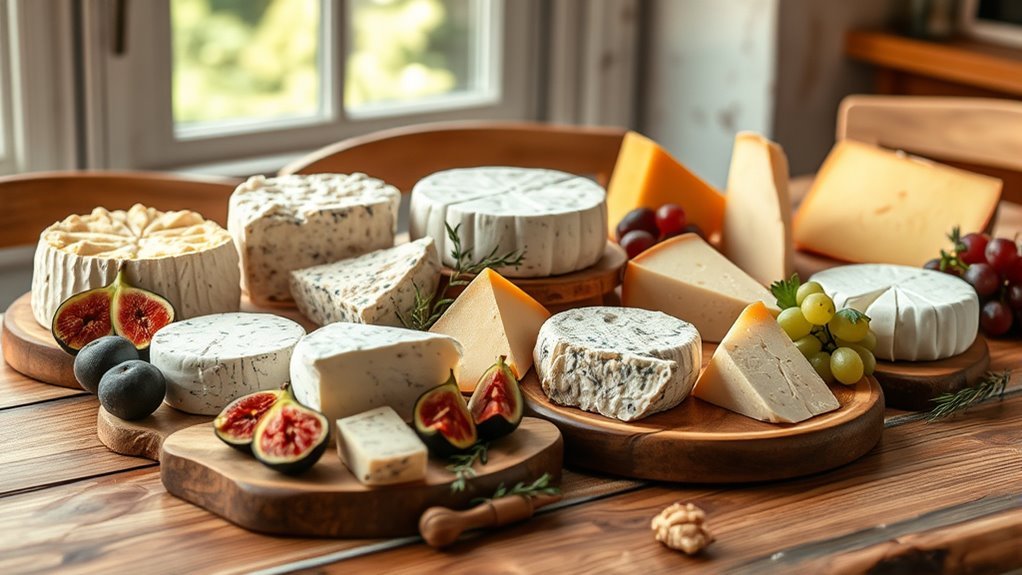
Italian cheese ranges from delicate fresh ricotta and mozzarella to crumbly aged Parmigiano Reggiano and powerful Gorgonzola. Each style reflects a particular milk, production method, region, and length of maturation. This guide compares the most famous Italian cheeses, explains how they taste, and shows you how to buy, serve, pair, and store them.
Quick Answer
The best-known Italian cheeses include Parmigiano Reggiano, Pecorino Romano, ricotta, Mozzarella di Bufala Campana, burrata, Gorgonzola, Asiago, Provolone Valpadana, Taleggio, Grana Padano, Fontina, and mascarpone. Choose fresh cheese for creamy dishes, aged cheese for grating, and blue or washed-rind cheese when you want a stronger flavor.
Key Takeaways
- Parmigiano Reggiano and Pecorino Romano are firm grating cheeses, but the first uses cow’s milk and the second uses sheep’s milk.
- Mozzarella, burrata, ricotta, and mascarpone are fresh products that should be handled and refrigerated carefully.
- Gorgonzola, Taleggio, and aged Provolone offer stronger aromas and work well in sauces, risotto, and cheese boards.
- DOP or PDO and IGP or PGI labels identify products made under protected regional specifications.
- There is no single healthiest cheese for every person. Compare serving size, sodium, saturated fat, and pasteurization information on the label.
Disclosure: As an Amazon Associate I earn from qualifying purchases. Some links on this page are affiliate links, at no extra cost to you.
What Are the Most Famous Italian Cheeses?
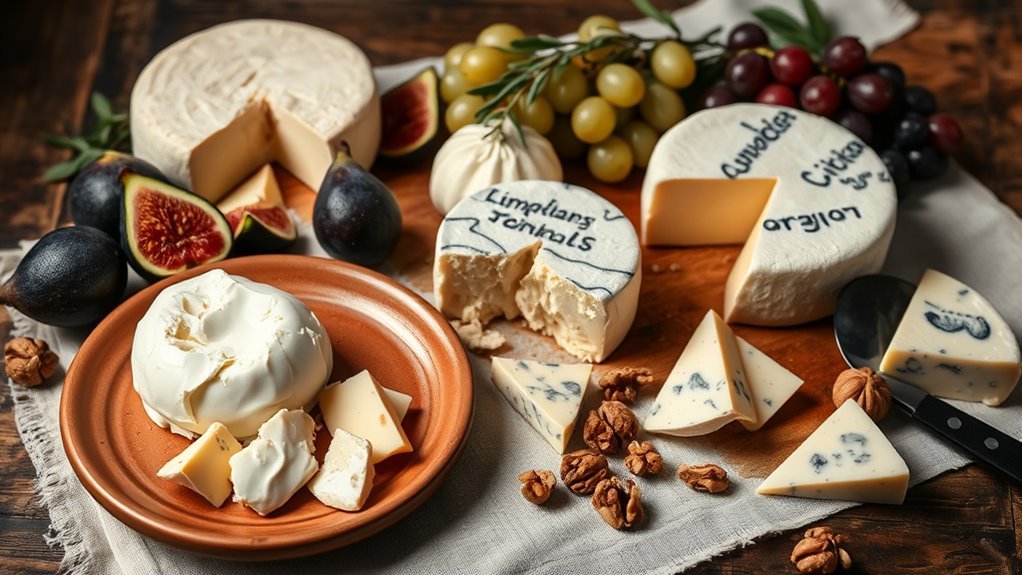
Italy produces hundreds of regional cheeses, so no single list can include every important variety. However, the cheeses below represent the styles you are most likely to see in Italian cooking, specialty shops, supermarkets, and restaurant menus.
| Cheese | Main milk or base | Texture and flavor | Common uses |
|---|---|---|---|
| Parmigiano Reggiano | Cow’s milk | Hard, granular, savory, and nutty | Pasta, risotto, soup, salads, cheese boards |
| Pecorino Romano | Sheep’s milk | Hard, salty, sharp, and aromatic | Cacio e pepe, carbonara, gricia, amatriciana |
| Ricotta | Traditionally reheated whey | Soft, moist, mild, and lightly sweet | Lasagna, ravioli, cannoli, toast |
| Mozzarella di Bufala Campana DOP | Buffalo milk | Moist, elastic, milky, and gently tangy | Caprese salad, pizza, antipasti |
| Burrata | Cow’s milk in Burrata di Andria IGP | Stretched-curd shell with a creamy center | Tomatoes, vegetables, bread, salads |
| Gorgonzola | Cow’s milk | Blue-veined, creamy or crumbly, mild to sharp | Risotto, sauces, polenta, cheese boards |
| Asiago | Cow’s milk | Soft and mild when fresh; firm and nutty when aged | Sandwiches, melting, grating, cheese boards |
| Provolone Valpadana | Cow’s milk | Elastic to firm; mild or spicy | Sandwiches, baked dishes, pizza, grating |
| Taleggio | Cow’s milk | Soft, washed-rind, aromatic, and buttery | Risotto, polenta, pasta, melting |
| Grana Padano | Cow’s milk | Hard, grainy, savory, and usually mild to nutty | Grating, soups, sauces, cheese boards |
| Fontina | Cow’s milk | Semi-soft, earthy, buttery, and highly meltable | Fonduta, gratins, sandwiches, polenta |
| Mascarpone | Cream | Smooth, rich, mild, and spreadable | Tiramisu, sauces, desserts, spreads |
A protected Italian cheese is defined by more than flavor. Its milk, production area, techniques, maturation, and labeling may all be controlled by an official specification.
Parmigiano Reggiano: The King of Cheeses
Parmigiano Reggiano is a hard cow’s milk cheese with a granular texture and a concentrated savory flavor. Authentic wheels are made under a protected specification within the provinces of Parma, Reggio Emilia, and Modena, plus defined areas of Bologna and Mantua.
Medieval Origins and Protected Production
The official consortium traces Parmigiano Reggiano to medieval origins. Today, milk production, cheesemaking, maturation, and packaging must take place within the protected production zone. The basic ingredients are milk, salt, and rennet, without added preservatives.
Aging and Flavor
Parmigiano Reggiano must mature for at least 12 months, but there is no official maximum age. Younger examples tend to be milder and more elastic. Longer-aged cheese becomes drier, more crumbly, and more intense.
The small white crystals visible in mature cheese are usually tyrosine crystals formed as proteins break down during aging. They are safe to eat and contribute a pleasant crunch, but they do not belong exclusively to 30-month cheese.
Best Ways to Enjoy Parmigiano Reggiano
- Grate it over pasta, risotto, soup, or roasted vegetables.
- Shave thin pieces over salad or carpaccio.
- Serve small chunks with pears, apples, walnuts, or aged balsamic vinegar.
- Save clean pieces of rind for flavoring soups, beans, or broth, then remove them before serving if they remain too tough to eat.
Pro Tip: Break Parmigiano Reggiano into uneven chunks instead of cutting perfect cubes. The natural fracture exposes its granular texture and creates more flavorful edges.
Pecorino Romano: Sharp and Salty
Pecorino Romano is a hard sheep’s milk cheese known for its assertive saltiness and sharp aroma. Its flavor is stronger and more direct than Parmigiano Reggiano, so a smaller quantity can season an entire dish.
A Roman Pasta Essential
Pecorino Romano is closely associated with cacio e pepe, carbonara, gricia, and amatriciana. For a smooth sauce, grate it finely and combine it gradually with warm pasta water. Very high heat can cause the cheese proteins to tighten and form clumps.
Sheep’s Milk, Production Area, and Aging
The protected production area covers Sardinia, Lazio, and the province of Grosseto in Tuscany. According to the Pecorino Romano Consortium, the cheese can be marketed after at least five months of maturation as a table cheese and after at least eight months as a grating cheese.
Serve it with pasta, broad beans, bread, honey, or firm fruit. Because Pecorino Romano can be salty, taste the dish before adding extra salt.
Ricotta: Light, Soft, and Versatile
Traditional ricotta is made by reheating whey left from another cheesemaking process. Its name comes from the idea of being “recooked.” Depending on the regional variety, the whey may come from cow, sheep, goat, or buffalo milk.
Fresh ricotta should be moist, softly granular, and mild rather than rubbery or dry. It works in both savory and sweet recipes:
- Mix it with herbs, spinach, or vegetables for ravioli and stuffed pasta.
- Layer it into lasagna or baked pasta.
- Spread it on bread with tomatoes, olive oil, honey, or fruit.
- Sweeten and drain it for cannoli, cakes, and other desserts.
Ricotta salata is a different product. It is salted, pressed, and aged until firm enough to slice or grate. Do not expect it to behave like fresh ricotta in a recipe.
Mozzarella di Bufala and Fior di Latte
Both cheeses belong to the pasta filata, or stretched-curd, family. The main difference is the milk.
Mozzarella di Bufala Campana DOP is made from fresh buffalo milk in designated parts of Campania, Lazio, Puglia, and Molise. It is juicy, milky, and gently tangy. The protected name is more specific than the generic word “mozzarella.” You can verify the official area and product identity through the Mozzarella di Bufala Campana DOP Consortium.
Fior di latte is mozzarella made from cow’s milk. It is generally milder and may be slightly firmer or less juicy, depending on the producer and intended use. Well-drained fior di latte is often easier to use on pizza because it releases less liquid.
- Use buffalo mozzarella in Caprese salad, antipasti, or fresh pizza styles.
- Use fior di latte in pizza, lasagna, baked pasta, and sandwiches.
- Drain very moist mozzarella before placing it on pizza.
- Keep fresh mozzarella in its original liquid until you are ready to use it.
Note: Fresh mozzarella is at its best soon after purchase, but “best today” is not the same as a universal 24-hour expiration rule. Follow the package’s refrigeration and use-by instructions.
What Makes Burrata So Special?
Burrata combines two textures in one cheese. Its outer pouch is stretched curd, while the center contains cream and shredded strands of stretched curd called stracciatella. Cutting it open releases the soft filling onto the plate.
The protected Burrata di Andria IGP is made with cow’s milk in Puglia. Its rounded pouch and bunched closure are recognized product characteristics, but the closure alone does not prove that a cheese was handmade.
Serve burrata with simple ingredients that provide contrast:
- Ripe tomatoes, basil, and olive oil
- Roasted peppers, zucchini, squash, or eggplant
- Prosciutto, crusty bread, or focaccia
- Peaches, figs, citrus, or lightly dressed greens
Because burrata is a highly perishable fresh cheese, keep it refrigerated in its original sealed package and follow the printed use-by date.
Asiago, Provolone, and Taleggio Compared
These three cow’s milk cheeses come in different textures and should not be treated as interchangeable.
| Cheese | Main styles | Flavor | Best uses |
|---|---|---|---|
| Asiago DOP | Fresh and aged | Mild and milky when fresh; firmer, nuttier, and more savory when aged | Melting, sandwiches, grating, cheese boards |
| Provolone Valpadana DOP | Dolce and Piccante | Mild and elastic or sharper and firmer | Sandwiches, pizza, baked dishes, grating |
| Taleggio DOP | Soft washed-rind cheese | Aromatic rind with a mild, buttery, and slightly tangy interior | Risotto, polenta, pasta, gratins |
Asiago DOP can be fresh or aged. Fresh Asiago is soft and suitable for melting, while aged versions become compact, crumbly, and suitable for grating.
Provolone Valpadana DOP is produced in mild and strong forms. Mild Provolone has a short minimum maturation, while strong examples can mature for more than a year.
Taleggio is soft and aromatic because its rind develops during maturation. The smell can be stronger than the flavor. Its PDO specification was updated through EU Implementing Regulation 2022/955.
Gorgonzola: Dolce and Piccante
Gorgonzola is a protected blue-veined cow’s milk cheese produced in designated areas of Lombardy and Piedmont. The blue-green veins develop with selected cultures and controlled maturation.
| Type | Texture | Flavor | Good uses |
|---|---|---|---|
| Dolce | Soft and creamy | Milder, sweet, and gently tangy | Spreading, sauces, risotto, polenta |
| Piccante | Firmer and more crumbly | Sharper, stronger, and more persistent | Cheese boards, salads, sauces, crumbling |
The Gorgonzola Consortium lists a maturation range of 50 to 150 days for Dolce and 80 to 270 days for Piccante. Pair either type with pears, figs, walnuts, honey, polenta, or bitter salad leaves. Dolce melts smoothly into sauces, while Piccante keeps more texture when crumbled.
Other Famous Italian Cheeses Worth Knowing
Grana Padano
Grana Padano is another protected hard cow’s milk cheese with a grainy texture. It is produced across a larger northern Italian area than Parmigiano Reggiano and has its own production rules. Use it for grating, soups, sauces, risotto, or a cheese board.
Fontina
Fontina is closely associated with the Aosta Valley. It has a semi-soft texture, earthy aroma, and strong melting ability. It is the classic choice for fonduta and also works in gratins, polenta, and toasted sandwiches.
Mascarpone
Mascarpone is a rich fresh dairy product made from cream. It is best known as a key ingredient in tiramisu, but it can also enrich pasta sauces, risotto, frostings, fruit desserts, and spreads. Keep it refrigerated and use it within the period printed on the container.
How to Read Italian Cheese Labels
Protected labels help you distinguish a regulated regional product from a generic cheese made elsewhere.
- DOP is the Italian abbreviation for Denominazione di Origine Protetta. In English, it corresponds to PDO, Protected Designation of Origin.
- IGP is the Italian abbreviation for Indicazione Geografica Protetta. In English, it corresponds to PGI, Protected Geographical Indication.
- Generic names may describe a broad cheese style without guaranteeing one specific Italian region. “Mozzarella,” for example, is broader than “Mozzarella di Bufala Campana DOP.”
Look for the protected name, the European quality logo, the producer’s details, and any required mark on the rind or packaging. Authentic Parmigiano Reggiano wheels and rind pieces commonly show the repeated dotted name. Pecorino Romano wheels carry protected markings that identify the product and producer.
How to Pair Italian Cheeses
A good pairing can contrast the cheese or reinforce its flavor. You do not need wine to build a balanced plate.
| Cheese style | Food pairings | Optional drink styles |
|---|---|---|
| Fresh mozzarella and burrata | Tomatoes, basil, citrus, grilled vegetables, bread | Sparkling water, citrus drinks, crisp white wine |
| Parmigiano Reggiano and Grana Padano | Pears, apples, walnuts, balsamic vinegar | Sparkling water, Lambrusco, medium-bodied red wine |
| Pecorino Romano | Broad beans, honey, bread, pepper, pasta | Sparkling water, dry white wine, structured red wine |
| Gorgonzola | Pears, figs, honey, walnuts, polenta | Pear juice, dessert wine, full-bodied red wine |
| Taleggio and Fontina | Potatoes, mushrooms, polenta, crusty bread | Apple cider, malty beer, medium-bodied red wine |
Serve cheeses from mildest to strongest so delicate flavors are not hidden. On a mixed board, begin with ricotta or mozzarella, continue with Asiago or Parmigiano Reggiano, and finish with Taleggio or Gorgonzola.
Products Worth Considering

READY-TO-GO CHARCUTERIE: Peel and enjoy the COLUMBUS Charcuterie Board Set without hassle

DELICIOUS FLAVOR COMBINATION: Slices of mild fontina cheese, crispy rosemary crackers, and Genoa Salame create a delicious flavor combination, bite after bite

Designed for Every Cheese: A must-have charcuterie accessory for tasting and entertaining. This narrow 7 x 1.25” stainless steel blade glides effortlessly through semi-hard and aged cheeses without ruining their texture, shape, or integrity. The fork tip at the blade's end makes picking up and sharing pieces effortless.
How to Store and Serve Italian Cheese
- Fresh cheeses: Keep ricotta, mozzarella, burrata, and mascarpone refrigerated in their original packaging. Follow the printed use-by date.
- Hard cheeses: Wrap cut Parmigiano Reggiano, Pecorino Romano, Grana Padano, and aged Asiago securely and refrigerate them to protect quality.
- Soft and blue cheeses: Keep Taleggio and Gorgonzola covered and separated from mild foods because their aromas can transfer.
- Serving: Remove only the amount you plan to eat. Many aged and soft-ripened cheeses show more aroma and flavor after a short rest outside the refrigerator.
- Clean handling: Use a clean knife for each cheese, especially when serving fresh cheese to several people.
Warning: Keep perishable dairy products at 40°F or 4°C or below unless the manufacturer provides specific handling instructions. Pregnant people, adults over 65, and people with weakened immune systems should follow current food-safety advice and check whether a cheese is made with pasteurized milk.
Products Worth Considering

HIGH-QUALITY MATERIAL: Made with high-quality materials that let you enjoy fresh Parmesan cheese whenever you want, this Italian Pottery Cheese Container is the best.

Contains (1) ProKeeper Split Deli Storage Container – an airtight silicone-sealed food storage container with a clear dry erase compatible lid, 11.75 inches long. Perfect as a holiday gift!

SIZE------The cheese container measures 8.39(L) x 5.51(W) x 3.54(H) inches. Enough room to hold kinds of cheese like cheddar, cheese slices, cheese block, cream cheese, Parmesan, Mozzarella, goat cheese, American Cheese, Swiss Cheese, Brie Cheese, Gouda Cheese...
Which Italian Cheese Should You Try First?
Your best starting point depends on the flavors and textures you already enjoy.
- Choose Parmigiano Reggiano if you like nutty, savory, and crumbly cheese.
- Choose mozzarella or burrata if you prefer fresh, milky, and creamy flavors.
- Choose Pecorino Romano if you enjoy salty sheep’s milk cheese and Roman pasta.
- Choose Asiago or Provolone Dolce if you want a mild cheese for sandwiches and melting.
- Choose Taleggio if you are ready for a fragrant rind with a softer interior flavor.
- Choose Gorgonzola Dolce as a gentler introduction to blue cheese.
- Choose Gorgonzola Piccante if you already enjoy sharp and crumbly blue cheeses.
For a small tasting, serve one fresh cheese, one hard aged cheese, and one stronger soft or blue cheese. Add plain bread, fruit, and water so you can compare each cheese without too many competing flavors.
Products Worth Considering
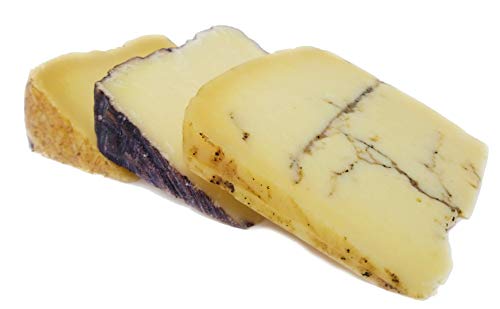
3 Delightful Italian Cheeses, Truffle Moliterno, al Vino and Traditional Moliterno. - 8 Ounces Each.

ITALIAN CHEESE TASTING GIFT BOX - Cut and wrapped by the hands of our food experts, Ships Prime expedited in an insulated package to ensure freshness

Includes any three of the following italian cheeses Piave, Grana Padano, Parmeggiano and Pecorino Romano
Frequently Asked Questions
What are the top three Italian cheeses?
There is no official top three, but Parmigiano Reggiano, Pecorino Romano, and Mozzarella di Bufala Campana are strong starting choices. Together, they represent hard cow’s milk cheese, hard sheep’s milk cheese, and fresh stretched-curd buffalo milk cheese.
What is the best cheese for someone with heart disease?
No cheese treats heart disease, and one variety is not best for everyone. Compare labels for saturated fat, sodium, calories, and serving size. Smaller portions and lower-fat or lower-sodium products may fit some heart-healthy eating plans, but follow the advice of your doctor or registered dietitian.
What is the most popular cheese in Italy?
Popularity changes according to the measurement used, such as household purchases, production volume, restaurant use, or exports. Parmigiano Reggiano, Grana Padano, mozzarella, Pecorino Romano, and Gorgonzola are all widely recognized, but it is safer to avoid naming one undisputed winner without a defined dataset.
Which cheese is suitable for someone with SIBO?
Cheese is not a treatment for small intestinal bacterial overgrowth. Many matured hard cheeses contain little lactose, while fresh ricotta may contain more, but tolerance varies. A clinician or dietitian can help determine whether lactose or other foods affect your symptoms and whether a temporary therapeutic diet is appropriate.
Is Parmesan the same as Parmigiano Reggiano?
Parmigiano Reggiano is a protected Italian cheese made within a defined area under a detailed production specification. In some countries, “Parmesan” may also appear on generic hard grating cheeses that do not follow those rules. Check the full product name, origin, protected logo, and rind markings.
Which Italian cheese is best for pizza?
Fior di latte or low-moisture mozzarella is practical for most home pizzas because it melts well without releasing excessive liquid. Mozzarella di Bufala Campana creates a softer, juicier result but should be drained first. Provolone, Gorgonzola, Parmigiano Reggiano, and Pecorino Romano can be added for stronger flavor.
Can pregnant people eat Italian cheese?
Food-safety advice varies by cheese and country. Check that soft or blue cheese is made with pasteurized milk and follow current guidance from your healthcare provider or food-safety authority. Keep cheese refrigerated, avoid products with damaged packaging, and respect use-by dates.
Conclusion
The best Italian cheese depends on how you plan to use it. Start with mozzarella, ricotta, or mascarpone for mild creaminess. Choose Parmigiano Reggiano, Grana Padano, or Pecorino Romano for grating and concentrated flavor. Move to Taleggio, aged Provolone, or Gorgonzola when you want a stronger aroma. Checking protected names, milk type, maturation, and storage instructions will help you choose with confidence.
Sources
- Parmigiano Reggiano Consortium FAQ — production area, ingredients, labeling, and minimum maturation.
- Pecorino Romano Consortium — cheese characteristics and minimum maturation periods.
- Mozzarella di Bufala Campana DOP Consortium — protected production area and product identity.
- European Union Burrata di Andria PGI specification — ingredients, protected area, shape, and filling.
- U.S. Food and Drug Administration dairy safety guidance — refrigeration, pasteurization, and Listeria precautions.
- American Heart Association dairy guidance — saturated fat, lower-fat dairy choices, and heart-healthy eating.
