
Last Updated on July 24, 2026 by Daniel Globe
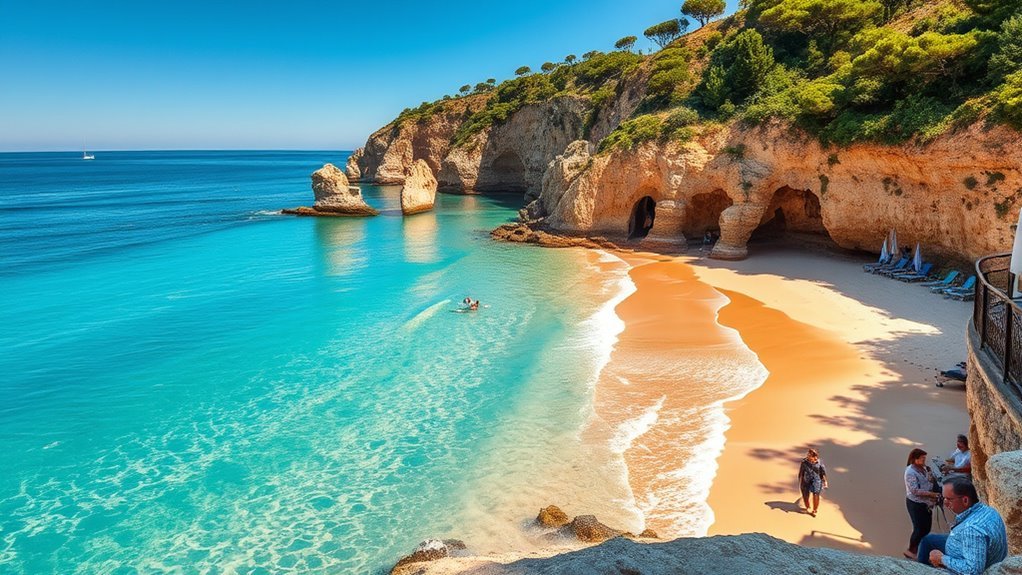
Tuscany’s coast includes long sandy shores, protected dunes, white-pebble coves, rocky swimming spots, and island beaches with exceptionally clear water. The best choice depends on whether you want easy family facilities, snorkeling, natural scenery, archaeology, or an upscale beach-club experience. Access also varies widely, so check reservations, parking, ferry schedules, and walking conditions before you travel.
Quick Answer
The best beaches in Tuscany include Cala Violina for protected nature, Cala del Gesso and Sansone for clear-water snorkeling, Forte dei Marmi for beach clubs, Le Rocchette and Marina di Massa for families, Baratti for archaeology, Calafuria for rocky scenery, and Cannelle for an easy island beach day.
Key Takeaways
- Reserve Cala Violina in advance during its regulated summer season. Daily access is limited.
- Bring suitable footwear to Cala Violina, Cala del Gesso, Sansone, and Calafuria.
- Choose Le Rocchette, Forte dei Marmi, Marina di Massa, or Cannelle when facilities and easier family access matter most.
- Expect summer crowds at famous beaches, including Sansone, Cala del Gesso, Cannelle, and Cala Violina.
- Check local conditions before swimming. Lifeguard coverage, sea conditions, access restrictions, and available services can change.
Disclosure: As an Amazon Associate I earn from qualifying purchases. Some links on this page are affiliate links, at no extra cost to you.
Best Beaches in Tuscany by Type
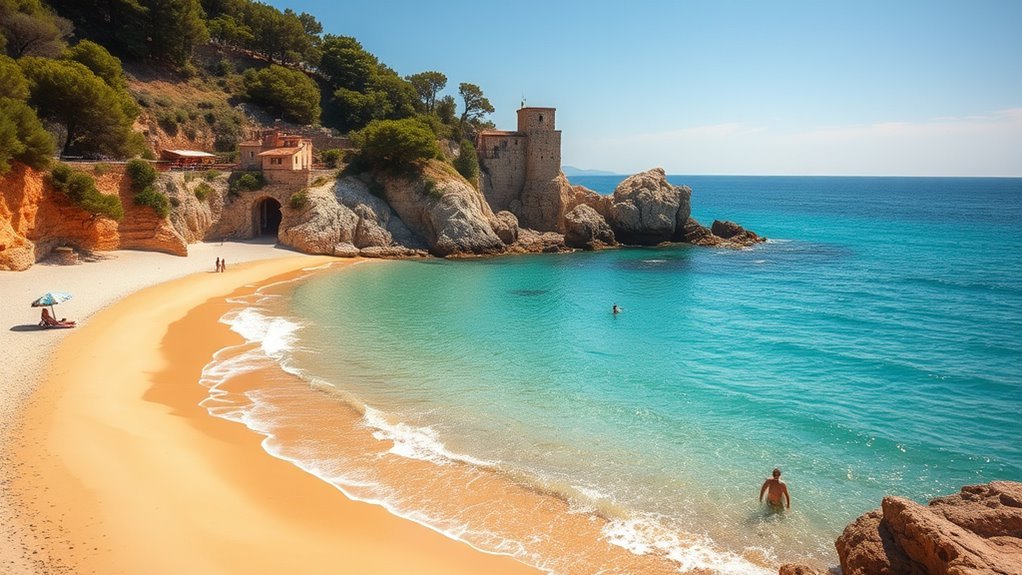
Tuscany offers a broad range of coastal experiences. Forte dei Marmi is known for organized beach clubs, restaurants, shopping, and a shallow seabed. La Lecciona gives you protected dunes and an undeveloped shore. Baratti combines dark sand and calm water with the nearby archaeological remains of Populonia. Marina di Massa places a long, equipped beach below the Apuan Alps.
For snorkeling and striking water color, consider Cala del Gesso, Sansone, Le Rocchette, Calafuria, Cala Violina, or Cannelle. These beaches are not equally easy to reach, however. Some require a ferry, reservation, narrow footpath, steep descent, or careful entry over rocks.
| Beach | Shore Type | Best For | Access and Facilities |
|---|---|---|---|
| Cala Violina | Fine sand and shallow water | Nature, swimming, snorkeling | Reservation required in the regulated season; walking or cycling access |
| Cala del Gesso | Pebbles and rock | Snorkeling and dramatic scenery | Demanding 20- to 25-minute descent; plan for limited services |
| Sansone | White pebbles and sand | Clear water and snorkeling | Narrow downhill path; difficult parking; bar and equipment rental |
| Forte dei Marmi | Fine golden sand | Beach clubs, dining, families | Easy access and extensive services; many areas require payment |
| La Lecciona | Fine sand and dunes | Wild scenery and quiet walks | Reached through protected parkland; few beach services |
| Le Rocchette | Sand with rocky edges | Families and snorkeling | Free and equipped sections with bars and restaurants |
| Baratti | Dark, shiny sand | Families, history, paddling | Road access and seasonal services; parking fills quickly |
| Marina di Massa | Long sandy coast | Families and full-service beach days | Easy access, beach clubs, restaurants, shops, and free sections |
| Calafuria | Sandstone cliffs and rocks | Experienced swimmers, snorkeling, diving | Steep or rocky entries; limited comfort facilities |
| Cannelle | Light granular sand and rocks | Families and easy island swimming | Reachable from Giglio Porto; rentals and food available |
How to Plan a Tuscany Beach Day
The most attractive beach is not always the easiest one to visit. A little planning can prevent parking problems, missed reservations, and an uncomfortable walk in midday heat.
- Book protected beaches early: Cala Violina requires online reservations during its regulated summer period.
- Check ferry times: Sansone is on Elba, while Cannelle is on Giglio. Allow time for boarding, parking at the ferry port, and returning to the mainland.
- Arrive early: Parking near famous beaches can fill before late morning in July and August.
- Bring water shoes: They are useful at Cala del Gesso, Sansone, Calafuria, and rocky parts of Le Rocchette and Cannelle.
- Carry enough water: Wild beaches may have no dependable food, shade, drinking water, or rubbish bins.
- Confirm beach-club prices: Organized beaches may charge separately for entrance, umbrellas, loungers, parking, showers, or changing rooms.
- Check wind and sea conditions: A sheltered beach on one day may have waves, currents, or reduced visibility on another.
Warning: Never jump from a cliff or rock unless the site is officially designated for diving and you have confirmed the depth and underwater hazards. Rocky entries can be slippery, waves can push swimmers against stone, and some beaches have little or no lifeguard coverage.
Pro Tip: Visit popular beaches before 9 a.m. or later in the afternoon. You will usually find easier parking, cooler walking conditions, and more space near the water.
Cala Violina: The Musical Beach in Tuscany
Cala Violina lies between Follonica and Punta Ala in the Bandite di Scarlino Nature Reserve. Its fine quartz-rich sand can produce a faint squeaking or musical sound when dry grains move underfoot. The water is generally shallow near the shore, making the beach attractive for swimming and snorkeling.
For the 2026 regulated season, the Comune di Scarlino limits access to 700 visitors a day between 8:30 a.m. and 6:30 p.m. An online reservation is required, with a €1 contribution for paying visitors. Children from 1 to 12 must be included in the reservation but do not pay the contribution. Babies under 12 months do not require a reservation.
The most direct route begins at the bookable Val Martina parking area and continues for about 1.5 kilometers on foot. The route from Puntone is much longer at approximately 6 kilometers. Both pass through Mediterranean vegetation, so wear closed shoes and avoid carrying unnecessary weight. Cala Violina can be difficult for people with limited mobility, heart conditions, or other health concerns affected by heat and walking.
Cala Violina admits no more than 700 visitors a day during its regulated summer period, helping protect one of Tuscany’s best-known natural beaches.
- Reserve beach access and parking through the official Comune di Scarlino information page.
- Wear comfortable closed shoes for the route through the reserve.
- Bring an umbrella, water, and a bag for your rubbish because the beach has no natural shade or waste bins.
Dogs are not permitted during the regulated period except where an official exemption applies, and smoking is prohibited. Seasonal toilets and refreshment services may be available in the wider reserve area, but you should still arrive prepared. Lifeguard or bathing-assistant coverage varies by date, so do not assume supervision is present throughout your visit.
Cala del Gesso: A Dramatic Argentario Cove
Cala del Gesso sits on the western side of Monte Argentario. It has clear blue-green water, a shore of pebbles and rock, and views toward the small island of Argentarola. The cove is beautiful but not secret. It is one of the Argentario’s most popular swimming spots and can become crowded during summer.
The pedestrian entrance is near kilometer 5.9 of Provincial Road 65. From the gate, the route combines a paved local road with a final trail and normally takes about 20 to 25 minutes. The descent has a notable change in elevation, and the uphill return feels harder in hot weather.
| What to Expect | What to Bring | Important Limitation |
|---|---|---|
| Pebbles and rocky seabed | Water shoes | Uncomfortable for bare feet |
| Clear snorkeling water | Mask and snorkel | Visibility depends on weather |
| Limited natural shade | Sun protection and water | Heat makes the return climb harder |
| Popular summer cove | Food and rubbish bag | Do not depend on beach services |
Cala del Gesso is best for reasonably fit visitors who are comfortable with pebbles, a steep walk, and a beach day without extensive facilities. Pack lightly, leave before extreme afternoon heat, and carry everything back up with you.
Sansone Beach on Elba Island
Sansone Beach, near Portoferraio on Elba, is known for white pebbles, pale cliffs, and transparent turquoise water. The light-colored seabed helps create vivid water color and good visibility for snorkeling. However, its popularity means that you should not expect solitude during the summer.
White Pebbles and Cliffs
The beach is reached from the provincial road between Portoferraio and Enfola-Viticcio. From the parking area, the descent takes about 10 minutes along a scenic path that becomes narrow enough for one person in places. Parking is difficult, especially from late morning onward.
- Arrive early because roadside and private parking spaces are limited.
- Wear shoes with grip for the downhill path and white-pebble shore.
- Bring a compact beach setup because the available space can fill quickly.
A bar, equipped beach area, and water-equipment rental are normally available, although opening periods can vary. The dramatic cliffs provide a striking backdrop, but do not stand directly below unstable rock faces or ignore posted restrictions.
Snorkeling in Clear Water
Sansone’s combination of pale stones, clear water, rocks, and seagrass makes it one of Elba’s better-known snorkeling beaches. Enter slowly because the pebbles can move beneath your feet. Swim gently around rock formations and avoid touching or standing on marine vegetation.
| Feature | Why It Matters |
|---|---|
| Clear water | Good visibility around rocks and seagrass |
| White pebbles | Bright water color but uncomfortable footing without shoes |
| Bar and rentals | Some food and equipment are available in season |
| Limited parking | An early arrival significantly improves access |
Keep your mask secure, breathe slowly, and maintain distance from other swimmers. For official access and service information, check the Visit Elba Sansone guide.
Forte dei Marmi: Tuscany’s Luxury Beach
Forte dei Marmi offers a different experience from Tuscany’s natural coves. Its long golden shore is lined mainly with organized bathing establishments that provide umbrellas, loungers, cabins, changing facilities, food, and attentive service. The town also has designer shops, cafés, restaurants, and an active evening scene.
Luxury Beach Clubs
The beach clubs, known locally as stabilimenti balneari or bagni, range from traditional family-run establishments to high-end clubs. Prices vary greatly according to location, season, row, equipment, and services. Contact the establishment directly before visiting rather than assuming a standard entrance price.
- Reserve umbrellas and loungers before weekends in July and August.
- Ask whether towels, showers, parking, changing rooms, and meals are included.
- Confirm cancellation rules when booking several days in advance.
Forte dei Marmi works well for travelers who value comfort and dependable services more than isolation. Public-access and free-beach areas exist along the wider Versilia coast, but much of the central beachfront is organized through paid establishments.
Golden Sand Shores
The shore has fine golden sand and a seabed that remains relatively shallow near the waterline. That makes the area appealing to families, although children still require close supervision. Sea depth, waves, and currents can change with weather.
You can swim, paddle, walk along the shore, or spend most of the day beneath an umbrella. Unlike pebble coves, you normally do not need water shoes for the main sandy sections.
Elegant Promenade Life
The town’s promenade and central streets add shopping, dining, and nightlife to the beach experience. The historic pier provides open views of the coast and the Apuan Alps. Evening options include seafront drinks, restaurants, boutiques, concerts, and seasonal events.
- Walk along the pier near sunset.
- Explore the town center after leaving the beach.
- Book popular restaurants during the high season.
La Lecciona: A Protected Dune Beach
La Lecciona lies between Viareggio and Torre del Lago within the Migliarino, San Rossore, Massaciuccoli Regional Park. It is one of the area’s broadest natural beaches, with fine sand, coastal dunes, wetland areas, Mediterranean vegetation, and forest behind the shore.
The beach has fewer commercial facilities than the organized beaches of Versilia. You reach it by walking or cycling through the protected landscape. Use official paths and wooden walkways instead of crossing dunes directly. Dune plants stabilize the shore, and sections of the beach may contain nesting areas for protected birds.
Note: Keep towels and beach equipment near the water rather than deep in the dunes. Do not remove driftwood, disturb marked nesting areas, light fires, camp, or leave rubbish.
La Lecciona is a strong choice when you want open space and a natural setting. It is less suitable when you need nearby restaurants, changing rooms, extensive accessibility infrastructure, or a guaranteed lifeguard station.
Le Rocchette: Sandy Bay by the Pines
Le Rocchette is near Castiglione della Pescaia and combines a sandy bay, pine forest, gently sloping seabed, and a rocky point below the historic fort. It offers both free-beach sections and organized establishments with bars, restaurants, umbrellas, and loungers.
The sandy center works well for families because entry is generally gradual. The rocky side near the fort offers better snorkeling when the sea is calm and visibility is good. Water shoes can make exploring the rocky edge safer and more comfortable.
The pine forest provides welcome shade behind parts of the shore, but do not assume every beach position will be shaded. During summer, arrive early for convenient parking and a suitable place on the sand.
- Best for: Families who want sand and services.
- Also good for: Snorkelers exploring the rocky edge.
- Consider: Free areas can become busy, while equipped areas charge seasonal rates.
Spiaggia di Baratti: Beach and Archaeology
Baratti lies north of Piombino in a sheltered gulf backed by pine trees and the archaeological landscape of Populonia. Its sand has a dark, shiny, grey-brown or reddish appearance linked to residues from the area’s ancient ironworking history.
The bay’s generally gentle water and sandy seabed make it popular with families, paddlers, and beginning swimmers. Conditions can still change, so check flags and local warnings before entering. The beach includes free areas and seasonal services.
- Walk along the shore and notice how the iron-rich sand reflects sunlight.
- Visit the nearby Archaeological Park of Baratti and Populonia.
- Allow separate time for the beach and archaeological sites because park admission and opening hours are independent.
Parking around the gulf is regulated and can fill during busy periods. Follow official parking signs and do not leave a vehicle beside roads or within the pine forest. Bring footwear for the archaeological paths if you plan to combine swimming with a park visit.
Marina di Massa: Beach Meets the Mountains
Marina di Massa sits on Tuscany’s northern coast, where the Ligurian Sea meets a long sandy shoreline backed by the Apuan Alps. It offers organized beach establishments, free sections, restaurants, accommodation, shops, and a promenade, making it easier to plan a full day than at remote coves.
Coastal Views and the Apuan Alps
The mountain backdrop is Marina di Massa’s most distinctive feature. From the beach and panoramic pier, you can look inland toward the pale, rugged peaks of the Apuan range. The contrast is especially clear on days with low humidity and good visibility.
- Walk along the waterfront early in the morning or near sunset.
- Use the pier for a broad coast-and-mountain view.
- Plan mountain excursions separately rather than attempting a demanding hike directly after a full day in the sun.
Family-Friendly Sand and Day Trips
The long sandy coast, gradual entry in many areas, and wide choice of services make Marina di Massa practical for families. Beach establishments commonly provide umbrellas, loungers, showers, changing facilities, food, and sports activities. Confirm accessibility features directly because they differ by establishment.
Marina di Massa can also serve as a base for exploring the Apuan Riviera, Versilia, Massa, Carrara, and parts of Liguria. Traffic becomes heavier during summer weekends, so avoid placing several distant excursions into a single day.
Spiaggia di Calafuria: Tuscany’s Rocky Coast
Calafuria stretches south of Livorno along a dramatic sandstone cliff. Rather than one conventional sandy beach, the area contains rock platforms, small coves, sea-access points, natural rock pools, and underwater walls rich in marine life.
The seabed becomes deep quickly in several areas, which helps make Calafuria popular with experienced snorkelers and divers. It also makes the coast less suitable for toddlers, weak swimmers, or anyone who needs a smooth sandy entry.
- Use marked sea-access routes and keep your hands free while descending.
- Wear water shoes with reliable grip.
- Stay out of the water when waves are striking the rocks or local warnings are active.
- Never jump from cliffs or ledges without an officially supervised and verified diving area.
The 16th-century Calafuria Tower and the coastal scenery add historical interest to the visit. For current background on the coastline and underwater environment, consult the official Visit Livorno Calafuria guide.
Spiaggia delle Cannelle: A Family Beach on Giglio
Cannelle lies south of Giglio Porto on the Island of Giglio. It has light-colored granular sand, rocky edges, and clear water that is normally suitable for swimming and snorkeling. Its relatively easy access and available services make it one of the island’s most popular beaches.
You can reach Cannelle on foot from Giglio Porto or use local transport options when available. The route is easier than the path to many isolated island coves, but summer heat can still make the walk tiring. Carry water and confirm the return route before setting out.
The central sandy area is convenient for children, while the rocks at the sides attract snorkelers. Families can swim, build sandcastles, rent beach equipment, or use seasonal food and refreshment services. Close supervision remains essential because boats, rocks, waves, and changing depth may be present outside the shallowest area.
Cannelle is scenic but not reliably quiet in July or August. Arriving early gives you a better choice of space and makes the walk more comfortable.
Frequently Asked Questions
Where is the most beautiful sea in Tuscany?
Beauty is subjective, but Elba, Giglio, Monte Argentario, Cala Violina, and the rocky coast south of Livorno are known for especially clear and colorful water. Sansone is a strong choice for white pebbles and snorkeling, while Cala del Gesso offers a dramatic cove setting.
What are the 10 most beautiful beaches in Tuscany?
A balanced list includes Cala Violina, Cala del Gesso, Sansone, Forte dei Marmi, La Lecciona, Le Rocchette, Baratti, Marina di Massa, Calafuria, and Cannelle. The best option depends on whether you prefer sand, rocks, snorkeling, family facilities, protected nature, or beach clubs.
Where is the Caribbean Sea located in Tuscany?
The Caribbean Sea is not in Tuscany. Travel descriptions sometimes compare the turquoise water of Elba, Giglio, Cala Violina, or Monte Argentario with the Caribbean, but Tuscany borders the Ligurian and Tyrrhenian seas.
Which Tuscany beaches have crystal-clear water?
Cala del Gesso, Sansone, Cala Violina, Le Rocchette, Calafuria, Cannelle, and many smaller island coves often have excellent clarity. Actual visibility depends on wind, waves, currents, rainfall, boat traffic, and the number of swimmers.
Which Tuscany beaches are best for families?
Le Rocchette, Forte dei Marmi, Marina di Massa, Baratti, and Cannelle are practical family choices because they combine manageable water entry with nearby services. Calafuria and Cala del Gesso are less suitable for young children because of rocks, steep paths, and deeper water.
Do you need reservations for Tuscany beaches?
Most free beaches do not require reservations. Cala Violina is an important exception during its regulated summer season. Paid beach clubs at Forte dei Marmi and other organized resorts should also be reserved during busy weekends and holidays.
When is the best time to visit Tuscany’s beaches?
June and September usually provide warm weather with fewer visitors than July and August. May can be pleasant for walking and sightseeing, although water and services may still be limited. Conditions and seasonal opening dates vary, so check local information before traveling.
Conclusion
Tuscany has a beach for nearly every travel style. Choose Cala Violina or La Lecciona for protected nature, Sansone or Cala del Gesso for vivid water and snorkeling, Forte dei Marmi for organized comfort, Le Rocchette or Marina di Massa for an easier family day, Baratti for a mix of swimming and archaeology, Calafuria for rugged rock scenery, or Cannelle for an accessible island beach.
The most important difference is not appearance but access. Check reservations, ferry schedules, parking, walking conditions, facilities, and sea warnings before leaving. With the right preparation, you can enjoy Tuscany’s coast without turning a beautiful beach day into a stressful one.
Sources
- Comune di Scarlino: Cala Violina Summer 2026 — reservation dates, visitor limit, access routes, fees, parking, and beach rules.
- Visit Elba: Sansone Beach — shore type, path, parking difficulty, facilities, and snorkeling conditions.
- Argentario Turismo: Cala del Gesso — official access location, walking time, shore type, and popularity.
- Migliarino, San Rossore, Massaciuccoli Regional Park: La Lecciona — protected habitats, routes, dunes, forest, and natural beach environment.
- Parchi della Val di Cornia: Baratti and Populonia — Etruscan archaeology, park areas, history, and visitor information.
- Visit Livorno: Calafuria — sandstone cliffs, underwater environment, diving conditions, and coastal features.
