
Last Updated on July 23, 2026 by Daniel Globe
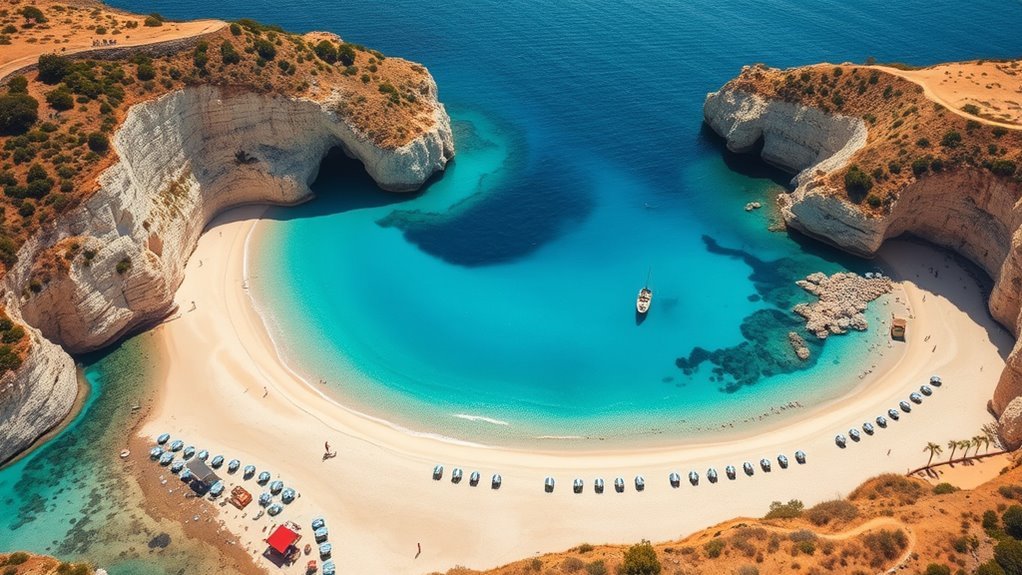
Puglia’s most beautiful beaches range from the white cliffs of Gargano to the long, shallow shores of Salento. This guide compares 10 standout coastal destinations, including Baia delle Zagare, Vignanotica, the Tremiti Islands, Torre Guaceto, Lama Monachile, Pescoluse, Punta della Suina, Punta Prosciutto, Torre dell’Orso, and Baia dei Turchi. You’ll also find practical advice on access, crowds, parking, family suitability, and the best time to visit.
Quick Answer
For dramatic scenery, choose Baia delle Zagare, Vignanotica, or Polignano a Mare. For soft sand and shallow water, Pescoluse and Punta Prosciutto are stronger choices. Torre Guaceto and the Tremiti Islands suit nature lovers, while Punta della Suina is especially memorable near sunset.
Key Takeaways
- Puglia has two very different beach experiences: rocky Adriatic coves and long Ionian sand beaches.
- Baia delle Zagare, Torre Guaceto, and the Tremiti Islands have access rules or protected-area restrictions that should be checked before arrival.
- Pescoluse, Punta Prosciutto, and Torre dell’Orso are practical choices for families, but sea conditions and lifeguard coverage still vary by day and section.
- July and August bring the biggest crowds. Late May, June, and September usually offer a better balance of warm weather and easier access.
Disclosure: As an Amazon Associate I earn from qualifying purchases. Some links on this page are affiliate links, at no extra cost to you.
Which Puglia Beach Fits Your Trip?
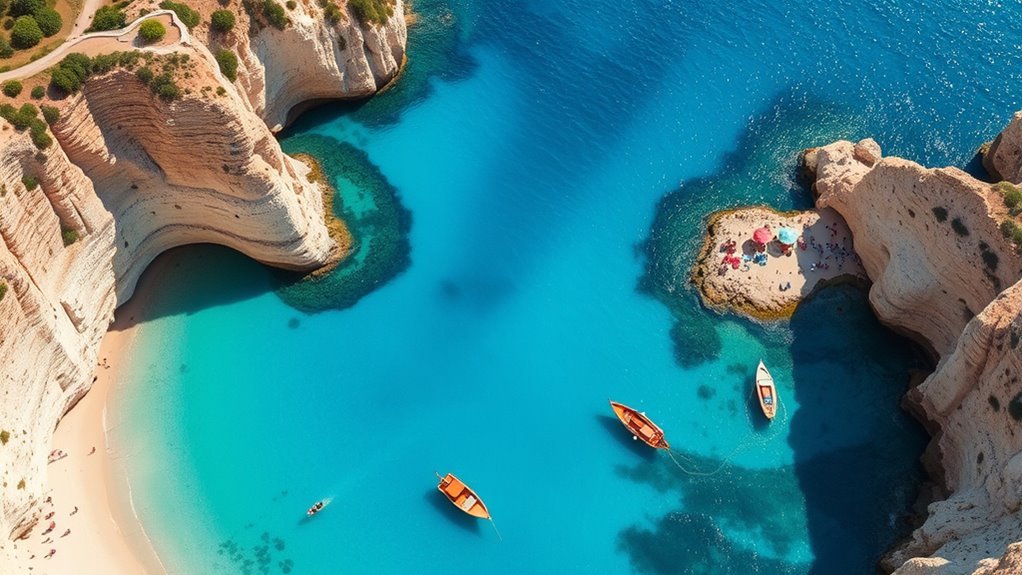
The best Puglia beach depends on the experience you want. The Gargano coast in northern Puglia is known for white limestone cliffs, sea stacks, caves, and pebble coves. Central Puglia adds dramatic towns such as Polignano a Mare. Farther south, Salento offers long sandy beaches on the Ionian side and coves, cliffs, and pine-backed bays on the Adriatic side.
| Beach | Area and Coast | Best For | What to Expect |
|---|---|---|---|
| Baia delle Zagare | Gargano, Adriatic | Cliffs and sea stacks | Limited land access; light sand and pebbles |
| Vignanotica | Gargano, Adriatic | Quiet scenery and caves | Pebbles, gravel, cliffs, and a downhill approach |
| Tremiti Islands | Off Gargano, Adriatic | Snorkeling and boat trips | Marine reserve, rocky coves, and seasonal ferries |
| Torre Guaceto | Brindisi coast, Adriatic | Nature and low-impact visits | Dunes, protected habitats, parking, and seasonal shuttle |
| Lama Monachile | Polignano, Adriatic | Town views and photography | Small pebble cove that becomes crowded early |
| Pescoluse | Salento, Ionian | Families and soft sand | Long shore, shallow water, free areas, and lidos |
| Punta della Suina | Gallipoli, Ionian | Sunsets and scenery | Small sandy bays, rocks, pine woods, and beach clubs |
| Punta Prosciutto | Porto Cesareo, Ionian | Shallow swims and dunes | Fine sand, low seabed, limited shade, and busy parking |
| Torre dell’Orso | Melendugno, Adriatic | Families and classic beach days | Wide sandy bay, services, cliffs, and sea-stack views |
| Baia dei Turchi | Otranto, Adriatic | Pine-shaded walks and clear water | Parking followed by a walk; free and serviced sections |
For easy family days, start with Pescoluse, Punta Prosciutto, or Torre dell’Orso. For wilder scenery, choose Vignanotica or Torre Guaceto. For a beach-and-town combination, Polignano a Mare is the most convenient choice on this list.
Baia delle Zagare: Cliffs and Sea Stacks
Baia delle Zagare, also called Baia dei Mergoli, sits between Mattinata and Vieste in Gargano National Park. White limestone cliffs rise behind a shore of light-colored sand mixed with pebbles, while two large sea stacks create one of Puglia’s most recognizable coastal views. The bay is especially photogenic in the morning because the high cliffs can place parts of the beach in shade later in the day.
Access is the main challenge. The beach can be reached by sea, through participating hotels, or through a limited public-access system. For summer 2026, local visitor information states that 20 named day passes are issued at the Mattinata Info Point for same-day use and cannot be reserved in advance. Procedures can change, so check the latest local notice before making a special trip.
Pro Tip: Arrive in Mattinata early, carry identification for every adult requesting a pass, and keep a boat tour as a backup. A boat gives you the sea-stack view even when land access is unavailable.
Vignanotica: Quiet Cove and Limestone Cliffs
Vignanotica is a striking Gargano cove framed by high white cliffs. The shore is mainly pebbles and gravel rather than soft sand, so water shoes can make walking and swimming more comfortable. The cliff walls and small caves create a sheltered, dramatic setting, but visitors should keep a safe distance from unstable rock faces and follow any posted restrictions.
| Feature | What to Expect |
|---|---|
| Shore | Pebbles and gravel; water shoes are useful |
| Access | Roadside parking or paid areas followed by a downhill walk; boat access is another option |
| Facilities | Seasonal services may be available, but bring water and sun protection |
| Best Time | Morning or shoulder season for easier parking and a quieter atmosphere |
Vignanotica can still become busy in peak summer, so limited access does not guarantee an empty beach. Visit early, avoid setting up directly beneath the cliffs, and take all waste with you.
Tremiti Islands: Clear Water and Snorkeling
The Tremiti Islands are an archipelago and marine destination rather than one single beach. San Domino has the best-known swimming coves and the small sandy Cala delle Arene, while boat trips reach rocky inlets, sea caves, and snorkeling areas around the islands. Water clarity can be excellent, but visibility changes with wind, waves, boat traffic, and recent weather, so it should not be described with a guaranteed number.
The islands form a protected marine area with current activity rules and different conservation zones. Swimming and guided underwater visits are allowed in some zones, while the integral reserve around Pianosa has stricter limits, including a bathing ban. Check the current rules before boating, fishing, diving, or anchoring.
Note: Ferries run from Termoli throughout the year. Connections from Vieste, Rodi Garganico, Peschici, and Capoiale are generally seasonal, typically from June through September. Private visitor cars are not permitted on the islands.
Torre Guaceto: Wild Beaches and Nature
Torre Guaceto protects roughly eight kilometers of Adriatic coastline near Carovigno. The landscape includes dunes, sandy stretches, low rocky areas, Mediterranean vegetation, and seagrass habitats. It is one of the best choices in Puglia for travelers who want a beach day centered on nature rather than nightlife or dense development.
During the summer season, the reserve commonly operates paid parking and a shuttle toward Punta Penna Grossa, but dates, hours, and capacity can change. Check the reserve’s current service notice before leaving. Some parts of the protected area have stricter conservation rules, and the integral zone includes places where bathing is not allowed.
Warning: Do not cross fences, walk on protected dunes, remove shells, enter closed zones, or assume every stretch permits swimming. Follow reserve signs and staff instructions.
Nearby Carovigno and Ostuni make good bases, but Torre Guaceto itself is best enjoyed slowly. Bring water, sun protection, and only what you can carry without disturbing the landscape.
Polignano a Mare: Caves and Cliff Views
Continue north from Torre Guaceto to reach Polignano a Mare, where white buildings sit above high Adriatic cliffs. Lama Monachile, also called Cala Porto, is the town’s iconic pebble cove. You can walk to it from the historic center, but its small size and popularity mean it fills quickly in summer.
The coastline also contains numerous sea caves, including Grotta Palazzese. Boat, kayak, and paddleboard tours provide the clearest views from the water, while the town’s bridges and terraces offer excellent viewpoints from above. Arrive early for beach space, or treat Lama Monachile as a scenic stop and swim at a less crowded cove outside the center.
Polignano a Mare works best as a combined town-and-sea stop: enjoy the cove early, then explore the historic center and view the caves from the water.
Pescoluse: The Maldives of Salento
Pescoluse lies on the Ionian coast in the municipality of Salve. Its fine sand, clear shallow water, and long shoreline explain the popular nickname “Maldives of Salento.” The area includes free beach sections and equipped lidos with services such as umbrellas, food, showers, and restrooms.
Soft Sand Shores
Pescoluse is one of the easiest beaches on this list for barefoot walking, sand play, and long relaxed beach days. The shoreline is broad enough to offer different experiences, although the most convenient sections become crowded during July and August.
| Feature | Why It Matters |
|---|---|
| Fine sand | Comfortable for walking, sitting, and children’s play |
| Long shoreline | More choice between free beach and serviced lidos |
| Shallow seabed | Often convenient for families and gentle wading |
| West-facing coast | Good sunset views when the sky is clear |
Shallow Clear Waters
The seabed stays shallow for a considerable distance in many sections, which makes the water inviting for wading. The bottom is mainly sandy. You may see fish or patches of seagrass around suitable habitats, but visitors should not expect tropical coral reefs. Clarity also changes with wind and wave conditions.
Family-Friendly Beach Days
Pescoluse is a strong family option because of its sand, gradual entry, and nearby services. Choose a staffed lido when you want easy access to shade, toilets, food, and lifeguard coverage. Even in shallow water, adults should supervise children closely and check the day’s flags and sea conditions.
- Arrive before midmorning for easier parking and a better choice of space.
- Bring high-protection sunscreen, hats, drinking water, and shade.
- Choose a serviced section when traveling with very young children or anyone who needs easier facilities.
- Stay for sunset after the busiest part of the day begins to ease.
Punta della Suina: Best Beach for Sunsets
Punta della Suina sits south of Gallipoli inside the Isola di Sant’Andrea and Litorale di Punta Pizzo Regional Natural Park. Two small sandy bays, rocky sections, low dunes, pine woods, and Mediterranean vegetation create a more varied landscape than a single open beach. The Ionian position also makes it a popular sunset stop.
| Feature | Best Moment | Practical Note |
|---|---|---|
| Small sandy bays | Morning swim | Space fills quickly in peak season |
| Rocky viewpoints | Golden hour | Wear stable footwear on uneven ground |
| Pine and scrub | Late-afternoon walk | Remain on marked paths in the protected park |
There are both serviced and freer sections, but the setting is not isolated in high season. Arrive early for swimming, then return to a viewpoint before sunset if parking rules and opening hours allow.
Punta Prosciutto: Calm Water and Soft Sand
Punta Prosciutto, near Porto Cesareo, is known for fine pale sand, transparent water, dunes, and Mediterranean scrub. The seabed is often shallow near shore, making it popular with families and relaxed swimmers. However, wind can change the sea quickly, and the beach has little natural shade.
- Choose an early arrival because roadside and private parking areas fill quickly.
- Protect the dunes by using established access paths rather than cutting across vegetation.
- Bring shade and water if you use a free section.
- Check wind, waves, and lifeguard flags before allowing children or weak swimmers into the water.
Punta Prosciutto feels most peaceful outside the busiest summer weekends. In July and August, expect a popular beach rather than an empty wilderness.
Torre dell’Orso and Baia dei Turchi
Torre dell’Orso: Wide Bay and Sea Stacks
Torre dell’Orso, in the municipality of Melendugno, has a broad crescent of sand backed by cliffs and pine trees. The Due Sorelle sea stacks rise just offshore and provide the bay’s signature view. Free sections and equipped lidos make it practical for full beach days, while the nearby village adds restaurants and other services.
The beach is very popular in July and August. Arrive early, especially on weekends, and check the marine forecast because the Adriatic can become choppy when the wind turns unfavorable.
Baia dei Turchi: Pine Forest and Clear Water
Baia dei Turchi lies about six kilometers north of Otranto. Visitors usually park inland and walk for roughly 10 to 15 minutes through pine woods before reaching sandy coves and clear water. The area includes both free and serviced sections, and the approach is part of its appeal.
The name is traditionally linked to the Ottoman landing connected with the 1480 siege of Otranto. Baia dei Turchi is associated with the protected coastal landscape around Otranto, but Torre dell’Orso is farther north in Melendugno and should not be described as part of the same regional park.
Best Time to Visit Puglia’s Beaches
Late May, June, and September usually offer the best balance of warm weather, open services, and manageable crowds. July and August provide the fullest range of lidos, ferries, and seasonal facilities, but parking pressure, traffic, and beach crowding are much higher.
- May: Pleasant for walks and sightseeing, though water and services may still feel limited.
- June: Warm, bright, and generally easier than peak season.
- July and August: Best for full summer services, but busiest and hottest.
- September: Often warm enough for swimming, with fewer families after school resumes.
- October: Good for coastal walks, but weather, ferries, and lido services become less dependable.
Pro Tip: Puglia’s Adriatic and Ionian coasts can have very different conditions on the same day. Check a local marine forecast each morning rather than following a fixed rule about which coast will be calmer.
Parking, Access, and What to Pack
A car is the easiest way to reach most remote beaches in Gargano and Salento, but it does not remove the need for walking. Baia dei Turchi, Vignanotica, Torre Guaceto, and Punta della Suina all involve paths, shuttles, or uneven approaches. Polignano a Mare is the easiest destination on this list to combine with rail travel and a walk from town.
- Footwear: Pack water shoes for Vignanotica, Lama Monachile, and rocky sections of Punta della Suina.
- Shade: Bring an umbrella or reserve a lido at beaches with limited natural shade.
- Water and food: Carry enough for protected or remote beaches where services may be seasonal.
- Cash and cards: Small parking areas and seasonal services may not all use the same payment method.
- Dry bag: Useful for boat trips, cave tours, and the Tremiti Islands.
- Waste bag: Leave beaches and protected areas exactly as you found them.
Beach Safety and Protected Areas
Puglia’s beaches can look calm while still presenting risks from waves, currents, cliffs, heat, slippery rocks, and boat traffic. Read local signs, use staffed swimming zones where available, and never jump from cliffs unless the site is officially open and supervised.
Warning: Avoid sitting directly beneath cliff faces, entering sea caves during rough conditions, swimming outside marked areas near boats, or crossing into integral reserve zones. Protect children from heat and direct sun with shade, hats, water, and high-protection sunscreen.
Frequently Asked Questions
Where is the most beautiful sea in Puglia?
There is no single objective winner. Choose Gargano and the Adriatic for cliffs, caves, and dramatic coves. Choose the Ionian coast around Pescoluse, Punta Prosciutto, and Gallipoli for long sandy beaches, shallow water, and sunsets.
What are the five most beautiful beaches in Puglia?
A balanced top five is Baia delle Zagare for cliffs, Pescoluse for sand, Punta Prosciutto for shallow Ionian water, Torre Guaceto for protected nature, and Baia dei Turchi for its pine-backed Adriatic setting.
Where are the Caribbean-style beaches in Puglia?
The description is most often used for the Ionian coast of Salento, especially Pescoluse and Punta Prosciutto, because of their pale sand, turquoise color, dunes, and shallow water.
What is the most beautiful sandy beach in Puglia?
Pescoluse is a strong all-around choice for fine sand, shallow water, services, and sunset views. Punta Prosciutto is better when you want dunes and a less developed feel, although it can still become crowded.
Which Puglia beaches are best for families?
Pescoluse, Punta Prosciutto, and Torre dell’Orso are popular family choices because they have sand, gradual entry in many sections, and nearby services. Conditions vary, so use lifeguarded zones and supervise children at all times.
Can you visit Puglia’s best beaches without a car?
Yes, but your choices are narrower. Polignano a Mare is easy to reach by train and explore on foot. The Tremiti Islands are reached by ferry. Remote Gargano and Salento beaches are generally easier with a car, organized transfer, or boat tour.
Sources
- Gargano National Park: Baia delle Zagare — coastline, shore, sea stacks, and access context.
- Mattinata visitor information: Baia delle Zagare passes for summer 2026 — current same-day public pass procedure.
- Gargano National Park: How to reach the Tremiti Islands — seasonal and year-round ferry routes and vehicle restrictions.
- Torre Guaceto Reserve visitor information — parking, shuttle, and protected-area services.
- Italia.it: Lama Monachile — access, setting, and peak-season crowd advice.
- Regione Puglia: Protected areas in Puglia — official regional park classifications.
Conclusion
Puglia does not have one beach style. Baia delle Zagare and Vignanotica deliver Gargano cliffs, the Tremiti Islands add marine adventures, Torre Guaceto protects a quieter natural coast, and Polignano combines a famous cove with a historic town. In Salento, Pescoluse and Punta Prosciutto offer the softest family-friendly sand, Punta della Suina excels near sunset, and Torre dell’Orso and Baia dei Turchi bring classic Adriatic scenery. Choose by coast, access, and travel style, then check the day’s weather and local rules before you go.
