
Last Updated on July 25, 2026 by Daniel Globe
A London to Bath day trip is easy to do by train and gives you enough time to see the Roman Baths, Bath Abbey, Pulteney Bridge, The Circus, and Royal Crescent without staying overnight. Direct Great Western Railway services from London Paddington to Bath Spa take around 1 hour 20 minutes, and Bath’s compact centre makes most major sights easy to reach on foot.
Quick Answer
For an easy day trip from London to Bath, take an early direct train from London Paddington to Bath Spa, allow about 1 hour 20 minutes each way, pre-book a timed Roman Baths ticket, and spend roughly 7–9 hours exploring Bath on foot before returning to London in the evening.
Key Takeaways
- Direct London Paddington to Bath Spa trains take around 1 hour 20 minutes, making rail the most time-efficient public-transport option for most day-trippers.
- Book your Roman Baths timed entry before planning the rest of the day because popular slots can sell out, especially in summer.
- Bath is compact enough to explore largely on foot, with the Roman Baths, Bath Abbey, Pulteney Bridge, The Circus, and Royal Crescent fitting comfortably into a well-planned day.
- Advance train fares can be cheaper, but a train ticket should not automatically be treated as a guaranteed seat; reserve a seat where the operator offers one.
- Keep the itinerary flexible around attraction opening hours, worship at Bath Abbey, weather, and your return train.
At a Glance
| Time Required | About 10–12 hours including rail travel; aim for roughly 7–9 hours in Bath. |
| Difficulty | Easy to moderate. The centre is compact, but expect several miles of walking, historic surfaces, and some slopes. |
| Tools Needed | Train ticket, Roman Baths booking, comfortable shoes, phone or map, water bottle, and a light rain layer. |
| Cost | Variable. Rail fares change by train and ticket type. As of summer 2026, advance adult Roman Baths admission is £29 on weekdays or £33 on weekends, while standard adult entry to Bath Abbey is £9. Food and optional attractions are extra. |
Disclosure: As an Amazon Associate I earn from qualifying purchases. Some links on this page are affiliate links, at no extra cost to you.
Planning Your London to Bath Journey
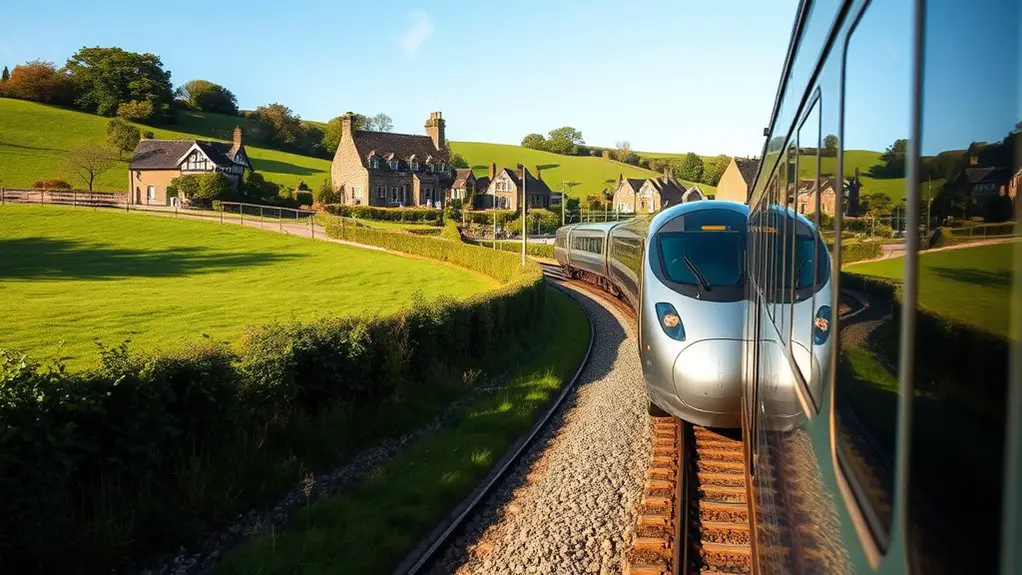
For most visitors, the fastest and simplest option is the direct train from London Paddington to Bath Spa. Great Western Railway currently lists a typical journey time of around 1 hour 20 minutes, with frequent services throughout the day. Check the exact schedule for your travel date because weekend engineering work, holidays, and service changes can affect journey times.
You can check current times and fares directly through Great Western Railway or the National Rail journey planner.
When to Book Train Tickets
Advance tickets are sold in limited numbers and can be cheaper than flexible fares. They normally tie you to a specific service, so compare the saving with the flexibility you need before purchasing.
Do not assume that buying ahead automatically guarantees you a particular seat. National Rail explains that seat-reservation arrangements vary between services. Where reservations are available, reserving a seat is sensible for busy weekends, holidays, and peak travel periods.
If you qualify for a Railcard, many types offer roughly one-third off eligible fares, although minimum fares and time restrictions can apply. A Railcard is a discount card rather than an unlimited travel pass.
A BritRail Pass works differently. It can cover multiple rail journeys, but BritRail passes are intended for eligible non-UK residents. They can make sense for overseas visitors taking several train trips around Britain, but they are usually unnecessary for someone buying only a London–Bath return journey.
Pro Tip: Book the Roman Baths first, then choose trains that give you comfortable time on either side of that reservation. A cheap rail ticket is less useful if its schedule leaves you rushing across Bath.
Train vs Coach
The train is usually the better choice for a one-day visit because it leaves much more sightseeing time. A direct National Express coach from London Victoria can be considerably cheaper on some dates, but the current fastest advertised journey is about 2 hours 50 minutes each way. Check National Express for the latest coach schedule and fares.
Driving can work, but for a short day trip you also need to account for London traffic, motorway conditions, fuel, and parking in Bath. Unless you need a car for another destination, rail is normally the simpler option.
A Realistic One-Day Bath Itinerary
You do not need to follow an exact minute-by-minute schedule, but having an order prevents unnecessary backtracking. This example assumes you arrive in Bath around 9:00 AM and leave in the early evening.
9:00–10:45 AM: Roman Baths
Walk from Bath Spa station into the historic centre and begin at the Roman Baths. Starting here works especially well because it is the city’s most time-sensitive major attraction and timed entries can sell out.
The official Roman Baths site recommends booking in advance and notes that popular dates, particularly in summer, may sell out. You can reserve tickets through the Roman Baths official website.
10:45–11:30 AM: Bath Abbey
Bath Abbey is immediately beside the Roman Baths, making it the logical next stop. Allow roughly 30–45 minutes for the church and Discovery Museum if you are not taking a tower tour.
Because Bath Abbey is an active church, sightseeing hours can change for worship, graduations, and other events. Sunday tourist hours are also more limited than on most weekdays. Check the official Bath Abbey visiting schedule before your trip.
11:30 AM–12:30 PM: Pulteney Bridge and Great Pulteney Street
Continue east toward Pulteney Bridge and the River Avon. Cross the bridge and, if time allows, walk part of Great Pulteney Street before returning toward the centre.
This part of the route gives you a different view of Bath without taking you far from the main attractions.
12:30–1:30 PM: Lunch
Stop for lunch in the central area rather than crossing the city for a specific restaurant. That keeps the afternoon flexible. Bath has cafés, pubs, bakeries, and restaurants within a short walk of the main sights.
1:30–3:00 PM: The Circus and Royal Crescent
Walk north through the Georgian streets toward The Circus and then Royal Crescent. These are two of Bath’s defining architectural ensembles and an important part of the city’s UNESCO-listed heritage.
If the weather is pleasant, spend a little time in the green space below Royal Crescent before heading back toward the centre.
3:00–5:00 PM: Choose One Extra Experience
Trying to fit every Bath attraction into a single day usually makes the visit feel rushed. Pick one extra experience that matches your interests:
- History and literature: visit a museum or follow a Jane Austen-themed walk.
- More architecture: join a guided walk or explore the Georgian streets at a slower pace.
- Families: spend time at Royal Victoria Park after the historic sights.
- Shopping: browse the streets around Milsom Street and the central shopping area.
- Thermal spa experience: reserve a session at Thermae Bath Spa and trim other stops from your itinerary.
5:00 PM Onward: Food, Final Walk, and Train to London
Use your remaining time for coffee, an early dinner, or a final walk around the centre before heading back to Bath Spa station. Leave a sensible buffer rather than planning to reach the platform at the last minute.
Note: Treat these times as a framework rather than fixed appointments. Your Roman Baths slot, Bath Abbey opening hours, train timetable, and personal walking pace should determine the final schedule.
Must-See Attractions in Bath
Roman Baths
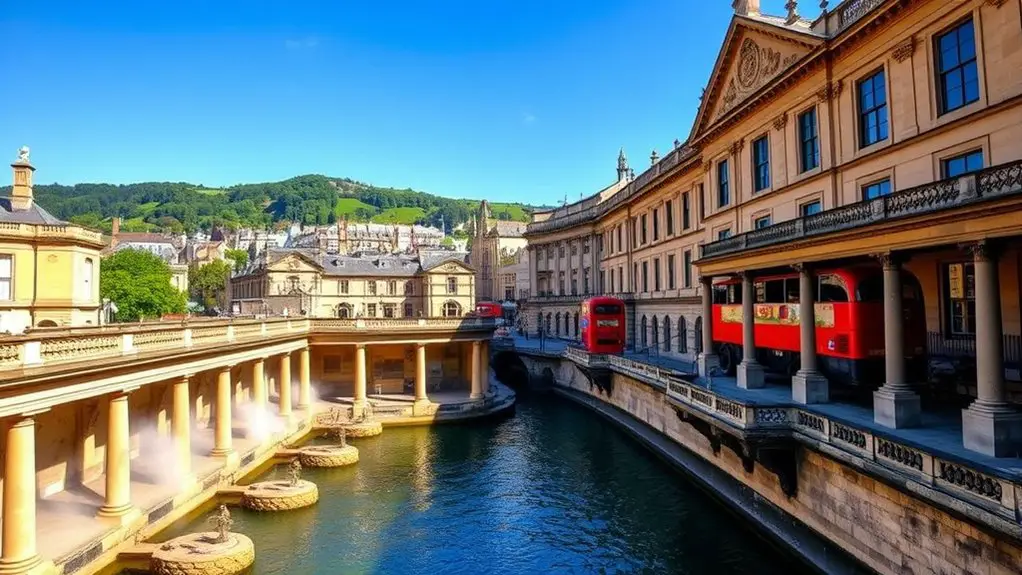
The Roman Baths preserve one of Britain’s most important Roman bathing complexes. The museum includes the Sacred Spring, temple remains, bathhouse, archaeological finds, projections, and audio interpretation that explain the Roman settlement of Aquae Sulis.
Plan enough time to move through the full museum rather than stopping only at the famous Great Bath. Audio guides are included with admission, including a children’s version.
Warning: You cannot swim or bathe in the historic Roman Baths. The untreated water is not safe for public bathing. Visitors who want a modern thermal-water experience should look at nearby Thermae Bath Spa instead.
Bath Abbey
Bath Abbey stands next to the Roman Baths and is easy to combine with the museum. Inside, you can see the fan-vaulted ceiling, stained glass, memorials, and Discovery Museum.
Tower tours are also available on selected days, but they take extra time and involve a substantial climb. For a first day trip, the standard Abbey visit is easier to fit around the rest of the city.
Bath’s UNESCO Heritage
Bath’s significance goes beyond individual buildings. UNESCO recognizes the City of Bath for its Roman remains, Georgian town planning, architecture, and relationship with its thermal springs. Bath is also one of the eleven components of the transnational Great Spa Towns of Europe World Heritage property.
Bath is best experienced as a connected historic city: Roman remains, Georgian streets, thermal-water heritage, parks, and public spaces all sit within a remarkably compact centre.
Exploring Bath’s Historic Streets and Neighborhoods

Bath is particularly rewarding on foot because many of its major sights sit within walking distance of one another. Visit Bath describes the city as compact, with the main attractions close enough to explore without a car.
Between the major landmarks, look for Bath’s distinctive honey-colored stone, Georgian terraces, historic squares, passageways, independent shops, and views toward the surrounding hills.
Royal Crescent and The Circus
The Royal Crescent and The Circus are central to Bath’s Georgian identity. Walking between them is more useful than viewing each as an isolated photo stop because you can see how the city’s planned terraces, streets, and open spaces work together.
Pulteney Bridge
Pulteney Bridge is another easy stop because it lies only a short walk from Bath Abbey. Continue across it toward Great Pulteney Street for one of the city’s grandest approaches.
Consider a Guided Walking Tour
The Mayor of Bath’s Honorary Guides offer free classic city-centre walking tours throughout the year except Christmas Day. The standard tour takes about two hours and includes major points of architectural and historic interest such as The Circus and Royal Crescent.
A two-hour tour takes a significant share of a one-day itinerary, so it works best if you prefer guided context over visiting several museums.
Optional Experiences If You Have Extra Time
Thermae Bath Spa
If bathing in Bath’s thermal water is a priority, consider Thermae Bath Spa. Its modern facilities use Bath’s natural thermal waters and include an open-air rooftop pool.
A spa session consumes a substantial part of a day trip, so it is better to treat it as a replacement for one or two sightseeing stops rather than squeezing it into an already full itinerary. The main spa currently has a minimum admission age of 16.
Royal Victoria Park
Royal Victoria Park sits below Royal Crescent and provides open lawns and family-friendly space. It is a useful break after several hours of museums and walking, particularly for visitors traveling with children.
Dining and Refreshment Spots for a Day Trip
Bath has plenty of cafés, bakeries, pubs, and restaurants within the historic centre, so you do not need to build your sightseeing route around a distant lunch stop.
For a packed one-day itinerary, a café or pub lunch of around an hour is usually a better fit than a long multi-course meal. The areas around the Abbey, Milsom Street, and the surrounding central streets provide plenty of options within walking distance of the main attractions.
If you want a slower meal, book it ahead and remove an attraction from the afternoon rather than rushing through both.
Tipping is not compulsory in Britain. Restaurants sometimes add an optional service charge; if no charge has been added and you received good table service, you may leave a tip at your discretion.
Practical Tips for a Memorable Day in Bath
Book Your Most Important Attraction First
The Roman Baths is the attraction most worth reserving in advance. Its official guidance says tickets can sell out, particularly during summer, and recommends booking at least 24 hours ahead when possible.
Once that time is fixed, organize Bath Abbey and your walking route around it.
Wear Comfortable Shoes
Even though Bath is compact, a full sightseeing day involves a lot of walking. Historic surfaces, steps, and the gradual climb toward The Circus and Royal Crescent can add up by late afternoon.
Prepare for Changeable Weather
Bring a light waterproof layer even when the forecast looks reasonable. Bath’s climate is mild by UK standards, but rain can occur throughout the year.
Long-term Met Office averages show that spring is generally among the drier parts of the year in the Bath area. May and June combine relatively mild conditions with long daylight hours, while September can still be pleasant but should not automatically be described as drier than summer.
Plan for Accessibility Needs
Bath Spa railway station has step-free access to both platforms, and the central sights are close together. However, historic streets can include uneven surfaces and slopes.
The Roman Baths reports that about 90% of the site is wheelchair accessible, with lifts serving much of the lower museum. Some steps remain if you want to see every part of the complex. Visitors who need lift access are encouraged to check the attraction’s accessibility guidance before traveling.
Visiting Bath With Children
The Roman Baths is one of the strongest family options in the historic centre. It provides children’s audio guides, activity trails, and costumed Roman characters. Families with very young children should note that the museum recommends a baby carrier rather than a pushchair because some parts of the route contain steep steps and narrow passages.
Royal Victoria Park is useful when children need time away from museums and historic buildings.
The Fashion Museum Bath is not currently open. The museum is developing a new home in the Old Post Office, with its official website stating that the new museum is expected to open in 2030.
What to Skip If You Are Running Late
If your train is delayed or you simply prefer a slower pace, prioritize:
- Roman Baths
- Bath Abbey and the surrounding historic centre
- Pulteney Bridge
- The Circus and Royal Crescent
Optional museums, long meals, extended shopping, guided walks, and spa sessions can be saved for another visit.
Pro Tip: Before leaving London, check both your outbound and return trains for disruptions. Keeping your return journey in mind prevents an otherwise relaxing afternoon from turning into a rushed trip back to Bath Spa station.
Frequently Asked Questions
What is the best time of year to visit Bath from London?
Bath can be visited year-round. Late spring is particularly appealing because temperatures are milder, daylight is long, and long-term climate averages show spring is relatively dry. Summer provides the longest days but also attracts more visitors. Early autumn can still be pleasant, although rain is possible at any time of year.
Are there guided tours available for Bath’s major attractions?
Yes. Bath has private and group tours, attraction-specific tours, sightseeing buses, and walking tours. The Mayor of Bath’s Honorary Guides run free city-centre walks that take about two hours and cover major historic and architectural sights. The Roman Baths also offers guided-tour options in addition to general admission.
How early should I leave London for a Bath day trip?
Choose a train that gets you to Bath close to the start of your sightseeing day, ideally around the opening time of your first booked attraction. For many visitors that means leaving London Paddington between roughly 7:00 and 8:00 AM, but always use the actual timetable for your travel date rather than relying on a fixed departure time.
Can I visit Bath as a day trip using public transport?
Yes. Direct trains from London Paddington make Bath one of the easier long-distance day trips from London. Bath Spa station is in the city centre, and most major attractions are within walking distance. Direct coaches from London Victoria are another option, although they take considerably longer than the train.
How long is the train from London to Bath?
Great Western Railway currently lists London Paddington to Bath Spa journeys at around 1 hour 20 minutes, with its fastest services taking about 1 hour 19 minutes. Journey times can be longer at weekends, on public holidays, or during engineering work.
Do I need to book the Roman Baths in advance?
Advance booking is strongly recommended. The Roman Baths says popular time slots can sell out, particularly during summer, and recommends booking at least 24 hours ahead to secure the time you want. Your timed entry is a useful anchor for the rest of your day-trip itinerary.
Can you swim in the Roman Baths?
No. The historic Roman Baths is an archaeological site and museum, and its water is not safe for public swimming. For a modern bathing experience using treated natural thermal water, Thermae Bath Spa is nearby.
Are there family-friendly activities in Bath for children?
Yes. The Roman Baths provides children’s audio guides, activity trails, and costumed characters, while Royal Victoria Park gives families open space for a break. The Fashion Museum should not currently be included in a family itinerary because it is temporarily closed and its new Bath location is expected to open in 2030.
Sources
- Great Western Railway — London to Bath — current London Paddington to Bath Spa journey times, frequency, and ticket guidance.
- National Rail — Seat Reservations — seat-reservation rules and the distinction between tickets and reservable seats.
- Roman Baths — Plan Your Visit — opening information, visitor facilities, children’s activities, audio guides, and booking guidance.
- Bath Abbey — Visiting Information — admission, visitor hours, closures, and tower-tour information.
- Visit Bath — Travelling Around Bath — official guidance on Bath’s compact, walkable city centre and public transport.
- Fashion Museum Bath — current museum closure and planned 2030 reopening.
Conclusion
A day trip from London to Bath is realistic without a car when you plan around the train and your Roman Baths reservation. Take an early direct service from Paddington, prioritize the Roman Baths and Bath Abbey, then walk through Pulteney Bridge, The Circus, and Royal Crescent before choosing one optional afternoon activity.
The biggest mistake is trying to see everything. Leave enough time to walk, eat, and enjoy Bath’s streets rather than treating every landmark as a checkpoint. With a sensible schedule and a little advance booking, you can experience the city’s Roman history, Georgian architecture, and thermal-spa heritage and still be back in London the same evening.
