
Last Updated on July 27, 2026 by Daniel Globe
Planning 72 hours in London is much easier when you group sights by area instead of racing back and forth across the city. This three-day London itinerary combines famous landmarks, lively neighborhoods, gardens, markets, and a few quieter discoveries while leaving enough flexibility for timed tickets, weather changes, and the attractions that matter most to you.
Quick Answer
For a first 72-hour London trip, spend Day 1 on historic landmarks, Day 2 on Camden plus one neighborhood cluster, and Day 3 on gardens and hidden gems. Use contactless or Oyster pay as you go, pre-book major attractions, and treat Sunday-only markets as flexible itinerary swaps.
Key Takeaways
- Book major paid attractions, especially the Tower of London and Westminster Abbey, before your trip when possible.
- Do not try to visit Camden, Soho, Shoreditch, and Notting Hill as one continuous route; choose a west or east London neighborhood cluster.
- Columbia Road Flower Market is a Sunday attraction, so use it as an East London swap rather than a fixed Day 3 stop.
- Contactless and Oyster both support convenient pay-as-you-go travel on TfL services; use the same card or device when touching in and out.
- Keep a free museum or gallery in reserve for rain, fatigue, or a change of plans.
At a Glance
| Time Required | 3 substantially full sightseeing days |
| Difficulty | Moderate; expect considerable walking, stairs, public transport, and crowds |
| Tools Needed | Comfortable shoes, smartphone/map, contactless payment or Oyster card, and pre-booked tickets where needed |
| Cost | Variable; the Tower of London and Westminster Abbey are paid attractions, while many museums, parks, streets, and markets are free to explore |
Note: This itinerary works best when your 72 hours include three mostly full days. If your arrival or departure cuts deeply into a sightseeing day, remove one paid interior attraction rather than rushing through everything.
Disclosure: As an Amazon Associate I earn from qualifying purchases. Some links on this page are affiliate links, at no extra cost to you.
Before You Start: Bookings, Transport, and Pacing
London rewards advance planning, but you do not need to schedule every minute. Reserve the attractions that use timed entry, then leave your parks, neighborhoods, markets, and free museums flexible.
The Tower of London is the biggest time commitment on Day 1. Historic Royal Palaces recommends allowing substantial time to explore it, and popular entry slots can fill up. Westminster Abbey also uses scheduled visitor entry, so check the official Westminster Abbey opening and ticket information before choosing your day.
Give the Tower of London room to breathe in your schedule. Trying to combine a full Tower visit, Westminster Abbey, Changing the Guard, and several more interiors in one day turns a balanced itinerary into a race.
For transport, Transport for London recommends pay as you go with contactless or Oyster as an easy option for visitors. On rail services, touch in and out with the same card or device. On buses, you normally touch in only.
Pro Tip: Walk within each neighborhood cluster, then use the Tube, Elizabeth line, Overground, or bus for the longer jump to the next area. This usually saves more time than trying to walk across central London simply because two attractions look close on a map.
Day 1: Iconic Landmarks and Historic Sights
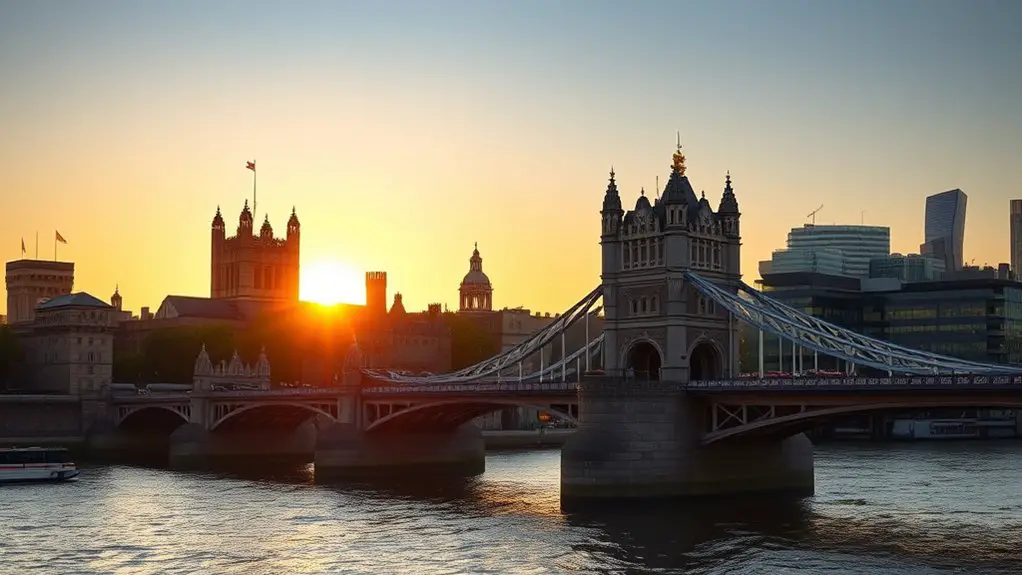
Begin your London adventure with its most recognizable historic sights. For the smoothest route, start in the City of London at the Tower of London, then work west toward Westminster and Buckingham Palace.
Morning: Tower of London and Tower Bridge
Start at the Tower of London, where your admission includes the famous Crown Jewels along with the open historic areas of the fortress. An early timed entry gives you the best chance of fitting the rest of Day 1 comfortably.
After the Tower, walk across Tower Bridge for views along the Thames and the surrounding skyline. Crossing the bridge on foot is different from buying admission to the Tower Bridge attraction, which includes its high-level walkways, glass floors, towers, and Engine Rooms. Unless the bridge interior is one of your priorities, save that extra visit for a longer London stay.
Afternoon: Westminster, Big Ben, and the Abbey
Take public transport west to Westminster. Here you can see the Houses of Parliament and Elizabeth Tower, which houses the Great Bell commonly known as Big Ben.
Next, visit Westminster Abbey, the historic coronation church. If you already spent several hours inside the Tower of London, decide whether you want a full Abbey visit or simply an exterior stop. Doing both interiors is possible with an early start, but it creates a much faster-paced day.
Late Afternoon: St. James’s Park and Buckingham Palace
Walk through St. James’s Park toward Buckingham Palace. This section is best enjoyed without a strict timetable: slow down, take in the park, and view the Palace and Victoria Memorial before continuing toward Trafalgar Square.
Note: Changing the Guard does not take place continuously or necessarily every day. The ceremony is generally a morning event, and schedules can change or be cancelled at short notice. If seeing it is essential, check the official Household Division schedule and start Day 1 near Buckingham Palace instead.
Evening: Trafalgar Square and the West End
Finish your sightseeing at Trafalgar Square, home to Nelson’s Column and the National Gallery. If you still have energy, general admission to the National Gallery is free, although some exhibitions require tickets.
From here, Covent Garden, Chinatown, and Soho are all convenient evening areas for dinner, a pub, theater, or a relaxed walk before heading back to your accommodation.
Day 2: Cultural Experiences and Neighborhoods
After a landmark-heavy first day, use Day 2 to experience London at street level. The original temptation is to visit Camden, Soho, Shoreditch, and Notting Hill in one sweep, but these areas are spread across different sides of the city. You will have a better day by choosing a route rather than collecting neighborhood names.
Morning: Camden and Regent’s Canal
Start in Camden, where markets, street food, shops, music culture, and canal-side scenery create a very different atmosphere from Westminster. Browse at your own pace rather than trying to see every stall.
If the weather is good, add part of the Regent’s Canal Walk. Even a short canal stretch gives you a quieter contrast to Camden’s busy streets before you move on.
Option A: Soho and Notting Hill
Choose this route if you prefer the West End, colorful residential streets, cafés, shopping, and an easy evening around central London.
Head first to Soho, where theaters, pubs, music history, Chinatown, restaurants, and compact streets make it easy to explore on foot. After lunch, continue west to Notting Hill for its colorful houses, independent shops, cafés, and neighborhood atmosphere.
Notting Hill works best when you have time to wander rather than treating it as a quick photo stop. Finish the day here or return to Soho and the West End for dinner or a show.
Option B: Shoreditch and Brick Lane
Choose the East London route if street art, independent shops, creative spaces, and a livelier evening scene sound more appealing.
From Camden, travel east to Shoreditch. Explore its street murals, galleries, shops, cafés, and surrounding side streets, then continue toward Brick Lane. This combination keeps the afternoon geographically compact and leaves plenty of places for dinner nearby.
Pro Tip: Do not force both Notting Hill and Shoreditch into the same afternoon. They sit on opposite sides of central London, and the extra travel adds little to a short 72-hour trip.
Day 3: Gardens, Markets, and Hidden Gems

Use your final day for the smaller places that make London feel less like a checklist. The most efficient everyday route starts in West London and moves toward the center, while Sunday visitors have a strong alternative in the East End.
Recommended Route: Holland Park to Covent Garden
Begin with a peaceful stroll through the Kyoto Garden in Holland Park. From there, art and architecture fans can visit Leighton House Museum nearby. Check the museum’s opening day before going; Leighton House is normally closed on Tuesdays.
Continue toward Kensington Gardens for more green space, then use public transport to reach Covent Garden. Finish with Neal’s Yard, a small, colorful courtyard tucked behind the busier surrounding streets.
Sunday Alternative: Columbia Road, Brick Lane, and the City
If Day 3 falls on a Sunday, consider replacing the west-London morning with Columbia Road Flower Market. According to the official Columbia Road site, the flower market operates on Sundays from roughly 8 a.m. until mid-afternoon.
After the market, walk toward Brick Lane and Shoreditch for street art, food, and shops. From there, continue southwest toward the City of London and Postman’s Park, a small green space known for the Memorial to Heroic Self-Sacrifice.
Note: Columbia Road’s flower market is a Sunday event. Some shops on the street may open at other times, but do not build a weekday itinerary around the flower market itself.
Use this table to decide where each original Day 3 idea fits best:
| Garden, Market, or Hidden Gem | Best Fit |
|---|---|
| Kyoto Garden | Day 3 west-to-central route |
| Leighton House Museum | Day 3 west-to-central route; check opening day |
| Kensington Gardens | Day 3 west-to-central route |
| Neal’s Yard, Covent Garden | Day 3 central-London finish |
| Columbia Road Flower Market | Sunday East London alternative |
| Postman’s Park | East London/City route |
| Brick Lane Street Art | Day 2 East London route or Sunday Day 3 alternative |
| Regent’s Canal Walk | Best combined with Camden on Day 2 |
This approach keeps the serenity, markets, street art, and hidden corners from the original plan without sending you back and forth across London all day.
What to Eat During 72 Hours in London
A short London trip is a good excuse to mix traditional British food with the city’s international dining scene. You do not need a rigid restaurant schedule; instead, match meals to the area you are already exploring.
- Breakfast: Try a full English breakfast once, or keep things lighter with coffee and a pastry on an early sightseeing day.
- Lunch: Markets and casual cafés work well when you do not want a long meal to interrupt sightseeing.
- Classic dishes: Fish and chips, savory pies, and a Sunday roast are easy traditional options.
- Afternoon break: Tea and scones with jam and clotted cream can be a useful rest between long walks.
- Dinner: Soho, Chinatown, Shoreditch, Brick Lane, Camden, and the West End all offer far more than traditional British food, reflecting London’s international food culture.
Budget and Booking Priorities
You can make this itinerary relatively affordable by choosing only one or two major paid interiors each day. The Tower of London and Westminster Abbey are paid attractions, while parks, neighborhood walks, Trafalgar Square, and many major museum collections can be explored without a general-admission charge.
For a first visit, prioritize spending on attractions where the interior is a major part of the experience. Use free museums and outdoor sights to give yourself flexibility when weather, energy, or your budget changes.
The British Museum, National Gallery, and Tate Modern are among the best-known free general-admission cultural options, although temporary exhibitions and special events may have separate charges.
Practical Tips for a 3-Day London Trip
- Wear comfortable shoes: Even with frequent Tube trips, this itinerary involves a lot of walking.
- Check opening times the evening before: Religious services, ceremonies, conservation work, private events, and seasonal schedules can affect attractions.
- Carry minimal luggage: Major attractions and museums often use bag checks, and large bags can slow you down.
- Keep valuables secure: Busy trains, stations, markets, and tourist areas are sensible places to be extra careful with phones and wallets.
- Plan for rain: London weather can change quickly, so keep a museum, gallery, café, or covered market available as a backup.
- Check accessibility before booking: Historic sites can include cobbles, narrow passages, and stairs. Review each attraction and your transport route if step-free access is important.
Warning: Crowded tourist areas and public transport can attract pickpockets. Keep your phone, wallet, passport, and bags secure, especially when boarding trains, watching street activity, or standing in dense crowds.
Frequently Asked Questions
What Is the Best Time of Year to Visit London?
There is no single best month for everyone. Spring and early autumn often suit travelers who want comfortable walking weather, while summer brings long daylight hours and a busy events calendar. Winter can be atmospheric but has shorter days. School holidays, Christmas, major events, and weekends can increase crowds in any season.
How Do I Get Around London Efficiently?
Use a mix of walking and public transport. Contactless payment and Oyster both support pay-as-you-go travel on TfL services. Walk within compact sightseeing areas, use the Tube or other rail services for longer jumps, and always use the same payment card or device when touching in and out.
Are There Any Free Attractions Worth Visiting?
Yes. General admission to major collections including the British Museum, National Gallery, and Tate Modern is free, although some temporary exhibitions charge. Hyde Park, Kensington Gardens, St. James’s Park, the South Bank, Trafalgar Square, and many neighborhood walks are also free.
What Local Foods Should I Try in London?
Try fish and chips, a full English breakfast, savory pies, a Sunday roast if your trip includes Sunday, and scones with jam and clotted cream. London is also a highly international food city, so leave room for its Indian, Chinese, Middle Eastern, Caribbean, African, and other global cuisines.
How Can I Find Accommodation Within My Budget?
Compare hotels, hostels, guesthouses, and licensed short-stay options for your exact dates rather than relying on a typical nightly price. Staying near a useful Tube or rail station can be more valuable than paying extra to be beside one famous attraction. Compare the total price, cancellation terms, and transport time before booking.
What Should I Book in Advance for Three Days in London?
Book your highest-priority paid attractions first. The Tower of London and Westminster Abbey are good examples because visiting hours and timed-entry availability affect the rest of your day. Also pre-book popular theater performances and any restaurant you consider essential.
Is Columbia Road Flower Market Open Every Day?
No. The flower market operates on Sundays, normally from the morning until mid-afternoon. Some independent shops on Columbia Road may open during the week, but schedule the actual flower market only when one of your three London days falls on a Sunday.
Conclusion
Three days is enough to experience several sides of London when you plan by area instead of trying to cover everything. Spend your first day on historic landmarks, use the second for Camden and a focused neighborhood route, and make the third more flexible with gardens, hidden gems, or a Sunday East London market circuit. Pre-book the attractions that matter most, leave space for spontaneous stops, and accept that a good London itinerary is about choosing well rather than seeing everything.
Sources
- Historic Royal Palaces — Tower of London Tickets and Visitor Information — Crown Jewels access, timed entry, visit planning, and attraction information.
- Westminster Abbey — Prices and Entry Times — current visitor hours, admission, and timed-entry information.
- Household Division — Changing the Guard Schedule — official Buckingham Palace ceremonial schedule and changes.
- Transport for London — Best Ways for Visitors to Pay — Oyster, contactless, pay-as-you-go travel, and fare capping.
- Columbia Road Flower Market — official Sunday market schedule and visitor information.
- British Museum — Plan Your Visit — free general admission, booking, opening hours, and security information.
