
Last Updated on July 27, 2026 by Daniel Globe
Six days in London gives you enough time to see the major landmarks without turning every day into a race across the city. The easiest approach is to group attractions by neighborhood, reserve the busiest paid sights in advance, and leave some flexibility for weather, exhibitions, and spontaneous stops. This 6-day London itinerary combines historic London, royal Westminster, major museums, local neighborhoods, an outer-London escape or day trip, and a final day focused on the modern city.
Quick Answer
For six days in London, group sights by area: spend one day in the City, one on museums and the West End, one in Westminster, one in South Kensington and a neighborhood, one at Kew or St Albans, and one exploring modern London. Prebook major paid sights and use contactless or Oyster for transport.
Key Takeaways
- Group attractions by neighborhood to avoid wasting time crossing London repeatedly.
- Book high-demand attractions, West End shows, and popular exhibitions before your trip whenever possible.
- Use one contactless card or device throughout the day, or use Oyster, so Transport for London can apply the correct fare caps.
- Treat museum and neighborhood choices as alternatives rather than trying to see everything listed in one day.
- Check official opening hours and ceremonial schedules shortly before each visit because they can change.
At a Glance
| Time Required | 6 full days |
| Difficulty | Moderate; expect substantial walking and frequent public-transport use |
| Tools Needed | Contactless card/device or Oyster card, comfortable walking shoes, phone, and advance reservations where required |
| Cost | Flexible: several national museums have free general admission, while landmarks, theatre, Kew Gardens, special exhibitions, food, and transport add to the budget |
Disclosure: As an Amazon Associate I earn from qualifying purchases. Some links on this page are affiliate links, at no extra cost to you.
How to Use This 6-Day London Itinerary
London rewards advance planning, but you do not need to schedule every hour. Reserve the attractions you would be disappointed to miss, then keep meals, parks, markets, and neighborhood walks more flexible.
The Transport for London visitor guide recommends pay-as-you-go travel with contactless, Oyster, or Visitor Oyster. Contactless and Oyster include fare capping. When using a contactless card, phone, or watch, use the same card or device for every relevant touch so your journeys are calculated correctly.
Pro Tip: Reserve your Tower of London visit, Westminster Abbey entry, West End show, and any must-see temporary exhibitions first. Build the rest of each day around those fixed times instead of crisscrossing London for individual attractions.
The easiest way to make six days in London feel relaxed is to plan by neighborhood, not by a long checklist of famous sights.
Day 1: Exploring the Historic Heart of London
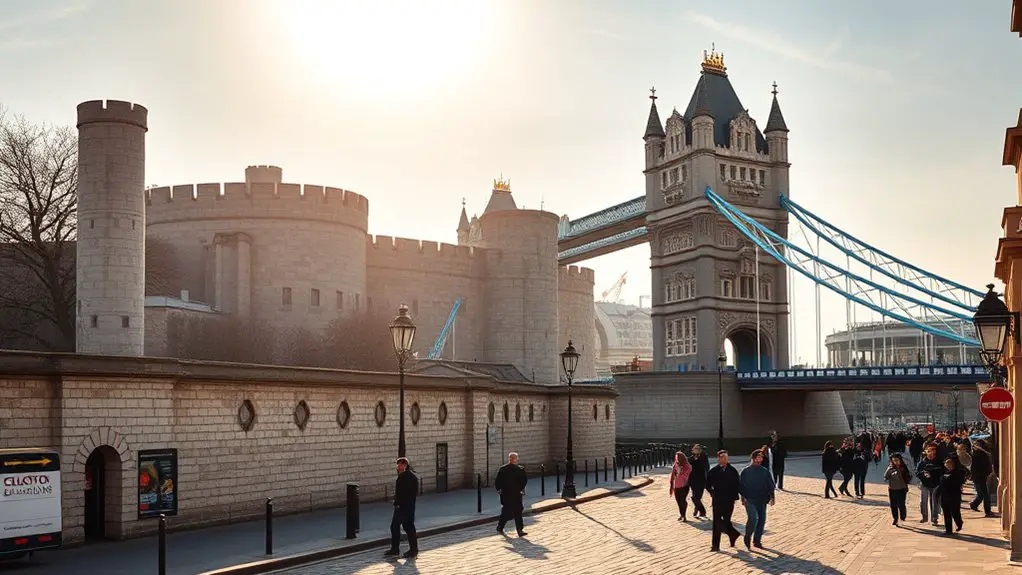
Begin in the historic City of London, where you can cover several major landmarks mostly on foot.
Start at the Tower of London. The official visitor information recommends allowing at least three hours if you want time for the Crown Jewels, White Tower, battlements, and other included areas. An early entry is useful because this is one of London’s busiest paid attractions.
Afterward, walk across Tower Bridge and continue along the south side of the Thames toward Borough Market. The route gives you river views while moving naturally toward lunch rather than sending you back and forth across central London.
Use Borough Market as a flexible lunch stop. Then walk toward the Millennium Bridge and cross to St Paul’s Cathedral. Sightseeing hours can change for services and special events, so check the cathedral calendar before your visit.
If you still have energy, add the Monument to the Great Fire of London earlier in the day or spend the late afternoon exploring the lanes around the City. It is better to treat the Monument as an optional stop than to rush through the Tower or St Paul’s.
Note: The Tower of London appears only on Day 1 in this itinerary. Repeating it later would consume several hours that are better spent exploring Westminster or another part of London.
Day 2: Art, Culture, and the West End
Use Day 2 for London’s museums, the Thames, and an evening in the West End.
Begin at the British Museum. Entry to the permanent collection is free, although advance booking is recommended for easier entry at busy times. Rather than trying to cover every gallery, choose a few collections that interest you and allow roughly two to three hours.
Next, head south to Tate Modern. Its permanent collection gives you a very different experience from the British Museum, and its Bankside location makes it easy to combine art with a riverside walk.
Spend the late afternoon on the South Bank. Depending on your pace, you can browse book stalls, watch street performers, stop for coffee, or simply enjoy the Thames before heading toward the West End.
Book your theatre performance in advance if a specific production matters to you. Most evening shows leave enough time for an early dinner around Soho, Covent Garden, Chinatown, or the theatre district.
This is deliberately a flexible day. Two major museums plus a show is already substantial, so skip extra galleries if you prefer more time along the river or over dinner.
Day 3: Royalty and Iconic Landmarks
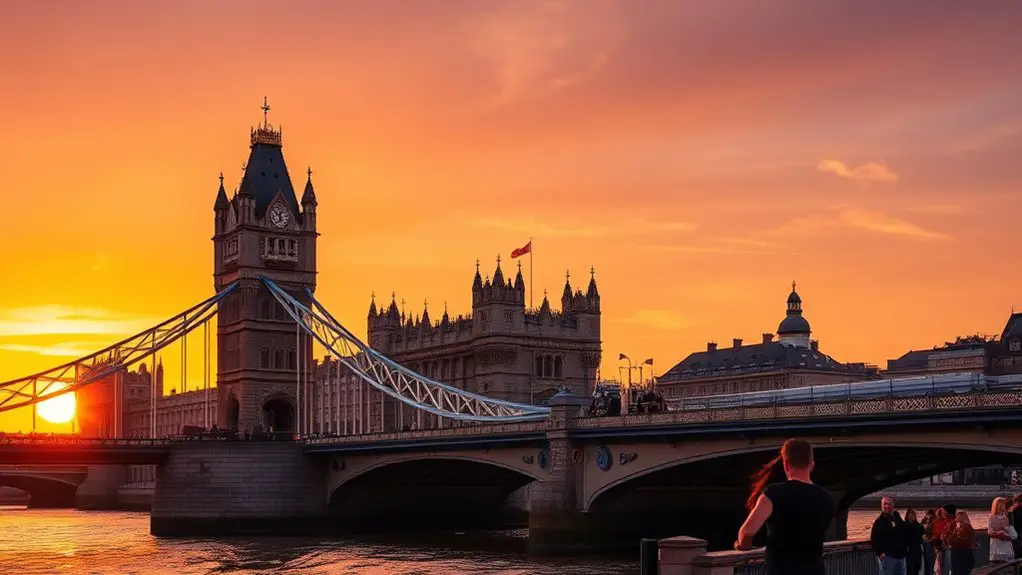
Day 3 concentrates on Westminster and London’s royal and political landmarks, avoiding the unnecessary return to the Tower of London found in the original route.
Start near Buckingham Palace. Changing of the Guard is not held every day, so check the Household Division’s current ceremony schedule before arranging your morning around it. Arrive early if seeing the ceremony is a priority.
Continue through St James’s Park toward Westminster Abbey. The Abbey has more than a thousand years of history and has served as the coronation church since 1066. Visitor hours vary by date and church activity, so advance planning is worthwhile.
After the Abbey, walk through Parliament Square to see the Houses of Parliament and Elizabeth Tower, the clock tower that houses the bell known as Big Ben.
From there, continue along Whitehall toward Trafalgar Square. Depending on your interests, you can add the Churchill War Rooms, the National Gallery, or a slower walk through St James’s and Mayfair rather than returning across London to attractions already visited on Day 1.
Keeping this day centered on Westminster makes the route easier, reduces transport time, and gives London’s royal and political history enough space to feel meaningful rather than rushed.
Day 4: Museums, Parks, and Local Neighborhoods
Spend Day 4 around South Kensington, the parks, and one neighborhood. The main mistake to avoid is trying to fit every museum and both Notting Hill and Camden into the same day.
Choose either the Natural History Museum or the Science Museum for your main morning visit. Both offer free general admission, although booking arrangements differ and some special exhibitions or experiences cost extra.
After the museum, walk into Kensington Gardens and Hyde Park. This gives you a useful break from indoor sightseeing and keeps the middle of the day relaxed.
For the afternoon, Notting Hill is the most convenient neighborhood pairing with South Kensington. Explore its residential streets, independent shops, cafes, and Portobello Road area. Camden is a good alternative if its markets and music culture interest you more, but reaching it requires a separate trip north.
Choose one neighborhood and spend time there instead of racing between both. Six days gives you room to experience London at street level rather than treating every district as another box to check.
Day 5: Day Trip Adventures and Hidden Corners
Use Day 5 for a change of pace. Hampstead Heath and Kew Gardens are both within London, while St Albans is a genuine trip beyond the capital. Pick one rather than trying to combine them.
| Destination | Highlights | Best For | Planning Tip |
|---|---|---|---|
| Hampstead Heath | Woodland, open heath, hilltop views | A low-cost London nature break | Allow a half or full day and wear shoes suitable for uneven paths |
| Kew Gardens | Botanical collections, glasshouses, landscaped gardens | Gardens, plants, photography | Check seasonal hours and book online through Kew Gardens |
| St Albans | Cathedral, Roman history, historic center | A true day trip outside London | Travel by train and check return times before setting out |
Hampstead is the easiest choice if you want a slower day without leaving London. Kew works well when gardens are a priority, while St Albans gives you the strongest sense of having left the capital for somewhere historically distinct.
Warning: Do not plan a fixed outdoor day without checking the weather and transport status first. Keep a museum or indoor attraction in reserve if heavy rain or major service disruption affects your chosen excursion.
Day 6: Modern London and Unique Experiences
Finish with contemporary London rather than repeating historic landmarks. Modern London is spread across several districts, so choose a small number of experiences that fit together geographically.
You can focus on contemporary art, modern architecture, immersive digital installations, or London’s evolving food scene. The goal is not to visit every place below but to create a final day that feels different from the first five.
Older London guides sometimes recommend venues that no longer exist. Dinerama closed permanently in 2020, House of Vans London closed in 2022, and Market Halls does not currently operate a Vauxhall branch, so this itinerary uses current alternatives.
Contemporary Art Venues
For contemporary art, consider the Hayward Gallery at the Southbank Centre, which stages major contemporary exhibitions, or Whitechapel Gallery in East London.
If design interests you as much as fine art, the Design Museum in Kensington explores modern and contemporary design through permanent displays and changing exhibitions. Its permanent collection display is free, while major temporary exhibitions may require tickets.
Saatchi Gallery in Chelsea is another option for contemporary exhibitions. Because these institutions are in different parts of London, choose one main gallery rather than spending most of the day on transport.
Innovative Dining Spots
London’s distinctive dining experiences range from interactive tables to serious tasting menus and panoramic restaurants. Choose based on budget and atmosphere rather than assuming every innovative restaurant offers the same type of experience.
| Venue | Style | What Makes It Different |
|---|---|---|
| Inamo | Asian-inspired dining | Touch-sensitive interactive tables with ordering and games |
| The Clove Club | Modern British fine dining | Seasonal tasting menus centered on produce from the British Isles |
| Market Halls | Multi-vendor food hall | Multiple kitchens in current locations including Victoria, Canary Wharf, Oxford Street, and Paddington |
| SUSHISAMBA Heron Tower | Japanese, Brazilian, and Peruvian | 38th- and 39th-floor dining with wide views over the City |
Reservations are especially important for high-end restaurants. Market Halls and other food halls are more useful when your group wants several cuisines and a less formal schedule.
Hidden Modern Gems
For modern architecture and adaptive reuse, explore Coal Drops Yard and Granary Square at King’s Cross. Victorian industrial buildings have been transformed into a contemporary shopping, dining, and public-space district, making the area a good contrast to London’s royal and medieval landmarks.
For a digital experience, stop at Outernet London beside Tottenham Court Road. Its giant screens host a changing program of immersive visual content, and the main screen experiences are generally free to view.
Another option is Canary Wharf, where modern towers, waterside spaces, public art, restaurants, and the current Market Halls location make it easy to spend several hours without returning to the usual historic sightseeing circuit.
These current alternatives provide the creative energy the original Day 6 was trying to capture without sending visitors to permanently closed or unverified attractions.
Frequently Asked Questions
What Are the Best Local Eateries Near Each Major Attraction?
Match meals to the neighborhood instead of crossing London for one restaurant. Borough Market works naturally with the Tower Bridge and Bankside area; Soho, Chinatown, and Covent Garden suit a West End evening; South Kensington has plenty of cafes around the museums; and Westminster has options around Victoria and St James’s. Book destination restaurants separately if dining is one of your trip priorities.
How Can I Easily Navigate Public Transportation in London?
Use contactless pay as you go or an Oyster card and check routes with TfL’s journey tools or TfL Go. Contactless and Oyster fares are capped under applicable rules. Always touch in and out where required using the same payment card or device; buses and trams normally require only a touch in.
Are There Any Free Guided Tours Available During the Trip?
Yes, but check what “free” means before booking. Some institutions occasionally run genuinely free walks or tours, while many commercial “free walking tours” operate on a tip-based model and expect a gratuity at the end. Free self-guided routes are another option when you prefer to explore at your own pace.
What Safety Tips Should I Consider While Exploring London?
Keep phones, cameras, bags, and wallets secure, especially in crowded transport stations and sightseeing areas. The Metropolitan Police visitor guidance specifically warns travelers to watch for pickpockets and keep valuables close. Call 999 or 112 in an emergency and 101 for non-emergency police matters within the UK.
How Do I Avoid the Busiest Times at Popular Sites?
Book the first practical entry slot for attractions where crowds matter most, especially the Tower of London and major temporary exhibitions. Weekdays can be calmer than weekends, although school holidays remain busy. Prebooking also reduces the risk of arriving after a popular time slot has sold out.
Do I Need to Book Everything in London Before I Arrive?
No. Reserve the attractions, theatre performances, exhibitions, and restaurants you consider essential, but leave parks, markets, neighborhood walks, and casual meals flexible. A mixture of fixed reservations and open time makes the itinerary much easier to adapt to weather, fatigue, and transport disruptions.
Conclusion
A strong 6-day London itinerary is less about seeing the largest possible number of attractions and more about arranging them intelligently. Spend your first days on the historic City, museums, the West End, Westminster, and South Kensington; use Day 5 for Kew, Hampstead, or St Albans; then finish with London’s contemporary art, architecture, food, and digital culture. Book the experiences that matter most, keep some flexible time each day, and you can cover London’s highlights without making the trip feel rushed.
Sources
- Transport for London — Best Ways for Visitors to Pay — contactless, Oyster, pay-as-you-go travel, and fare capping.
- Historic Royal Palaces — Tower of London — current visitor information, included attractions, and planning guidance.
- The Household Division — Changing the Guard — official ceremony information and current schedule.
- Westminster Abbey — Prices and Entry Times — visitor opening times, booking, and admission information.
- British Museum — Visit — free permanent-collection admission, reservations, and visitor guidance.
- Royal Botanic Gardens, Kew — Visit Kew Gardens — tickets, opening information, and planning details.
