
Last Updated on July 27, 2026 by Daniel Globe
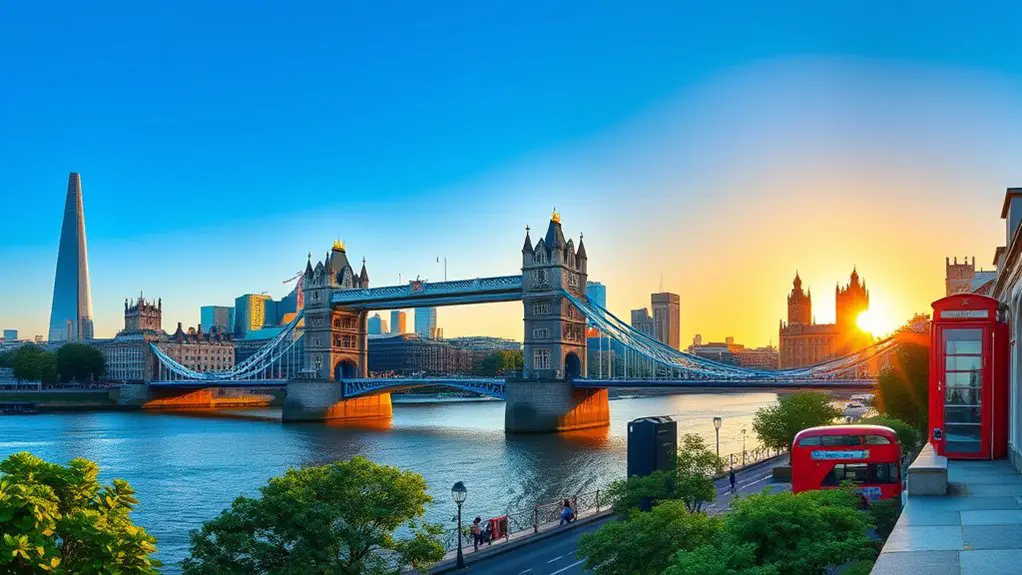
Planning three days in London is much easier when you group attractions by area instead of racing back and forth across the city. This itinerary combines royal landmarks, historic sights, art, lively neighborhoods, museums, and green space while leaving enough flexibility for meals, queues, and unexpected discoveries.
Quick Answer
Spend Day 1 exploring Westminster and the Tower, Day 2 along the South Bank and West End, and Day 3 around South Kensington and Hyde Park. Grouping sights by area keeps travel manageable. Prebook major paid attractions, check opening times for your exact dates, and use contactless or Oyster for public transport.
Key Takeaways
- Group nearby attractions together so you spend more time sightseeing and less time crossing London.
- Reserve several hours for the Tower of London and check Westminster Abbey’s date-specific visitor hours before building your day around it.
- Use Day 2 for modern London: Tate Modern, the South Bank, shopping streets, Soho, and an optional West End evening.
- Make Day 3 different from the historic first day by combining a South Kensington museum with Hyde Park or choosing Regent’s Park and London Zoo instead.
At a Glance
| Time Required | 3 full days, ideally with about 8–10 hours available for sightseeing each day |
| Difficulty | Moderate; expect substantial walking mixed with Tube, bus, or rail journeys |
| Tools Needed | Contactless card/device or Oyster, comfortable shoes, phone with TfL journey planning, and advance attraction bookings where needed |
| Cost | Flexible: parks and several major museums have free general admission, while historic attractions, exhibitions, boat hire, and London Zoo are paid |
Disclosure: As an Amazon Associate I earn from qualifying purchases. Some links on this page are affiliate links, at no extra cost to you.
Before You Go: Tickets, Transport, and Pace
London rewards a little preparation. The Tower of London recommends allowing around two to three hours for a full visit, so it should be treated as a major stop rather than a quick photo opportunity. Timed entry or advance booking is also sensible for other popular paid attractions.
Check Westminster Abbey’s date-specific visitor hours before finalizing Day 1. The Abbey is a working church, and sightseeing access changes around services, Sundays, special events, and ceremonies.
For transport, most first-time visitors can move around central London with a contactless bank card or mobile wallet, or with Oyster. Transport for London applies pay-as-you-go fare caps when eligible journeys are made correctly. Always use the same card or the same mobile device throughout the day; a physical card and its digital-wallet version are treated separately.
Pro Tip: Choose a central base near a Tube station. Westminster, South Bank, Covent Garden, Bloomsbury, and the City all work well for this itinerary. A slightly more expensive central hotel can sometimes save meaningful travel time during a short stay.
This plan involves plenty of walking. Travelers with limited mobility should check each attraction’s accessibility page and build in extra transfer time. You can also remove one paid attraction without losing the overall feel of the itinerary.
Day 1: Exploring Historic Landmarks and Cultural Gems
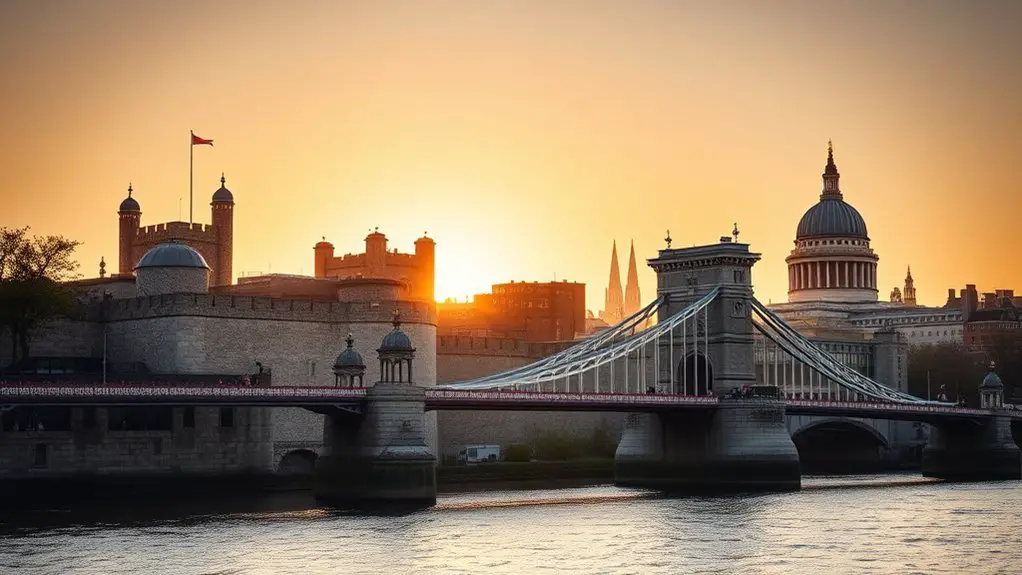
Use your first day for London’s royal and political history, but arrange the stops so you only need to make one major cross-city move.
Morning: Westminster Abbey, Parliament Square, and Buckingham Palace
Begin at Westminster Abbey near its visitor opening time. The church seen today was begun in the 13th century, and Westminster has served as Britain’s coronation church since 1066. Give yourself enough time to appreciate the nave, memorials, royal tombs, and historic setting rather than rushing through.
After the Abbey, step into Parliament Square for views of the Palace of Westminster and Elizabeth Tower. The name Big Ben originally refers to the Great Bell inside the tower, although the nickname is commonly used for the whole clock tower.
From Westminster, walk through St James’s Park toward Buckingham Palace. It is a pleasant way to connect the political and royal parts of central London.
Note: Changing the Guard does not take place as a standard daily attraction. Check the Household Division’s official calendar for your exact date. If seeing the full ceremony is a priority, rearrange the morning and arrive at the palace area well before the scheduled start.
Afternoon: Tower of London and Tower Bridge
After lunch, travel east to the Tower of London. Inside this historic fortress you can see the Crown Jewels, explore the White Tower, learn about former prisoners and royal residents, and join a Yeoman Warder tour when available.
Do not squeeze the Tower into a short gap. Allow roughly two to three hours, and check the day’s last-entry time before choosing your booking slot.
Finish at Tower Bridge. Walking across the bridge itself gives you river views without an attraction ticket. Visitors who want to see the high-level walkways, glass floors, and Victorian Engine Rooms can book the Tower Bridge attraction separately.
For dinner, the Tower Bridge, London Bridge, and Borough Market areas give you plenty of choices without forcing another long trip across the city.
Warning: Do not assume every landmark keeps the same hours every day. Religious services, ceremonies, conservation work, security measures, and special events can change access. Recheck official attraction pages shortly before your visit.
Day 2: Discovering Art, Shopping, and Neighborhood Vibes
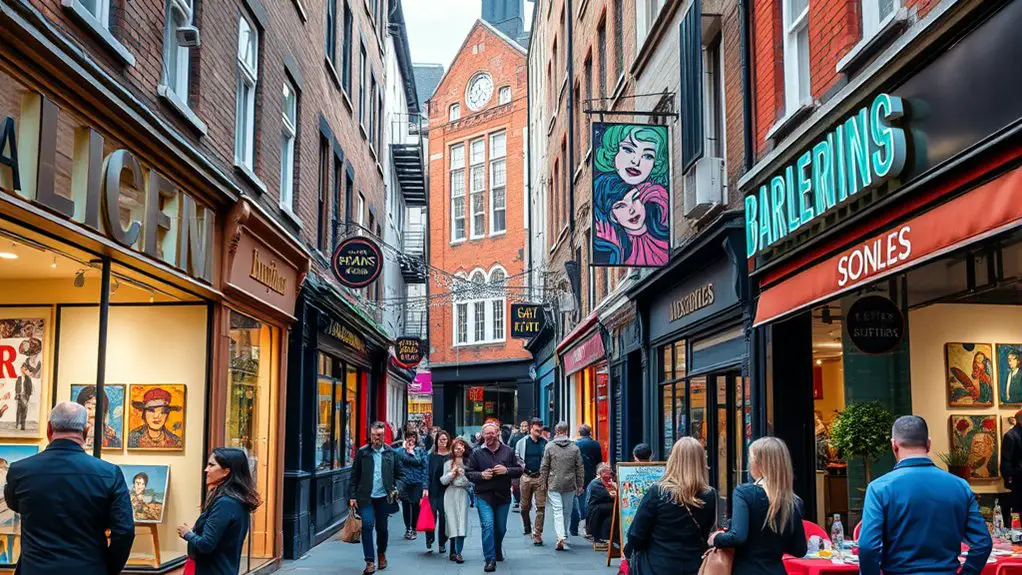
After the historic focus of Day 1, spend Day 2 seeing London’s modern cultural side. This route combines art, the Thames, shopping, food, and nightlife without trying to cover every fashionable neighborhood at once.
Morning: Tate Modern and the Thames
Start at Tate Modern on Bankside. Its main collection gives you a substantial introduction to modern and contemporary art, while major temporary exhibitions may require separate tickets.
Afterward, spend time along the South Bank. You can walk beside the Thames, watch river traffic and street performers, cross the Millennium Bridge for a view toward St Paul’s Cathedral, or continue toward London Bridge.
Lunch: Borough Market or the South Bank
Borough Market works well as a flexible lunch stop because it sits close to Tate Modern and London Bridge. If it is especially busy, the surrounding Bankside and South Bank streets offer plenty of alternatives.
Afternoon: Carnaby Street, Regent Street, and Soho
Travel west for the afternoon and explore Carnaby Street and Regent Street. The area mixes large flagship shops with smaller side streets, cafés, theaters, and easy access to Soho.
Take time to wander rather than treating the neighborhood as another checklist. Soho works especially well for coffee, dinner, Chinatown, live entertainment, or simply watching central London change from daytime shopping to evening activity.
Shoreditch is also worth exploring for street art, independent shops, nightlife, and a more East London feel. However, it sits away from the West End. On a three-day trip, treat Shoreditch as an alternative to the Carnaby Street and Soho portion rather than trying to fit both into the same afternoon.
Evening: West End or a Relaxed Dinner
For a classic London evening, book a West End show and eat nearby before or afterward. If you prefer a slower night, stay in Soho, Covent Garden, or along the South Bank for dinner and an evening walk.
A good three-day London itinerary is not about fitting in the greatest number of landmarks. It is about choosing enough highlights that you still have time to experience the streets, parks, food, and neighborhoods between them.
Day 3: Museums, Local Neighborhoods, and Relaxing Parks
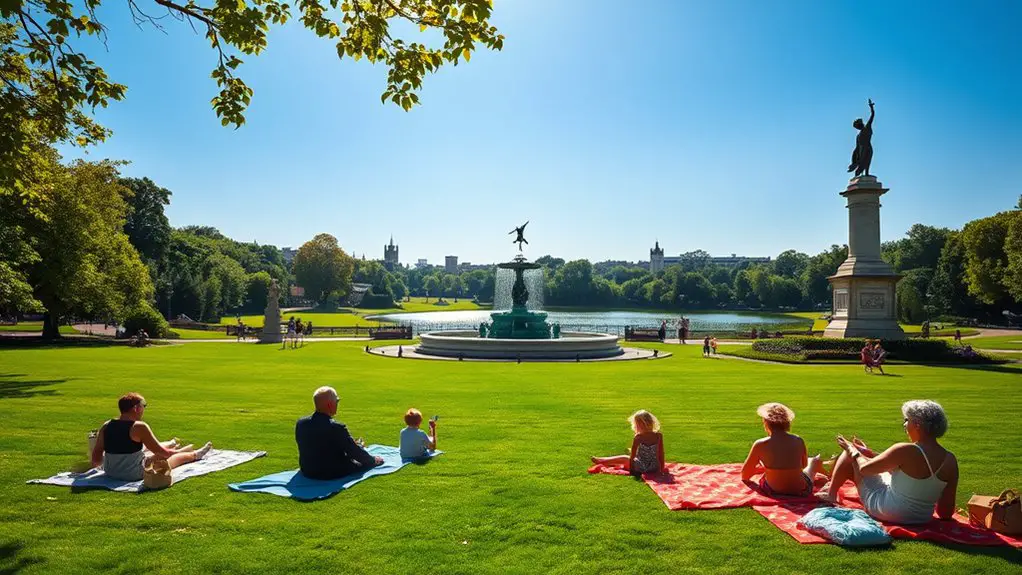
Instead of repeating the Tower, Tower Bridge, and Westminster from Day 1, use your final day to see a different side of London. South Kensington’s museums pair naturally with nearby Hyde Park and give you an easy way to slow the pace.
Morning: Choose a South Kensington Museum
Start at the Natural History Museum. Its general galleries are free to explore, although special exhibitions and experiences can carry separate charges. Booking a free entry ticket can also make busy periods easier.
Do not try to see every gallery in one visit. Pick the areas that interest you most and give yourself around two or three hours. Families may want more time, while travelers mainly interested in the architecture and headline exhibits can keep the visit shorter.
Afternoon: Hyde Park and the Serpentine
From South Kensington, continue toward Hyde Park. After two busy sightseeing days, the park gives you room to walk without another queue or museum schedule.
Follow the paths around the Serpentine, stop for a break near the water, or simply find a quieter stretch of grass. Boat and pedalo hire on the Serpentine is available according to operating conditions, season, and weather.
For a final neighborhood stop, you can continue toward Notting Hill or return through Knightsbridge and central London, depending on where you are staying.
Alternative: Regent’s Park and London Zoo
If gardens and animals appeal more than South Kensington, use Regent’s Park as your main Day 3 destination instead. Walk through Queen Mary’s Gardens and the park’s landscaped grounds, then add London Zoo if it fits your interests and budget.
London Zoo is a separate paid attraction on the northern edge of Regent’s Park, so give it a substantial part of the day rather than treating it as a quick detour.
Pro Tip: Keep the final afternoon flexible. If the weather turns wet, spend longer inside a museum. If the weather is good and you are tired of queues, shorten the museum visit and give yourself more time in the park.
Frequently Asked Questions
Where are the best places to eat near the main London stops?
Choose dining areas that already sit on your route. Borough Market and Bankside work well near the Tower Bridge/Tate portion of the trip, Soho and Covent Garden offer a huge range of choices on Day 2, and South Kensington has many cafés and restaurants near the museums. This saves time compared with crossing London solely for a meal.
How do I get around London efficiently on a budget?
Use contactless pay-as-you-go or Oyster for most Tube, bus, Overground, DLR, and eligible rail journeys. TfL’s 2026 adult fare table lists a £8.90 daily pay-as-you-go cap for Zones 1–2. Use the same card or mobile device for every eligible journey so the system can calculate fares correctly. Walking between nearby attractions can save money and reveal more of the city.
Are there lesser-known attractions worth visiting?
Yes. Sir John Soane’s Museum is an unusual historic house filled with art, architectural models, antiquities, and inventive interiors, and general entry is free. Leighton House in Kensington is another distinctive artist’s home; its historic interiors are normally ticketed, although parts of the site can be visited free. Check current opening arrangements before visiting either one.
When is the best time of year to visit London?
There is no single best season. Late spring and early autumn appeal to many visitors who prefer moderate temperatures, while summer brings long daylight hours and a busy events calendar. Winter offers festive attractions but shorter days. Crowd levels and weather can vary considerably, so choose dates based on the experiences that matter most to you.
What safety tips should I keep in mind while exploring?
Stay aware in crowded stations and tourist areas, keep phones and valuables secure, and never leave luggage unattended. The Metropolitan Police specifically advises visitors to be alert for pickpockets and keep phones, cameras, and laptops close. In an emergency call 999 or 112; non-urgent crime can be reported on 101.
Do I need to book London attractions in advance?
Advance booking is a good idea for major paid attractions such as the Tower of London, Westminster Abbey, and the interior visit at Tower Bridge, especially during school holidays and weekends. Free museums may also offer free timed-entry reservations that help with busy periods. Always check the official site for your exact date.
Are three days enough for London?
Three days are enough for a strong introduction to London, but not to see everything. Focus on a few major sights each day, group attractions by neighborhood, and save distant day trips for a longer stay. This gives you time to experience the city rather than spending the entire trip moving between checklists.
Conclusion
Three days in London can cover an impressive mix of history, art, neighborhoods, food, and green space when the itinerary is organized by area. Spend your first day with Westminster and the Tower, use Day 2 for the South Bank and West End, then slow down with a museum and park on Day 3. Prebook the attractions that matter most, leave room for meals and queues, and treat optional stops as swaps rather than requirements. You will see fewer places than a rushed checklist allows, but you will experience each part of London much more comfortably.
Sources
- Historic Royal Palaces — Tower of London Opening and Closing Times — current visitor hours, closures, and recommended visit duration.
- Westminster Abbey — Prices and Entry Times — date-specific visitor access and opening information.
- Household Division — Changing the Guard Calendar — official Buckingham Palace ceremony schedule.
- Transport for London — Adult Rate Prices 2026 — current pay-as-you-go caps and fare information.
- The Royal Parks — Boating in Hyde Park — Serpentine boat options, seasons, and operating information.
- Metropolitan Police — How to Stay Safe While Visiting London — official visitor-safety and emergency guidance.
