
Last Updated on August 26, 2026 by Daniel Globe
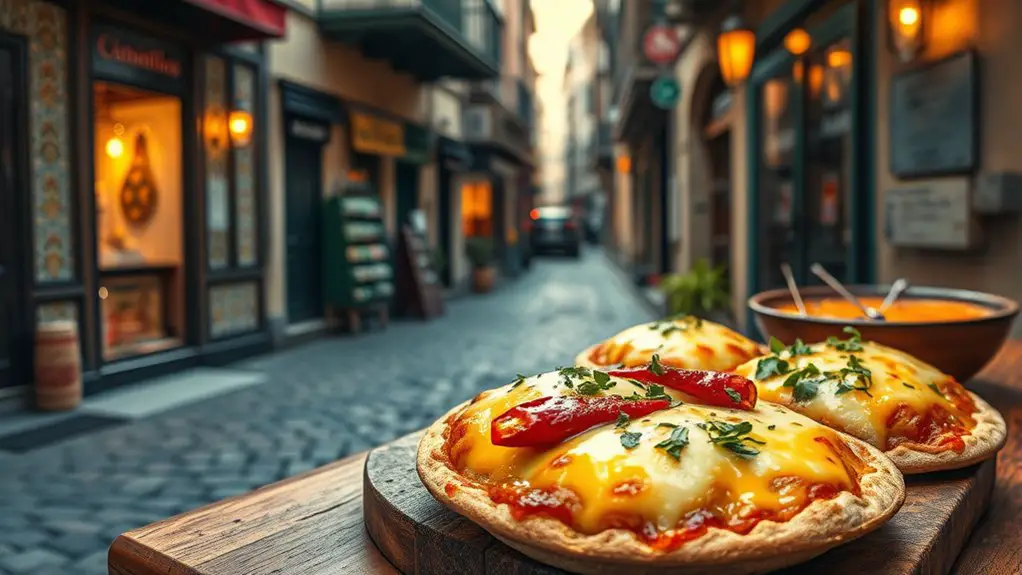
Finding the best pide in Istanbul’s Old City (Sultanahmet, Sirkeci, and Fatih) requires navigating past tourist traps to locate authentic, wood-fired taş fırın (stone oven) bakeries. Often called “Turkish pizza,” authentic pide is a boat-shaped flatbread baked to blistered perfection with regional toppings ranging from Black Sea minced beef to melted Trabzon cheeses. Whether you are exploring the historic alleys of Hocapaşa or the traditional avenues around Fatih Mosque, these standout eateries offer a direct taste of Turkey’s master baking traditions.
Quick Answer
The best pide in Istanbul’s Old City is found in the historic Hocapaşa culinary alley in Sirkeci and the traditional stone-oven bakeries of Fatih. Look for wood-fired spots serving regional specialties like Kıymalı (minced meat), Kuşbaşılı (diced beef with peppers), and closed-crust Bafra pide brushed with clarified village butter.
Key Takeaways
- Regional Styles Dominate: Istanbul’s best pide restaurants specialize in Black Sea (Samsun, Bafra, Trabzon) and Central Anatolian (Konya, Kayseri) dough preparations.
- Oven Type Matters: True authenticity comes from high-heat, oak-wood-fired stone ovens (taş fırın) that produce a blistered, crunchy base and tender interior.
- Core Variations: Essential orders include Kıymalı (spiced ground beef/lamb), Kuşbaşılı (hand-diced beef), Kaşarlı (melted sheep’s milk cheese), and Sucuklu (garlicky Turkish beef sausage).
- Location Hubs: Sirkeci’s pedestrianized Hocapaşa Street and the residential quarters of Fatih offer the densest concentration of heritage pide bakers.
Disclosure: As an Amazon Associate I earn from qualifying purchases. Some links on this page are affiliate links, at no extra cost to you.
1. Pideci Selim Usta (Sirkeci / Hocapaşa)
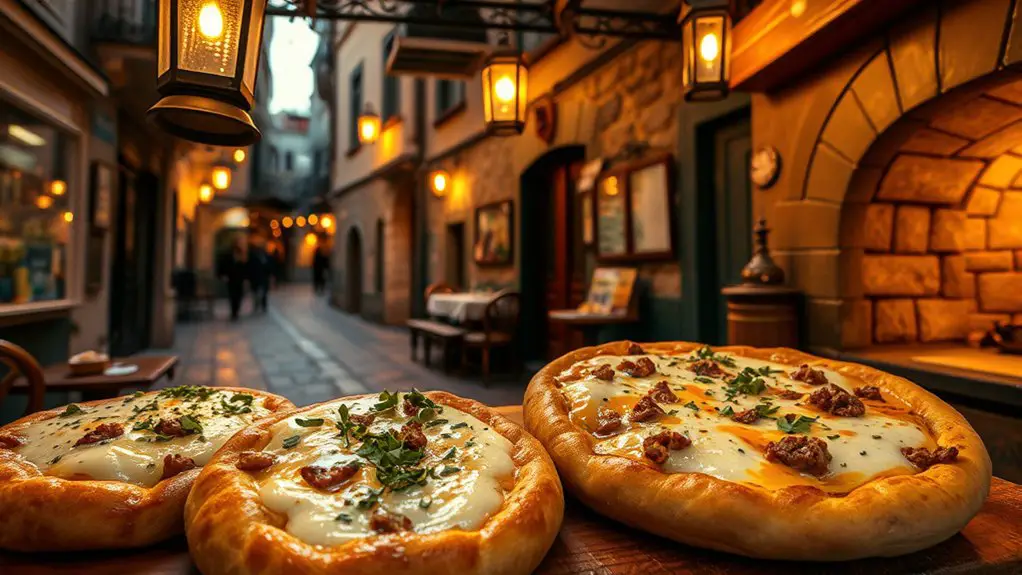
Located in the heart of the historic Sirkeci district, Pideci Selim Usta exemplifies traditional craft. Stepping inside brings the immediate warmth of a live wood fire and the distinct sizzle of freshly rendered butter over golden-brown dough crusts.
Selim Usta focuses on the classic Black Sea open-boat format (açık pide). The dough undergoes a slow fermentation cycle, resulting in a thin, crisp undercarriage capable of holding generous layers of spiced minced lamb, onions, and sweet red peppers without turning soggy.
“A proper pide reveals itself at the crust edge: blistered from wood ash, shatteringly crisp on first bite, and brushed with pure village butter the moment it leaves the shovel.”
Pair your meal with a cold glass of salted ayran (frothy yogurt drink) to cut through the rich meat fats. For first-time visitors staying near Sultanahmet, this spot offers effortless access just steps away from the Sirkeci T1 tram stop.
Pro Tip: Ask for your pide “yumurtalı” (with an egg). The chef will crack a fresh egg over the toppings during the final 60 seconds of baking, creating a luscious dipping sauce for your crust edges.
2. Çiya Sofrası & Anatolian Heritage
Founded by culinary researcher Musa Dağdeviren, Çiya Sofrası is celebrated worldwide for documenting and preserving micro-regional recipes from across Anatolia, Mesopotamia, and the Mediterranean. While its flagship dining rooms sit across the Bosphorus in Kadıköy (an easy 20-minute scenic ferry ride from the Old City’s Eminönü docks), its influence on Istanbul’s flatbread standards remains unmatched.
Unlike standard urban shops, Çiya sources heirloom grains and regional wild greens to reproduce historic Anatolian flatbreads. You will encounter regional variations like southeast Anatolian Lahmacun, Gaziantep spiced flatbreads, and seasonal open pides topped with wild mountain thyme (zahter), lor cheese, and pomegranate molasses.
Çiya’s dedication to culinary anthropology means the menu rotates based on micro-seasons. If you want to understand how pide evolved from ancient Anatolian hearth loaves into regional delicacies, taking the ferry from Sirkeci or Eminönü to Kadıköy is an essential gastronomic day trip.
3. Hünkar: Palace-Style Craft
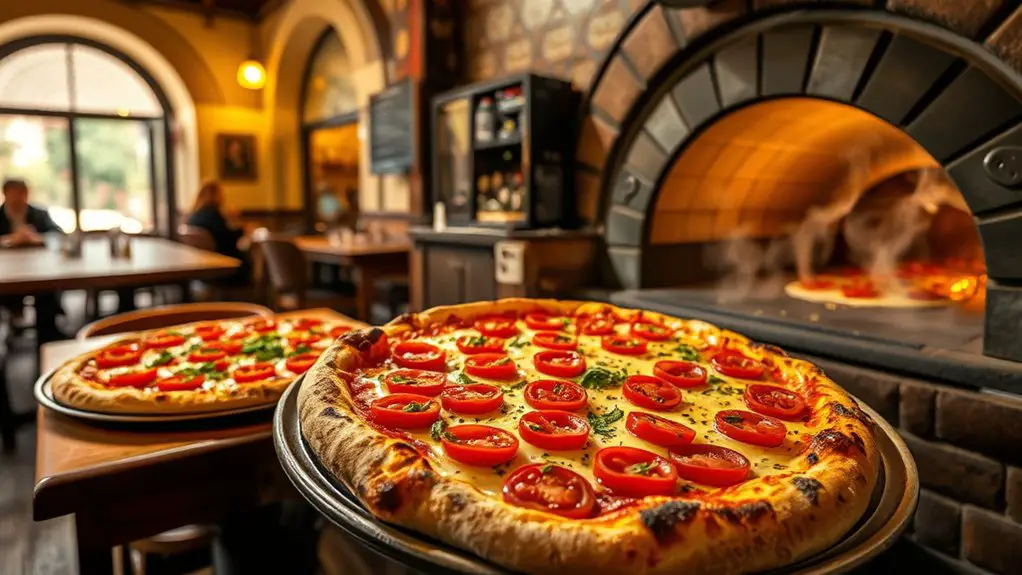
Operating since 1950, Hünkar bridges the culinary traditions of classical Ottoman palace dining (Esnaf Lokantası) and artisanal baking. Known for refined dishes, Hünkar prepares flatbreads and savory pastries using traditional clarified butter and strictly sourced meats.
Anatolian Regional Heritage
Pide’s origins are deeply rooted in the communal oven cultures of Anatolia, where neighborhood households brought their prepared meat fillings to local bakers. Hünkar maintains this traditional standard by maintaining consistent wood-fired baking temperatures and fine-milled domestic flours.
| Pide Style | Dough Structure | Key Flavor Profile |
|---|---|---|
| Karadeniz (Black Sea) | Elongated boat, thick chewy borders | Rich Trabzon kolot cheese, butter, egg yolk |
| Bafra / Samsun | Closed crust, thin, ultra-crispy | Finely minced spiced beef, rendered butter wash |
| Develi Cıvıklısı | Thin, wide open-face oval | Knife-diced lamb, tomatoes, green peppers |
Signature Meat Preparations
The culinary benchmark at Hünkar is the Kuşbaşılı Pide, prepared using tender knife-cut lamb loin rather than machine-ground meat. The lamb renders directly inside the oven alongside sweet cubanelle peppers and ripe tomatoes, locking natural juices into the dough base.
Dining Ambiance and Service
Unlike grab-and-go bakeries, Hünkar offers seated service with a full display of slow-cooked Ottoman stews, braised lamb shanks, and vegetable casseroles cooked in olive oil (zeytinyağlılar). It provides a relaxed environment to enjoy baked specialties alongside heritage slow-food courses.
4. Tarihi Hocapaşa Pidecisi (Eminönü / Sirkeci)
Serving since 1964 along the pedestrian alleyways of Hocapaşa near the Sirkeci train station, Tarihi Hocapaşa Pidecisi is universally recognized as an Old City benchmark. The dining room is compact, but the continuous stream of locals, market merchants, and international food travelers confirms its reputation.
The master bakers work in direct view of the seating area, stretching dough by hand on marble counters before sliding long wooden peels into a stone oven heated with beech and oak wood. The crust achieves a signature smoky blister without burning the delicate dairy or meat fillings.
| Classic Variety | Filling Composition | Recommended Accompaniment |
|---|---|---|
| Kıymalı Kaşarlı | Minced spiced beef blended with melted aged kaşar cheese | Pickled peppers (turşu) |
| Kavurmalı Pide | Cured, slow-braised tender beef cubes | Fresh raw onion salad with sumac |
| Sucuklu Yumurtalı | Garlic-spiced beef sausage with whole egg yolk center | Freshly brewed Turkish tea (çay) |
5. Fatih Karadeniz Pidesi (İbrahim Usta – Fatih)
For purists seeking authentic Black Sea baking, the Fatih district houses historical gems like Fatih Karadeniz Pidesi (founded by İbrahim Usta). Located in the residential streets behind the Fatih Mosque complex, this institution specializes in the distinctive Trabzon Yağlısı and long closed Samsun Bafra pides.
The dough here is thicker, possessing a sourdough-like chew developed through extended fermentation. The signature order is a round boat loaded with aged local Black Sea cheese (kolot peyniri) that bubbles fiercely under the stone dome. When pulled from the oven, a massive cube of fresh farm butter and an egg yolk are placed directly in the center, whipped table-side with a fork into a rich, molten dip.
Note: At traditional Black Sea pide parlors, you eat with your hands: tear off pieces of the thick outer crust rim and dip directly into the bubbling butter-and-cheese center.
6. Lider Pide & Traditional Stone Oven Bakeries
Representing classic neighborhood pide salons across the historic quarter, Lider Pide reflects true community dining culture. These multi-generation bakeries rely on time-tested dough handling that avoids artificial leavening agents.
The hallmark of a great neighborhood salon is the Karışık (mixed) pide. This combines sections of spiced minced meat, diced lamb, aged kaşar cheese, and Turkish pastırma (cured fenugreek-spiced beef). The balanced heat of the oven crisps the dough underside while keeping the meat juicy and melting the cheese uniformly across the boat.
7. Sedef Pide (Gedikpaşa / Grand Bazaar Quarter)
Tucked into the bustling artisan leather and shoe-crafting streets of Gedikpaşa, just downhill from the Grand Bazaar, Sedef Pide has served local tradesmen and savvy travelers for decades. It is a genuine esnaf (tradesman) eatery where fast service, roaring wood fires, and reasonable prices meet exceptional craft.
Sedef Pide prepares an exceptionally light, thin-crusted dough baked in an oak-fueled stone oven. The house specialty is Kıymalı Pide, made with fresh minced beef seasoned simply with black pepper, finely chopped onions, and red capsicum to highlight the meat’s natural flavor. Freshly pulled from the oven, pre-sliced into diagonal segments, and served with crisp parsley, lemon wedges, and spicy pickled peppers, it represents quintessential Istanbul street-food perfection.
Frequently Asked Questions
What is the history of pide in Istanbul?
Pide evolved from ancient Anatolian and Middle Eastern flatbread baking traditions and reached refinement during the Ottoman Empire. Communal stone ovens baked filled flatbreads for palace kitchens and urban tradesmen. In the 19th and 20th centuries, migrating bakers from the Black Sea region (notably Samsun, Trabzon, and Rize) established Istanbul’s modern wood-fired pide parlors.
How is Turkish pide different from pizza?
While both are wood-fired doughs with savory toppings, Turkish pide is typically shaped into an elongated canoe or closed oval rather than a flat circle. Pide rarely uses tomato sauce as a base layer, relying instead on clarified butter, sheep/cow cheeses, seasoned meats, and eggs. The dough also differs in hydration and rolling technique, delivering a distinct crunchy-yet-chewy rim.
Are there vegetarian options available for pide?
Yes. Virtually all Istanbul pide bakeries offer multiple vegetarian choices, including Peynirli (melted kaşar or white cheese), Ispanaklı (fresh spinach, onion, and spices), Mantarlı (mushrooms with cheese), and seasonal wild herb flatbreads.
What are the most popular toppings for Turkish pide?
The four classic toppings across Turkey are Kıymalı (seasoned ground beef and onion), Kuşbaşılı (knife-diced beef with tomatoes and peppers), Kaşarlı (melted Turkish sheep/cow milk cheese), and Sucuklu (spicy fermented beef garlic sausage), often topped with an egg yolk.
Can pide be ordered for delivery or takeout in Istanbul?
Yes. Pide is widely ordered for takeout and delivery across Istanbul via delivery apps (such as Yemeksepeti and GetirYemek). However, eating it fresh within minutes of leaving the stone oven ensures the crust remains crispy rather than steaming soft inside a cardboard box.
Conclusion
Exploring the historic bakeries of Istanbul’s Old City reveals why pide remains one of Turkey’s most enduring culinary achievements. From the high-energy alleys of Hocapaşa in Sirkeci to the multi-generation stone ovens of Fatih and Gedikpaşa, every region of Turkey expresses its culinary heritage through flour, fire, and butter. According to data from the Food and Agriculture Organization (FAO), Turkey maintains one of the highest per-capita wheat and flatbread consumption rates in the world—a testament to how deeply bread culture is woven into daily life. When you visit these historic ovens, you are not just having lunch; you are experiencing centuries of artisanal Turkish culinary tradition.
Sources
- Food and Agriculture Organization (FAO) Country Profiles: Türkiye — Global wheat and grain consumption and domestic agricultural statistics.
- UNESCO World Heritage Centre — Historic Areas of Istanbul and cultural heritage of the Fatih/Sultanahmet peninsula.
- Turkish Patent and Trademark Office (TÜRKPATENT) — Official geographical indications for traditional regional flatbreads (Bafra Pidesi and Samsun Pidesi registrations).
