
Last Updated on September 10, 2026 by Daniel Globe
Spirit Airlines was once one of the best-known ultra-low-cost carriers in the United States, but its status changed completely in 2026. On May 2, 2026, the airline canceled all flights and began an orderly wind-down of its operations. This means Spirit is no longer a current booking option, although former customers may still need help with refunds, baggage, travel credits, or bankruptcy claims.
Quick Answer
Spirit Airlines is no longer operating. It canceled all flights and began winding down on May 2, 2026. Historically, Spirit offered very low base fares, but the final cost could rise after bags, seats, and other extras. It suited informed, price-focused travelers better than passengers expecting traditional full-service travel.
Key Takeaways
- Spirit Airlines stopped operating flights on May 2, 2026, and passengers should not go to the airport for a Spirit flight.
- Eligible flights purchased directly from Spirit with a credit or debit card were scheduled for automatic refunds to the original payment method.
- Travelers who booked through a travel agency must contact that agency about their refund.
- Historically, Spirit could offer a low total price when travelers packed lightly and understood the fees before booking.
- Its standard seating and basic fare option were less suitable for travelers who prioritized space, included bags, or full-service support.
Spirit Airlines Status: No Longer Operating
Spirit Airlines announced that it had started an orderly wind-down effective May 2, 2026. According to the airline’s official restructuring website, all Spirit flights were canceled and its former customer-service call center and email operation were no longer available.
Warning: Do not go to the airport for a Spirit Airlines flight. Spirit is not operating flights, and it cannot rebook passengers on another airline.
What Happened on May 2, 2026?
Spirit had been attempting to restructure its finances through Chapter 11. Although the company announced a proposed reorganization plan in March 2026, it later determined that it did not have a workable path to continue operating. The airline then canceled its remaining flights and began selling or otherwise handling its assets through the bankruptcy process.
The shutdown changed the purpose of this article. Spirit can no longer be evaluated as a current booking choice. Its fares, seating, baggage rules, Wi-Fi, and onboard products are now relevant only as a historical record of what passengers experienced before operations ended.
Current Refund and Support Information
| Issue | Current Information |
| Flight operations | All Spirit flights were canceled effective May 2, 2026. |
| Direct card bookings | Qualifying tickets bought directly from Spirit with a credit or debit card were scheduled for automatic refunds to the original payment method. |
| Travel-agency bookings | Contact the travel agent or booking service that sold the ticket. |
| Bags, Wi-Fi, and add-ons | Eligible add-ons for canceled flights were scheduled for refund when they had been paid by credit or debit card. |
| Credits, vouchers, or points | Compensation is subject to the bankruptcy process and is not guaranteed. |
| Replacement travel costs | Spirit states that it cannot reimburse replacement flights, hotels, meals, or similar incidental costs. Travel insurance may provide coverage in some cases. |
| Claims questions | Review the official Spirit Guest FAQ or contact the bankruptcy claims agent through Epiq’s Spirit case website. The listed claims-agent numbers are 855-952-6606 in the United States and Canada and 971-715-2831 internationally. |
Pro Tip: If an expected card refund has not appeared, save the booking confirmation, cancellation notice, payment statement, and refund correspondence. Contact the card issuer promptly to ask about its dispute process. Filing deadlines and eligibility rules may apply.
The U.S. Department of Transportation’s airline bankruptcy guidance explains that passengers may be able to seek help from a credit-card issuer or travel-insurance company when an airline has stopped flying. A dispute or chargeback is not guaranteed, so travelers should act quickly and follow the card issuer’s instructions.
Spirit Airlines’ History
Spirit’s documented corporate history began before 1980. The business was founded in 1964 as a Michigan trucking company and later operated as Ground Air Transfer. It began doing business as Charter One in 1983, started air-charter operations in 1990, and adopted the Spirit Airlines name in 1992 as it expanded scheduled passenger service.
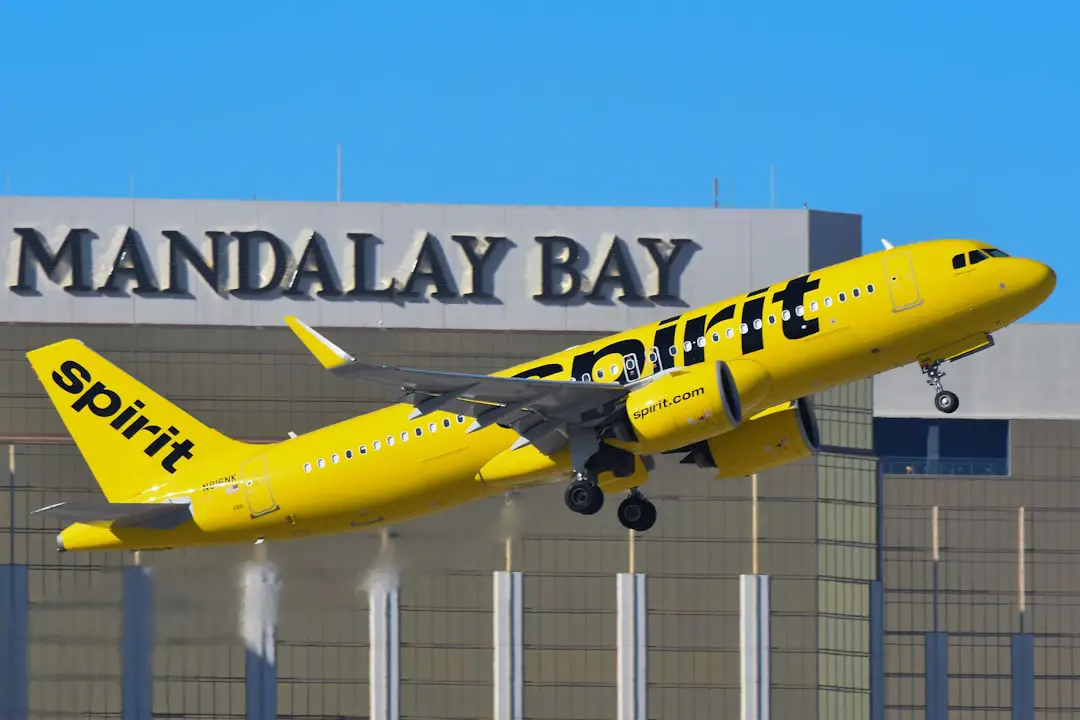
Spirit later developed into a major ultra-low-cost carrier serving destinations in the United States, Latin America, and the Caribbean. Its fleet consisted of Airbus A320-family aircraft. The company moved from Miramar to a new corporate campus in Dania Beach, Florida, in April 2024.
Spirit’s lowest advertised fare was never the complete measure of value. The meaningful comparison was the total trip price after bags, seats, food, Wi-Fi, and flexibility were included.
Pricing and Fees
Before the shutdown, Spirit used an unbundled pricing model. This meant that a low base fare covered transportation and a personal item, while other features could be purchased separately or included through a higher travel option.
Products Worth Considering

[Travel without stress] This hanging baggage scale easily prevents overweight baggage charges; a must-have for traveling. *The isolation tag must be removed from the battery case before use!

𝟮-𝗶𝗻-𝟭 𝗡𝗲𝗰𝗸 𝗣𝗶𝗹𝗹𝗼𝘄 & 𝗘𝘅𝘁𝗿𝗮 𝗟𝘂𝗴𝗴𝗮𝗴𝗲 - 𝗔𝘀 𝗦𝗲𝗲𝗻 𝗼𝗻 𝗧𝗩! Upgrade your travel game with a splashproof, stuffable travel pillow that doubles as a carry-on bag! Featured on CNN Travel, GMA Good Morning America, ABC News, Travel + Leisure, and more, it lets you pack up to 3 days’ worth of clothes while preventing your items from getting wet. The airplane neck pillow travelers swear by for smart, space-saving packing.

Luxurious Comfort: Stuffable neck pillow is made of soft and high quality velvet material, provide you a comfortable touch for a blissful travel experience. Say goodbye to bulky travel pillows and hello to the convenience of the stuffable travel pillow
Understanding the Unbundled Pricing Approach
Spirit’s final travel-option structure included Value, Premium Economy, and Spirit First. Value was the simplest option and allowed passengers to purchase bags, seats, Wi-Fi, and other extras separately. Premium Economy included a carry-on bag, priority boarding, and a more spacious seat. Spirit First included a Big Front Seat, a carry-on, one checked bag, priority services, snacks, drinks, and streaming Wi-Fi when available.
This was more flexible than the airline’s older reputation suggested, but it also made price comparisons more complicated. A Value fare could remain inexpensive for someone traveling with only a small personal item. The same fare could become much less competitive after a carry-on, checked bag, seat assignment, and other extras were added.
The Cost of Baggage Fees
Spirit’s baggage prices varied according to the itinerary, type of bag, travel option, and time of purchase. Bags generally cost more when added late in the process, especially at the airport or gate. There was no single baggage price that applied to every passenger.
Travelers therefore needed to compare the complete cost of a Spirit itinerary with the complete cost of competing airlines. A carrier with a higher base fare could be cheaper overall when a carry-on, checked bag, seat selection, or schedule flexibility was already included.
Planning Ahead to Avoid Unexpected Expenses
The unbundled model worked best for travelers who reviewed every cost before paying. Passengers needed to consider the dimensions of their personal item, the number of bags, seating preferences, food, Wi-Fi, and the possibility of changing the trip.
Note: These pricing and baggage details describe Spirit’s historical operating model. They are not current booking rules because the airline no longer operates flights.
Comfort and Amenities

Spirit was widely associated with dense seating and limited space in its standard cabin. Official historical seat maps showed many standard seats with approximately 28 to 30 inches of pitch, although the exact width and pitch varied by aircraft and row. That amount of space could feel tight for taller passengers or longer trips.
The airline also offered more spacious choices. Its Premium Seats provided additional legroom on equipped aircraft, while the Big Front Seat was wider, had no middle seat, and offered substantially more legroom than a standard seat. The Big Front Seat was sold as part of the Spirit First option near the end of the airline’s operating period.
Spirit did not generally provide seatback entertainment screens. Passengers relied on their own phones, tablets, or computers. However, the statement that Spirit offered no Wi-Fi became outdated. Wi-Fi was sold on equipped flights, and streaming access was included with Spirit First when available.
Food and drink benefits also depended on the fare option. Value passengers could purchase items from the onboard menu. Premium Economy included a discount on onboard purchases, while Spirit First included selected snacks and drinks, including alcoholic beverages for eligible adults.
Spirit’s cabin therefore remained less inclusive than a traditional full-service airline, but its final product was not quite as bare as older descriptions suggested. Travelers could pay for more comfort and bundled services, although doing so reduced the price difference between Spirit and competing airlines.
Products Worth Considering

Elevate Your Comfort - Our inflatable airplane foot rest elevates your legs, providing more comfort and reducing the risk of leg swelling and stiffness. You'll arrive at your destination feeling refreshed and ready to go.

Various Uses: The footrest can be used to fill the gap in front of your seats and increase the rest space on the plane. The airplane footrest also can be used to sleep and rest when children are tired. In the office, we can use it by raising your legs to improve blood circulation and reduce swelling caused by long-term sitting. Airplane travel accessories can also help reduce the risk of DVT(Deep Vein Thrombosis). At home, we can use the leg rest pillow while watching TV or reading books.
Customer Service
Before the shutdown, Spirit received mixed customer-service reviews. Some passengers reported helpful airport or cabin employees, while others complained about long waits, strict policies, limited rebooking options, and difficulty receiving help during major disruptions.
The original article’s figures for customer satisfaction, response time, first-contact resolution, and Net Promoter Score have been removed because they had no named source, date, sample, or methodology.
The current situation is different from an ordinary service disruption. Spirit states that its former customer-service call center and customer-service email are no longer available. Travelers with unresolved financial issues should use the airline’s restructuring website, the Epiq bankruptcy case website, their travel agent, insurer, or payment provider as appropriate.
Refunds for Direct Bookings
Spirit’s Guest FAQ states that eligible flights purchased directly from Spirit with a credit or debit card were to be refunded automatically to the original payment method. Eligible baggage, Wi-Fi, and other add-on charges paid by card for canceled flights were also scheduled for refund.
Refunds can take time to appear on a statement after they are issued. Travelers should compare the refund with every fare and add-on charge shown on the original booking.
Travel Agencies, Points, Credits, and Vouchers
Passengers who booked through a travel agency or third-party ticket seller should contact that business directly. The payment relationship may be with the seller rather than Spirit.
Spirit stated that compensation involving flight credits, vouchers, Free Spirit points, and other non-card payment methods would be handled through the bankruptcy process. A claim may be allowed, reduced, delayed, or unpaid depending on the court process and the assets available.
On-Time Performance
Spirit’s punctuality changed from year to year, so describing it as either always reliable or consistently late would be misleading. In January 2026, Spirit reported that Cirium measured 78.83% of its flights as on time during 2025, placing it third among the 10 largest North American carriers in that analysis.
That was a positive historical result, but it did not guarantee that any individual flight would arrive on time. Weather, air-traffic restrictions, airport congestion, crew availability, aircraft maintenance, and network disruptions could still affect a specific itinerary.
The DOT Air Travel Consumer Reports remain a better source for dated comparisons involving delays, cancellations, baggage handling, complaints, and other operational measures. There is no current Spirit on-time performance to evaluate after May 2, 2026 because the airline no longer operates flights.
Safety and Maintenance
Passenger comfort, fees, refund disputes, and customer-service complaints should not be confused with aviation safety. An airline can receive poor service reviews while still operating under federal safety requirements.
Maintenance and Inspections
Before ending operations, Spirit operated as a certificated U.S. airline subject to Federal Aviation Administration oversight. The FAA’s Safety Assurance System covers certification, surveillance, maintenance programs, flight operations, crew qualifications, and continued compliance with applicable regulations.
This does not mean that an airline is immune from mechanical problems, incidents, emergency landings, or regulatory findings. It means that safety claims should be evaluated through FAA and National Transportation Safety Board information rather than ordinary star ratings or comments about baggage fees.
Modernizing the Fleet
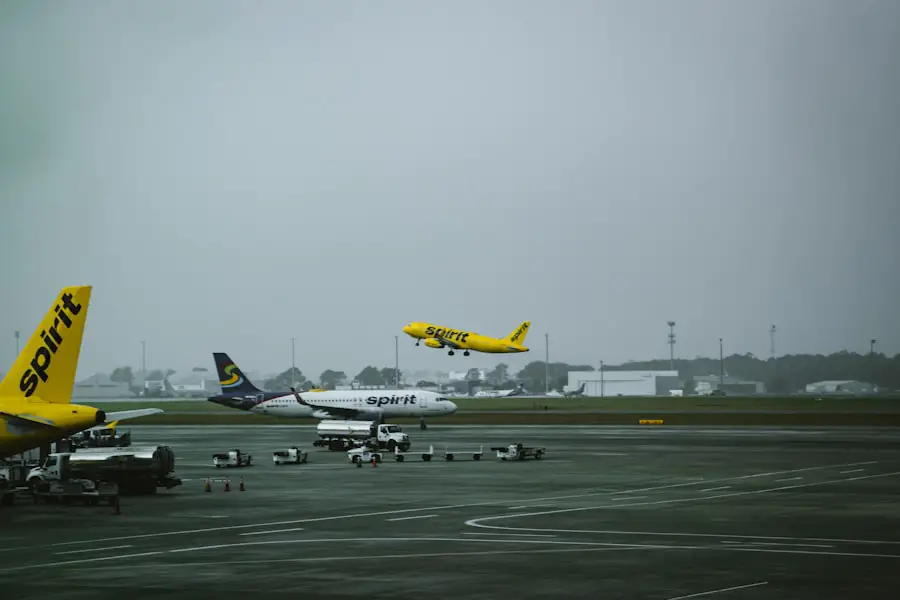
Spirit historically operated an all-Airbus fleet built around A320-family aircraft. Newer aircraft can provide fuel-efficiency and technology advantages, but fleet age alone does not establish whether an airline is safe. Maintenance quality, regulatory compliance, crew training, operating procedures, and safety management are also important.
A More Accurate View of Spirit’s Safety Record
The broad statement that Spirit had a “solid safety record” has been removed because it did not define a time period or measurement standard. A more responsible conclusion is that Spirit was a federally certificated airline under FAA oversight during its operating years. Anyone researching a specific event should consult the FAA or the NTSB investigation database.
Note: Spirit’s shutdown resulted from its financial and operational wind-down. It should not be presented as proof that its aircraft were inherently unsafe.
Reputation and Reviews
Spirit’s reputation was shaped by the gap between its low advertised fares and the expectations some passengers brought to the trip. Travelers who expected a free carry-on, complimentary seat selection, generous legroom, and full-service disruption support were more likely to be dissatisfied.
Negative reviews commonly focused on bag and seat charges, tight standard seating, airport fees, limited flexibility on basic bookings, disruption handling, and difficulty reaching support. These were legitimate concerns, particularly when an itinerary included a connection or time-sensitive commitment.
Positive reviews usually came from travelers who understood the model before booking. A passenger with a small personal item, flexible expectations, and a nonstop itinerary could sometimes obtain a lower total price than on a traditional carrier. Some travelers also valued Spirit’s direct service on leisure routes that had few inexpensive alternatives.
Spirit’s later Premium Economy and Spirit First options addressed some older complaints by adding more space, bags, priority services, food, drinks, and Wi-Fi. However, selecting those options narrowed the cost difference between Spirit and airlines that included similar benefits in their standard products.
Is Spirit Airlines Really That Bad?
Historically, Spirit was not automatically a bad choice. It was a specialized choice. The airline was most suitable for travelers who cared primarily about price, could travel lightly, understood every fee, and did not require a traditional full-service experience.
It was a poor fit for passengers who needed generous standard-seat space, included bags, flexible rebooking, strong connection protection, or extensive assistance during disruptions. A cheap base fare could also become poor value when several extras were required.
As of July 2026, however, the practical answer has changed: Spirit Airlines is no longer a booking option because it stopped operating flights on May 2, 2026. Former customers should focus on refunds, travel-agent assistance, payment disputes, insurance claims, and bankruptcy information rather than evaluating a future Spirit itinerary.
Travelers arranging replacement transportation may also find the packing guides to the best carry-on suitcase with a USB charger and odor-resistant merino wool travel socks useful. The Take Travel Info terms and conditions apply to this website and should not be confused with Spirit Airlines’ former contract of carriage.
Sources
- Spirit Airlines restructuring website — confirms the May 2, 2026 wind-down, cancellation of all flights, and end of normal customer service.
- Spirit Airlines Guest FAQ — explains card refunds, travel-agency bookings, add-on charges, credits, points, incidental costs, and claims contacts.
- U.S. Department of Transportation: Aviation Industry Bankruptcy and Service Cessations — explains passenger options when an airline stops flying.
- U.S. Department of Transportation: Refunds — outlines federal refund principles for canceled and significantly changed flights.
- Spirit Aviation Holdings 2025 Form 10-K — supports the company history, bankruptcy timeline, and relocation to Dania Beach.
- Federal Aviation Administration: Air Carrier Oversight — explains the FAA’s airline certification and surveillance framework.
Frequently Asked Questions
Is Spirit Airlines still operating?
No. Spirit Airlines canceled all flights and began winding down its operations on May 2, 2026. Passengers should not go to the airport for a Spirit flight.
What was Spirit Airlines?
Spirit Airlines was a U.S. ultra-low-cost carrier that served domestic destinations and routes to Latin America and the Caribbean. It offered low base fares and allowed passengers to purchase or bundle bags, seating, Wi-Fi, food, and other services.
Will I receive a refund for a canceled Spirit flight?
Spirit stated that eligible flights purchased directly with a credit or debit card would be refunded automatically to the original payment method. Travelers who booked through an agency should contact that agency. Check the official Spirit Guest FAQ for the latest case information.
What happens to Spirit flight credits, vouchers, or Free Spirit points?
Spirit stated that compensation involving credits, vouchers, points, and other non-card payment methods would be determined through the bankruptcy process. Recovery is not guaranteed, and points cannot be transferred to another airline program.
Was Spirit Airlines a bad airline?
That depended on the traveler’s priorities. Spirit could provide good historical value for someone traveling lightly and comparing the complete trip price. It was less suitable for passengers who expected included bags, generous standard-seat space, or full-service disruption support.
What were the most common criticisms of Spirit Airlines?
Common complaints involved extra charges, strict baggage rules, limited standard-seat space, airport fees, disruption handling, and difficulty reaching customer support. Some complaints resulted from passengers comparing only the base fare instead of the complete trip cost.
What advantages did Spirit offer before it stopped flying?
Spirit sometimes offered low total prices, nonstop leisure routes, an all-Airbus fleet, optional extra-legroom seating, and a wider Big Front Seat. Its later Premium Economy and Spirit First options included more services than its basic Value option.
How did Spirit compare with Frontier and Allegiant?
Spirit, Frontier, and Allegiant all used low-cost models with optional fees, but their routes, schedules, bundles, seats, and disruption policies differed. Travelers needed to compare the complete itinerary price rather than the advertised base fare alone.
Was Spirit Airlines safe?
Before ending operations, Spirit was a certificated U.S. airline subject to FAA safety oversight. Service reviews and baggage complaints are not reliable measures of aviation safety. Specific accidents or incidents should be researched through FAA and NTSB records.
