

Last Updated on July 27, 2026 by Daniel Globe
New Orleans can be an exciting destination for a woman traveling alone, with historic streets, live music, distinctive food, museums, and busy cultural districts that are easy to explore. It is not risk-free, however. A safer trip depends on planning each route, choosing secure lodging, protecting your belongings, managing alcohol carefully, and arranging reliable transportation after dark.
Quick Answer
New Orleans can be a rewarding destination for a woman traveling alone, but it is not risk-free. Plan daytime sightseeing in busy areas, use a verified ride after dark, protect your phone and wallet, watch your drink, limit alcohol, and check official police, transit, and weather information before heading out.
Key Takeaways
- No New Orleans neighborhood is guaranteed to be safe. Judge the exact route, time, crowd level, lighting, and transportation options.
- Explore busy visitor areas during the day, but arrange a taxi or verified rideshare when the return walk would be dark, quiet, or unfamiliar.
- Keep your phone and wallet secured, decline unsolicited bets or street services, and never hand an unlocked phone to a stranger.
- Choose lodging with controlled entry, a staffed front desk, recent safety reviews, and a well-lit pickup point.
- Save emergency numbers, share your plans with a trusted contact, and monitor official transit, event, flooding, heat, and severe-weather alerts.
Disclosure: As an Amazon Associate I earn from qualifying purchases. Some links on this page are affiliate links, at no extra cost to you.
How Safe Is New Orleans for a Woman Traveling Alone?
There is no single yes-or-no label that can predict every visitor’s experience. New Orleans includes busy entertainment corridors, residential neighborhoods, quiet side streets, major festivals, late-night venues, and areas where conditions change within a few blocks. Risk also changes with the time of day, crowd size, weather, alcohol use, and how a traveler gets back to her accommodation.
The most useful approach is to review current New Orleans visitor-safety guidance, ask the accommodation about current conditions around its entrance, and plan the final part of every journey before leaving. Citywide crime figures may provide background, but they cannot guarantee that a particular street, event, hotel, or route will be safe.
Note: This guide provides general travel-safety information. Conditions can change quickly, and no precaution can guarantee an incident-free trip. Follow instructions from local authorities and leave any situation that feels unsafe.
The exact block, time, crowd level, and return route usually matter more than a broad label placed on an entire neighborhood.
Safety Tips for Solo Female Travelers in New Orleans
Products Worth Considering

Buy with Total Peace of Mind: Backed by a lifetime replacement guarantee, we ensure hassle-free protection and peace of mind! Our US-based, family-owned small business stands proudly behind each product, committed to quality and customer satisfaction.
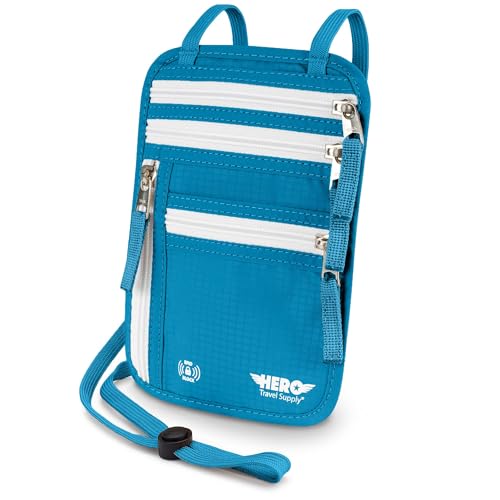
LIFETIME REPLACEMENT GUARANTEE – We individually test every HERO Neck Wallet in the USA before shipping. And every order comes backed by our lifetime replacement guarantee. If anything ever goes wrong we will send you a replacement absolutely free!

Buy with Total Peace of Mind: Backed by a lifetime replacement guarantee, we ensure hassle-free protection and peace of mind! Our US-based, family-owned small business stands proudly behind each product, committed to quality and customer satisfaction.
Choose Routes, Not Just Neighborhood Names
The French Quarter, Central Business District, Warehouse District, Garden District, Uptown, and other visitor areas contain popular attractions, restaurants, hotels, and transportation stops. That does not make every block equally suitable at every hour.
Before leaving, preview the complete route and check where it becomes quiet or poorly lit. Consider the distance between the attraction and the nearest busy street, transit stop, staffed hotel, or rideshare pickup point. During the day, stay on active streets with open businesses and other pedestrians. At night, avoid turning a short journey into a long walk through unfamiliar or empty blocks.
Do not follow a stranger who offers a shortcut, private tour, party, after-hours venue, or cheaper ride. When you are unsure about a route, ask a hotel employee, museum desk, restaurant host, or uniformed public-safety worker rather than someone who approached you on the street.
Maintain a Low Profile Without Blaming Yourself
You do not need to dress a certain way to deserve safety. The practical goal is to avoid advertising valuables that can be taken quickly. Keep expensive jewelry, large amounts of cash, and unnecessary electronics out of sight. Use your phone briefly for directions, then put it away instead of walking while staring at the screen.
Remove conference badges when leaving an event venue, and do not announce your hotel name, room number, complete itinerary, or solo-travel status to strangers. A simple statement such as “I am meeting friends” can end an unwanted conversation without sharing personal information.
Secure Your Phone, Cards, and Other Valuables
A closed crossbody bag worn in front of the body is harder to access than an open tote or a purse hanging behind a chair. Place a wallet in a zipped compartment, carry only the cards and cash needed for the outing, and keep backup funds separately.
Use a strong phone passcode, enable device tracking, and turn on account security before the trip. Do not hand an unlocked phone to someone who asks to make a call, exchange contact details, take a photograph, or show you something. A stranger can open a payment app, view private information, or leave with the device within seconds.
Recognize Common Street Scams
One well-known New Orleans approach begins when a stranger says that they can tell you “where you got your shoes.” The goal is to draw you into a bet or demand payment for an answer or unwanted shoe service. Do not debate, stop, or reach for cash. Say “no, thank you” and continue walking toward a busy business or staffed location.
Use the same response for unsolicited beads, photographs, bracelets, shoe cleaning, fortune telling, ticket offers, or other services that begin without a clear price. Do not allow anyone to surround you or guide you toward an ATM. If someone becomes aggressive, enter an open business and ask an employee for help.
Warning: Do not hand your phone, wallet, bank card, or identification to a stranger. Decline street bets and unsolicited services without stopping to argue. Move toward a staffed business, hotel lobby, police officer, or public-safety worker if someone continues following you.
Use a Clear Nightlife and Drink-Safety Plan
New Orleans nightlife can involve crowded sidewalks, loud venues, open containers, and heavy alcohol use. Decide how you will return before your first drink. Save the accommodation’s address, identify a visible pickup point, and keep enough battery and money for a ride.
Buy drinks directly from a bartender or server, watch them being prepared, and keep the drink with you. Do not accept an open drink from a stranger, leave a drink unattended, or consume something when you are unsure who handled it. If a drink tastes unusual or you suddenly feel more impaired than expected, tell venue staff, contact a trusted person, and seek medical help.
Limit alcohol enough to recognize your driver, use navigation, protect your belongings, and change plans when needed. Avoid walking back alone simply because the distance looks short on a map.
Safe Accommodation Options

Hotels, hostels, guesthouses, and vacation rentals are available throughout New Orleans, but a neighborhood name or high star rating does not prove that an accommodation is secure. Evaluate the building, entrance, staffing, transportation access, and recent guest experiences together.
Products Worth Considering

Safe and Secure: Our easy-to-use key lockbox with shackle provides a secure key safe solution for Homes, Vacation Rentals, Businesses, Real Estate, Gyms, Hospitals, Schools, and Warehouses. Made with heavy-duty aluminum alloy and steel to protect any property in private or public settings.

⚠️ NOT 1K CLASSIC: These cards use Ultralight C (ULC) chips, commonly required for newer or upgraded hotel lock systems. Always confirm your system before ordering.
Accommodation Security Checklist
- Controlled access: Look for key-card entry, a locked exterior door, or staff who monitor the entrance.
- Front-desk coverage: Confirm whether someone is available when you expect to arrive and return at night.
- Well-lit arrival point: Check whether a taxi or rideshare can stop directly at the entrance without requiring a walk through an alley, parking structure, or empty block.
- Recent reviews: Read recent reviews that discuss locks, staff response, noise, unwanted entry, street conditions, and solo stays. Do not rely only on the average score.
- Room features: Confirm that the room has a working deadbolt or secure latch, functioning windows, and a way to contact staff.
- Storage: In a hostel, look for lockers large enough for important belongings and consider a female-only dorm if that would make you more comfortable.
TripAdvisor, Booking.com, and similar platforms can help identify recurring problems, but reviews are personal accounts rather than guarantees. Compare reviews across more than one source and contact the property directly when information is unclear.
For a vacation rental, confirm the exact entrance procedure, whether the building is shared, who can access common areas, and how you will obtain help if a lock fails. Avoid publishing the rental’s location on social media while you are staying there.
Pro Tip: Save the accommodation’s main entrance as a favorite destination in your map and rideshare apps. A hotel name may lead a driver to a loading entrance, parking garage, or side street rather than the staffed lobby.
Transportation Safety
| Situation | Safer Approach |
| Daytime sightseeing | Walk on active streets or use a streetcar or bus after checking the complete route and final walking segment. |
| Late-night return | Use a licensed taxi or verified rideshare when the route or waiting area would be quiet, dark, or unfamiliar. |
| Rideshare pickup | Wait inside a staffed business or lobby, then match the driver, vehicle, and license plate before entering. |
| Streetcar or bus | Use a visible stop, check live service information, stay near other riders, and avoid boarding an unexpectedly empty vehicle when another option is available. |
| Festival or event | Expect detours and crowds. Choose a pickup point outside the most congested zone and confirm the walking route before the event ends. |
| Rental car | Remove visible belongings, lock the vehicle, and use a legitimate, well-lit parking facility rather than leaving bags in the car. |
Products Worth Considering

Regularly updated, full-color maps

Artwork Info – This 1930 Creole city map of New Orleans captures the French Quarter street grid, Mississippi River shoreline, harbor activity, and historic districts in a richly detailed decorative cartographic layout.

StreetSmart laminated fold-out city street map with BART and downtown detail
Streetcars and Buses
Streetcars and buses can be useful for daytime sightseeing and established routes. Use the official New Orleans RTA trip planner and rider tools to check stops, schedules, service changes, and the distance you must walk after getting off.
Wait at a visible stop near other riders when possible. Keep your phone and wallet secured while boarding and exiting. If a stop is deserted, service is delayed, or the final part of the route requires a long walk through quiet streets, choose another transportation option.
Taxis and Rideshare Services
Request rides through the official app or a hotel, restaurant, or venue. Before entering, match the license plate, vehicle make and model, driver name, and driver photograph with the information shown in the app. Ask the driver to confirm your name rather than volunteering it first.
Share the ride details with a trusted contact, sit in the back seat, and follow the route on your phone. If the vehicle or driver does not match, do not enter. Cancel from a safe place and report the problem through the app.
Walking
Walking is one of the best ways to experience New Orleans during active hours. Wear shoes suitable for uneven sidewalks, remain alert at intersections, and avoid using headphones at a volume that blocks traffic and surrounding sounds.
At night, stay on illuminated streets with open businesses and other pedestrians. Do not continue down a street simply because your map identifies it as the shortest route. Turn around or request a ride when the environment changes.
Personal Safety Precautions
Share your accommodation, major reservations, and general daily plan with a trusted person. Arrange a simple check-in schedule, especially before and after a night out. Location sharing can help, but it should supplement rather than replace direct communication.
Carry a charged phone, a compact power bank, one payment card, a small amount of cash, and a copy of important travel documents. Store a second copy of your identification and insurance information securely online or with a trusted contact. Do not keep every card, document, and source of money in the same bag.
A whistle or personal alarm may attract attention during an emergency. Pepper spray requires more planning. TSA does not allow self-defense spray in carry-on baggage. A qualifying container may be permitted in checked baggage under specific conditions, but an airline can still prohibit it. Check current TSA requirements, airline rules, local law, and venue restrictions before packing or carrying any defensive device.
Warning: Do not place pepper spray in a carry-on bag. Even when a container meets federal checked-baggage conditions, the airline may refuse it, and local venues may restrict possession.
Trust a Specific Warning Sign, Not Just a Vague Feeling
“Trust your instincts” becomes more useful when you identify what changed. Examples include someone following you across several turns, a stranger refusing to accept “no,” a driver or vehicle that does not match the app, a venue employee pressuring you to leave with someone, or a street becoming unexpectedly empty.
Do not wait for proof that the situation is dangerous. Enter a busy business, approach staff, call someone, request a ride, or contact emergency services as appropriate.
Weather, Flooding, and Major-Event Safety
New Orleans travel safety is not limited to crime. Extreme heat, heavy rain, flash flooding, tropical weather, parades, festivals, and construction can affect walking routes, transit service, and emergency response.
Sign up for NOLA Ready emergency alerts or text NOLAREADY to 77295. The service provides information about threats to life and property, severe weather, major closures, and special events.
- Check the forecast before a long walking day and carry water during hot or humid weather.
- Take cooling breaks in air-conditioned locations and do not ignore dizziness, confusion, weakness, or nausea.
- Never walk or drive through floodwater or around a barricade.
- Confirm whether streetcars, buses, ferries, attractions, and flights are operating during severe weather.
- During hurricane season, know the hotel’s emergency plan and follow local instructions rather than relying only on social-media posts.
Cultural Sensitivity and Respect
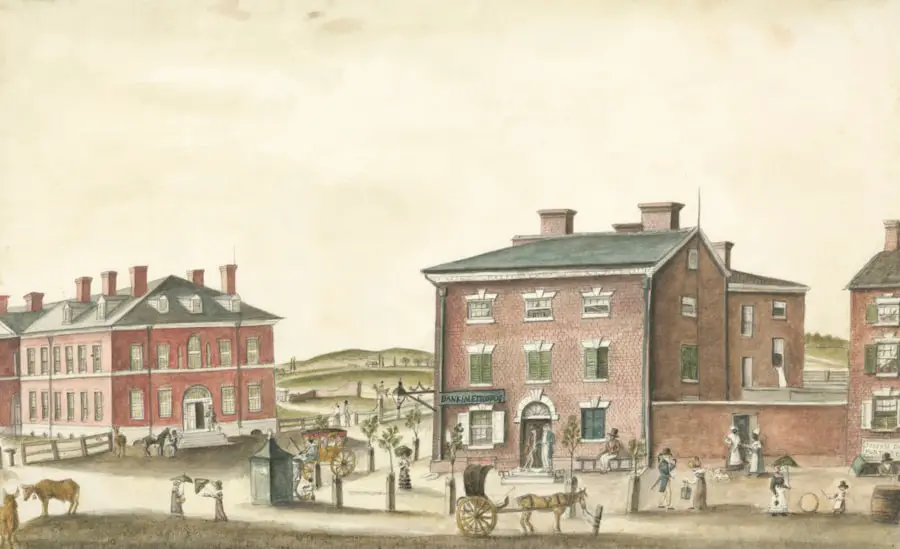
New Orleans has been shaped by African American, Creole, Caribbean, Native American, French, Spanish, Latino, Vietnamese, Irish, Italian, German, and other communities. Engaging respectfully with that history can make a solo visit more meaningful.
English is sufficient for routine visitor communication. Learning French or Spanish phrases is optional, but it is not expected and should not replace attentive, respectful behavior. Ask before photographing individual performers, artists, residents, ceremonies, or people participating in cultural traditions. Tip musicians and performers when appropriate rather than treating their work as a free backdrop.
When visiting St. Louis Cathedral, another church, a cemetery, a museum, or a memorial site, follow posted photography, access, clothing, and conduct rules. Do not climb on tombs, enter restricted areas, or interrupt a service or ceremony.
Polite conversation with residents can enrich the trip, but maintain personal boundaries. You are not required to disclose where you are staying, whether you are alone, or what you plan to do later.
Emergency Contacts and Resources
Save these numbers before the trip rather than waiting until an emergency occurs:
- Immediate police, fire, or medical emergency: 911
- NOPD non-emergency line and police reports: (504) 821-2222
- New Orleans city information and non-emergency services: 311 or (504) 539-3266
- RTA rider inquiries and safety concerns: (504) 248-3900
- New Orleans Family Justice Center 24/7 crisis line: (504) 866-9554
- Louisiana sexual-assault hotline: (888) 995-7273
- Louisiana sexual-assault text line: (225) 351-7233
- National Suicide and Crisis Lifeline: Call or text 988
The current NOPD emergency and non-emergency details are available on the New Orleans Police Department contact page. For drink safety, forensic-care information, and local sexual-assault resources, review the city’s NOLA Ready safety and first-aid guidance.
A person who has experienced sexual assault may seek medical care even when she is not ready to make a police report. Move to a safe place, contact 911 when there is immediate danger, and call a confidential crisis service for help understanding medical and reporting options.
Foreign visitors can also save the contact information for their country’s nearest embassy or consulate. Consular staff may assist with a lost passport, contacting family, or understanding local processes, but they do not replace 911, local medical services, or local police during an immediate emergency.
Making the Most of Solo Female Travel in New Orleans
Solo travel in New Orleans can offer independence, spontaneous live music, memorable food, museums, architecture, and opportunities to explore at your own pace. The goal is not to eliminate every possible risk, which is impossible, but to avoid preventable situations and keep several safe options available.
Build each day around a realistic return plan. Explore active areas during the day, move between distant neighborhoods with planned transportation, and use a verified ride when the nighttime route is uncertain. Keep enough awareness to identify your driver, protect your belongings, and change plans without depending on a stranger.
Packing light can also make it easier to keep your belongings controlled in airports, hotels, and transportation. A compact bag from a practical carry-on luggage guide, together with a charged phone and power bank, can reduce the number of items you must watch while moving through the city.
With secure lodging, sensible nightlife limits, current official information, and a clear emergency plan, a solo female traveler can experience New Orleans with greater confidence while still respecting the city’s complexity.
Frequently Asked Questions
Is New Orleans safe for solo female travel?
New Orleans can be suitable for a woman traveling alone when she plans routes carefully, stays in active areas, uses secure lodging, controls her alcohol intake, protects her valuables, and arranges reliable transportation after dark. No neighborhood or precaution can guarantee safety, so current local information still matters.
What are the most important safety tips for a solo woman in New Orleans?
Plan the complete route before leaving, avoid quiet and poorly lit streets at night, keep your phone and wallet secured, watch your drink, limit alcohol, verify every rideshare, share your plans with a trusted person, and leave immediately when someone ignores your boundaries.
Which areas of New Orleans should a solo female traveler avoid?
A permanent neighborhood list can become outdated and may be misleading. Avoid any route that is deserted, poorly lit, blocked, unfamiliar, or far from help, especially after dark. Ask hotel staff about the immediate area, check current official information, and use a ride when the final walking segment feels uncertain.
Is Bourbon Street safe for a woman visiting alone?
Bourbon Street is usually crowded and heavily visited, but crowds, intoxication, theft, scams, and unwanted attention can still create problems. Stay aware, keep your drink and belongings controlled, decline street approaches, avoid becoming heavily intoxicated, and arrange a verified ride back rather than walking through quiet side streets.
Are New Orleans streetcars and buses safe for solo travelers?
They can be practical for many daytime routes. Check the official RTA trip planner, service alerts, waiting area, crowd level, and final walking distance. When service is limited or the stop and return route would be isolated late at night, a licensed taxi or verified rideshare may be the better option.
What tourist scams should I watch for in New Orleans?
Common approaches include bets about where you “got your shoes,” unwanted shoe cleaning, unsolicited photographs or beads, and pressure to use an ATM. Do not stop to debate or pay. Keep walking toward a staffed location, and never hand an unlocked phone or payment card to a stranger.
What should I do if I feel unsafe or someone follows me?
Do not return directly to a private rental or reveal your room. Enter an open hotel, restaurant, shop, or venue and tell an employee what is happening. Call 911 for immediate danger, contact NOPD at (504) 821-2222 for a non-emergency police matter, and notify a trusted person.
What activities are suitable for a solo female traveler in New Orleans?
Popular options include museums, guided history or food tours, daytime French Quarter sightseeing, Garden District walks, river cruises, jazz performances, cooking classes, and established restaurants. Book through reputable operators, confirm the ending time and location, and plan transportation back before the activity begins.
Sources
- New Orleans & Company Visitor Safety — current visitor precautions, theft prevention, rideshare verification, drink safety, and street-scam guidance.
- New Orleans Police Department Contact Information — emergency, non-emergency, reporting, and city-service contact details.
- New Orleans Regional Transit Authority Rider Tools — official trip planning, routes, schedules, nearby stops, and rider information.
- NOLA Ready Emergency Alerts — severe-weather, public-safety, closure, and special-event alerts.
- NOLA Ready Safety and First Aid — drink safety, forensic-care information, crisis contacts, and sexual-assault support resources.
- Transportation Security Administration: What Can I Bring? — federal baggage rules for pepper spray and other self-defense sprays.
