

Last Updated on August 26, 2026 by Daniel Globe
Mexico City can be a rewarding destination for solo female travelers, but it is not a place to switch off your normal big-city precautions. Historic sites such as the Templo Mayor, Chapultepec, the National Museum of Anthropology, and the Frida Kahlo Museum sit alongside lively neighborhoods, restaurants, galleries, and nightlife. The best approach is to plan transportation, accommodation, late-night returns, and emergency contacts before you arrive.
Quick Answer
Mexico City can be suitable for solo female travelers who use normal big-city precautions. As of May 29, 2026, the U.S. State Department advises travelers to exercise increased caution in Mexico City. Use trusted transportation, protect valuables in crowded places, plan nighttime trips carefully, and keep official emergency numbers saved.
Key Takeaways
- Mexico City is under a U.S. State Department Level 2 advisory as of May 29, 2026: exercise increased caution.
- Petty theft is one of the most practical concerns, especially in crowded tourist areas and public transportation.
- Use trusted rideshare apps, hotel-arranged transportation, or authorized taxi stands rather than casually hailing an unknown taxi.
- The Metro provides exclusive cars or areas for women and children under 12; follow station signs and remain alert in crowded trains.
- Roma, Condesa, Polanco, and Coyoacán are popular with visitors, but no neighborhood should be treated as automatically safe at every hour.
- For an emergency call 911. For an emergency involving violence against women, Mexico City also operates SOS Mujeres at *765.
Is Mexico City Safe for Solo Female Travelers in 2026?
Mexico City is visited by solo travelers every day, but the answer is not a simple yes or no. The current U.S. State Department Mexico Travel Advisory, issued May 29, 2026, tells travelers to exercise increased caution in Mexico City because of crime and other security risks.
The advisory notes that both violent and non-violent crime can occur throughout the city and that petty crime occurs frequently in tourist and non-tourist areas. It also recommends extra caution at night outside popular tourist areas, where police presence may be lower.
The useful question is not whether every part of Mexico City is “safe,” but whether you can reduce your exposure to common risks through smart transportation, accommodation, and nighttime planning.
Safety Concerns for Solo Female Travelers
The risks most relevant to visitors include pickpocketing, bag or phone theft, robbery, scams, unwanted attention, and harassment. Risk can change considerably depending on the neighborhood, street, time of day, crowd level, and how you are traveling.
Protect Your Phone, Wallet, and Bag
Keep your phone and wallet in a secure place rather than a loose back pocket or an open handbag. In crowded Metro cars, markets, events, and tourist attractions, keep your bag closed and positioned where you can see or feel it.
Mexico City’s official visitor guidance also recommends limiting visible valuables and carrying only what you need for the day. When possible, leave backup bank cards and important documents secured at your accommodation.
Be More Careful After Dark
A busy restaurant district at 8 p.m. can feel very different from an unfamiliar side street several hours later. If you are returning late, decide how you will get back before you go out. A verified rideshare or arranged taxi is usually a better choice than wandering through unfamiliar streets looking for transport.
Warning: Do not assume that a popular neighborhood is risk-free. Stay alert at night, avoid isolated or poorly lit streets, and change your route or transportation plan if a situation feels uncomfortable.
Transportation Options and Safety Tips
Mexico City has an extensive public-transportation network, along with taxis and app-based rides. The safest choice depends on the time, your location, how much luggage you have, and how familiar you are with the route.
Using the Metro
The Mexico City Metro is inexpensive and useful for reaching many major areas. Crowded trains, however, require extra attention to bags and phones.
The Metro’s official safe-mobility guidance for women confirms that exclusive cars or areas are provided for women and children under 12. Follow signs and staff instructions at the station.
If a train is extremely crowded and you are uncomfortable, there is nothing wrong with waiting for another train or changing your transportation plan.
Rideshare Apps and Taxis
The U.S. State Department advises travelers in Mexico not to hail taxis casually on the street. It recommends trusted rideshare applications, hotel-booked taxis, or authorized taxi stands.
When using an app-based ride, compare the license plate, vehicle model, and driver information in the app before entering. Do not get into a vehicle simply because the driver calls your name or says they are your ride.
Mexico City’s official taxi guidance also provides information about the App CDMX and its “Mi Taxi” service for checking registered city taxis. Official Mexico City street taxis are normally white and pink, but color alone should not replace verification.
Pro Tip: Before your car moves, confirm that the plate and vehicle match the booking and share the trip status with someone you trust when the app provides that option.
Arriving at the Airport
At Mexico City International Airport, use clearly authorized transportation rather than accepting unsolicited ride offers in the arrivals area. Official airport taxis are sold through authorized counters, and app-based services may require a designated pickup point outside the immediate terminal doors.
Accommodation Options and Safety Considerations
| Accommodation Options | Safety Considerations |
|---|---|
| Hotels | Look for a staffed reception desk, secure room access, safe luggage storage, and a well-reviewed location. |
| Apartments | Check building access, door locks, recent reviews, host responsiveness, and how you will enter the property after dark. |
| Hostels | Check for lockers, staffed reception, controlled entry, and female-only dorms if that would make you more comfortable. |
Roma, Condesa, Polanco, and parts of the central visitor districts offer a large selection of hotels, hostels, restaurants, and transportation. Instead of choosing accommodation solely by neighborhood name, inspect the exact property and surrounding blocks.
Read recent reviews from solo travelers, check how far the property is from transportation, and consider how you will arrive if your flight or bus reaches the city late. A highly rated property on a busy street may work better for you than a cheaper option several blocks into an area that becomes quiet at night.
After checking in, locate emergency exits, test your door lock, and keep valuables secured. Do not announce your room number loudly in public areas.
Products Worth Considering

Enhanced Security And Privacy for Travelers: Our innovative hotel door lock provides an additional layer of security and privacy during your travels. Utilizing cutting-edge technology, it thwarts unauthorized entry, rendering the door impervious to external attempts, even with a key. This feature is particularly invaluable for business trips or when traveling alone.

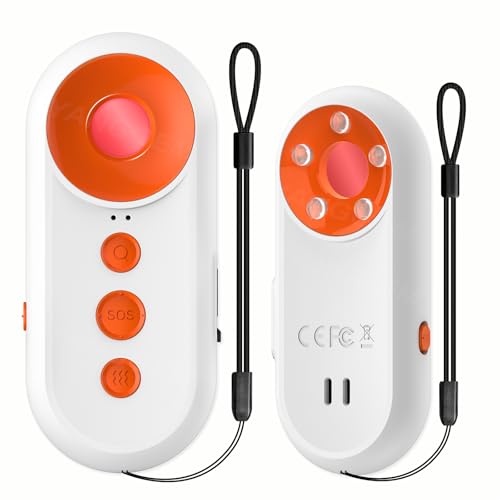
🔍 Function 1. Hidden Camera Detector – 3 LED Modes. Detect hidden cameras in hotels, offices, cars, bathrooms, or changing rooms. Press the first button to switch between 3 LED modes (constant bright, slow flashing, rapid flashing) to scan and find pinhole cameras. Works on wired, wireless, or powered-off cameras. Let the small camera finder protect your personal privacy, an ultimate safeguard against spying for travelers.
Cultural Norms and Safety Advice
Mexico City is a large, cosmopolitan capital, so visitors will see a wide range of clothing, lifestyles, and social customs. Dress for the weather and the activity rather than relying on rules about what women supposedly “should” wear.
Some religious or ceremonial locations may have their own expectations, so follow posted guidance when visiting them. Respectful greetings and basic Spanish phrases can make everyday interactions easier, but you are never required to accept physical contact that makes you uncomfortable.
Confidence and situational awareness are more useful safety tools than trying to blend in perfectly. If someone is bothering you, you can move into a busy shop, hotel lobby, restaurant, staffed Metro area, or other populated place and ask for help.
Recommended Areas for Solo Female Travelers
There is no official list of neighborhoods that guarantees safety for solo female travelers. Still, several districts are especially popular with visitors because they combine attractions, restaurants, hotels, and transportation.
Products Worth Considering
Roma and Condesa
Roma and Condesa are popular for cafes, restaurants, parks, nightlife, and walkable streets. Their popularity does not eliminate theft or other risks, especially around nightlife and late at night, so plan your return transportation before going out.
Polanco
Polanco has hotels, restaurants, shopping, museums, and convenient access to Chapultepec. It can be a practical base for travelers who want established visitor infrastructure, but the same normal precautions still apply.
Coyoacán
Coyoacán attracts visitors for its plazas, markets, artistic history, and the Frida Kahlo Museum. It is especially popular for daytime sightseeing. If you stay late, check the transportation route back rather than assuming every surrounding street will remain busy.
Note: Crime patterns can change and conditions vary within the same neighborhood. Recent accommodation reviews, current government guidance, hotel staff, and trusted local contacts are more useful than an old internet list labeling entire districts “safe” or “unsafe.”
Emergency Contacts and Resources for Solo Female Travelers
Save essential numbers before you leave your accommodation. You may not want to search for them during an emergency.
- 911: Mexico’s national emergency number for police, fire, or urgent medical assistance.
- *765 SOS Mujeres: Mexico City emergency support for women experiencing or at risk of gender-based violence.
- LOCATEL: Dial *0311 in Mexico City or 55 5658 1111 for non-emergency information and assistance.
- Mexico City Tourist Assistance: 55 5286 7097 or 55 5286 9077, extensions 2104 or 2309. The city lists weekday service from 9 a.m. to 6 p.m.
- Tourist Police / Centro de Atención al Turista: +52 55 4891 1166.
Mexico City’s official emergency information confirms 911 and provides tourist-assistance information. The city’s women’s-services network also operates SOS Mujeres at *765.
Save the contact details for your own embassy or consulate as well. If your passport is lost or stolen, your country’s consular service can explain the process for obtaining emergency travel documents.
If Your Phone, Wallet, or Passport Is Stolen
- Move to a safe, staffed location before dealing with the loss.
- Call 911 if you were threatened, assaulted, or are in immediate danger.
- Lock or cancel affected bank cards as soon as possible.
- Use your device provider’s lost-phone tools to lock the phone if available.
- Contact your embassy or consulate if your passport was taken.
- Do not chase or physically confront a suspected thief.
Practical Safety Checklist for Traveling Alone
- Keep your phone charged and maintain mobile data or another reliable way to navigate.
- Download important addresses and maps before leaving Wi-Fi.
- Keep accommodation details saved separately from your phone.
- Split cash and payment cards instead of carrying everything in one wallet.
- Use ATMs in established, populated locations and avoid displaying large amounts of cash.
- Secure bags in crowded Metro cars, markets, attractions, and nightlife areas.
- Verify rideshare plates and vehicle details every time.
- Plan your return before going out at night.
- Do not leave drinks unattended, and keep enough control of your surroundings to make transportation decisions.
- Tell someone you trust where you are going when heading somewhere unfamiliar.
Conclusion and Final Tips for Solo Female Travelers Visiting Mexico City
Solo female travel in Mexico City can be enjoyable when it is approached with informed caution rather than fear or false reassurance. The city offers world-class museums, food, architecture, parks, markets, and neighborhoods worth exploring, but normal big-city risks remain.
Use verified transportation, secure your valuables, be especially thoughtful about unfamiliar areas after dark, and keep 911 and *765 saved on your phone. Most importantly, give yourself permission to change plans when a street, ride, person, or situation does not feel right. Good preparation gives you more freedom to focus on the city rather than constantly worrying about logistics.
If outside noise makes sleeping in unfamiliar accommodation difficult, a portable white noise machine for travel can be a useful comfort item. It is not a security device, but better rest can make long sightseeing days easier.
Frequently Asked Questions
Is Mexico City safe for solo female travelers?
Mexico City can be visited by solo female travelers who use appropriate big-city precautions. As of May 29, 2026, the U.S. State Department rates Mexico City Level 2, meaning travelers should exercise increased caution. Protect valuables, use trusted transportation, and take extra care at night.
What safety tips should solo female travelers follow in Mexico City?
Keep bags and phones secure, avoid isolated streets at night, verify rideshare vehicles before entering, limit visible valuables, plan your return transportation in advance, and keep emergency contacts saved. In crowded public transportation, remain especially alert to pickpocketing.
Are there areas of Mexico City that solo female travelers should avoid?
Avoid relying on a permanent internet list that labels entire boroughs safe or unsafe. Conditions can vary by block and change over time. Current official guidance recommends extra caution at night outside popular tourist areas. Ask your accommodation about the exact route you plan to take and avoid unfamiliar, isolated streets.
What are some safe activities for solo female travelers in Mexico City?
Popular daytime options include major museums, Chapultepec, Coyoacán’s main visitor areas, historic attractions, food tours, and guided cultural tours. No activity is completely risk-free, so keep valuables secure and plan transportation to and from the activity.
Are there specific cultural norms solo female travelers should know?
Mexico City is cosmopolitan, and visitors will see many styles of dress and social behavior. Be polite, follow any posted rules at religious or ceremonial sites, and remember that you do not need to accept physical contact or conversation that makes you uncomfortable.
Is the Mexico City Metro safe for solo female travelers?
The Metro is widely used and can be a practical way to travel, but crowded trains increase the risk of theft. Keep valuables secure and use the clearly marked exclusive cars or areas available for women and children under 12 when appropriate.
What number should a woman call in an emergency in Mexico City?
Call 911 for immediate police, medical, or fire emergencies. Mexico City also operates SOS Mujeres at *765 for emergencies involving violence against women. LOCATEL provides non-emergency information and assistance through *0311 or 55 5658 1111.
Sources
- U.S. Department of State — Mexico Travel Advisory — current Mexico City advisory level, crime precautions, and taxi guidance.
- Mexico City Government — Emergency Information — 911, LOCATEL, and tourist-assistance contacts.
- Sistema de Transporte Colectivo Metro — Safe Mobility for Women — official guidance on exclusive Metro cars and areas for women and children under 12.
- Mexico City Government — Taxis and Taxi Apps — official-taxi identification and Mi Taxi guidance.
- Secretaría de las Mujeres de la Ciudad de México — SOS Mujeres *765 — official women’s emergency-support resource.
