

Last Updated on July 27, 2026 by Daniel Globe
The U.S. Virgin Islands combine Caribbean beaches, protected reefs, historic towns, and a culture shaped by Indigenous, African, European, and wider Caribbean influences. St. Thomas, St. John, and St. Croix welcome many air and cruise visitors, but a safe trip still requires realistic planning for crime, road conditions, tropical weather, ocean hazards, heat, and medical needs.
Quick Answer
The U.S. Virgin Islands are generally suitable for prepared travelers, but they are not risk-free. Most visits are trouble-free when travelers secure valuables, avoid isolated places after dark, drive carefully on the left, follow beach warnings, prevent mosquito bites, monitor storm alerts, and arrange suitable medical insurance.
Key Takeaways
- Crime occurs in the territory, so do not leave valuables unattended in rental cars, on beaches, or in unlocked rooms.
- Vehicles drive on the left, while many roads are narrow, steep, winding, or poorly lit.
- Rip currents, rough surf, boat traffic, coral, sea urchins, and other marine hazards deserve as much attention as crime.
- Atlantic hurricane season runs from June 1 through November 30, with most activity usually occurring from mid-August through mid-October.
- Dengue is a continuing mosquito-borne risk, so repellent and screened or air-conditioned lodging are important.
- Call 911 for an emergency and monitor VIPD, VITEMA, CDC, and National Hurricane Center updates before and during the trip.
Disclosure: As an Amazon Associate I earn from qualifying purchases. Some links on this page are affiliate links, at no extra cost to you.
Is the U.S. Virgin Islands Safe to Visit in 2026?
For most visitors, the answer is yes with normal travel precautions and extra attention to roads, beaches, weather, and personal security. The islands are active tourism destinations with hotels, restaurants, taxis, ferries, hospitals, police services, and emergency-management systems.
However, “safe” does not mean crime-free or hazard-free. Conditions vary by island, neighborhood, time of day, weather, and activity. A busy shopping area during daylight presents a different risk from an isolated beach parking lot at night, and a calm swimming area can become dangerous when surf or wind conditions change.
As reviewed on July 27, 2026, the CDC traveler page for the U.S. Virgin Islands lists Level 1, “Practice Usual Precautions.” Because the USVI is a U.S. territory, it is not handled like a foreign country with a separate U.S. State Department country-level advisory. Visitors should instead check current health guidance, police alerts, emergency notifications, airline notices, hotel updates, and tropical-weather forecasts.
Note: Safety information can change quickly after a serious crime, storm, flood, power interruption, public-health notice, or transportation disruption. Official instructions issued during your trip should take priority over general travel advice.
Crime and Personal Security
Violent crime and property crime occur in the U.S. Virgin Islands. Official crime figures may be released after a delay and often do not separate crimes involving residents from incidents involving tourists. For that reason, a single territory-wide “crime rate” cannot tell an individual traveler exactly how safe a hotel, beach, street, or activity will be.
Do not assume that a resort district or popular attraction is completely free from theft or other crime. The Virgin Islands Police Department publishes current police notices, public-safety information, and emergency numbers. The FBI’s Crime Data Explorer can also be used to review reported crime data when territory submissions are available.
Practical Ways to Reduce Crime Risk
- Use the hotel safe or another secure location for passports, extra cash, jewelry, and backup bank cards.
- Carry only the money, identification, and payment cards needed for the day.
- Do not leave phones, bags, cameras, wallets, or shopping items visible in a parked vehicle.
- Take valuables with you when leaving a rental car at a beach, trailhead, lookout, or historic site.
- Avoid isolated streets, beaches, parking areas, and trails after dark.
- Use well-lit routes and arrange your return transportation before going out at night.
- Keep drinks in sight and avoid accepting open drinks from strangers.
- Do not resist if confronted during a robbery. Move to safety and contact police as soon as possible.
- Ask hotel staff, a licensed guide, or local authorities about current conditions rather than relying on old online comments.
Warning: Never leave valuables unattended on a beach or inside a vehicle, even for a short swim or photo stop. The National Park Service specifically warns that valuables have been stolen from vehicles on St. John.
Safety Considerations by Island
No official evidence supports declaring one main island universally “safe” and another universally “unsafe.” Each island has different traffic patterns, settlement density, activities, and emergency-service access.
St. Thomas
St. Thomas has the territory’s busiest airport, major cruise facilities, dense shopping and nightlife areas, and heavier traffic than visitors may expect. Watch belongings in crowded places, confirm taxi arrangements, and use extra care when walking near traffic. Driving can be challenging because vehicles travel on the left while many rental cars have left-side steering.
St. John
Much of St. John is protected as Virgin Islands National Park. Common concerns include narrow roads, steep hills, limited parking, valuables left at beaches or trailheads, rough surf, poisonous plants, marine injuries, heat, and limited mobile-phone service on some trails. Carry water, tell someone your route, and follow all park flags and closures.
St. Croix
St. Croix is larger and more spread out, so visitors often depend on a rental car or prearranged transportation. Allow extra time between destinations and avoid unfamiliar, poorly lit roads late at night. Secure belongings at beaches, historic sites, restaurants, and parking areas just as you would elsewhere in the territory.
Road and Transportation Safety
Traffic moves on the left side of the road throughout the U.S. Virgin Islands. This can be confusing because many vehicles have steering wheels on the left, similar to vehicles on the U.S. mainland.
- Pause and look right first when crossing a road.
- Practice in a quiet area before entering busy traffic in a rental car.
- Expect steep grades, sharp turns, potholes, narrow shoulders, and limited street lighting.
- Wear a seatbelt and confirm that every passenger has a working restraint.
- Do not use a phone while driving.
- Never drive after drinking alcohol or ride with an impaired driver.
- Avoid unnecessary night driving on unfamiliar roads.
- Check the rental company’s insurance, roadside-assistance, and accident-reporting procedures.
- Use a licensed taxi, hotel transfer, ferry, or other confirmed operator when you do not feel comfortable driving.
Public buses and shared transportation may be useful on some routes, but schedules, coverage, and convenience can vary. The issue is not that public transportation is automatically unsafe. The better question is whether the service is operating, serves your route, and provides a reliable return option.
Pro Tip: Save your hotel address, taxi number, ferry schedule, and a map that works offline. Mobile data can be weak in hilly or remote areas.
Products Worth Considering

3 IN 1 Phone Holders for Your Car: Cell phone GPS navigation holder car is equipped with a suction cup and vent clip, which can be freely mounted on the windshield, dashboard, and air vent for feeding your different usage needs. Cell phone Camera Mounts holder is applied to most cars, pickup trucks, SUVs, taxis. A perfect assistant for Uber, Lyft drivers.

Versatile Car Phone Mount: Cell phone car mount boasts premium suction strength and an upgraded air vent clip, allowing for flexible installation options on windshields, dashboards, and air vents. Note!3M Dashboard Pad is NOT REQUIRED when using a phone holder on windshield

✅【Designed for Magsafe】 - The most fashionable iphone car mount in 2026 Magsafe is designed for iPhone 18 Pro Max/17/16/15/14/13/12 Pro Max Mini and official Magsafe cases and other magnetic phone cases and can be fixed directly to these phones without the need to affix metal plates. All Android Phones Will Work: Metal rings are provided; they fit cases and other phones without magsafe. Based on Unique Grandmaster Design (Protected by US Design Patent No. US D1,112,194 S)
Beach, Swimming, Snorkeling, and Boating Safety
Beautiful water is one of the main reasons people visit the USVI, but ocean hazards can change quickly. A beach that looked calm in the morning may have stronger waves, currents, wind, or boat traffic later in the day.
- Follow lifeguard instructions, posted signs, surf flags, and National Park Service warnings.
- Do not enter the water during red-flag conditions.
- Do not swim alone in an unfamiliar or unguarded area.
- Stay within your swimming ability and avoid combining alcohol with swimming or boating.
- Wear a properly fitted life jacket on boats and during activities that require one.
- Keep away from marked boating lanes and remain alert for approaching vessels.
- Do not touch coral, sea urchins, lionfish, jellyfish, fire coral, or other marine life.
- Stand only on sand when resting while snorkeling. Never stand on coral.
- Ask a local operator about current water conditions before kayaking, diving, snorkeling, or sailing.
If caught in a rip current, do not exhaust yourself by swimming directly against it. Float or tread water, signal for help, and swim parallel to the shore until you are outside the strongest current. Then return toward land at an angle.
The Virgin Islands National Park safety guide provides current advice on surf flags, marine life, trails, poisonous plants, valuables, and road hazards.
In the U.S. Virgin Islands, road and water safety can be just as important as crime prevention.
Products Worth Considering

COMFORT AND STYLE: Proudly designed in the USA for recreational activities, our snorkel vests are constructed from durable premium materials and rigorously regulated production processes to ensure the highest quality of our products. With our snorkeling vest device, you can achieve perfect buoyancy and look great at the same time. This snorkel float is ideal for any leisure water activity, including snorkeling, swimming, paddle boarding, sea kayaking, and other low-impact water sports
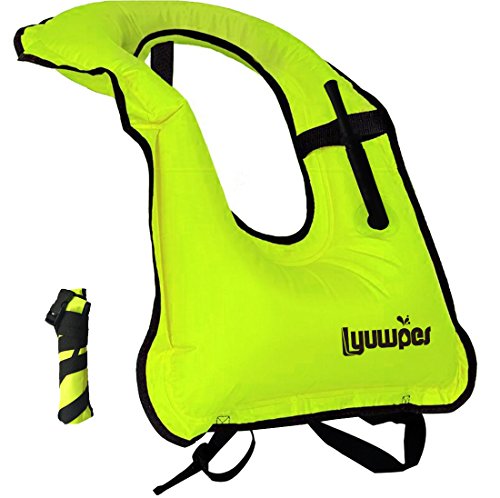
Lyuwpes Snorkeling Vest: small footprint, large buoyancy (from 80 to 220 lbs) while snorkeling; fluorescence colors provide excellent visibility, great for learners & swimmers (Unfriendly to Non-swimmers)

🏊【PERFECT FIT GUARANTEE】Jurmickey is good at learning product experience from our customers, and we are constantly optimizing the product design of our snorkel vest adult, striving to make our products perfectly fit the human body structure. Give your shoulders and arms enough free space while guaranteeing a maximum of 220 pounds of buoyancy - absolutely comfortable.
Health Risks and Mosquito Protection
Heat, intense sun, dehydration, insect bites, minor cuts, and stomach illness are common travel concerns. The CDC also identifies the U.S. Virgin Islands as an area with frequent or continuous dengue risk. Dengue is spread by infected mosquitoes and cannot be prevented by an ordinary travel medicine taken before the trip.
Products Worth Considering

Naturally-Scented with Real Essential Oils (Not a Synthetic Fragrance) - Mimikai's bug spray uses a blend of natural essential oils, clove, allspice, star anise, and frankincense, for a warm, aromatic scent that's noticeably different from typical bug sprays. Formulated with high ingredient standards, including those required for EPA registration and clean beauty retailers like Credo. Infused with moisturizing oils to help skin feel nourished, not stripped. Bugs hate it. Your skin will thank you.
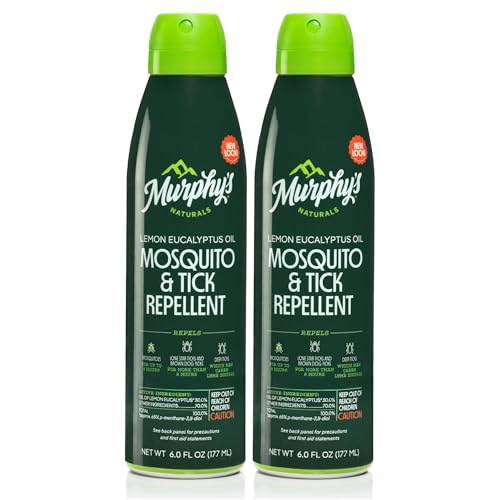
LONG-LASTING PROTECTION - Our powerful spray repels mosquitoes for up to six hours, deer ticks for up to four hours, and lone star and brown dog ticks for over eight hours

REPELS MOSQUITOES: DEET-free formula repels mosquitoes, including those that may carry West Nile virus.
How to Lower Your Health Risk
- Use an EPA-registered insect repellent containing DEET, picaridin, IR3535, oil of lemon eucalyptus, PMD, or another approved active ingredient.
- Follow the label carefully, especially when applying repellent to children.
- Choose lodging with air conditioning, intact window screens, or suitable mosquito protection.
- Wear loose, lightweight clothing and cover more skin when mosquitoes are active.
- Stay hydrated and reduce hard activity during the hottest part of the day.
- Use broad-spectrum sunscreen and reapply it after swimming or heavy sweating.
- Bring enough prescription medication for the trip plus extra for possible delays.
- Carry medications in labeled containers and keep essential medicine in hand luggage.
- Review routine vaccines and destination-specific CDC recommendations with a healthcare professional before departure.
- Avoid floodwater and contaminated standing water after heavy rain or storms.
Seek medical help for severe dehydration, breathing difficulty, chest pain, confusion, fainting, uncontrolled bleeding, a serious allergic reaction, a deep marine-life injury, or a high fever with severe pain or other concerning symptoms.
Healthcare and Medical Insurance
The territory has hospitals and community health facilities, but the type of specialist, procedure, imaging, medication, or intensive treatment available can vary by island and by the patient’s condition.
St. Thomas and St. John
Roy Lester Schneider Hospital on St. Thomas provides 24-hour emergency care, inpatient and outpatient services, surgery, imaging, intensive care, and several specialties. Its main telephone number is (340) 776-8311.
Myrah Keating Smith Community Health Center serves St. John. Its main telephone number is (340) 693-8900.
St. Croix
Governor Juan F. Luis Hospital and Medical Center provides emergency care and other medical services on St. Croix. Its main telephone number is (340) 778-6311.
Depending on the injury, illness, required specialist, and available capacity, a patient may need transfer to another island, Puerto Rico, or the U.S. mainland. This does not mean every serious medical problem requires evacuation, but travelers should plan for the possibility.
- Check whether your regular health plan covers care in the USVI.
- Ask how out-of-network emergency care and ambulance services are handled.
- Consider travel medical coverage if your existing plan is limited.
- Consider medical-evacuation coverage, especially for remote activities, serious health conditions, or trips during hurricane season.
- Read exclusions for pre-existing conditions, alcohol-related incidents, diving, boating, hiking, and named storms.
Hurricane Season and Severe Weather
The Atlantic hurricane season runs from June 1 through November 30. Tropical systems can occur outside those dates, but historical activity is highest from mid-August through mid-October, with a statistical peak around September 10.
NOAA’s outlook published on May 21, 2026, predicted a below-normal 2026 Atlantic season, including 8 to 14 named storms, 3 to 6 hurricanes, and 1 to 3 major hurricanes. A seasonal outlook does not predict where or when a storm will make landfall. One storm can still cause severe disruption during an otherwise quiet season.
Monitor the National Hurricane Center and the Virgin Islands Territorial Emergency Management Agency. Travelers can also register for Alert VI through VITEMA to receive official calls, texts, or emails.
Before Booking a Hurricane-Season Trip
- Choose flights, hotels, and tours with clear cancellation or rebooking terms.
- Check whether travel insurance covers hurricanes and when coverage must be purchased.
- Do not assume a policy covers a storm after it has already been named.
- Keep medicine, identification, chargers, and basic necessities in hand luggage.
- Know whether your lodging has backup power, water storage, and an emergency plan.
- Leave the islands early if officials or your airline advise departure before conditions worsen.
During a Watch or Warning
- Follow VITEMA and property-management instructions.
- Charge phones and power banks while electricity is available.
- Fill necessary prescriptions and obtain water and food before demand rises.
- Stay away from beaches, floodwater, steep roadside slopes, and storm drains.
- Do not travel for sightseeing during dangerous weather.
- Never cross a flooded road on foot or in a vehicle.
Travel Documents and Entry Requirements
U.S. citizens traveling directly from the U.S. mainland or Puerto Rico do not need a passport to enter the U.S. Virgin Islands. However, a passport remains useful as proof of identity and citizenship.
Adults flying within the United States must present a REAL ID-compliant license or another form of identification accepted by TSA. Review the current USVI identification guidance and TSA requirements before departure.
Non-U.S. citizens must meet the same immigration and documentation requirements that apply when entering the United States from a foreign destination. Travelers taking a side trip to the British Virgin Islands or another foreign destination generally need a valid passport and may need additional documentation.
Staying Informed and Planning Ahead
Save important information before leaving home rather than trying to find it during an emergency.
- Download offline maps for the island you will visit.
- Save your hotel, rental-car company, taxi, ferry, airline, and insurance contacts.
- Share your itinerary and lodging details with someone you trust.
- Check VIPD news for recent public-safety notices.
- Check VITEMA and the National Hurricane Center for weather alerts.
- Check CDC guidance for current health notices.
- Ask the hotel whether any roads, beaches, neighborhoods, or services are currently affected.
- Keep a backup payment method separate from your main wallet.
Cultural Awareness and Local Customs
The U.S. Virgin Islands have a distinct culture shaped by African, European, Indigenous, Caribbean, and American influences. Respectful interaction improves the travel experience and can make it easier to receive useful local advice.
- Offer a polite greeting before asking a question or requesting assistance.
- Wear suitable clothing away from the beach and when visiting churches, government offices, or community events.
- Ask permission before photographing individuals, ceremonies, or private property.
- Follow local rules at historic sites, beaches, reefs, and national park areas.
- Do not touch, stand on, collect, or damage coral.
- Use reef-conscious sunscreen that does not contain oxybenzone, octinoxate, or octocrylene.
- Do not trespass on private land or enter closed roads, ruins, trails, or beaches.
Emergency Contacts
| Police, Fire, or Medical Emergency | 911 |
| Text-to-911 | Text 911 only when a voice call is not possible or could place you in danger. Include your location and type of emergency first. |
| VIPD St. Thomas and St. John Dispatch | (340) 776-9110 |
| VIPD St. Croix Dispatch | (340) 772-9111 |
| VITEMA St. Thomas | (340) 774-2244 |
| VITEMA St. Croix | (340) 773-2244 |
| VITEMA St. John | (340) 776-2244 |
| Roy Lester Schneider Hospital | (340) 776-8311 |
| Juan F. Luis Hospital | (340) 778-6311 |
U.S. citizens do not need a U.S. embassy or consulate while in the USVI because they remain within a U.S. territory. Foreign nationals should save the emergency contact for their own government’s embassy or consulate in the United States or the nearest consular post responsible for the territory.
Useful Travel Gear Guides
Good organization can make airport, ferry, hotel, and island transfers easier, although no travel product can replace situational awareness. Before packing, review these guides to a carry-on suitcase with a USB charger, packing cubes for organized travel, and travel pants with hidden pockets. Hidden storage may reduce casual loss or exposure, but valuables should still be secured properly.
Traveling to the U.S. Virgin Islands can be a rewarding experience filled with beaches, historic sites, national park landscapes, food, music, and warm community interactions. Visitors who monitor official alerts, respect changing ocean and weather conditions, protect their belongings, drive carefully, and prepare for health or medical needs can reduce many of the most common risks.
Frequently Asked Questions
What safety precautions should I take in the U.S. Virgin Islands?
Secure valuables, avoid isolated places after dark, use confirmed transportation, drive carefully on the left, follow surf warnings, prevent mosquito bites, monitor official weather alerts, and tell someone where you are going before hiking or boating.
What health concerns should travelers know about?
Common concerns include sunburn, dehydration, heat illness, mosquito bites, dengue, minor marine injuries, and cuts that may become infected. Use repellent and sunscreen, drink water regularly, avoid touching marine life, carry necessary medication, and review CDC guidance before departure.
What is the current crime rate in the U.S. Virgin Islands?
Crime statistics can lag and may not separate visitor incidents from crimes involving residents. Review current VIPD notices and available FBI data, but do not use one territory-wide rate as a guarantee that a particular hotel, beach, road, or neighborhood is safe.
Are there current travel advisories for the U.S. Virgin Islands?
The USVI is a U.S. territory rather than a foreign country with its own U.S. State Department country advisory. As reviewed on July 27, 2026, the CDC traveler page lists Level 1, “Practice Usual Precautions.” Check CDC, VIPD, VITEMA, NHC, airline, ferry, and hotel updates before traveling.
What emergency number should I call?
Call 911 for police, fire, or medical emergencies. Text-to-911 is also available when calling is impossible or could place you in danger. Start the text with your location and the type of help needed.
Do U.S. citizens need a passport?
U.S. citizens traveling directly from the mainland or Puerto Rico do not need a passport to enter the USVI. Adult airline passengers still need a REAL ID-compliant license or another TSA-accepted ID. A passport is needed for many international side trips, including travel to the British Virgin Islands.
Is it safe to visit during hurricane season?
A hurricane-season visit can be completed safely, but disruption risk is higher from June through November, especially from mid-August through mid-October. Choose flexible bookings, understand insurance exclusions, register for alerts, and follow evacuation or shelter instructions immediately.
Is the U.S. Virgin Islands safe for solo travelers?
Solo travelers can visit successfully with added planning. Stay in established lodging, share plans with someone, avoid isolated areas at night, arrange return transportation in advance, limit alcohol, keep valuables secure, and avoid swimming or hiking alone in unfamiliar areas.
Sources
- CDC U.S. Virgin Islands Traveler View — health notices, vaccines, mosquito protection, heat, water, transportation, and medical planning.
- NOAA 2026 Atlantic Hurricane Season Outlook — seasonal forecast, storm ranges, and limits of landfall predictions.
- Virgin Islands Territorial Emergency Management Agency — official emergency alerts, hurricane preparation, and territory contact information.
- Virgin Islands Police Department — current police notices, district dispatch numbers, and public-safety updates.
- Virgin Islands National Park Safety Guide — road, trail, surf, marine-life, reef, and property-theft precautions.
- U.S. Virgin Islands Department of Tourism Travel Tips — identification, driving, transportation, customs, and visitor-planning information.
