
Last Updated on July 27, 2026 by Daniel Globe
Hiking to Everest Base Camp is a demanding high-altitude trek, but it is not the same as making a technical climb to the summit of Mount Everest. The standard trek follows established trails and passes through villages and teahouse settlements. Even so, trekkers reach roughly 5,400 meters (17,700 feet), where altitude illness, sudden weather, cold, falls, rockfall, and delayed medical evacuation can become serious risks.
Quick Answer
Yes, hiking to Everest Base Camp carries real risks, especially altitude sickness, extreme weather, cold exposure, falls, and delayed rescue. Most risks can be reduced with a gradual itinerary, acclimatization days, an experienced licensed guide, suitable insurance and gear, and a willingness to stop ascending or descend when symptoms appear.
Key Takeaways
- Altitude sickness is one of the most important health risks because Everest Base Camp is approximately 5,400 meters (17,700 feet) above sea level.
- Being young, fit, or experienced does not make you immune to acute mountain sickness.
- Once above about 3,000 meters, current high-altitude guidance recommends limiting increases in sleeping elevation to roughly 500 meters (1,600–1,650 feet) per day and adding acclimatization nights.
- Confusion, loss of coordination, or breathlessness at rest are emergency warning signs that can indicate severe altitude illness.
- Weather, cold, falls, rockfall, landslides, and occasionally avalanche conditions can make otherwise familiar sections of trail dangerous.
- Medical evacuation can be difficult and expensive, so appropriate high-altitude trekking and helicopter-evacuation insurance is an important part of preparation.
At a Glance
| Time Required | The Nepal Tourism Board describes the Lukla-to-Everest Base Camp journey as roughly a two-week trek. Safer itineraries may include additional acclimatization and weather-buffer days. |
| Difficulty | Strenuous high-altitude trekking. The standard route does not require technical Everest climbing, but altitude, long walking days, steep trail sections, and cold increase the challenge. |
| Tools Needed | Layered clothing, waterproof outerwear, broken-in trekking footwear, sun protection, trekking poles, first-aid supplies, water treatment and an appropriate backup communication method. |
| Cost | Varies widely by itinerary, operator and season. Budget separately for transport, guide services, permits, accommodation, meals, insurance and emergency evacuation coverage. |
Medical Note: This guide provides general travel-safety information and is not a substitute for personal medical advice. Anyone with heart, lung, neurologic, blood, sleep-related or other significant medical conditions should discuss high-altitude travel with a qualified clinician before the trek.
Disclosure: As an Amazon Associate I earn from qualifying purchases. Some links on this page are affiliate links, at no extra cost to you.
How to Reduce the Risk Before You Go
Good preparation begins before reaching Lukla. A physically demanding trek is easier when you train for long walking days, climbs and descents, but fitness does not protect you from altitude sickness. The CDC Yellow Book notes that physical fitness does not determine susceptibility to altitude illness.
Choose an Acclimatization-Friendly Itinerary
The Nepal Tourism Board recommends spending time around Namche Bazaar to acclimatize rather than rushing higher. Above approximately 3,000 meters (9,800 feet), current CDC and Wilderness Medical Society guidance recommends increasing sleeping elevation by no more than about 500 meters (1,600–1,650 feet) per day and adding an extra acclimatization night for each additional 1,000 meters (3,300 feet) of sleeping-elevation gain.
These numbers are general guidelines, not a guarantee that every trekker will remain symptom-free. Some people need a slower schedule.
Pro Tip: Build spare days into the itinerary. They give you room for acclimatization, illness, trail changes and weather-related flight delays without creating pressure to keep climbing when your body is telling you to stop.
Check Current Guide and Permit Requirements
The Nepal Tourism Board’s current TIMS guidance lists the Everest Base Camp Trek among routes covered by licensed-guide and agency-issued TIMS requirements for foreign trekkers. Sagarmatha National Park also requires an entry permit, with checks along the route.
Rules and administrative procedures can change, so a registered trekking operator should arrange or confirm the documents required for the dates of your trip.
Buy Insurance That Covers High-Altitude Evacuation
Ordinary travel insurance may exclude high-altitude trekking or helicopter rescue. The U.S. Department of State’s Nepal guidance strongly recommends medical-evacuation coverage and notes that serious injuries or illnesses in remote trekking areas may require helicopter evacuation to Kathmandu.
Check the policy’s maximum covered altitude, trekking exclusions, helicopter-rescue provisions, preauthorization requirements and emergency contact procedure before leaving home.
Extreme Weather Conditions
Weather can change rapidly in the Everest region. Trekkers can encounter snow, strong wind, heavy rain, cloud, intense sun and sudden drops in temperature. Poor visibility can make route finding harder, while rain and snow can make stone steps, bridges and exposed trail sections slippery.
Extreme cold increases the risk of frostbite and hypothermia. Strong sun and increased ultraviolet exposure at altitude can cause sunburn and eye injury. Mountain weather can also delay flights to or from Lukla and slow rescue operations.
Carry a waterproof shell, insulating layers, gloves, a warm hat and suitable footwear even when the morning forecast looks favorable. Use high-SPF sunscreen, lip protection and UV-blocking sunglasses.
Warning: A schedule is never more important than safe conditions. If your guide or local authorities advise stopping because of snow, wind, poor visibility, landslide danger or another hazard, change the itinerary rather than trying to “make up” lost time.
Treacherous Terrain
The Everest Base Camp trail includes steep climbs and descents, stone steps, rocky paths, suspension bridges and uneven ground. Snow, ice, mud or loose rock can make familiar terrain much more difficult.
Falls are especially likely when fatigue sets in late in the day. Trekking poles can improve balance, particularly during descents, while well-fitting footwear with reliable traction reduces slipping. Keep enough distance from the person ahead that a stumble or dislodged stone does not immediately affect you.
Slow down before exposed sections and watch where you place each foot. Do not assume that following another trekker means the ground is stable.
Avalanches and Rockfalls
| Hazard | What Raises the Risk | Safer Response |
| Avalanche | Recent or heavy snowfall, wind-loaded slopes, warming and unstable snow conditions. | Follow current local advice and do not enter suspect terrain simply to maintain the itinerary. |
| Rockfall | Loose slopes, freeze-thaw cycles, erosion, storms and disturbed rocks above the trail. | Move efficiently through exposed areas, stay alert and follow your guide’s route instructions. |
| Landslide or trail collapse | Heavy rain, flooding, erosion and unstable slopes. | Wait for local assessment or use an approved alternate route rather than crossing fresh debris. |
Avalanches and rockfalls are real Himalayan hazards, but the level of exposure varies with the exact route and current conditions. The U.S. Department of State advises trekkers in Nepal to remain alert for avalanches, landslides and falling rocks even when trails look clear.
A beacon, probe and shovel are specialized avalanche-rescue tools rather than general substitutes for safe route selection. Anyone traveling through genuine avalanche terrain should have the appropriate equipment, training and group procedures for that terrain.
Limited Medical Facilities
Medical care becomes increasingly limited as the trek moves deeper into the Khumbu. Small clinics and aid posts can provide valuable care, but they do not offer the same resources as a major urban hospital.
The Himalayan Rescue Association operates high-altitude medical services in the region, including its seasonal Pheriche Aid Post. Even so, severe illness or major trauma may require evacuation to a larger facility.
Carry a practical first-aid kit and any personal medications you need. Wilderness first-aid training is valuable for treating minor problems and stabilizing a person while professional help is arranged, but it cannot replace evacuation when someone has a serious injury or severe altitude illness.
High Risk of Injury
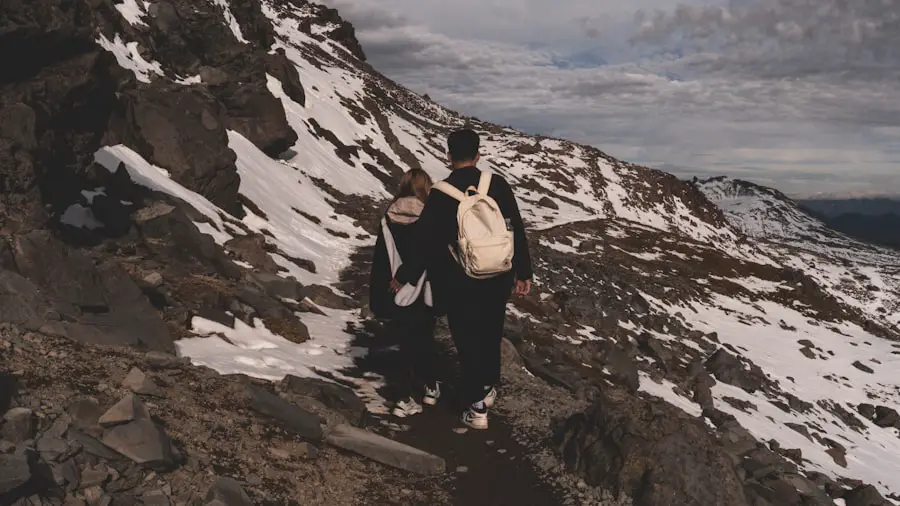
Sprains, fractures, cuts and bruises can occur after slips or falls on rocky, muddy, snowy or icy trail sections. Fatigue increases the danger because tired trekkers may lift their feet less carefully, lose balance more easily or make poor decisions.
Altitude can also reduce exercise performance even in well-trained people. Pace yourself, eat regularly, take breaks and tell your guide early if you feel unusually weak, dizzy, unsteady or ill.
Trekking poles and suitable footwear can reduce everyday fall risk. Helmets are normally associated with technical climbing, scrambling or routes with significant overhead hazards rather than every section of the standard EBC trekking trail.
Difficulty in Communication
Mobile phone and internet access are available in parts of the Everest region, but coverage, electricity and network quality should not be treated as guaranteed emergency services. Weather, terrain, power interruptions and remoteness can all affect communications.
A portable Wi-Fi hotspot may be useful where a compatible cellular network exists. Our guide to portable Wi-Fi hotspots for international travel explains how they work. However, a hotspot is not a substitute for an emergency communication plan because it still depends on network availability.
Guided groups may use local phones, radios, satellite communications or satellite messengers depending on the operator and itinerary. Before starting the trek, know who will call for help, how an evacuation will be requested and which emergency contact information your group carries.
Exposure to Harsh Elements
High-altitude conditions expose trekkers to cold, low humidity, wind and strong ultraviolet radiation. These factors can cause dehydration, cracked skin and lips, sunburn, eye irritation and cold injuries.
Dress in layers so you can add or remove insulation without becoming soaked in sweat. A moisture-wicking base layer, warm mid-layer and windproof/waterproof outer shell provide more flexibility than one heavy garment.
Drink enough to avoid dehydration, but do not rely on excessive water consumption as a way to prevent altitude sickness. Acclimatization remains the key preventive measure.
Food or water illness can also derail an acclimatization schedule. Use safe drinking water and good hand hygiene, and be cautious with food that has been stored or handled poorly.
Risk of Acute Mountain Sickness
Acute mountain sickness is one of the most important risks on an Everest Base Camp trek. The CDC Yellow Book lists Everest Base Camp at approximately 5,400 meters (17,700 feet) and notes that altitude illness on EBC itineraries can approach 30% at higher elevations even when standard acclimatization schedules are followed.
Altitude illness on Everest Base Camp itineraries can affect a substantial share of trekkers at higher elevations, which is why extra acclimatization time can improve both safety and comfort.
AMS usually develops after a recent ascent. Headache is a common symptom and may occur with nausea, loss of appetite, dizziness or unusual fatigue. Symptoms often begin within hours of reaching a higher sleeping altitude.
Being exceptionally fit does not protect you. Your previous reaction to a similar altitude and rate of ascent is more useful than athletic ability when estimating risk.
How to Acclimatize More Safely
- Increase sleeping elevation gradually.
- Above about 3,000 meters, keep the daily sleeping-altitude increase to roughly 500 meters (1,600–1,650 feet) or less when possible.
- Add an extra acclimatization night for every additional 1,000 meters (3,300 feet) of sleeping elevation gained.
- Do not climb higher to sleep when you have symptoms of altitude illness.
- Avoid alcohol during the first 48 hours at altitude and do not use alcohol or respiratory-depressing drugs as sleep aids.
- Keep exertion relatively light during the first days at a new high altitude.
Acetazolamide can speed acclimatization and reduce the likelihood or severity of AMS in appropriate travelers. It is not a substitute for a sensible itinerary. Discuss its use, dosage, contraindications and side effects with a qualified healthcare professional before the trip.
Warning: Never continue ascending to a higher sleeping elevation when altitude symptoms are getting worse. Confusion, abnormal behavior, severe drowsiness or inability to walk normally can indicate high-altitude cerebral edema (HACE). Breathlessness at rest, worsening cough or respiratory distress can indicate high-altitude pulmonary edema (HAPE). Both require urgent medical attention and descent when feasible.
When Descent Becomes Necessary
Mild AMS may improve when you stop ascending and rest at the same elevation. However, the CDC advises descent if symptoms worsen despite rest or treatment. A descent of about 300 meters (1,000 feet) or more can produce rapid improvement in AMS.
HACE and HAPE are medical emergencies. Oxygen, appropriate medications and portable hyperbaric equipment may be used in some settings, but these measures should not be used as an excuse to continue upward.
Potential for Frostbite and Hypothermia
Frostbite occurs when tissue freezes. Fingers, toes, ears, cheeks and the nose are particularly vulnerable. According to the CDC, warning signs can include numbness, unusually firm or waxy skin and pale or grayish-yellow areas.
Hypothermia develops when the body loses heat faster than it can replace it. It can occur during very cold conditions but also when a person becomes wet and chilled. Warning signs include persistent shivering, exhaustion, confusion, clumsy hands, memory problems, slurred speech and drowsiness.
Move an affected person into shelter, remove wet clothing and replace it with dry insulation. Suspected hypothermia or frostbite requires prompt medical attention. Do not massage frostbitten tissue or expose numb skin to intense direct heat.
Note: Wet clothing greatly increases heat loss. Carry dry insulating layers in a waterproof liner or dry bag so one bad weather crossing does not leave you without warm clothing.
Limited Access to Emergency Services
An accident near a road in a major city is very different from an emergency several days into the Everest region. Terrain, cloud, wind, darkness and aircraft availability can delay rescue even when a helicopter has been requested.
Before leaving, your group should have an evacuation plan that covers who contacts the trekking company, insurer or rescue provider; how medical information will be communicated; and how the patient will move to a safer or lower location if aircraft cannot immediately reach the group.
The U.S. Department of State advises travelers to obtain medical-evacuation insurance because serious injuries or illnesses in Nepal’s remote mountains may require helicopter evacuation. Your insurer should know that the itinerary reaches approximately 5,400 meters.
What to Carry for an Emergency
- Passport and required trekking documents.
- Insurance policy and emergency-assistance contact details.
- A written or offline copy of your itinerary.
- Personal medications and a practical first-aid kit.
- Headlamp with spare power.
- Emergency insulation and waterproof layers.
- A reliable communication method appropriate to your group and itinerary.
- Enough accessible money or payment capability for unexpected expenses.
Best Time to Trek to Everest Base Camp
The Nepal Tourism Board identifies March through May and October through November as the best seasons for Sagarmatha National Park. These periods generally offer more favorable trekking conditions than the summer monsoon or the coldest winter months, but stable weather is never guaranteed in the Himalayas.
June through September brings the monsoon, with rain at lower elevations and a greater risk of landslides, flooding and disrupted transportation. Winter can bring severe cold and snow. Even during the popular spring and autumn seasons, trekkers should be prepared for sudden storms and temperature changes.
Frequently Asked Questions
Is hiking to Everest Base Camp dangerous?
It can be. The standard EBC trek is not a technical Everest summit climb, but trekkers reach roughly 5,400 meters, where altitude illness, severe weather, cold, falls, rockfall and delayed evacuation can become serious. A gradual itinerary, licensed guide, appropriate gear and willingness to descend when necessary reduce the risk.
What are the main risks associated with hiking to Everest Base Camp?
The biggest concerns include altitude sickness, cold and rapidly changing weather, fatigue, falls on uneven terrain, rockfall or landslide hazards, illness, and difficulty obtaining rapid medical care. Avalanche exposure can also occur depending on snow conditions and the exact route.
What precautions should be taken when hiking to Everest Base Camp?
Use an acclimatization-friendly itinerary, follow current guide and permit requirements, carry suitable cold- and wet-weather gear, obtain high-altitude medical-evacuation insurance, follow weather and local safety advice, and never keep ascending when altitude symptoms are worsening.
What health concerns matter most on an Everest Base Camp trek?
Acute mountain sickness is the main altitude-related concern, while HACE and HAPE are rare but life-threatening complications. Frostbite, hypothermia, dehydration, gastrointestinal illness and injuries can also cause serious problems in a remote high-altitude environment.
What symptoms mean I should stop ascending?
Do not ascend to a higher sleeping elevation when you have symptoms consistent with altitude illness. Worsening headache, nausea, dizziness or unusual fatigue require caution. Confusion, inability to walk normally, abnormal behavior or breathlessness at rest are emergency signs requiring urgent medical attention and descent when feasible.
Do I need a guide for the Everest Base Camp trek?
Current Nepal Tourism Board TIMS guidance lists the Everest Base Camp Trek among routes covered by licensed-guide and agency-issued TIMS requirements for foreign trekkers. A guide also provides valuable help with local conditions, route decisions, acclimatization and emergency coordination.
What is the best time of year to hike to Everest Base Camp?
Nepal Tourism Board guidance identifies March through May and October through November as the best seasons for Sagarmatha National Park. Conditions can still change quickly, so trekkers need cold, wet and windy-weather protection even in popular trekking months.
Sources
- CDC Yellow Book — High-Altitude Travel and Altitude Illness — altitude thresholds, acclimatization guidance, AMS, HACE, HAPE and acetazolamide.
- Nepal Tourism Board — Everest Base Camp — official EBC route and acclimatization information.
- Nepal Tourism Board — TIMS Card — current trekking guide and TIMS requirements.
- Nepal Tourism Board — Sagarmatha National Park — park access and trekking-season information.
- U.S. Department of State — Nepal Travel Advisory — trekking hazards, emergency access and medical-evacuation insurance.
- CDC — Preventing Hypothermia — cold-exposure warning signs and first-response guidance.

