
Is Avianca Safe?
Accuracy as of:
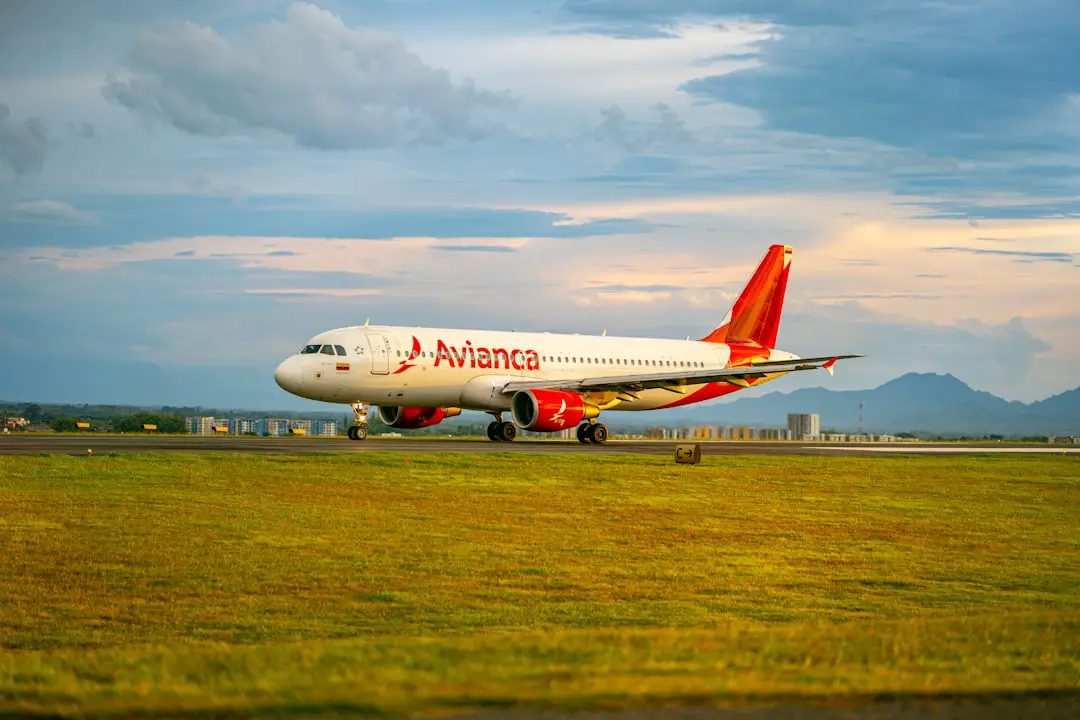
Avianca is Colombia’s flag carrier. It has a long history. It began in 1919 as SCADTA. This makes it one of the oldest airlines in the world.[16][8] Over time, it has grown through mergers. One big merger was with TACA in 2010. Now, it is part of Avianca Group under Abra Group.[17] Avianca keeps improving its routes and services.
Today, Avianca flies to over 100 destinations across 27 countries as of 2026. This changes with the season.[3][1] It is a member of Star Alliance. This helps it connect with other big airlines.[1] Avianca is upgrading its cabins and services. It offers new Business Class on some flights.[2] This supports its goal of safe and reliable flights.
Avianca is updating its planes. It uses Airbus A320 planes for short trips. It uses Boeing 787 Dreamliners for long trips.[10][2] It adds new seats and better cabins. Travelers care a lot about safety. So, it is key to know Avianca’s safety steps, certificates, and past events. This article looks at Avianca’s safety history, steps, pilot training, and plane care with current citations.
Key Takeaways
- Network & alliances: Avianca is Colombia’s flag carrier. It is in Star Alliance. It serves over 100 destinations in 27 countries (seasonal; 2026 figures).[3][1]
- Safety systems: The airline has a Safety Management System (SMS). It has programs like FRMS and SeMS. It follows Colombia’s Aerocivil rules and ICAO standards.[12][13]
- Certifications: Avianca is an IATA member. This means it has IOSA registration. It shows checked operations and safety.[4][5]
- Incident history: Big accidents were in 1983 (Flight 011) and 1990 (Flight 052). Recent incidents are non-fatal like safe turns in 2024–2025.[6][7][14]
- Ratings: Trackers show Avianca with a strong safety rating (6/7 on AirlineRatings, last updated 2026).[11]
Avianca’s Safety Measures and Protocols
Avianca puts safety first. It has many steps to protect passengers and crew. It follows global standards (ICAO) and Colombia’s Aerocivil rules. This includes needs for Safety Management Systems (SMS) and repeat training for crew.[13] Avianca’s safety policy covers SMS, a Fatigue Risk Management System (FRMS), and a Security Management System (SeMS). It has safe reporting ways. These help manage risks early.[12]
Avianca is an IATA member. IATA needs member airlines to have IOSA registration (IATA Operational Safety Audit). This is a standard check of operations and safety.[4][5] Besides rules, the airline has its own steps. These include checks before flights, monitoring, and ways to get better.
Analysis of Avianca’s Safety Record
To check an airline’s safety record, look at checked processes (IOSA/IATA). Look at rule oversight (Aerocivil/ICAO). Look at past events (accidents/incidents). Avianca’s worst accidents were long ago (1983 and 1990). Recent events are mostly safe turns or tech issues with no deaths (e.g., engine returns in late-2024 and April 2025).[7][14] Like any big airline, some issues happen. But facts show a strong safety setup checked to global standards.[5]
A note on context: Big global airlines fly thousands of times a month. Weigh incident numbers against all flights. Formal probes (e.g., CIAIAC, NTSB, Aerocivil) give best findings on causes and fixes.[6][7][13]
Incident and Accident History
| Date | Type | Description | Severity |
|---|---|---|---|
| 1983-11-27 | Accident | Flight 011 (B747) crashed near Madrid-Barajas during approach; CIAIAC investigation cites CFIT with contributing human factors.[6][8] | Catastrophic (181 fatalities) |
| 1988-03-17 | Accident | Flight 410 (B727) crashed after takeoff from Cúcuta; CFIT linked to cockpit distraction and CRM issues.[9][18] | Catastrophic (143 fatalities) |
| 1990-01-25 | Accident | Flight 052 (B707) crashed at Cove Neck, NY, following fuel exhaustion and communication/dispatch issues; see NTSB & FAA summaries.[7] | Major (73 fatalities) |
| 2024-10-31 | Incident | B787 en route BOG-MAD diverted to Ponta Delgada after cabin-pressure issue; landed safely; no injuries reported (multiple outlets).[14] | Non-fatal |
| 2025-04-23 | Incident | AV17 (B787) returned to Madrid after an engine-related issue reported shortly after departure; landed safely; no injuries.[15] | Non-fatal |
Avianca’s accident history shows bad old crashes (1980s–1990). It also shows recent safe events. Changes after accidents improved pilot training and rules. This helped the whole industry, including Avianca.[7][13]
Avianca’s Fleet and Maintenance Practices
Avianca uses a fleet based on the Airbus A320 family (A319/A320/A320neo/A321 types) for short/medium-haul. It uses the Boeing 787-8 for long-haul. Fleet trackers list 128 aircraft in 2026. Average age is 10.3 years (figures change as planes move).[10] The airline updated many A320 planes with new Recaro seats (Premium/Plus/Economy). This boosts efficiency. It keeps lie-flat Business Class on long 787 routes. It expands premium service in the Americas.[2]
Maintenance follows maker needs and Aerocivil oversight. It has routine checks and programs. Heavy maintenance is set by approved manuals under RAC 121/145 and ICAO rules.[13]
Pilot Training and Experience
Rigorous Selection Process
Avianca hires flight crew with standard steps. These align with Aerocivil license rules (RAC 61) and quals in RAC 121. Candidates need type-specific experience. They pass medical, language, and sim checks per rules.[13]
Comprehensive Training Programs
Once hired, pilots get aircraft-type qual and repeat training (ground school, sims, line checks). This includes emergencies and Crew Resource Management (CRM). Regulated training groups (RAC 141) set timing and content (e.g., OPC/LPC). It adds modules under Avianca’s SMS/FRMS.[13][12]
Cultivating a Skilled Workforce
Avianca invests in ongoing training and reporting culture. This supports good decisions under pressure and early risk spotting.[12]
Safety Ratings and Certifications
Safety ratings and certs give outside proof of safety. Avianca is an IATA member. Per IATA, this needs IOSA registration—a checked standard for safety management.[4][5] Monitors list Avianca with a 6/7 safety score (AirlineRatings; last updated 2026).[11]
Regulatory Compliance and Oversight
Avianca is watched by Colombia’s Civil Aviation Authority (Aerocivil). It follows ICAO standards in national rules (RAC). Aerocivil checks cert, training, maintenance, and safety with audits.[13]
Passenger and Crew Safety Considerations
Avianca keeps improving travel while focusing on safety. For example, ops changes, cabin updates, and on-board rules. It has channels to report safety issues. It shares its safety policy and promises.[12]
Comparison with Other Airlines
In Latin America, airlines like LATAM and Copa have strong safety records too. They use similar rules. Business models differ (full-service vs. value). But they must meet the same safety standards and audits (Aerocivil/ICAO, IOSA for IATA).[5][13]
Is Avianca a Safe Airline?
Based on current facts, Avianca is a safe airline. It is IATA with IOSA. It has Aerocivil/ICAO oversight. No fatal passenger accident since 1990. Incidents happen with big airlines. But recent ones are non-fatal and handled well.[4][5][7][15] As of , monitors give a strong safety rating.[11]
FAQs
Is Avianca a safe airline?
Yes. Avianca is IATA (needs IOSA). It follows Aerocivil/ICAO. Trackers rate it high (6/7 on AirlineRatings as of 2026).[4][5][11]
What safety measures does Avianca have in place?
It has Safety Management System (SMS) with programs (FRMS/SeMS). Repeat crew training under RAC 121/141. IOSA-aligned controls.[12][13]
Has Avianca had any major safety incidents in the past?
Yes. Worst were Flight 011 (1983, Madrid) and Flight 052 (1990, New York). Recent (e.g., 2024–2025 diversions) are non-fatal.[6][7][14][15]
Is Avianca regulated by aviation authorities?
Yes. Overseen by Colombia’s Aerocivil. Meets ICAO standards. As IATA, subject to IOSA.[13][5]
What is Avianca’s safety rating?
AirlineRatings gives 6/7 for safety (updated 2026). Ratings can change; check latest.[11]
References
- Star Alliance – Avianca member profile (countries/airports served, alliance membership). Updated 2026. staralliance.com.
- Avianca corporate news (product/network updates incl. Business Class & Europe/Americas). avianca.com – Corporate news.
- Avianca press release (May 13, 2025): network restored to 82 destinations, 169 routes. avianca.com.
- IATA Members Directory – Avianca listed. iata.org.
- IATA – IOSA Fact Sheet (IATA membership requires IOSA registration). iata.org.
- CIAIAC (Spain) – Accident listings 1983 (Flight 011, Madrid). mitma.gob.es | Supplemental: Wikipedia summary. wikipedia.org.
- NTSB safety recommendations (Avianca 052) + FAA Lessons Learned (accident synopsis). ntsb.gov ; faa.gov.
- Background on founding/SCADTA (historical). wikipedia.org.
- BAAA accident record – Flight 410 (1988). baaa-acro.com | Supplemental: Wikipedia summary. wikipedia.org.
- Planespotters – Avianca fleet snapshot (updated Oct 2, 2025). planespotters.net.
- AirlineRatings – Avianca safety rating 6/7 (updated 2026). airlineratings.com.
- Avianca – Integrated Safety Policy (SMS/FRMS/SeMS; 2024). avianca.com.
- Aerocivil (Colombia) – RAC regulations (RAC 121/141 etc.) and guidance. aerocivil.gov.co.
- Reports on 2024 B787 diversion (loss of pressurization) to Ponta Delgada: Airportia summary. airportia.com (cross-check with spotter videos).
- AV17 (Apr 23, 2025) return to Madrid (engine-related): FlightAware track & Airlive report. flightaware.com ; airlive.net.
- Avianca/SCADTA historical context (official/newsroom). avianca.com.
- Avianca–TACA merger background (2010) – multiple contemporary sources. travelweekly.com ; aviationweek.com.
- Additional context – Flight 410 (media background). elconfidencial.com.
