
Last Updated on July 27, 2026 by Daniel Globe
As of July 27, 2026, Allegiant allows small domestic dogs and cats to travel in the passenger cabin when they meet the airline’s carrier, behavior, seating, and check-in rules. The details most likely to affect your trip are the $50 pet fee per segment and carrier, the exact carrier dimensions, the one-carrier-per-traveler limit, and the required in-person pet inspection before departure.
Quick Answer
Allegiant permits domestic dogs and cats in the cabin for a non-refundable $50 fee per segment, per carrier. Soft-sided carriers can measure up to 18"L x 12"W x 11"H; hard-sided carriers up to 17"L x 11"W x 10.5"H. Pets must stay enclosed, and an Allegiant agent must check the pet and carrier at least one hour before departure.
Key Takeaways
- The current Allegiant pet-in-cabin policy allows domestic dogs and cats and charges $50 per segment, per carrier.
- Each paid traveler may bring one pet carrier, with no more than two pets inside if both fit comfortably.
- The carrier counts as one of the two items you may bring into the cabin, so you can pair it with either a personal item or a paid carry-on, but not both.
- Allegiant does not transport pets in the cargo bin, so pets too large for an approved under-seat carrier cannot travel as standard pets.
- The standard published pet policy is for travel within the contiguous 48 states. U.S. territories and other destinations may have additional restrictions and animal-entry requirements.
Disclosure: As an Amazon Associate I earn from qualifying purchases. Some links on this page are affiliate links, at no extra cost to you.
Requirements for Traveling with Pets on Allegiant Airlines
To travel as a regular pet, your dog or cat must be at least 8 weeks old and ride in a fully enclosed, leak-proof carrier with enough ventilation. Allegiant requires the pet to fit comfortably without touching or protruding from the carrier and to be able to stand up and turn around. The airline prefers soft-sided carriers but also accepts hard-sided carriers within its published limits.
At a Glance
| Pet fee | $50, non-refundable, per segment per carrier |
| Soft-sided carrier max | 18"L x 12"W x 11"H |
| Hard-sided carrier max | 17"L x 11"W x 10.5"H |
| Pets per carrier | Up to 2, if both fit comfortably |
| Health certificate | Not required by Allegiant for its standard pet-in-cabin policy; destination rules can still require documents |
| Pet check-in | With an Allegiant agent at the ticket counter or gate counter at least 1 hour before departure |
Allegiant’s current policy says a health certificate is not required for its standard pet-in-cabin travel. That does not override state, territory, or destination rules. Keep your pet’s vaccination and identification records available, and check the destination’s requirements before you travel.
Note: Allegiant requires passengers traveling with pets to check in with an Allegiant agent at the ticket counter or gate counter at least one hour before scheduled departure so the pet and carrier can be checked for compliance.
Types of Pets Allowed on Allegiant Airlines
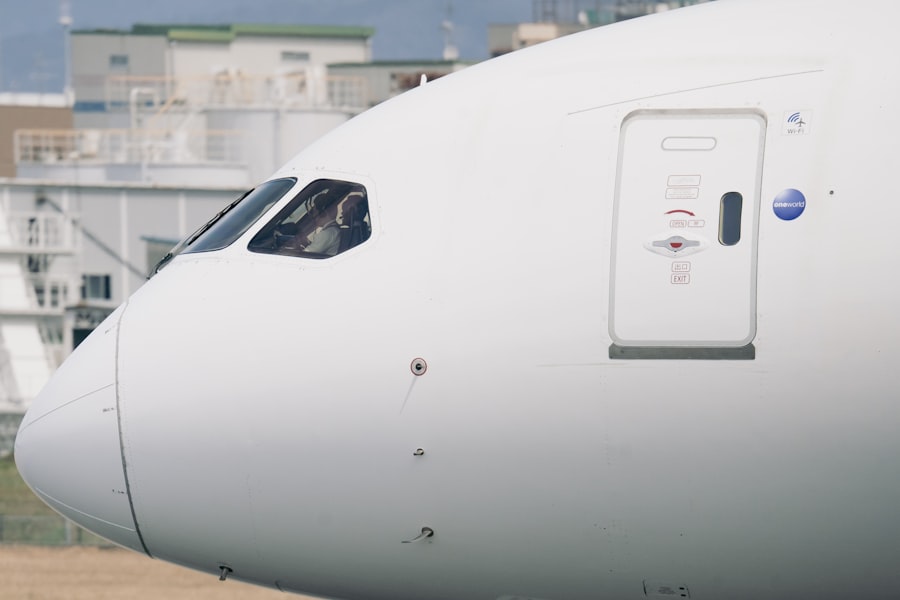
Allegiant accepts domestic dogs and cats as regular in-cabin pets. The airline does not list birds, rabbits, reptiles, or other exotic animals as accepted pets, and it does not offer cargo transport for pets. Larger dogs or cats that cannot fit comfortably in an approved carrier are therefore not eligible for standard pet-in-cabin travel.
Allegiant does not publish a separate pet weight limit on its current pet page or in Article 47 of its Contract of Carriage. Carrier dimensions, comfortable fit, health, and behavior are the controlling factors in the published policy.
Emotional Support Animals and Service Dogs
Emotional support animals are not considered service animals under the U.S. Department of Transportation’s current air-travel rule. On Allegiant, an emotional support animal must travel under the regular pet rules if it qualifies as an accepted pet. The Department of Transportation defines a service animal for air travel as a dog individually trained to perform work or tasks for a person with a disability.
Allegiant transports qualifying trained service dogs in the cabin at no charge. Its current Contract of Carriage allows up to two trained service dogs when required for disability-related work and requires the U.S. DOT Service Animal Air Transportation Form. Allegiant says the form should be completed at least 48 hours before departure when the trip was booked before that deadline; last-minute bookings should begin the process as soon as possible.
Restrictions and Limitations for Pet Travel on Allegiant Airlines
| Restrictions and Limitations for Pet Travel on Allegiant Airlines | |
| Pets allowed in cabin | Yes, domestic dogs and cats that meet the rules |
| Pets allowed in cargo | No |
| Pet carriers per paid traveler | 1 |
| Pets per carrier | Up to 2, if both fit comfortably |
| Minimum pet age | 8 weeks |
| Soft-sided carrier max | 18"L x 12"W x 11"H |
| Hard-sided carrier max | 17"L x 11"W x 10.5"H |
| Cabin-item allowance with carrier | Pet carrier plus a personal item OR a paid carry-on, not both |
| Health certificate required by Allegiant | No for the standard pet policy; destination rules may differ |
| Pet check-in | In person with an Allegiant agent, 1+ hour before departure |
The pet carrier counts toward the standard two-item cabin allowance. A traveler with a pet carrier can bring either one personal item or one paid carry-on bag in addition to the carrier, but not both.
Seating is also restricted. Passengers with regular pets cannot sit in exit rows or bulkhead seats. Allegiant’s current policy also states that pet carriers are prohibited at aisle seats on Boeing aircraft because of foot-space limitations; a traveler who selected an affected aisle seat can be moved to another seat.
Pets must remain entirely inside their carrier in the airport terminal and onboard the aircraft, except when security officers require the pet to come out for screening. The carrier must remain under the seat directly in front of the passenger as required by Allegiant’s Contract of Carriage.
Warning: Do not assume Allegiant’s general pet policy overrides destination law. Travel outside the contiguous 48 states can involve additional animal-entry rules, and Allegiant says U.S. territories and international destinations do not accept all pets.
Pet Fees and Reservations on Allegiant Airlines
Allegiant charges a non-refundable $50 fee per segment, per carrier. Allegiant defines a segment as one takeoff and one landing. The current public pet policy does not say that the pet fee is always collected only at the airport, and it does not support the blanket claim that pets can never be added online.
When making a reservation, use any Pet in Cabin option Allegiant presents for your itinerary. If you already booked or do not see a pet option, contact Allegiant before travel through its official Customer Care channels. Regardless of how the pet is attached to the itinerary, the traveler must still check in with an Allegiant agent at the ticket counter or gate counter at least one hour before scheduled departure for the required pet and carrier inspection.
Allegiant’s current public pet policy does not publish a flight-wide numeric cap on the total number of pets. What it does publish is a limit of one pet carrier per paid traveler and no more than two pets in that carrier, provided both fit comfortably.
Military Travelers May Qualify for a Pet Fee Waiver
Under Allegiant Honors military benefits, eligible current U.S. service members, veterans, and qualifying family members traveling on the same itinerary can receive one in-cabin pet benefit at no charge. Allegiant says ticket agents verify the required military identification and add qualifying optional services.
TSA Security Screening with a Pet
Airport security is a separate step from Allegiant’s pet inspection. The Transportation Security Administration’s small-pet guidance says the pet must come out of the carrier so the empty carrier can go through the X-ray machine.
- Keep control of your dog or cat as you approach screening.
- Remove the pet from the carrier when directed by TSA.
- Send the empty carrier through the X-ray machine; TSA may also visually or physically inspect it.
- Use a leash to maintain control when appropriate, but remove the leash when carrying the pet through the walk-through metal detector, as TSA directs.
- Put the pet back into the carrier promptly after screening and keep it enclosed for the rest of the airport and flight, subject to staff instructions.
Note: Allegiant’s rule that pets remain enclosed in the terminal has to be read together with TSA screening instructions, which require removing the pet from the carrier at the checkpoint.
Destination Rules, Including Puerto Rico
Allegiant’s main pet page says its standard pet-in-cabin policy applies within the contiguous 48 United States and warns that U.S. territories and international destinations do not accept all pets. That means a traveler should verify both Allegiant’s acceptance for the exact route and the destination government’s entry rules.
For Puerto Rico, the Puerto Rico animal-entry requirements hosted by USDA APHIS state that dogs and cats entering Puerto Rico must have an official health certificate. Dogs and cats older than 4 months must have a current rabies vaccination that meets Puerto Rico’s timing rule, external-parasite treatment must be documented within 72 hours before entry, and the animal must have official individual identification such as a microchip or qualifying ID tag.
Because destination rules can change independently of airline policy, verify the current government requirements before departure, especially when traveling to a U.S. territory or outside the contiguous states.
Tips for Traveling with Pets on Allegiant Airlines

Help your pet get used to the carrier well before the trip. Let the animal explore it at home, feed treats inside it, and gradually build up the amount of time spent with the carrier fully closed. A familiar blanket or small item carrying your scent can make the space feel less unfamiliar, provided it does not crowd the pet.
Before leaving for the airport, give your pet a chance to relieve itself and offer water. Ask your veterinarian about feeding timing, motion sickness, anxiety, or any health issue that could make flying risky. USDA notes that short-nosed dogs and cats can face increased breathing and heat-related risk during air travel, so owners of brachycephalic breeds should discuss travel fitness with a veterinarian.
Pro Tip: Measure the carrier at its widest, tallest, and longest external points while it is fully closed. Allegiant’s limits are external dimensions, and the pet still has to fit comfortably inside.
Build extra airport time into your plan. Allegiant’s pet-specific inspection deadline is at least one hour before departure, while TSA screening adds another pet-handling step. Getting there early reduces the pressure to rush your pet through an unfamiliar environment.
Warning: Do not sedate or tranquilize a pet for air travel unless your veterinarian specifically directs it. The American Veterinary Medical Association warns that tranquilizers can increase the risk of heart or respiratory problems during air travel.
The carrier is the key approval point: it must stay within Allegiant’s published external size limit and still give the pet enough room to fit comfortably, stand, and turn around.
Customer Experiences and Reviews of Allegiant Airlines Pet-Friendly Policy
Individual traveler reviews can be useful for understanding comfort and stress, but they should not be treated as policy. Carrier approval, seating, pet behavior, route eligibility, and documentation are decided under Allegiant’s current rules and the requirements that apply on the day of travel.
The best way to reduce surprises is to treat the official policy as the baseline: use a clearly compliant carrier, keep the pet calm and enclosed, arrive early for the required inspection, and verify destination documents before the trip. An airport agent has the final say on whether the pet has enough room in the carrier.
Conclusion and Final Thoughts on Allegiant Airlines Pet-Friendly Policy
Allegiant’s current pet policy is straightforward for a small dog or cat that fits in an approved under-seat carrier: the regular fee is $50 per segment, per carrier; each paid traveler gets one pet carrier; up to two pets can share it if both fit comfortably; and pets are not transported in cargo. The biggest practical issues are carrier fit, the one-hour in-person pet check, cabin-item limits, and destination-specific rules.
If you are planning to travel with your pet, focus on the gear Allegiant actually checks. A properly sized, leak-proof, ventilated carrier is more important than unrelated travel gear, and it is the item most likely to determine whether your pet can travel in the cabin.
Frequently Asked Questions
What is Allegiant Airlines’ pet policy?
Allegiant allows domestic dogs and cats to travel in the cabin for a non-refundable $50 fee per segment, per carrier. The pet must fit comfortably in an approved leak-proof carrier, stay enclosed, and pass an in-person pet and carrier check with an Allegiant agent at least one hour before departure.
What size pet carrier does Allegiant allow?
A soft-sided carrier may be no larger than 18 inches long by 12 inches wide by 11 inches high. A hard-sided carrier may be no larger than 17 inches long by 11 inches wide by 10.5 inches high. The pet must also fit comfortably inside.
How many pets can I bring on Allegiant?
Each paid traveler may bring one pet carrier. Up to two pets can share that carrier if both fit comfortably and the carrier meets Allegiant’s rules.
Can I add a pet to an Allegiant reservation online?
Allegiant’s current public pet policy requires an in-person pet inspection at least one hour before departure, but it does not state that pets can never be added online. Use the Pet in Cabin option if Allegiant presents it for your itinerary; if you do not see one or already booked, contact Allegiant through its official Customer Care channels before travel.
Does Allegiant require a health certificate for a pet?
Allegiant says a health certificate is not required under its standard pet-in-cabin policy. However, state, territory, and destination rules can still require a health certificate, rabies record, parasite treatment, identification, or other documents.
Can I fly an emotional support animal on Allegiant for free?
No. Emotional support animals are not service animals under the current U.S. Department of Transportation air-travel rule. An emotional support dog or cat must meet Allegiant’s regular pet rules and fees unless it is a qualifying task-trained service dog.
Does Allegiant fly pets in cargo?
No. Allegiant does not transport regular pets in the cargo bin. A dog or cat that cannot fit comfortably in an approved in-cabin carrier cannot travel as a standard pet on Allegiant.
Sources
- Allegiant Air — Traveling with Pets — current pet fee, carrier dimensions, age, cabin-item allowance, check-in, seating, and cargo rules
- Allegiant Contract of Carriage — Article 47 pet rules and Article 48 service-animal requirements; current contract effective July 21, 2026
- Allegiant Honors Military Benefits — qualifying one-pet in-cabin fee benefit and verification process
- U.S. Department of Transportation — Service Animals — federal definition of a service animal and treatment of emotional support animals
- Transportation Security Administration — Small Pets Screening — removing pets from carriers and screening the carrier
- USDA APHIS — Puerto Rico Animal Entry Requirements — health certificate, rabies, parasite-treatment, and identification requirements
