

Last Updated on September 11, 2026 by Daniel Globe
A past DUI does not automatically prevent every traveler from entering Japan, but it can matter because Japan asks about criminal convictions and applies specific denial-of-landing rules. The most important facts are the exact conviction, the sentence imposed, whether drugs were involved, and how you answer Japan’s immigration or visa questions.
Quick Answer
Yes, a DUI is a criminal conviction, but it does not automatically bar every traveler from Japan. The key statutory issue is whether you were sentenced to imprisonment for one year or more, or convicted and sentenced for a covered drug offense. Answer all immigration and visa questions truthfully; admission is never guaranteed.
Key Takeaways
- Japan’s main criminal-record ground covers a conviction followed by a sentence of imprisonment for one year or more.
- The sentence imposed matters more than whether you actually spent time in jail.
- A conviction involving covered drugs can create a denial ground even when the sentence is shorter.
- Japan’s visa and arrival forms ask about criminal history. Give complete, truthful answers.
- A visa, visa exemption, or prior successful trip does not guarantee landing permission on the next visit.
Legal notice: This article gives general travel information, not legal advice. Criminal judgments and immigration records vary. Travelers with a one-year-or-longer sentence, a drug conviction, an unclear disposition, or prior removal should obtain case-specific guidance from Japan’s Immigration Services Agency, the Japanese embassy or consulate with jurisdiction, and a qualified lawyer before booking nonrefundable travel.
Disclosure: As an Amazon Associate I earn from qualifying purchases. Some links on this page are affiliate links, at no extra cost to you.
Can You Enter Japan With a DUI?

Often, yes—but the answer depends on the judgment and sentence, not simply the word DUI. Under Article 5 of Japan’s Immigration Control and Refugee Recognition Act, a foreign national can be denied landing after a conviction followed by a sentence of imprisonment for one year or more, except for a political offense. A separate ground covers convictions involving specified controlled drugs when a penalty was imposed.
A DUI whose final judgment imposed no sentence of imprisonment of one year or more, and did not involve a covered drug offense, does not appear to meet those two criminal-record grounds based on those facts alone. That is not an entry guarantee. Immigration officers decide landing permission at the border, and other facts may matter.
Note: “No jail time served” is not the same as “no sentence of imprisonment.” A court may impose a one-year-or-longer sentence and suspend it. Review the written sentencing order, not your memory of how much time you spent in custody.
How Japan Treats a DUI
Japan treats alcohol-impaired driving as a crime. The National Police Agency lists criminal penalties for driving while drunk and driving under the influence of alcohol, along with license suspension or revocation measures. For a foreign conviction, however, Japanese immigration focuses on the foreign judgment, the sentence, and the landing-denial categories in Article 5.
DUI and Immigration Rules
Use the court record to separate four different facts:
- Charge: What offense was originally alleged?
- Conviction: What offense did the court finally enter?
- Sentence imposed: Was imprisonment ordered, and for how long?
- Sentence served: How much time, if any, did you actually spend in custody?
Japan’s one-year rule refers to the sentence imposed. A reduced charge, deferred disposition, suspended sentence, sealed file, or expungement can be legally complex, so do not assume the everyday label used in your home country answers Japan’s question.
| Record detail | What it may mean for Japan | Practical next step |
|---|---|---|
| No imprisonment sentence of one year or more; no covered drug offense | Does not match Article 5(1)(iv) or (v) on those facts alone | Keep the final disposition and answer forms accurately |
| Imprisonment for one year or more | Falls within a statutory denial-of-landing ground, subject to limited legal exceptions | Contact Japanese Immigration and your Japanese consulate before travel |
| Covered drug conviction with a sentence | A separate statutory denial ground may apply regardless of a one-year threshold | Obtain case-specific immigration advice before booking |
| Multiple DUI convictions | Article 5 does not create a simple “two DUIs” rule, but the complete record may receive closer review | Collect every final judgment and sentence |
Criminal Record Disclosure
Japan’s official Disembarkation Card for Foreigners asks whether the traveler has ever been found guilty in a criminal case in Japan or another country. Japan’s visa application form separately asks about any conviction, any sentence of imprisonment for one year or more, and specified drug offenses.
Read each question literally and answer it truthfully. Do not decide that an old, sealed, expunged, reduced, or suspended case “does not count” without reliable legal advice. The law of the country where the case occurred may affect what the record is called, but Japan controls what its own forms require.
Pro Tip: Request a certified final disposition or sentencing order well before departure. It is much more useful than an arrest report because it shows the offense of conviction and the sentence actually imposed.
Entry Risk Factors
The strongest warning signs are a sentence of imprisonment for one year or more, a conviction involving covered controlled drugs, a prior deportation or denial of landing, conflicting answers on travel forms, or a record that cannot be clearly explained. Multiple convictions may also require a longer review even though Japan’s statute does not state a separate automatic ban based only on the number of DUIs.
The decisive question is usually not “Was it called a DUI?” but “What was the final conviction, and what sentence did the court impose?”
Japan’s Entry Rules for Criminal Records
Article 5 lists categories of foreign nationals who are denied permission to land. For ordinary criminal convictions, the central threshold is a sentence of imprisonment for one year or more. Political offenses are excluded from that item. Drug-control convictions are addressed separately and do not use the same one-year threshold.
The statute also contains other grounds unrelated to DUI, including certain prior deportations, prohibited items, trafficking, and public-security concerns. That is why a traveler should not treat a DUI-only summary as a complete immigration assessment.
Japan’s visa application form instructs applicants to answer “Yes” to the sentence questions even when a sentence was suspended. Because the interaction between a suspended sentence and landing eligibility can be case-specific, travelers with a suspended one-year-or-longer sentence should obtain guidance before departure.
What Immigration Checks at Arrival
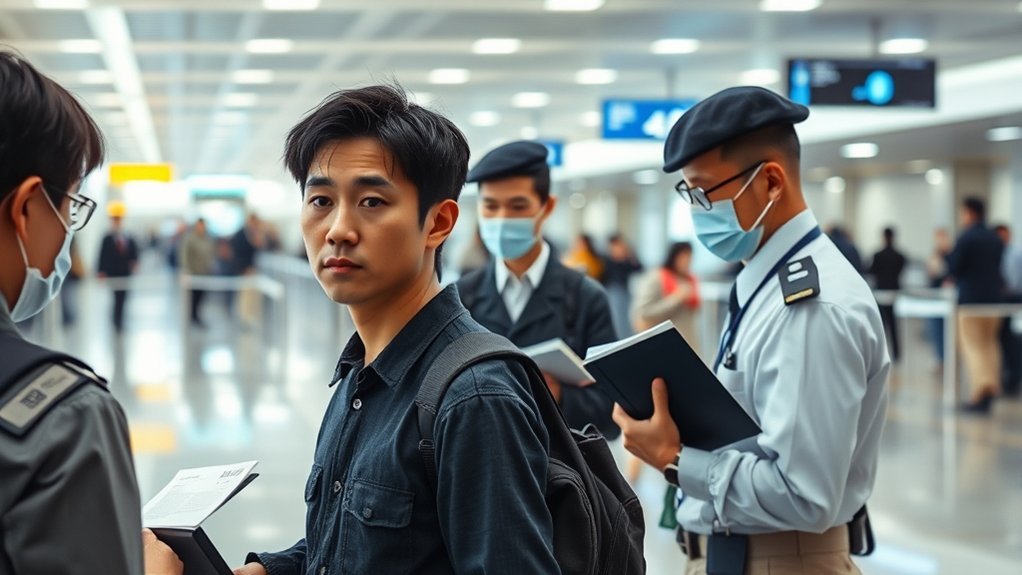
At arrival, immigration checks your passport, travel purpose, intended period of stay, and required declarations. The criminal-history question may be completed through the paper arrival record or the government’s digital arrival process. An affirmative answer can lead to additional questions about the offense, date, sentence, and supporting documents.
No public official source describes every criminal or border database available to Japanese officers. Do not rely on the assumption that a conviction is invisible because it does not appear on the face of your passport. A passport scan is only one part of immigration screening, and truthful disclosure remains required.
Warning: A false answer can create a separate credibility and immigration problem. When uncertain about how a disposition should be reported, get advice before submitting the form rather than guessing at the airport.
How DUI Convictions Affect Japan Visas
A DUI can affect visa review because the official application asks about criminal convictions and sentences. A person from a visa-exempt country may not need a short-stay visa for an ordinary tourist visit, but visa exemption is not a promise of admission. Likewise, the official application states that possession of a visa does not entitle the holder to enter if the person is found inadmissible at the port of entry.
Visa Eligibility Rules
First check whether your nationality is covered by Japan’s current short-stay visa-exemption arrangements. Then review the conviction separately. Do not assume that applying for a visa will “pre-clear” or waive a statutory landing bar. Travelers with criminal records should follow the instructions of the Japanese embassy or consulate that serves their place of residence and the Immigration Services Agency.
The Embassy of Japan in the United States visa FAQ directs people with arrest or criminal records to seek case-specific guidance and confirms that a visa itself does not guarantee landing permission.
Disclosure and Screening
Visa screening can include requests for relevant details or additional documents. Give the final offense, judgment date, sentence, completion status, and any other information specifically requested. Keep your wording consistent across the visa application, arrival declaration, and supporting records.
Do not submit a character letter, rehabilitation package, criminal-record certificate, or legal brief unless the embassy, consulate, Immigration Services Agency, or your lawyer says it is useful. Unrequested material can add confusion when the key issue is simply the final judgment and sentence.
When Japan May Deny Entry
Japan may deny landing when a traveler falls within Article 5. In a DUI-related case, the clearest criminal-record trigger is a conviction followed by a sentence of imprisonment for one year or more. A covered drug conviction with a sentence is a separate trigger. Prior deportation, other serious conduct, or public-security grounds can also change the analysis.
A suspended sentence should not be ignored. The visa form says to disclose a sentence even when suspended, and a traveler should not equate “I did not serve the time” with “no sentence was imposed.”
When the record appears to match a denial ground, do not travel based only on an online article or an airline employee’s opinion. Contact the proper Japanese authorities before departure. Airlines decide whether you may board under document rules; Japanese immigration decides whether you may land.
DUI Rules in Other Popular Destinations
Do not apply Japan’s one-year rule to other countries. Canada, Australia, New Zealand, Mexico, the United Kingdom, and the United Arab Emirates each use their own criminal-admissibility, character, visa, and disclosure rules. A destination may focus on the offense, maximum possible penalty, actual sentence, recency, rehabilitation, or purpose of travel.
A traveler admitted to one country can still be refused by another. Check the current government immigration guidance for every destination and transit point because each border applies its own rules.
What Documents to Bring for Japan
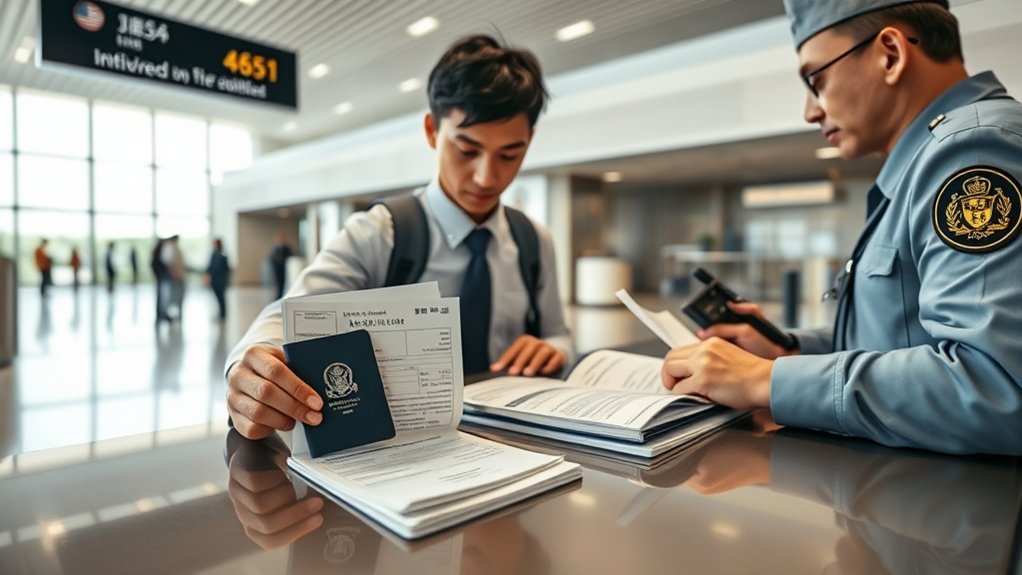
Bring an ordinary passport that remains valid for your entire stay. Japan does not generally require six months of remaining validity for an ordinary passport, although special travel documents can have different rules. Also carry your return or onward itinerary and accommodation details.
For the DUI, keep the following records available:
- A certified final court disposition showing the offense of conviction.
- The sentencing order showing the exact term imposed and whether it was suspended.
- Proof that fines, probation, treatment, or other sentence conditions were completed, when relevant.
- A clear translation into English or Japanese if the original record is in another language.
- Written guidance received from a Japanese embassy, consulate, the Immigration Services Agency, or your lawyer.
These documents are not a universal entry checklist and may not be requested. Keep them organized and present only what an officer asks for.
How to Improve Your Chances of Entry
You cannot guarantee entry, but you can reduce avoidable problems by identifying the final conviction, confirming the sentence, checking your nationality’s visa rules, and resolving uncertainties before buying nonrefundable tickets.
Gather Key Documents
Start with the final judgment and sentencing order. Police reports, booking records, and online docket summaries may use charges that were later reduced or dismissed. If your sentence was suspended, obtain paperwork that states both the term imposed and the suspension. If the record was sealed or expunged, ask a lawyer in the convicting jurisdiction how to describe it accurately when a foreign government asks about convictions.
A short written timeline can help you answer consistently: offense date, conviction date, final offense, sentence, completion date, and any later court order. Do not turn the timeline into an argument about why the offense should not matter; use it to keep the facts precise.
Answer Immigration Clearly
- Read the exact question before answering.
- Use the final court record, not the original arrest charge.
- State the sentence imposed, including a suspended term.
- Answer follow-up questions briefly and truthfully.
- Provide documents only when requested.
Do not volunteer guesses about what databases Japan can access. The safest approach is accurate disclosure and complete records.
When to Contact a DWI Lawyer
Contact a criminal-defense lawyer in the place where the case occurred when the charge is pending, the final disposition is unclear, the sentence may be one year or more, or the record was sealed, vacated, deferred, or expunged. That lawyer can explain what the court actually entered and provide certified records.
Contact a lawyer experienced in Japanese immigration when the judgment appears to fall within Article 5, you previously received a Japanese removal or landing-denial decision, or Japanese officials request a legal submission. A lawyer cannot promise admission, but can help you avoid inaccurate claims and identify the correct procedure.
| Situation | Who to contact | Main purpose |
|---|---|---|
| Pending DUI charge | Local criminal-defense lawyer | Understand possible conviction and sentence |
| Unclear, sealed, or expunged record | Local record-clearing or criminal lawyer | Confirm what the court record legally shows |
| One-year-or-longer or drug-related sentence | Japanese immigration lawyer and Japanese authorities | Assess landing-denial rules and available procedures |
| Ordinary short DUI sentence but lingering uncertainty | Japanese Immigration Services Agency or jurisdictional consulate | Obtain official case-specific direction |
Frequently Asked Questions
Is DUI a criminal offense in Japan?
Yes. Japan’s National Police Agency describes alcohol-impaired driving as a crime and lists possible imprisonment, fines, and license penalties. For entry based on a foreign DUI, Japanese immigration looks at the foreign conviction and sentence under its landing rules.
Can I go to Japan with a DUI on my record?
Many travelers with a DUI that did not produce a one-year-or-longer prison sentence and did not involve a covered drug offense may not fall within those specific Article 5 grounds. Entry is still decided at the border, and you must disclose the conviction when the form asks.
Does a DUI show up on a passport scan?
A passport scan is not the same as a criminal-record disclosure. Japan separately asks about convictions on arrival and visa forms, and immigration screening can involve information beyond the passport itself. Do not assume a conviction is invisible or answer falsely.
What country will not let you in with a DUI?
There is no accurate one-line list. Canada, Australia, New Zealand, Japan, the United Kingdom, Mexico, the UAE, and other destinations apply different rules based on the offense, sentence, recency, and travel purpose. Check each government’s current immigration guidance before travel.
Does a suspended sentence count for Japan?
Japan’s official visa application tells applicants to answer “Yes” to the sentence questions even when the sentence was suspended. Because a suspended one-year-or-longer term can create a serious immigration issue, obtain official or legal guidance before traveling.
Should I apply for a Japan visa because of a DUI?
Not automatically. Visa need depends first on nationality and travel purpose. A visa also does not waive inadmissibility or guarantee landing. Contact the Japanese embassy or consulate with jurisdiction and the Immigration Services Agency, then follow their instructions for your record.
Conclusion
A DUI is a criminal matter, but Japan does not impose a simple blanket ban on everyone with a DUI record. Focus on the final conviction and the sentence imposed. A one-year-or-longer prison sentence or a covered drug conviction can place a traveler within Article 5’s denial grounds, while a sentence below one year with no covered drug offense may not do so on those facts alone.
Before traveling, obtain the court disposition, answer every question truthfully, check whether your nationality needs a visa, and contact Japanese authorities when the sentence or record is unclear. Preparation cannot guarantee entry, but it can prevent avoidable mistakes.
Sources
- Immigration Control and Refugee Recognition Act, Article 5 — statutory grounds for denial of landing.
- Ministry of Foreign Affairs of Japan visa application form — conviction, imprisonment, drug-offense, and suspended-sentence disclosure questions.
- Immigration Services Agency Disembarkation Card for Foreigners — criminal-conviction question used for arrival records.
- Embassy of Japan in the United States visa FAQ — criminal-record inquiries, passport validity, and the fact that a visa does not guarantee landing.
- Ministry of Foreign Affairs visa-exemption list — current short-stay visa-exemption arrangements.
- National Police Agency guidance on drinking and driving — criminal and administrative penalties in Japan.

