
Last Updated on August 26, 2026 by Daniel Globe
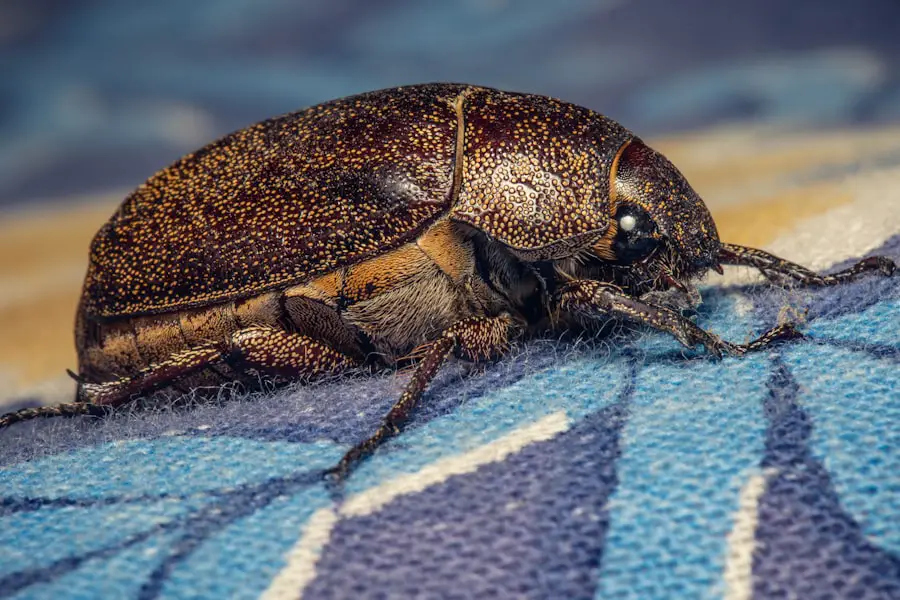
Bed bugs are small, flat, blood-feeding insects that can hitchhike into hotels and homes on luggage, clothing, and other belongings. Adults are reddish-brown and roughly apple-seed sized, but their flat bodies and habit of hiding in narrow cracks can make them difficult to spot. A quick hotel-room inspection before unpacking can reduce the chance of taking them home.
Quick Answer
Before unpacking, place luggage on an inspected rack or hard surface away from the bed. Use a flashlight to check mattress seams, box-spring edges, the bed frame, headboard, and luggage rack for live bugs, dark fecal spots, rusty stains, eggs, or shed skins. If you find evidence, contact hotel staff before settling in.
Key Takeaways
- Inspect the mattress, box spring, bed frame, headboard, and luggage rack before unpacking.
- Look for physical evidence such as live bugs, dark fecal spots, rusty stains, eggs, eggshells, and shed skins.
- Do not rely on bites alone. Bed bug bites can resemble other insect bites and skin conditions, and some people show no reaction.
- Keep luggage off the bed and floor and away from the sleeping area whenever practical.
- After a suspected exposure, keep potentially affected belongings contained until they can be inspected, laundered, dried, or otherwise treated appropriately.
- Bed bugs can occur in hotels of any price or cleanliness level, so inspecting the room is more useful than relying on star rating alone.
At a Glance
| Time Required | A few minutes before unpacking |
| Difficulty | Easy |
| Tools Needed | Flashlight or phone light; phone camera; sealable bags if needed |
| Cost | Usually none if you use items you already have |
Disclosure: As an Amazon Associate I earn from qualifying purchases. Some links on this page are affiliate links, at no extra cost to you.
Signs of Bed Bugs in a Hotel Room
The best way to check for bed bugs is to look for physical evidence rather than relying on bites. According to the U.S. Environmental Protection Agency, common signs include rusty or reddish stains on sheets or mattresses, dark fecal spots, tiny eggs or eggshells, pale shed skins, and live bed bugs.
Adult bed bugs are flat, oval, wingless insects that are usually reddish-brown and roughly the size of an apple seed. Younger nymphs are smaller and lighter in color. During the day, bed bugs often hide in seams, piping, tags, cracks, screw holes, bed frames, headboards, upholstered furniture, and other narrow spaces near sleeping areas.
A sweet or musty odor can also occur, particularly when an infestation is substantial. Odor alone is not enough to establish that bed bugs are present.
Note: A clean-looking room can still have bed bugs. The CDC notes that bed bugs can occur even in five-star hotels and that cleanliness does not determine whether they are present.
Checking for Bed Bugs in Hotel Rooms
Inspect the room before unpacking or placing clothing on the bed. The EPA recommends checking hotel sleeping areas and keeping luggage on an inspected luggage rack rather than on the bed or floor.
1. Put Your Luggage in a Safer Temporary Spot
Keep your suitcase closed while you inspect. Place it on a hard surface away from the bed or on a luggage rack only after checking the rack itself. Avoid putting luggage, backpacks, jackets, or loose clothing on the bed or upholstered furniture.
2. Inspect the Mattress and Box Spring
Pull back enough bedding to see the mattress seams, piping, labels, and corners. Use a flashlight to look for live insects, dark spotting, rusty stains, eggs, or pale shed skins. Check accessible edges of the box spring as well.
3. Check the Bed Frame and Headboard
Examine visible cracks, joints, screw holes, and the area where the headboard meets the wall or bed frame. Do not dismantle hotel furniture or do anything that could damage the room.
4. Inspect the Luggage Rack and Nearby Furniture
Look along the luggage rack’s straps, joints, and underside. If you are doing a more thorough inspection, check seams and folds in upholstered chairs or couches near the bed, along with accessible cracks in bedside furniture.
5. Decide What to Do With the Evidence
If you find a suspicious insect, shed skin, eggs, or clustered fecal spotting, take clear photographs and contact hotel management before unpacking further. If possible, avoid crushing or handling a suspected bug with bare hands. A securely contained specimen can help with identification.
Pro Tip: Use your phone’s flashlight from a low angle along mattress seams and furniture joints. Side lighting can make stains, shed skins, and moving insects easier to notice.
A visual inspection lowers risk but cannot guarantee that a room is bed-bug-free. The EPA notes that small or early infestations can be especially difficult to find.
Identifying Bed Bug Bites
Bed bug bites can be itchy, red, and slightly swollen. They may appear randomly or in lines or clusters on exposed areas such as the arms, legs, face, or neck. However, their appearance is not specific enough to diagnose a bed bug infestation.
The CDC’s bed bug guidance explains that reactions vary widely. Some people show no visible signs, while others develop itchy marks or, rarely, more serious allergic reactions. Marks may appear one to several days after the bite, and in some people signs can take as long as 14 days to develop.
Bites can raise suspicion, but physical evidence such as live bed bugs, shed skins, eggs, fecal spots, or rusty stains is more useful for confirming a possible infestation.
Avoid excessive scratching because broken skin can become infected. Most bed bug bites require little more than basic symptom care, but contact a healthcare professional if you develop a significant allergic reaction, severe swelling, worsening symptoms, or signs of secondary infection.
Inspecting Luggage and Personal Belongings for Bed Bugs
Bed bugs are effective hitchhikers. They can hide in the seams and folds of luggage, overnight bags, clothing, and other belongings, so checking your belongings is important both during the trip and after you return home.
| Checkpoint | When to Inspect | What to Check |
| Hotel room | Before unpacking | Mattress seams, box-spring edges, bed frame, headboard, luggage rack, and nearby furniture |
| Luggage | Before leaving and again after returning home | Seams, folds, zippers, pockets, handles, lining, and wheel areas |
| Clothing | After a suspected exposure and when unpacking at home | Folds, pockets, cuffs, and items that were left near beds or upholstered furniture |
If you suspect exposure, keep potentially affected clothing and other washable items contained in sealable bags until you can process them. When you return home, inspect your suitcase carefully and avoid unpacking it onto your bed or bedroom floor.
The EPA’s travel guidance recommends unpacking clothing directly into a washing machine and using a dryer at high temperatures. Washing by itself generally does not reliably kill bed bugs. EPA integrated pest management guidance specifies 30 minutes at high dryer temperatures for bedding and clothing.
Only place belongings in a clothes dryer if the item’s care instructions and materials allow it. Do not put electronics or other heat-sensitive items in a dryer. Inspect such items carefully and use a treatment appropriate for the item, or seek professional advice if you have evidence of infestation.
Vacuuming luggage can help physically remove insects or debris from accessible seams and folds. Dispose of vacuum contents carefully after use if bed bugs are suspected.
Reporting Bed Bug Infestations to Hotel Management
If you find credible evidence of bed bugs during your stay, notify hotel management promptly. Explain exactly what you found and where you found it. Photographs of live insects, spotting, shed skins, or other physical evidence can make the report clearer.
Ask the hotel what accommodation options are available. That may include inspecting the room, relocating you, or allowing you to move to another property. Refunds or other compensation depend on the hotel’s policies, the booking terms, local rules, and the circumstances, so do not assume they are guaranteed.
Keep records of your conversation, room number, photographs, receipts, and any other relevant documentation if the issue later needs to be discussed with the hotel, booking company, or travel insurer.
Precautions to Take When Traveling to Prevent Bed Bug Infestations

No travel method can guarantee that you will never encounter bed bugs, but a few habits can reduce the chance of carrying them home.
- Inspect the sleeping area before unpacking.
- Check the luggage rack before using it.
- Keep suitcases and backpacks off beds and upholstered furniture.
- Keep luggage closed when you are not using it.
- Avoid scattering clothing around the room.
- If you suspect exposure, separate potentially affected clothing in sealable bags.
- Inspect luggage when you return home and store suitcases away from the sleeping area when practical.
Hotel reviews can alert travelers to recent complaints, but they are not proof that a property either has or does not have bed bugs. Likewise, an expensive hotel is not automatically safer from bed bugs than a budget property.
Hard-shell luggage may be easier to visually inspect in some areas, but it should not be treated as bed-bug-proof. Bed bugs can hide around zippers, seams, handles, clothing, pockets, and other protected spaces on many types of luggage.
What to Do If You Encounter Bed Bugs in a Hotel
Finding a suspected bed bug is stressful, but a deliberate response can reduce the chance of spreading insects through your belongings.
- Stop unpacking. Keep luggage closed and away from the bed.
- Document the evidence. Photograph the insect, staining, shed skins, eggs, or other signs and note where you found them.
- Contact hotel management. Explain your findings and ask what room-change or relocation options are available.
- Keep potentially exposed items contained. Seal clothing or other washable belongings in bags if practical until they can be processed.
- Inspect before bringing belongings into your home. Pay close attention to suitcase seams, zippers, pockets, folds, and other hiding places.
- Process dryer-safe clothing appropriately. High dryer heat can kill bed bugs when the material can safely tolerate that treatment.
Warning: Do not try to eliminate bed bugs by overheating a home or hotel room with a thermostat, fireplace, propane heater, or improvised heating equipment. Do not put electronics or other heat-sensitive belongings in a clothes dryer. If pesticides are used, follow the product label exactly and use products registered and labeled for bed bugs. Foggers or “bug bombs” should not be used as the only control method.
Seeking Professional Help for Bed Bug Infestations
If you discover bed bugs after returning home, early action can make the problem easier to manage. A pest-management professional experienced with bed bugs can inspect the property, identify affected areas, develop a treatment plan, and provide follow-up monitoring.
Effective control often uses integrated pest management (IPM). Rather than relying on one technique, IPM can combine inspection, physical removal, containment, monitoring, heat or other nonchemical methods, and carefully selected pesticides when appropriate.
Professional whole-room heat treatment is different from simply turning up a household heater. According to the EPA’s bed bug safety guidance, heat can be effective when properly controlled, but heat-sensitive belongings must be handled appropriately and unsafe improvised heating should be avoided.
When hiring a pest-control company, look for experience with bed bugs, a clear inspection and treatment plan, instructions for preparing the property, and follow-up procedures. An established infestation may require more than one treatment or monitoring visit.
If you are concerned about organizing luggage for future trips, you can also review this guide on the best carry-on luggage for international travel. Whatever type of bag you use, careful room inspection, luggage placement, and post-travel handling matter more than assuming a particular suitcase material will prevent bed bugs.
Frequently Asked Questions
What are bed bugs?
Bed bugs are small, flat insects in the genus Cimex that feed on the blood of people and other warm-blooded animals. Adults are usually reddish-brown and wingless. They commonly hide close to sleeping areas and can travel between locations in luggage, clothing, bedding, furniture, and other belongings.
How can I tell if a hotel has bed bugs?
Check mattress seams, box-spring edges, the bed frame, headboard, luggage rack, and nearby furniture for live insects, dark fecal spots, rusty stains, eggs, eggshells, or shed skins. A sweet musty odor may occur with a heavier infestation. Bite marks by themselves cannot confirm that bed bugs are present.
What should I do if I suspect a hotel has bed bugs?
Stop unpacking, keep your luggage closed and away from the bed, document the evidence with photographs, and contact hotel management. Ask about relocation options and keep potentially exposed belongings contained until they can be inspected or treated appropriately.
Can I prevent bringing bed bugs home from a hotel?
You cannot eliminate all risk, but you can reduce it. Inspect the room before unpacking, keep luggage off beds and floors, keep belongings organized, inspect luggage before bringing it into your sleeping area at home, and process potentially exposed dryer-safe clothing using high dryer heat.
Can bed bugs be found in clean or expensive hotels?
Yes. Bed bugs can occur in hotels regardless of star rating or apparent cleanliness because they are commonly transported in luggage and other belongings. Cleanliness may help staff notice problems, but it does not make a property immune.
Do bed bug bites always appear in a line?
No. Bed bug bites may be random, clustered, or appear in a line, and some people develop no visible reaction at all. Because bites resemble mosquito bites, flea bites, rashes, and other skin problems, the pattern alone cannot confirm bed bugs.
Does washing clothes kill bed bugs?
Washing alone is not considered reliable for killing all bed bugs. EPA guidance emphasizes high dryer heat for bedding and clothing that can safely tolerate it. Follow each item’s care instructions and use another appropriate method for belongings that cannot safely go in a dryer.
Should I throw away my suitcase if I find bed bugs?
Not automatically. Inspect the suitcase carefully and keep it isolated from sleeping areas while you determine the appropriate treatment. Depending on the material and level of infestation, vacuuming, professional treatment, or another suitable control method may allow the luggage to be kept.
Sources
- U.S. Environmental Protection Agency — Tips for Travel — hotel-room inspection, luggage placement, and post-travel handling.
- U.S. Environmental Protection Agency — How to Find Bed Bugs — physical signs, hiding places, and limitations of bite-based identification.
- Centers for Disease Control and Prevention — About Bed Bugs — bed bug identification, bites, health effects, travel spread, and hotel risk.
- U.S. Environmental Protection Agency — Controlling Bed Bugs Using Integrated Pest Management — dryer heat, treatment methods, monitoring, and professional control.
- U.S. Environmental Protection Agency — Safety Issues in Controlling Bed Bugs — pesticide precautions, heat-sensitive belongings, and safe treatment practices.
