

Last Updated on July 26, 2026 by Daniel Globe
Finding bed bugs in your hotel room can quickly turn a relaxing vacation or productive business trip into a stressful ordeal. Scientifically known as Cimex lectularius, bed bugs are small, nocturnal parasitic insects that feed on the blood of humans. Roughly the size, shape, and color of an apple seed, their flat bodies allow them to hide in the tiniest of crevices, making them particularly adept at evading detection by unsuspecting travelers.
Quick Answer
To check a hotel room for bed bugs, immediately place your luggage in the bathroom or on a metal luggage rack away from walls. Use your phone’s flashlight to inspect the mattress seams, box spring, headboard, and nearby furniture for live reddish-brown bugs, shed skins, or tiny dark rust-colored spots. If you find evidence, request a new room on a different floor immediately.
Bed bugs have become a significant concern in recent years, with infestations reported in high-end resorts, budget motels, and even public transportation. Their resurgence is largely attributed to increased international travel and the insects’ remarkable ability to develop resistance to common pesticides. Because a single female bed bug can lay hundreds of eggs in her lifetime, a minor introduction can escalate into a severe infestation in just a few months.
Understanding how to identify these pests, check your accommodations, and protect your luggage is crucial for ensuring you don’t bring unwanted souvenirs back to your home.
Key Takeaways
- Adult bed bugs are reddish-brown, oval-shaped, and roughly the size of an apple seed.
- Always keep your luggage off the hotel bed and carpet; use a luggage rack or the bathroom tile upon arrival.
- Signs of an infestation include live bugs, shed exoskeletons, rust-colored blood spots, and tiny dark fecal dots on mattress seams.
- If exposed, wash and dry your travel clothing on the highest heat setting (at least 130°F) to kill all life stages.
Signs of a Bed Bug Infestation
Detecting a bed bug infestation early is vital for effective management. Because they are nocturnal and excellent at hiding, you are more likely to see the evidence they leave behind rather than the bugs themselves.
- Fecal Spots: The most common sign is the presence of small, dark, marker-like spots on bedding or furniture. These tiny black or brown stains are bed bug excrement and may bleed into the fabric like a fountain pen.
- Shed Skins: As bed bug nymphs grow, they molt and shed their exoskeletons. These translucent, light-brown skins are a clear indicator of an active, growing infestation.
- Blood Stains: Small, unexplained rust-colored smears on the bedsheets can occur if you accidentally crush a bed bug while sleeping after it has fed.
- Odor: In cases of larger infestations, bed bugs release alarm pheromones that produce a distinctive, sweet, musty odor often compared to rotting raspberries or damp towels.
Pro Tip: Bed bugs don’t just live in beds. They can hide in the crevices of nightstands, behind loose wallpaper, inside electrical outlets, and deep within the upholstery of hotel chairs.
Checking Hotel Rooms for Bed Bugs
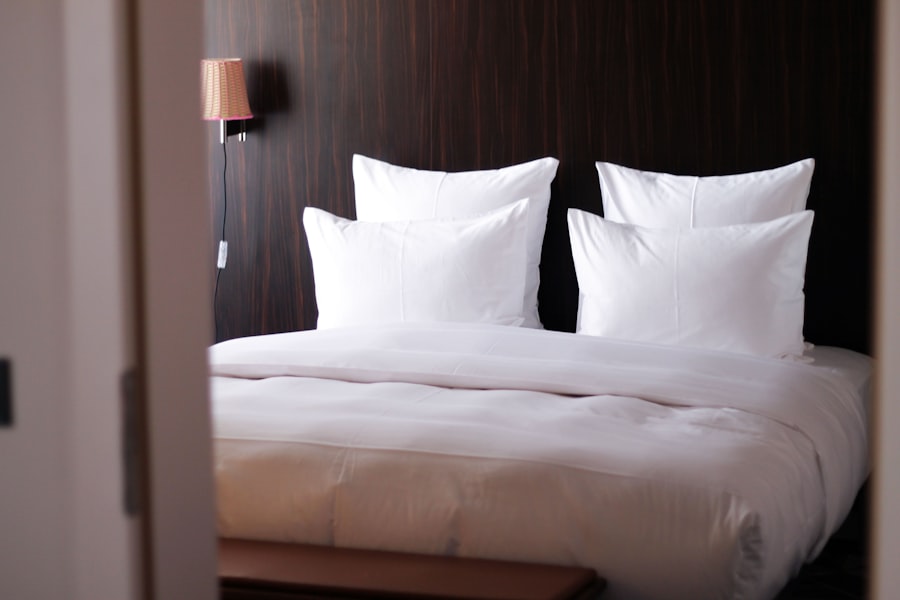
When checking into a hotel room, conducting a proactive 5-minute inspection before you settle in can save you from a massive headache down the line.
At a Glance: The 5-Minute Room Sweep
| Time Required | 3–5 minutes |
| Difficulty | Beginner |
| Tools Needed | Smartphone flashlight, a room key or credit card |
| Cost | Free |
Follow these steps immediately upon entering your room:
- Isolate Your Luggage: Do not place your bags on the bed, floor, or upholstered chairs. Place your luggage in the bathroom (in the dry bathtub or on the tile floor) or on a metal luggage rack pulled away from the wall. Bed bugs struggle to climb smooth surfaces like porcelain or metal.
- Strip the Corners: Pull back the duvet, blankets, and sheets at the corners of the bed.
- Inspect the Seams: Using your phone’s flashlight, closely examine the seams and piping of the mattress and the box spring. Use the edge of a credit card to gently pull back the piping to look for hiding bugs or fecal spots deep in the crease.
- Check the Headboard: Shine your light behind the headboard (which is often mounted on the wall and can be a prime hiding spot) and around the frame.
- Examine Surrounding Furniture: Take a quick look at the seams of any fabric chairs or couches in the room, as well as the joints of the nightstands.
Identifying Bed Bug Bites
Bed bug bites can be notoriously difficult to identify because they often resemble bites from other insects, such as mosquitoes, chiggers, or fleas. Furthermore, individual reactions vary wildly—some people develop severe, itchy welts, while others show no physical reaction at all.
| Symptom | Description |
|---|---|
| Red, itchy welts | Bites often appear as raised, red, highly itchy bumps on exposed skin areas (arms, shoulders, neck, and legs). |
| Linear pattern (“Breakfast, Lunch, Dinner”) | Bites frequently appear in a distinct line or zigzag pattern, often in groups of three or more, as the bug moves along the skin to feed. |
| Delayed reaction | Symptoms may not appear immediately. It can take a few days up to two weeks for bite marks and itching to manifest. |
If you suspect you have been bitten while traveling, monitor the affected areas. Wash the bites with soap and water and apply an over-the-counter anti-itch cream. Seek medical advice if you notice signs of a secondary bacterial infection from scratching, such as excessive redness, swelling, or pus.
What to Do If You Find Bed Bugs in Your Hotel Room
Discovering bed bugs in your hotel room is alarming, but it is crucial to remain calm and handle the situation methodically.
First and foremost, gather your belongings. If you have already unpacked, place your clothing and items into sealed plastic garbage bags to contain any potential hitchhikers and prevent them from spreading deeper into your luggage.
Warning: Never accept a new room that is directly adjacent, above, or below the infested room. Bed bugs easily travel through electrical conduits and wall voids to neighboring rooms.
Products Worth Considering

Premium Quality: LDPE mattress protector for moving resists tears during loading, shipping, and transit; Waterproof construction keeps your twin mattress dry and protected in long-term storage

PREMIUM MATERIAL - our mattress bag is made of 1.5-mil thickened polyethylene, tear-resistant and odorless.high transparency, high toughness,Protect your mattress during relocation with our tear-resistant plastic mattress bags for moving.

Oversized storage bags
Reporting Bed Bugs to Hotel Staff
Head to the front desk immediately. When informing management, provide specific details about what you found and exactly where you found it. If possible, take clear photos of the bugs or the evidence (like blood spots) using your smartphone as proof.
Most reputable hotels have strict protocols for dealing with infestations and will immediately block off the room for a professional pest control inspection. They should accommodate you by moving you to a different room (remember: request one far away from the original) or relocating you to a different property. When you arrive at the new room, conduct the exact same 5-minute inspection before unpacking.
Preventing Bed Bugs from Coming Home with You
If you stayed in a room with a confirmed or suspected infestation, or if you simply want to practice extreme caution, you must treat your luggage and clothing as if they are compromised when you return home.
Do not bring your suitcase directly into your bedroom. Leave it in your garage, outside, or in your bathtub while you process its contents. Inspect the seams, pockets, and zippers of your suitcase thoroughly.
Products Worth Considering
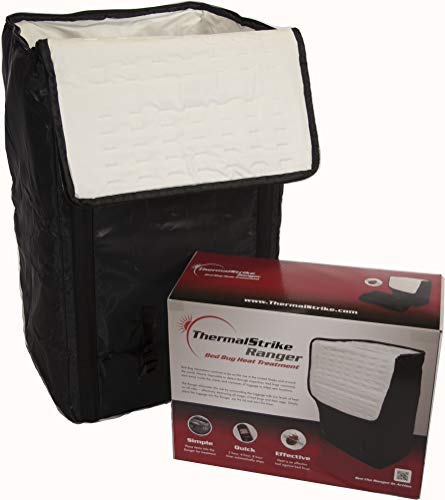
[Lethal Heating System] ThermalStrike uses a patented six-sided heating system that surrounds and destroys bed bugs, carpet beetles, moths, and other insects – including eggs, larvae, and adults. Heat in excess of 120 degrees penetrates deep into cracks and small openings.

FAST & EVEN HEATING: Equipped with four built-in aluminum heat-conducting plates, the unit quickly reaches an internal temperature of up to 122°F for efficient warming. The exterior remains safe to touch and will not damage stored items. A precise temperature controller with built-in protection automatically stops heating once the preset temperature is reached. Three layers of high-performance insulation inside the enclosure help retain warmth for reliable performance—perfect for frequent travelers

FAST HEATING & SAFETY PROTECTION: Equipped with thermal pads, it quickly reaches a core temperature of 122°F (approx. 49°C) while remaining safe to touch, protecting your items from damage. Includes a precise temperature controller with automatic shut-off and safety protection for added peace of mind. The triple-layer insulation ensures effective heat retention. Perfect for home use or RV travel
The Heat Treatment Method
Heat is the most reliable way to kill bed bugs at all life stages (eggs, nymphs, and adults). According to the Environmental Protection Agency (EPA), bed bugs and their eggs die when exposed to temperatures above 118°F (48°C) for 90 minutes, or 122°F (50°C) instantly.
To safely treat your clothes:
- Empty your suitcase contents directly into the washing machine or dissolvable laundry bags.
- Wash all clothing (even unworn items) in hot water.
- Crucially, dry the clothes on the highest heat setting for at least 30 to 45 minutes. The dryer heat is what ensures total eradication.
For items that cannot be laundered, such as hard-shell luggage or electronics, you can wipe them down with rubbing alcohol or use a handheld garment steamer along the fabric seams, as the high-temperature steam will kill bugs on contact.
Seeking Professional Help for Bed Bug Infestations
If a bed bug makes it into your home despite your best efforts, DIY treatments like over-the-counter bug bombs or sprays are notoriously ineffective. In fact, bug bombs often cause the bugs to scatter deeper into the walls, making the problem worse.
Seeking professional help immediately is critical. Licensed pest control experts have access to specialized tools, including commercial-grade heat treatments that raise the temperature of the entire room to lethal levels, targeted insecticides designed specifically for resistant bed bug strains, and sometimes even specially trained detection dogs that can pinpoint hidden nests.
Products Worth Considering

HIGHLY EFFECTIVE, PLANT-POWERED BED BUG KILLER: EcoVenger Bed Bug Killer uses a patented blend of botanical insecticidal compounds to combat tough insects. A published university study ranks it as the #1 most effective natural product against bed bugs among 12 products tested, outperforming traditional pesticides.

Upgraded and reliable heating system that quickly reaches 120-155F in minutes and effectively treats bed bugs at all life stages

READY-TO-USE APPLICATOR: Apply this bed bug spray for homes using the included Comfort Wand to target tight and hard-to-reach places where bed bugs hide
Understanding the Health and Safety Risks
The good news is that, according to the Centers for Disease Control and Prevention (CDC), bed bugs are not known to spread or transmit blood-borne diseases to humans. They are considered a nuisance pest rather than a public health threat.
“Bed bugs are not known to spread disease. Bed bugs can be an annoyance because their presence may cause itching and loss of sleep.” — The CDC
However, the psychological toll of a bed bug infestation can be immense. The anxiety associated with having parasites in your bed often leads to severe insomnia, stress, and anxiety. Furthermore, chronic scratching of the bites can introduce skin bacteria into the wounds, leading to painful secondary infections that require antibiotics.
Conclusion
Travelers must remain vigilant when it comes to preventing bed bug encounters. By establishing a routine of inspecting your hotel room upon arrival, isolating your luggage, and properly laundering your clothes using high heat when you return, you drastically minimize your risk. Awareness and prompt action are your best defenses, allowing you to enjoy your travels without the lingering worry of bringing a pest infestation home.
Frequently Asked Questions
What are bed bugs?
Bed bugs are small, reddish-brown, flat insects that feed exclusively on the blood of humans and warm-blooded animals. They are typically found in sleeping areas, mattresses, and adjacent furniture.
How can I tell if a hotel has bed bugs?
Look for physical signs such as small rust-colored blood stains on sheets, dark marker-like spots (fecal matter) on mattress seams, shed translucent skins, or a distinct, sweet, musty odor in the room.
What should I do if I suspect a hotel has bed bugs?
Do not unpack or sleep in the room. Take photos of the evidence, notify the hotel staff immediately, and request a new room that is not adjacent, above, or below the infested room.
Can I prevent bringing bed bugs home from a hotel?
Yes. Keep your luggage on a rack or in the bathroom during your stay. When you return home, wash all your travel clothes (even unworn ones) in hot water and dry them on the highest heat setting for at least 30 minutes to kill any hitchhiking bugs or eggs.
Are bed bugs only found in cheap hotels?
No. Bed bugs do not discriminate based on cleanliness or hotel price. They are introduced by guests and luggage, meaning they can just as easily be found in a luxury five-star resort as they can in a budget motel.
Sources
- Centers for Disease Control and Prevention (CDC) — Bed Bug FAQs and disease transmission facts.
- Environmental Protection Agency (EPA) — Bed bug identification, prevention, and heat treatment guidelines.
