
Last Updated on July 26, 2026 by Daniel Globe
Bed bugs (Cimex lectularius) are small, parasitic insects that feed exclusively on the blood of humans and warm-blooded animals. These nocturnal pests have plagued human habitations for thousands of years, with documented infestations dating back to ancient Egypt. In recent decades, international travel, secondhand furniture exchanges, and pesticide resistance have fueled a global resurgence. Because bed bugs can survive for several months without a meal and squeeze into paper-thin cracks, early detection and structured prevention are your best defenses when traveling or inspecting your home.
Quick Answer
To detect bed bugs in a hotel room, place luggage in the bathroom tub first, then inspect mattress seams, box spring corners, and headboards using a flashlight. Look for 4–5 mm reddish-brown insects, tiny dark fecal specks, or translucent shed skins. If found, notify management immediately and request a room on a different floor.
Key Takeaways
- Adult bed bugs are flat, oval, reddish-brown, and roughly the size of an apple seed (4–5 mm).
- Key warning signs include reddish-brown mattress stains, dark ink-like fecal spots, shed exoskeletons, and a sweet, musty odor.
- Always keep luggage elevated on a metal rack or inside the bathroom during hotel inspections.
- Bed bug bites typically appear as red, itchy welts arranged in lines or small clusters (“breakfast, lunch, and dinner” pattern).
- Decontaminate exposed clothing by washing and drying on high heat (minimum 120°F / 49°C) for at least 30 minutes.
At a Glance: Hotel Inspection Protocol
| Time Required | 5–10 minutes per room |
| Difficulty | Beginner / Easy |
| Tools Needed | Smartphone flashlight, plastic credit card (for piping seams) |
| Primary Focus Areas | Mattress piping, box spring corners, headboards, nightstands |
Disclosure: As an Amazon Associate I earn from qualifying purchases. Some links on this page are affiliate links, at no extra cost to you.
Understanding Bed Bug Biology and Life Stages
To effectively spot bed bugs, you must know what they look like across their entire life cycle. According to the Environmental Protection Agency (EPA), bed bugs undergo incomplete metamorphosis, progressing through three main developmental phases:
- Eggs: Tiny (1 mm), pinhead-sized, pearl-white, and often laid in sticky clusters inside seam crevices.
- Nymphs: Immature bugs ranging from 1.5 mm to 4 mm. They are translucent or pale straw-colored, making them extremely difficult to spot with the naked eye until after they take a blood meal, which turns them bright red.
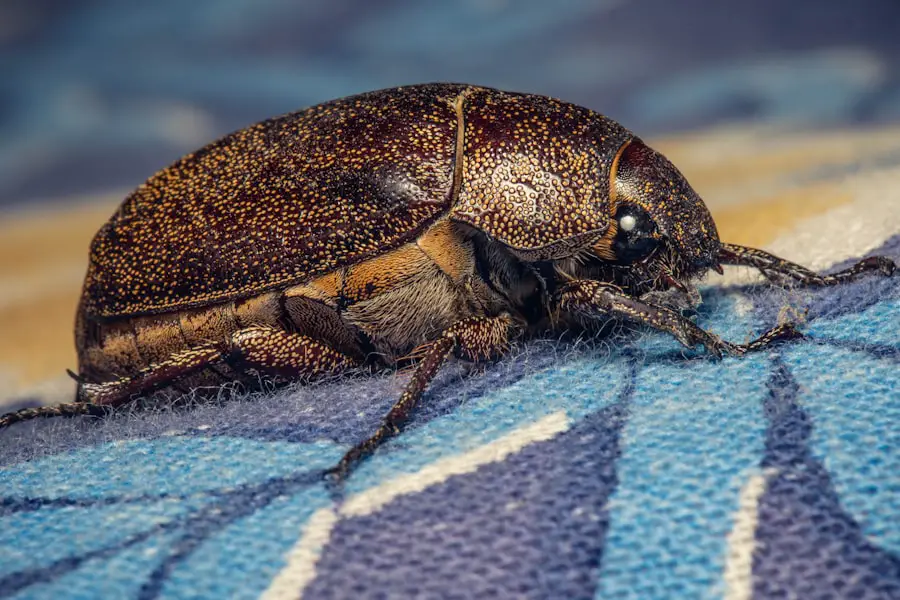
- Adults: Fully grown bugs measuring approximately 4 to 5 mm (about the size of an apple seed). They are flat, oval, and broad. Unfed adults are light brown, while recently fed adults swell, elongate, and darken to a deep reddish-brown color.
Bed bugs cannot fly or jump like fleas; instead, they crawl rapidly across floors, walls, and fabrics, traveling up to 100 feet in a single night to seek out a host.
Recognizing the Primary Signs of an Infestation
Detecting an infestation early prevents populations from spreading deeper into walls or adjacent rooms. Watch for these four distinct physical indicators:
“One of the most reliable visual signs of bed bugs is the presence of small, reddish-brown blood spots or dark, ink-like fecal specks along mattress seams and box spring corners.”
Specific signs to look for include:
- Fecal Spotting: Digested blood leaves behind small, dark black dots that resemble fine-tip marker spots on bed sheets, mattress piping, or headboards.
- Shed Exoskeletons: As nymphs grow, they molt five times before reaching adulthood, leaving behind hollow, translucent amber skins near their harborages.
- Blood Stains: Rusty or reddish smears created when sleeping individuals accidentally crush blood-gorged bugs overnight.
- Musty Pheromone Odor: Severe or longstanding infestations release alarm pheromones, producing a distinct, sweet, musty scent often compared to moldy shoes or overripe berries.
Where to Look for Bed Bugs in Hotel Rooms
When entering a hotel room, leave your luggage in the bathroom bathtub or on a hard tile surface while inspecting the bedroom area. Bed bugs rarely infest clean bathroom tile, making it the safest temporary staging zone.
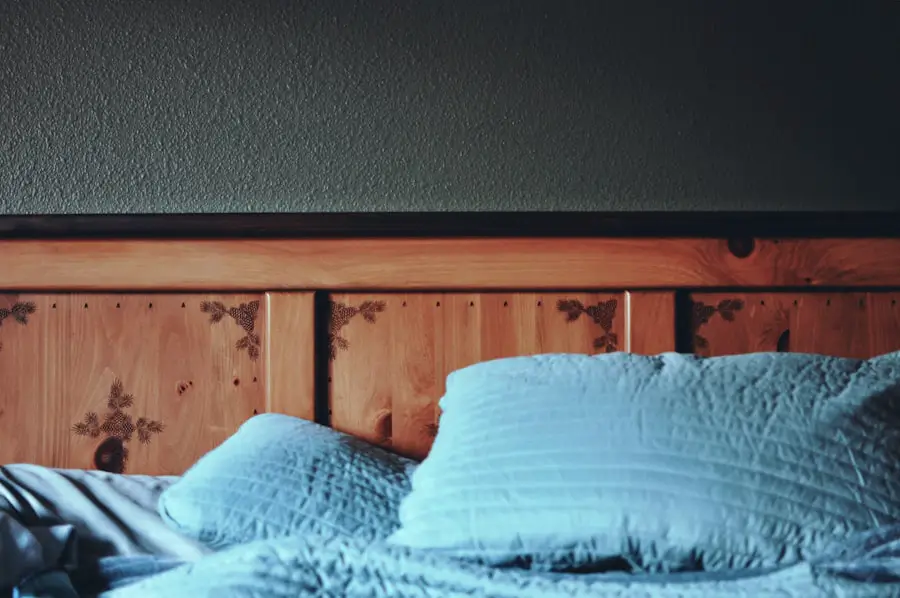
Systematically inspect key hiding zones in this order:
- The Mattress and Box Spring: Pull back the fitted sheet. Use a smartphone flashlight to examine the top and bottom fabric piping, corner guards, seams, and tags. Run a credit card along seam folds to dislodge hidden bugs or eggs.
- The Headboard and Bed Frame: Shine your light into the space between the wall and the headboard. Inspect screw holes, wooden joints, and upholstered fabric tufts.
- Nightstands and Seating: Open bedside drawers and check inside joints, underneath lamps, and around alarm clocks. Inspect seam cushions and zipper tracks of upholstered armchairs.
- Walls and Fixtures: Check behind hanging picture frames, along baseboard crevices, and around edge seams of wall-to-wall carpeting.
Pro Tip: Never place your suitcases directly on hotel beds, upholstered chairs, or carpeted floors. Keep bags elevated on a folding metal luggage rack after inspecting its rubber feet and joints.
Identifying Bed Bug Bites vs. Other Insect Bites
Bed bug bites are frequently misdiagnosed as mosquito, flea, or spider bites. However, their physical pattern and distribution provide clear diagnostic clues.
| Bug Type | Bite Appearance & Pattern | Common Locations |
|---|---|---|
| Bed Bugs | Red, raised itchy welts in a zig-zag line or tight cluster (“breakfast, lunch, dinner”) | Face, neck, arms, hands, shoulders (skin exposed during sleep) |
| Fleas | Small, intense red spots with a central puncture point; randomly scattered | Ankles, lower legs, waistline, skin folds |
| Mosquitoes | Isolated, puffy white-and-red bumps appearing shortly after exposure | Random exposed skin areas |
According to medical research from the Mayo Clinic, bed bug saliva contains anesthetics and anticoagulants that prevent the host from feeling the bite instantly. Consequently, itchy red welts may take 1 to 14 days to fully manifest on the skin surface.
Warning: Avoid scratching bed bug bites. Excessive scratching can break the skin barrier, increasing the risk of secondary bacterial skin infections like impetigo or cellulitis. Treat itching with over-the-counter hydrocortisone creams or oral antihistamines.
How to Inspect and Decontaminate Luggage
Luggage is the primary vehicle bed bugs use to travel from hotel rooms into personal homes. Follow these steps when returning from a trip:
- Exterior Check: Before bringing luggage indoors, place your suitcase on a light-colored sheet or outdoor patio. Inspect outer zipper tracks, wheel wells, fabric seams, and name tags with a flashlight.
- Interior Quarantine: Unpack contents directly into trash bags or directly into your washing machine. Never unload travel clothes onto a carpet or bed.
- Thermal Decontamination: Wash all clothes (including unworn items) in hot water and dry them on high heat for a minimum of 30 minutes. According to CDC bed bug protocols, sustained temperatures above 120°F (49°C) reliably destroy all bed bug life stages, including heat-resistant eggs.
- Suitcase Treatment: Thoroughly vacuum non-washable luggage interiors, paying close attention to lining seams. Vacuum cleaner bags should immediately be sealed in plastic and discarded outdoors. Alternatively, store empty luggage inside sealed garment bags or treat hard-shell suitcases with a handheld garment steamer.
What to Do If You Find Bed Bugs in Your Hotel Room
Discovering bugs in your hotel room requires calm, decisive action:
- Document the Evidence: Take clear, close-up photos or videos of live insects, fecal marks, or skin cast-offs using your phone camera.
- Notify Front Desk Management Immediately: Alert hotel management in a polite but firm manner. Reputable hotels will immediately remove the room from service and initiate professional pest control protocols.
- Request a Room Reassignment: Ask to be moved to a room that does not share a wall, floor, or ceiling with the infested unit. Bed bugs easily travel through plumbing chases, electrical conduits, and hallway corridors.
- Quarantine Exposed Items: Seal any loose clothing or personal items that touched the bed in heavy-duty plastic bags until they can be thermally treated.
Preventing Bed Bug Infestations in Your Home
Preventing home infestations requires proactive habits across travel, shopping, and everyday maintenance:
- Secondhand Items: Inspect used furniture, mattresses, and wooden bed frames thoroughly prior to purchase. Never bring discarded upholstered furniture found on sidewalks into your home.
- Protective Encasements: Install high-quality, bite-proof mattress and box spring encasements certified for bed bugs. These lock existing bugs inside and eliminate complex hiding spots on exterior fabrics.
- Clutter Reduction: Keep bedroom floors free of excess paper, clothing, and clutter. Clutter provides dark hiding spots and complicates inspection efforts.
- Interceptors: Install plastic bed bug interceptors under all bed frame posts. These dish-like traps prevent crawling bugs from climbing up bed legs and serve as an early-warning monitor.
Conclusion and Additional Resources
Bed bugs are formidable pests due to their rapid reproduction cycles and stealthy habits. However, by knowing how to perform thorough hotel room inspections, identifying bites accurately, and using thermal decontamination methods upon returning home, you can effectively safeguard your living space.
For additional official guidance and integrated pest management (IPM) strategies, consult educational materials published by federal health agencies and university entomology extensions.
Frequently Asked Questions
What are bed bugs?
Bed bugs are small, reddish-brown parasitic insects that feed on human and animal blood. They are nocturnal, wingless, flat-bodied pests that hide inside cracks, crevices, mattress seams, and furniture during daylight hours.
How can I spot bed bugs in a hotel room?
You can spot bed bugs by peeling back bedding sheets and using a flashlight to check mattress seams, box springs, and headboards. Look for live 4–5 mm reddish-brown bugs, translucent cast skins, dark fecal dots, or rusty blood stains.
Where should I look for bed bugs in a hotel room?
Focus your inspection on the mattress piping seams, box spring plastic corners, headboards, nightstand drawers, upholstered chairs, baseboards, and picture frame backings within 6 feet of the bed.
What should I do if I find bed bugs in my hotel room?
Document the pests with photos, keep your luggage elevated in the bathroom, notify hotel management immediately, and request a room transfer to a different floor that does not neighbor the infested room.
Can I prevent bringing bed bugs home from a hotel?
Yes. Elevate suitcases on metal luggage racks, inspect luggage before entering your home, unpack directly into trash bags or the washer, and dry all clothing on high heat (above 120°F / 49°C) for at least 30 minutes.
Sources
- U.S. Environmental Protection Agency (EPA) — Bed Bug Information, Prevention, and Control Guidelines
- Centers for Disease Control and Prevention (CDC) — Parasites & Bed Bug Frequently Asked Questions
- Mayo Clinic — Bedbugs: Symptoms, Diagnosis, and Treatment
