
Last Updated on July 30, 2026 by Daniel Globe
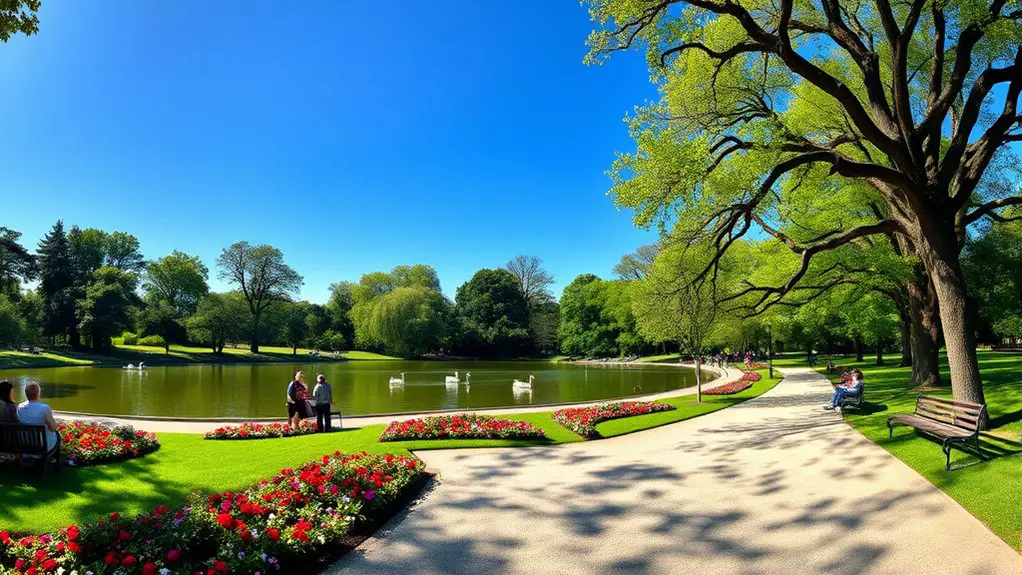
Hyde Park is easy to visit, but a little planning helps you see more and avoid preventable surprises. Choose the entrance closest to your first stop, check the official park alerts and event calendar, and allow at least two to four hours for the lake, gardens, monuments, and a relaxed walk through one of central London’s best-known green spaces.
Quick Answer
Visit Hyde Park by Tube, bus, bicycle, or on foot. The pedestrian gates normally open from 5 a.m. to midnight. Start near Marble Arch, Lancaster Gate, Hyde Park Corner, or Knightsbridge, then follow a route past the Serpentine, Diana Memorial Fountain, Rose Garden, Rotten Row, and Speakers’ Corner.
Key Takeaways
- Hyde Park’s pedestrian gates normally open from 5 a.m. to midnight throughout the year, but temporary event or maintenance closures can affect access.
- The closest Tube stations are Lancaster Gate and Marble Arch on the Central line, plus Hyde Park Corner and Knightsbridge on the Piccadilly line.
- Top sights include the Serpentine, Diana Memorial Fountain, Rose Garden, Rotten Row, Speakers’ Corner, and several historic monuments.
- Serpentine South and Serpentine North are in neighboring Kensington Gardens, not inside Hyde Park, but they are easy to add to the same outing.
- Bring comfortable shoes, water, weather protection, and a contactless payment method for toilets, transport, food, or paid activities.
At a Glance
| Time Required | 2–4 hours for the main sights; half a day or longer with galleries, boating, swimming, sports, or an event |
| Difficulty | Easy, with mostly flat walking routes; distance depends on your chosen entrance and itinerary |
| Tools Needed | Comfortable shoes, water, phone or map, weather protection, and contactless payment |
| Cost | Park access is free; transport, parking, food, toilets, boat hire, swimming, sports, and ticketed events cost extra |
Disclosure: As an Amazon Associate I earn from qualifying purchases. Some links on this page are affiliate links, at no extra cost to you.
Planning Your Visit and Best Times to Go

The official Hyde Park visitor guidance states that pedestrian and vehicle gates normally open at 5 a.m. and close at midnight every day. Major events, maintenance, severe weather, or safety work can change access, so check the park page before traveling.
Spring is a strong choice for blossoms and fresh greenery, while summer brings longer daylight, the busiest event calendar, and more seasonal activities. Autumn offers colorful foliage, and winter can be quieter outside major event periods. There is no official daily “peak period” for ordinary visits, but early mornings and weekday afternoons often feel calmer than sunny weekends or event days.
For photography, visit after sunrise or during the hour before sunset. For picnics and gardens, late spring through early autumn usually provides the most comfortable conditions, but London weather changes quickly. Check the forecast and bring a light waterproof layer even when the morning looks clear.
Hyde Park covers about 142 hectares, or 350 acres, so choosing the right entrance can save time and unnecessary walking.
Note: Status checked July 30, 2026: The Royal Parks reported the Diana Memorial Fountain closed because of a major water-system fault and the Serpentine Lido closed because of blue-green algae. Check the fountain status and swimming status on your visit date because reopening information can change.
Pro Tip: Download or save the official Hyde Park map before you arrive. It shows entrances, toilets, accessible toilets, cafés, cycle routes, drinking fountains, monuments, and activity areas.
How to Reach Hyde Park: Transportation Options

Hyde Park is surrounded by major roads and public transport links, so the best arrival point depends on what you want to see first. Use the Transport for London journey planner to check current routes, disruptions, accessibility options, and walking directions.
| Transportation Option | Best Use |
|---|---|
| Tube and bus | Usually the easiest choice for central London visitors |
| Cycling | Useful for covering more ground, but riding is allowed only on designated routes |
| Driving | Possible, but parking is paid, limited, and less convenient during large events |
| Walking | Ideal from Paddington, Mayfair, Knightsbridge, Kensington, or nearby attractions |
Nearest Tube Stations
- Lancaster Gate: convenient for the northwest side, the Italian Gardens area in Kensington Gardens, and the northwestern end of the Serpentine.
- Marble Arch: best for Speakers’ Corner and the northeast corner of Hyde Park.
- Hyde Park Corner: useful for the southeast corner, the Rose Garden, Rotten Row, and Wellington Arch outside the park.
- Knightsbridge: convenient for the southern side, the Diana Memorial Fountain area, and the Serpentine.
London Paddington is the closest major rail station, about 500 meters north of West Carriage Drive according to The Royal Parks. Many bus routes also stop around Bayswater Road, Park Lane, Knightsbridge, and Hyde Park Corner.
Cycling and Bike Hire
Cycle-hire points are available around the park, but bicycles may be ridden only on marked routes such as Serpentine Road and The Broad Walk. Smaller paths with “no cycling” signs are for pedestrians. Slow down in busy areas and remember that pedestrians have priority.
Driving and Parking
Hyde Park has two public car parks accessed from West Carriage Drive. Parking is chargeable during posted hours and subject to maximum-stay limits. Blue Badge spaces are available, with separate time-limit rules. Check the official parking information before driving because tariffs and restrictions can change.
Warning: Do not assume every path is a cycle route or that parking will be available during a concert, festival, or major event. Follow signs, temporary barriers, and steward instructions.
Must-See Sights and Landmarks in Hyde Park
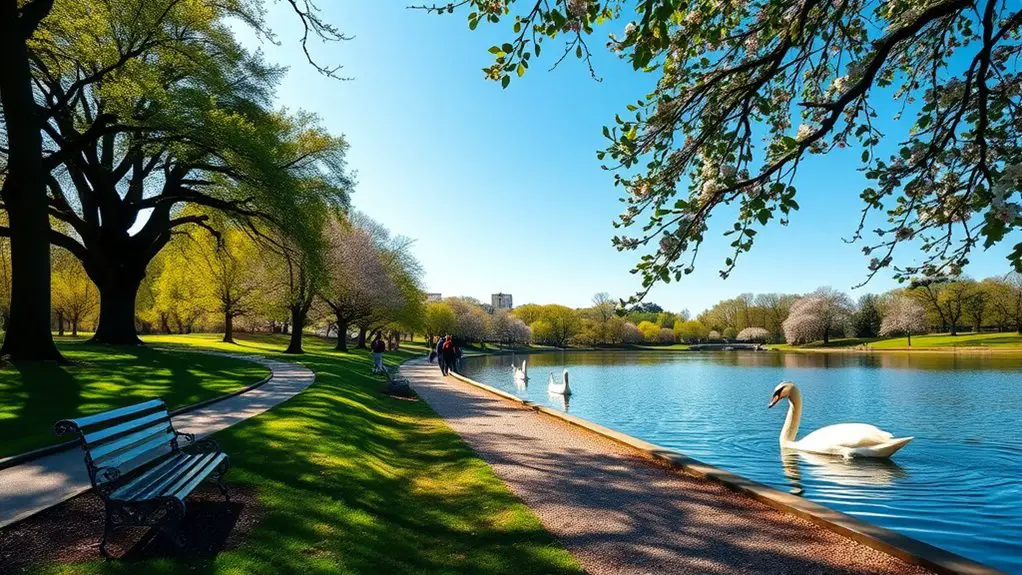
Hyde Park combines open lawns, formal gardens, historic routes, memorials, public art, and lakeside scenery. These stops provide a balanced first visit:
- The Serpentine: Walk beside the lake, watch waterbirds, stop at a café, or hire a rowing boat or pedalo when operations and weather allow.
- Diana Memorial Fountain: This granite water feature honors Diana, Princess of Wales. Check the official page before visiting because safety closures can affect access.
- The Rose Garden: Near Hyde Park Corner, this formal garden is especially colorful in the warmer months and offers a quieter break from the main paths.
- Rotten Row: Follow part of this historic riding route along the southern side of the park and look for horse riders using designated tracks.
- Speakers’ Corner: Visit the northeastern corner, traditionally associated with public speeches and debate since the mid-19th century.
- Memorials and statues: Look for the Achilles statue, the 7 July Memorial, the Holocaust Memorial, and other monuments shown on the official map.
Where Are the Serpentine Galleries?
Serpentine South and Serpentine North display contemporary art in Kensington Gardens, immediately west of Hyde Park. The galleries sit on opposite sides of Serpentine Bridge and are a natural extension of a Hyde Park walk. Admission is free, although advance booking may be recommended for some exhibitions or time slots. Check the official Serpentine visitor page for opening hours and current exhibitions.
Suggested Hyde Park Walking Route
This flexible route takes about two to three hours without long café stops or paid activities:
- Enter near Marble Arch and visit Speakers’ Corner.
- Walk southwest toward the Serpentine, passing open lawns and monuments.
- Follow the lakeside path toward the Serpentine Bridge.
- Continue to the Diana Memorial Fountain area, checking current access before arrival.
- Turn southeast toward Rotten Row and the Rose Garden.
- Finish at Hyde Park Corner, or cross west into Kensington Gardens for the Serpentine galleries.
Reverse the route if you are arriving from Knightsbridge or Hyde Park Corner. Families, slower walkers, and visitors who stop for boating, galleries, lunch, or photography should allow extra time.
Activities and Events to Enjoy During Your Visit
No matter the season, Hyde Park offers more than sightseeing. You can walk, jog, picnic, play informal games, use bookable sports facilities, join selected guided walks, or attend scheduled events.
Boating and Swimming
The Hyde Park Boathouse offers rowing boats, pedalos, and accessible boats. Opening days and closing times vary by season and weather, and queues may close before the advertised end of the day during busy periods. Review the official boating information for current hours, prices, and conditions.
Public swimming is limited to the Serpentine Lido during its operating season and only when water and safety conditions permit. Do not enter other parts of the lake. Book ahead during warm weather and check for closure notices before traveling.
Picnics, Sports, and Family Activities
Informal picnics are welcome. Bring a blanket and choose a spot away from busy paths, sports areas, and protected planting. Barbecues and open fires are not allowed. Take litter home or use a bin to protect wildlife.
The park also offers tennis, padel, pitches, horse riding through approved stables, a children’s playground, and seasonal family activities. Some facilities require advance booking or payment.
Concerts, Festivals, and Guided Walks
Hyde Park hosts major summer concerts, Winter Wonderland, charity events, guided walks, and smaller nature or history programs. These are scheduled activities, not daily attractions. Check The Royal Parks’ official events calendar, confirm whether tickets are required, and expect altered routes or closures around large events.
Food, Toilets, and Accessibility
Hyde Park has four main cafés—Serpentine Bar & Kitchen, Serpentine Lido Café, The Courts Café, and The Lodge Café—plus seasonal or smaller kiosks. Opening times can vary, so check the official food and drink page if a café stop is important to your plans.
Public toilets are shown on the park map. The Royal Parks currently charges 20p at public toilets and uses contactless payment rather than cash. Accessible toilets are available at selected locations, but not every facility has the same features.
Many main routes are broad and relatively level, but surfaces, crossings, temporary diversions, and event barriers can affect mobility. Use the official map to find accessible toilets and choose a route that matches your needs. TfL’s journey planner can also filter for step-free public transport options.
Note: Carry a contactless card or mobile wallet. It can be useful for toilets, public transport, cafés, and paid activities, even if you plan a mostly free visit.
Tips for Making the Most of Your Day in Hyde Park
Start early if you want quieter paths and easier photographs. Pack water, snacks, a camera or charged phone, and a picnic blanket if you plan to rest on the grass. Wear shoes that are comfortable for several miles of walking.
For better photographs, use soft morning or evening light, frame the Serpentine with trees or bridges, and step away from the busiest viewpoints. Respect signs and barriers around memorials, gardens, wildlife areas, and temporary works.
Use these simple steps to make the day smoother:
- Check the weather, park alerts, events, and transport status before leaving.
- Choose your entrance based on your first attraction rather than entering at random.
- Save the official map and mark toilets, cafés, and your exit station.
- Book boating, swimming, sports, gallery visits, or ticketed events when required.
- Leave time to wander instead of trying to cross the entire park at speed.
Visiting Hyde Park With a Dog
Dogs are welcome in Hyde Park and generally do not have to stay on a lead, but owners must keep them under control. Restrictions apply in certain places. Dogs must be kept on a lead in the Rose Garden and around the Serpentine, and they are not permitted in areas such as the Diana Memorial Fountain, the Lido swimming area, the lake, the bowling green and tennis centre area, children’s playgrounds, and toilets. Follow local signs because temporary restrictions may also apply.
Bring waste bags, prevent your dog from disturbing wildlife or other visitors, and keep well away from horses, cyclists, busy roads, and food areas.
Frequently Asked Questions
Are guided tours available in Hyde Park?
Yes. The Royal Parks runs selected guided walks and self-guided routes, while independent operators may offer walking or cycling tours. Dates, topics, prices, and availability vary, so check the official events calendar or verify the operator before booking.
Is Hyde Park dog-friendly?
Yes. Dogs are generally allowed off lead when kept under control, but lead-only and no-dog areas apply around the Rose Garden, Serpentine, Diana Memorial Fountain, Lido, playgrounds, sports areas, toilets, and other signed locations.
Are there public and accessible toilets in Hyde Park?
Yes. Public and accessible toilets are marked on the official park map. Public toilets currently cost 20p and accept contactless payment rather than cash. Check the map because opening times and accessibility features vary by location.
Can I rent bikes or boats in or near the park?
Cycle-hire points are available around Hyde Park, and boats can be hired from the Hyde Park Boathouse when it is operating. Cycling is limited to designated routes, while boating hours and availability depend on season, weather, and demand.
Are there dining options inside or close to Hyde Park?
Yes. Hyde Park has four main cafés and several kiosks, while neighborhoods around Mayfair, Knightsbridge, Bayswater, Paddington, and Kensington offer many more restaurants. You may also bring a picnic, but barbecues and open fires are prohibited.
What time does Hyde Park open and close?
Pedestrian and vehicle gates normally open at 5 a.m. and close at midnight every day. Temporary closures can occur for events, maintenance, severe weather, or safety reasons, so check official alerts before visiting.
Is Hyde Park free to visit?
General access to the park is free. You may pay for transport, parking, toilets, food, sports facilities, boating, swimming, exhibitions with special booking requirements, or ticketed events.
Can I swim anywhere in the Serpentine?
No. Public swimming is restricted to the Serpentine Lido during official sessions and only when the facility is open. Never enter closed or unsupervised parts of the lake, and check current water-quality and safety notices before traveling.
Conclusion
A successful Hyde Park visit starts with three choices: when to go, which entrance to use, and which sights matter most to you. Check current closures, arrive by the station closest to your route, and leave enough time for the Serpentine, gardens, monuments, cafés, and quieter lawns. With a saved map and flexible plan, you can enjoy both the park’s lively attractions and its peaceful corners.
Sources
- The Royal Parks: Hyde Park FAQs — opening hours, transport, parking, cycling, toilets, dogs, picnics, and park rules
- The Royal Parks: Hyde Park Map — entrances, attractions, toilets, accessible facilities, cafés, and route planning
- The Royal Parks: Diana Memorial Fountain — monument details and current access notices
- The Royal Parks Sport & Leisure: Boating in Hyde Park — seasonal hours, accessibility, prices, and safety conditions
- The Royal Parks Sport & Leisure: Swimming in Hyde Park — Lido season, booking, supervision, and closure notices
- Serpentine Galleries: Plan Your Visit — gallery location, admission, opening information, and booking guidance
