

Last Updated on August 23, 2026 by Mason Reed
To reduce campground noise in your tent, focus on realistic noise-control methods rather than trying to make your shelter completely soundproof. Choosing a quieter campsite, using a well-built tent, reducing wind and rain noise, adding soft materials, and using earplugs or noise-canceling headphones can all help you sleep better outdoors.
Quick Answer
The best way to reduce campground noise is to combine smart campsite selection with simple sound-reduction techniques. Place your tent away from roads and busy areas, choose a stable tent that handles wind well, add rugs or blankets inside, and use earplugs or headphones when outside noise cannot be avoided.
Key Takeaways
- Tent soundproofing has limits, but noise reduction is possible.
- Your campsite location often matters more than expensive gear.
- Soft materials can reduce echoes inside a tent.
- Earplugs and headphones remain the simplest solutions for loud campgrounds.
At a Glance
| Time Required | 15 minutes to several hours depending on setup changes |
| Difficulty | Easy for most campers |
| Tools Needed | Tent accessories, rugs, blankets, earplugs, headphones |
| Cost | Free to moderate depending on equipment |
Disclosure: As an Amazon Associate I earn from qualifying purchases. Some links on this page are affiliate links, at no extra cost to you.
Why Reducing Tent Noise Is Important
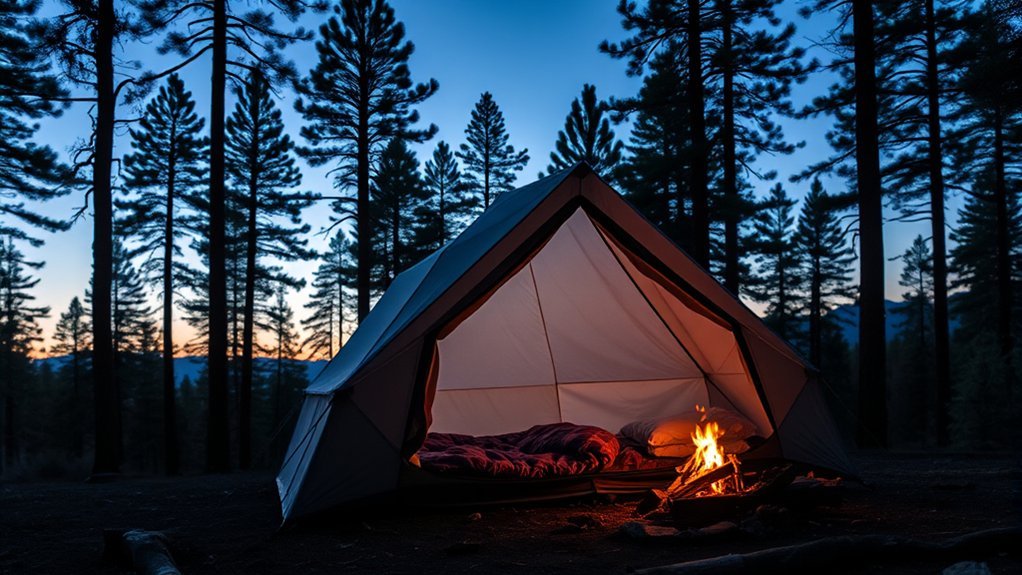
Camping gives you a chance to disconnect, but unwanted sounds can make sleeping difficult. Nearby conversations, generators, traffic, wind, and rain can interrupt rest even in beautiful locations.
While a tent cannot usually be made completely soundproof, you can reduce many common noises by combining better equipment choices with smarter campsite setup. A quieter sleeping area helps you recover after hiking, exploring, or spending a full day outdoors.
Pro Tip: The quietest campsite is often the one you choose before pitching your tent. Avoiding busy areas is usually more effective than adding extra sound barriers later.
Effective Techniques for Reducing Tent Noise
Use several small improvements together for the best results:
- Choose a quieter campsite: Stay away from roads, parking areas, bathrooms, playgrounds, and generator locations when possible.
- Add soft materials: Rugs, blankets, and sleeping pads can reduce echoes inside your tent.
- Reduce wind noise: Properly stake and tension your tent to prevent excessive fabric flapping.
- Block personal noise: Earplugs and noise-canceling headphones can help when campground sounds are unavoidable.
- Use a rain fly correctly: A properly installed rain fly can reduce some wind and weather noise.
Choosing the Right Tent for Noise Reduction
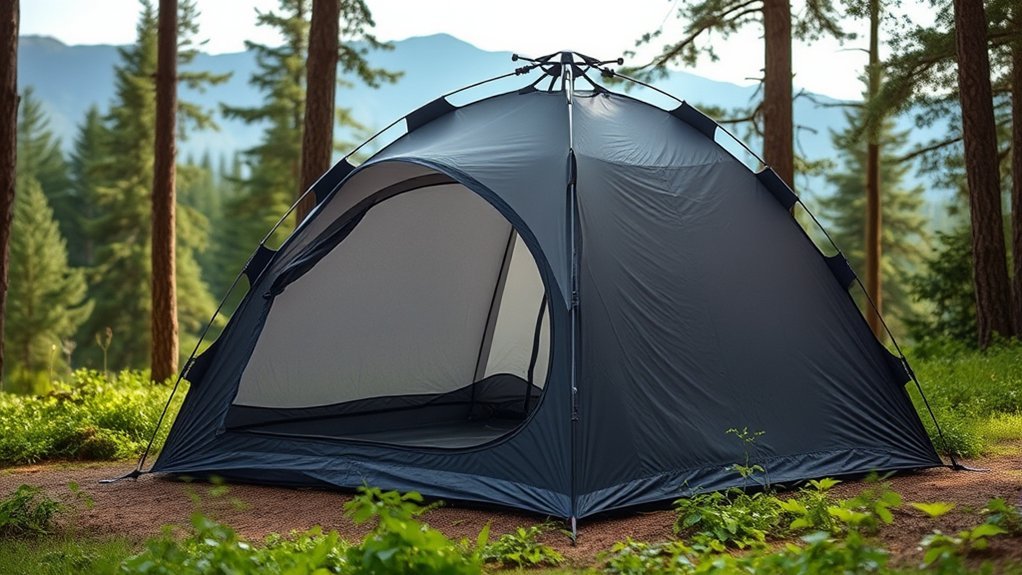
Your tent design affects how much outside noise reaches your sleeping area. Larger family tents with more fabric may behave differently from lightweight backpacking tents, especially during wind.
When shopping for a tent, look for:
- Strong poles and stable construction: A well-tensioned tent is less likely to create loud flapping sounds.
- Weather-resistant designs: Better wind handling can make stormy nights more comfortable.
- Quality materials: Heavier fabrics may feel quieter than extremely thin lightweight materials.
Using Noise-Reduction Tools and Products
Simple accessories can make your sleeping area more comfortable:
- Earplugs: A low-cost option for reducing unwanted sounds.
- Noise-canceling headphones: Useful when camping near busy areas.
- Blankets and rugs: Add soft surfaces that reduce internal echoes.
- Sleep accessories: Comfortable sleeping pads and bedding can help you rest despite normal outdoor sounds.
Warning: Do not modify tents with heavy materials that could create ventilation problems, damage fabric, or interfere with safe use. Always follow the tent manufacturer’s instructions.
Creating a Quieter Camping Environment

A quieter camping experience starts before bedtime. Walk around your campsite area and think about possible noise sources before choosing your final tent location.
Natural barriers such as trees, hills, or vegetation may reduce some wind exposure and create a more comfortable environment. However, avoid locations where falling branches, flooding, or other hazards could become a concern.
For immediate noise management, combine campsite planning with personal solutions like earplugs or headphones.
A quieter campsite usually comes from better planning first and better equipment second.
Frequently Asked Questions
Can I make my tent completely soundproof?
Most camping tents cannot become completely soundproof. You can reduce noise using better campsite placement, stable tent setup, soft materials, and hearing protection.
Will camping near water make noise worse?
Water areas can sometimes carry or reflect sounds, and they may also have additional natural noises. Choose your campsite based on the overall environment.
How can I find a quieter campsite?
Look for areas away from roads, busy trails, bathrooms, and large group campsites. Visiting during less crowded seasons can also help.
Are there tents designed for quieter camping?
Some tents handle wind and weather better than others, which can reduce flapping and storm-related noise. Look for stable designs and quality construction.
What season is best for quieter camping?
Spring and fall often have fewer crowds than peak summer periods, although conditions vary by location.
Conclusion
Reducing campground noise is about improving your setup, not creating a completely silent tent. Choosing a smart campsite, using reliable gear, controlling wind and weather noise, and adding simple comfort items can make nights outdoors much more enjoyable. With a little planning, you can sleep better and enjoy a calmer camping experience.
Sources
- REI Tent Care Guide — general tent setup and care practices.
- National Park Service Camping Guidance — campground planning and outdoor safety information.
- CDC NIOSH Noise Guidance — information about noise exposure and hearing protection.
