

Last Updated on August 26, 2026 by Mason Reed
Condensation can leave a sleeping bag damp even when no rain gets inside your tent. The main causes are moisture from your body and breath, humid air, wet gear, and cold surfaces that cool moist air to its dew point. You cannot prevent every drop of condensation, but good ventilation, temperature control, campsite selection, and daily drying can keep most of that moisture out of your sleeping bag.
Quick Answer
To keep condensation off your sleeping bag, ventilate the tent, keep the bag away from wet tent walls, sleep in dry clothing, avoid breathing into the bag, and vent the bag if you become too warm. Air and dry the bag every morning. On long winter trips, a vapor barrier liner can help keep body moisture out of insulation.
Key Takeaways
- Condensation forms when moist air reaches a sufficiently cold surface and cools to its dew point.
- Ventilation helps lower moisture inside a tent, although humid or rainy conditions can still produce condensation.
- Keep your sleeping bag away from wet tent walls, especially around the footbox.
- Use dry sleep clothes and avoid breathing into or burying your face inside the sleeping bag.
- Choose a sleeping bag with an appropriate temperature rating and vent it before you begin sweating.
- Air and fully dry the bag whenever possible before packing or long-term storage.
At a Glance
| Time Required | About 10–20 minutes during camp setup, plus a few minutes of airing and drying in the morning |
| Difficulty | Easy for normal three-season camping; advanced moisture management may be needed on extended winter trips |
| Tools Needed | Tent vents, sleeping pad, dry sleep clothing, and a way to air the sleeping bag; an optional liner or VBL may help in specific conditions |
| Cost | Usually $0 with existing camping gear; optional liners, VBLs, or moisture-resistant sleep-system upgrades add extra cost |
Disclosure: As an Amazon Associate I earn from qualifying purchases. Some links on this page are affiliate links, at no extra cost to you.
Understanding the Causes of Condensation
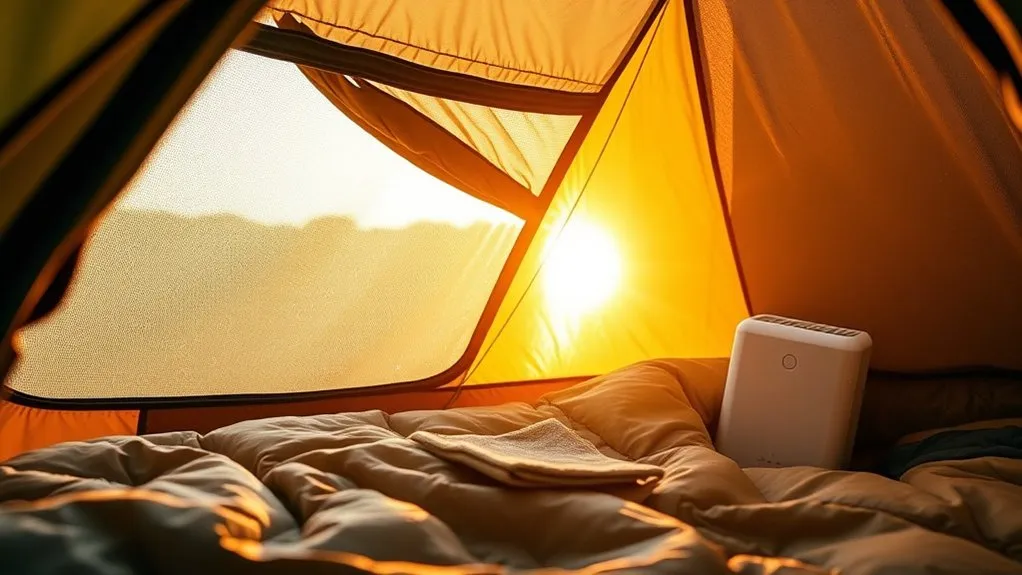
Condensation happens when moist air cools enough to reach its dew point. On a cold night, warm air containing moisture from your body, breathing, damp gear, and the surrounding environment can encounter the cooler surfaces of your sleeping bag or tent and form water droplets.
This is why a tent can be wet inside even when its waterproof fabric is not leaking. MSR explains that warm, moist air contacting cooler tent fabric creates condensation and that ventilation can often reduce it. In very humid conditions, however, some condensation may be unavoidable. See the MSR tent-use guidance on condensation.
Your sleeping bag can become damp in several different ways. Moisture may settle on its outer shell from tent condensation, transfer directly when the bag touches a wet tent wall, or come from perspiration inside the bag. During prolonged cold-weather trips, water vapor moving outward from your body can also cool within the insulation and gradually add moisture to the sleep system.
- Body moisture: Perspiration and water vapor from your skin add humidity to the sleep system.
- Breathing: Exhaled air contains moisture. Breathing inside the sleeping bag can direct that moisture into the insulation around your hood.
- Damp clothing: Wet socks, base layers, or jackets can transfer moisture directly into the bag.
- Wet gear: Drying soaked clothing or storing wet equipment inside a small tent raises the amount of moisture in the air.
- Cold tent surfaces: A footbox pressed against a condensation-covered rainfly or tent wall can become wet through direct contact.
- Humid weather: Rain, fog, saturated ground, and naturally humid air make it harder for moisture to escape.
Note: There is no universal relative-humidity percentage at which sleeping-bag condensation suddenly begins. Temperature, dew point, ventilation, moisture production, and surface temperature all affect whether condensation forms.
Choosing the Right Sleeping Bag
The right sleeping bag cannot eliminate condensation, but its insulation, temperature rating, shell fabric, and ventilation features affect how well it handles moisture. Focus on a bag that matches your expected conditions rather than simply choosing the warmest or most waterproof-looking option.
Insulation Material Selection
Down insulation is popular because it generally provides excellent warmth for its weight, compresses well, and can last for many years when cared for properly. Its weakness is moisture: when down becomes substantially wet and clumps together, it loses loft and therefore loses insulating performance.
Many modern down sleeping bags use water-resistant or hydrophobic down treatments that make the fill more resistant to dampness. These treatments can help, but they do not make a down sleeping bag waterproof. REI’s current sleeping-bag guidance notes that treated down can improve performance in damp conditions while preserving down’s weight and packability advantages. See REI’s sleeping-bag insulation guidance.
Synthetic insulation is often a practical choice for humid climates, frequent condensation, or trips where fully drying your gear may be difficult. Synthetic fill generally dries faster and continues to provide useful insulation when damp. It is usually bulkier and heavier than high-quality down for comparable warmth, although actual performance varies by design.
Temperature Rating Considerations
A sleeping bag that is far warmer than you need can make you overheat and sweat, adding moisture from inside the bag. Instead, select a temperature rating suited to your expected nighttime temperatures and your personal sleeping comfort.
When available, look at standardized ratings based on ISO 23537-1:2022. Depending on the product, you may see terms such as a comfort rating and a lower-limit rating. These ratings are useful for comparison but are not a guarantee because clothing, sleeping-pad insulation, metabolism, wind, humidity, food intake, and other factors affect how warm you feel.
If you become too warm during the night, loosen the hood, open the neck area, or use the sleeping bag’s zipper to vent excess heat before you begin sweating heavily.
Pro Tip: If your bag repeatedly feels clammy on mild nights, the problem may be overheating rather than inadequate waterproofing. Vent the bag earlier or use a lighter sleep system when conditions allow.
Shell Fabric Properties
A sleeping-bag shell should balance breathability with protection from wind, tent condensation, and occasional external moisture. Many sleeping bags use lightweight nylon or polyester shells with a durable water-repellent finish so droplets bead on the surface instead of immediately soaking into the fabric.
There is no universal hydrostatic-head rating that every sleeping bag should meet. For normal tent camping, a highly breathable, water-resistant shell is often more useful than treating the sleeping bag like a waterproof shelter. More protective laminated shells can make sense for alpine, bivouac, snow, or consistently damp conditions, but breathability remains important because moisture also needs a way to move outward.
Effective Ventilation Techniques
Ventilation is one of the most effective ways to reduce condensation inside a shelter. Open the vents supplied by your tent manufacturer and use doors, fly openings, or mesh panels when weather and safety permit. The goal is to let humid air escape and replace it with outside air before large amounts of water collect on cold surfaces.
Ventilation is not magic. During rain, fog, or very humid weather, outside air may already contain a great deal of moisture. Both MSR and Big Agnes note that condensation can still occur even when a tent is ventilated correctly.
Tent Orientation Strategies
How and where you pitch the tent affects airflow and moisture. Use the shelter’s vents as designed and, when conditions allow, orient vent openings so a light breeze can move air through the tent without compromising the tent’s stability.
- Choose relatively dry ground instead of a visibly saturated depression.
- Avoid camping directly beside marshy ground or dense wet vegetation when a drier legal campsite is available.
- Stake and guy out the rainfly correctly so it stays separated from the inner tent where the design requires a gap.
- Use the tent’s vents even on cool nights unless weather or manufacturer instructions require closing them.
- Keep wet boots and soaked equipment in a vestibule or other appropriate protected area instead of drying them beside your sleeping bag.
A footprint can protect the tent floor from abrasion, mud, and wet ground, but it does not replace proper tent ventilation. Make sure the footprint does not extend beyond the tent floor where it could catch rainwater.
Maximize Airflow Options
Keep the sleeping bag from pressing against the tent wall whenever possible. This is especially important at the foot end, where long sleeping bags frequently touch a rainfly or inner wall covered with condensation.
Arrange your sleeping pad so you have clearance around the head and foot of the bag. If your tent is small, periodically check whether the footbox has slid against the wall during the night.
When conditions permit, partially open a door or rainfly vent to increase cross-flow. If the tent has high and low vents, use both as the manufacturer recommends because warm, humid air tends to rise while cooler replacement air enters lower openings.
Use Ventilation Openings
Use both tent ventilation and sleeping-bag ventilation. If you feel warm, slightly loosen the hood or neck opening or unzip the sleeping bag from the top or foot end if its design allows it. This releases excess heat before perspiration becomes a larger moisture source.
Do not sacrifice necessary warmth just to chase completely dry air. If opening the bag makes you cold, close it enough to remain comfortable and focus instead on tent ventilation, dry clothing, and keeping the shell away from wet surfaces.
Warning: Do not bury your mouth and nose deep inside the sleeping bag for warmth. Your breath contains moisture that can dampen the hood and insulation. Use the hood and draft collar correctly while keeping your breathing path outside the bag.
Using Vapor Barrier Liners
A Vapor Barrier Liner (VBL) is a non-breathable liner used inside a sleeping bag to keep water vapor from your body from entering the insulation. This can be valuable during long, consistently cold trips when moisture gradually accumulating in down insulation is difficult to dry.
Western Mountaineering describes its HotSac VBL as a winter-camping tool intended to reduce evaporative heat loss and protect insulation from internal moisture buildup. See the manufacturer’s VBL guidance.
A VBL does not make your body dry. Because the liner does not breathe, moisture remains on the body side of the barrier. Your base layer may feel humid or damp, which is why VBLs require careful temperature management.
For ordinary mild-weather camping, a VBL is usually unnecessary and may make you uncomfortably sweaty. It is most useful for experienced campers managing moisture during multi-day or expedition-style winter travel.
Note: A breathable sleeping-bag liner and a vapor barrier liner are different products. A normal liner helps keep oils and dirt off the bag. A VBL intentionally blocks water vapor and is mainly a cold-weather moisture-management tool.
Maintenance and Care for Your Gear
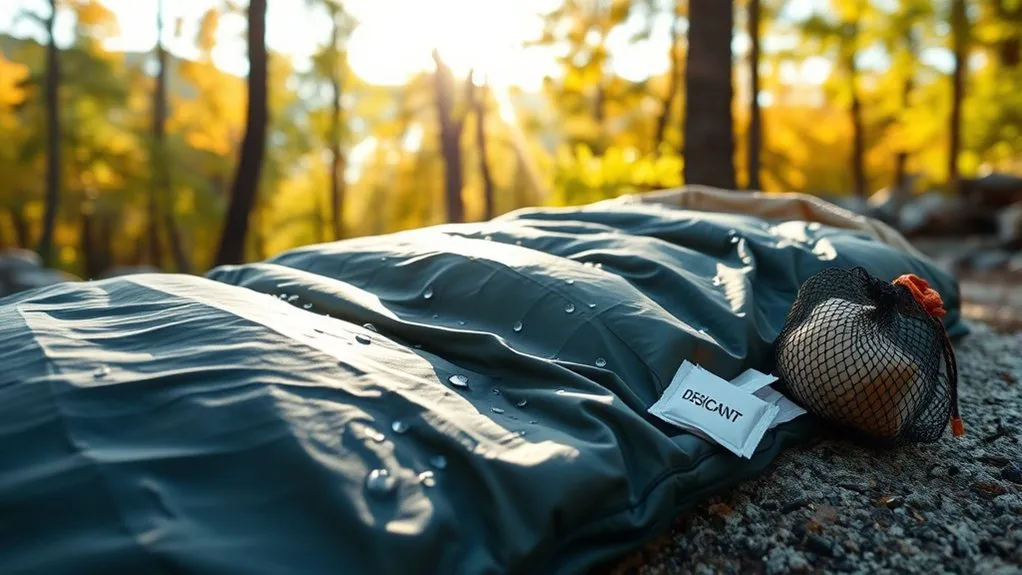
Good sleeping-bag maintenance protects loft, keeps shell fabrics performing properly, and reduces the risk of mildew. The most important routine is simple: keep the bag reasonably clean, dry it thoroughly, and do not store it compressed for long periods.
Drying your sleeping bag after damp trips usually matters more than washing it frequently.
- Air it during the trip: When weather permits, turn the bag inside out or spread it where moving air can remove overnight moisture.
- Dry it after the trip: Make sure both the shell and insulation are fully dry before long-term storage.
- Spot-clean first: Clean small dirty or oily areas instead of washing the entire bag unnecessarily.
- Follow the care label: Down and synthetic bags can require different cleaners and drying procedures.
- Use appropriate cleaners: Avoid ordinary detergent when the manufacturer calls for a technical down or synthetic cleaner.
- Store it loosely: Use a large breathable storage sack or hang the bag in a cool, dry place rather than leaving it compressed in its travel stuff sack.
REI recommends airing sleeping bags regularly and using spot cleaning as the first line of care rather than automatically giving the entire bag a full wash. Its storage guidance also recommends thoroughly drying the bag and keeping it loose in a breathable sack. See REI sleeping-bag care guidance and REI sleeping-bag storage guidance.
If a full wash is necessary, follow the manufacturer’s instructions. Nikwax, for example, recommends cleaners formulated for the insulation type and careful low-temperature drying for compatible sleeping bags. See Nikwax sleeping-bag cleaning guidance.
Practical Tips for Reducing Moisture
Most campers can reduce sleeping-bag condensation without buying new equipment. The biggest gains come from controlling moisture before it enters the bag and giving damp air somewhere to escape.
- Change into dry sleep clothes. Do not climb into the bag wearing a damp hiking shirt, wet socks, or rain-soaked layers unless the situation leaves no safer alternative.
- Vent the tent. Open roof, fly, door, or low vents according to the shelter’s design and current weather.
- Vent yourself before sweating. Loosen the hood or unzip part of the sleeping bag when you begin feeling too warm.
- Keep your face outside. Avoid breathing directly into the sleeping bag.
- Keep wet gear separate. Store wet boots, rainwear, and other soaked equipment in an appropriate vestibule or protected area when possible.
- Avoid the tent walls. Reposition the sleeping pad or bag if the footbox or side repeatedly touches condensation-covered fabric.
- Use a clean liner if useful. A normal sleeping-bag liner can keep body oils and dirt off the bag and may reduce how frequently the bag needs washing.
- Dry the bag each morning. Even 15–30 minutes of safe airing can help during a multi-day trip. Do not leave lightweight technical fabrics in intense direct sunlight longer than necessary.
- Dry thoroughly before storage. Never put a damp bag away for weeks or months.
Troubleshooting Sleeping Bag Condensation
Where the sleeping bag is wet often tells you what caused the problem.
| What You Notice | Likely Cause | What to Do |
| Wet footbox but the rest of the bag is mostly dry | The footbox is probably touching a wet tent wall or rainfly | Move the sleeping position inward, improve the tent pitch, and keep the fly separated from the inner tent |
| Bag feels clammy inside | Overheating, damp sleep clothes, or breathing into the bag | Use dry layers, keep your face outside, and vent excess heat earlier |
| Outer shell has scattered droplets | Tent condensation or very humid air | Improve ventilation where possible, avoid wall contact, and air the bag in the morning |
| Down gradually loses loft over several very cold nights | Moisture may be accumulating in the insulation | Dry the bag whenever possible and consider specialist VBL techniques for extended winter travel |
| Entire tent is dripping despite open vents | Outside air may already be extremely humid, rainy, or near saturation | Maintain appropriate ventilation, keep the bag away from wet fabric, and focus on drying when conditions improve |
Frequently Asked Questions
Can a sleeping bag liner stop condensation?
A normal breathable sleeping-bag liner can keep body oils and dirt off the bag, but it cannot stop tent condensation. A vapor barrier liner is different: it intentionally blocks water vapor from reaching the insulation and is mainly useful during extended cold-weather trips.
How does humidity affect my sleeping bag’s performance?
High humidity slows drying and can make tent condensation more persistent. If insulation becomes damp enough to lose loft, warmth can decrease. Down is particularly dependent on maintaining loft, while synthetic insulation generally tolerates damp conditions better.
What materials are best for a sleeping bag in damp conditions?
Synthetic insulation is a strong option when frequent dampness and slow drying are expected. High-quality down offers excellent warmth-to-weight and packability, and hydrophobic treatments can improve its moisture resistance. For either type, look for a breathable shell with appropriate water repellency rather than assuming a fully waterproof shell is always better.
Are certain campsites more prone to condensation?
Yes. Low-lying damp ground, wet vegetation, foggy valleys, coastal environments, lakeshores, and rainy campsites can all have persistent moisture. When regulations and campsite rules allow, choose relatively dry ground with reasonable airflow instead of a saturated depression.
How often should I clean my sleeping bag?
There is no fixed every-few-months schedule. Spot-clean small dirty areas first and wash the whole bag when dirt, body oils, odors, or reduced loft indicate that it needs cleaning. Always follow the bag manufacturer’s care instructions because down and synthetic insulation can require different products and drying methods.
Should I leave my tent vents open on a cold night?
Usually, using the tent’s designed ventilation helps remove humid air even in cold weather. Adjust vents for wind, precipitation, and the manufacturer’s instructions. Closing every opening may trap more moisture, while extreme humidity can still cause condensation even with good ventilation.
Why is only the foot of my sleeping bag wet?
The footbox often becomes wet because it touches a condensation-covered tent wall or rainfly while you sleep. Move the sleeping pad farther from the wall, improve the tent pitch, and make sure the rainfly remains properly separated from the inner tent.
Conclusion
Keeping condensation off a sleeping bag is mostly about controlling moisture rather than trying to make the bag completely waterproof. Ventilate the tent, use dry sleep clothes, avoid breathing into the bag, keep the shell away from wet tent walls, and vent excess body heat before you sweat. Then air the sleeping bag whenever conditions allow and dry it thoroughly after the trip.
Some condensation is normal, especially during rainy or highly humid weather. The goal is not a perfectly dry tent every night but a sleep system that stays dry enough to preserve loft and warmth. For prolonged winter trips where internal moisture accumulation becomes a serious concern, specialized techniques such as a vapor barrier liner can provide additional protection.
Sources
- MSR Tents and Shelters Manual — explains tent condensation, ventilation, damp gear, campsite moisture, and airflow.
- ISO 23537-1:2022 — current ISO requirements covering thermal performance and temperature-related requirements for applicable sleeping bags.
- REI Expert Advice: Best Sleeping Bags for Backpacking — supports the down-versus-synthetic insulation discussion and hydrophobic-down guidance.
- REI Expert Advice: Sleeping Bag Care — supports airing, spot cleaning, washing, and drying practices.
- Western Mountaineering HotSac VBL — supports use of vapor barrier liners for cold-weather moisture management.
- Nikwax: How to Clean a Sleeping Bag — supports insulation-specific cleaning and drying practices.

