Last Updated on September 11, 2026 by Logan Reeves
Crappie fishing rewards light tackle, careful depth control, and a presentation that matches the water in front of you. The three products compared here cover two important parts of that setup: a light monofilament line for casting and bite detection, plus tungsten jigs for compact, fast-sinking vertical presentations.
Quick Answer
For a versatile crappie setup, 4–6 lb monofilament on a light spinning rod works well for many open-water situations. KastKing TriPolymer is the line pick here, while the Lindy Tungsten Toad suits compact vertical presentations and the VMC Bullfly is useful when you want an especially small tungsten jig with a fast drop.
Key Takeaways
- For general crappie fishing, 4–6 lb monofilament is a practical starting range; lighter line is better reserved for finesse situations where cover is limited.
- Small jigs are a crappie standard. Adjust jig weight to depth, wind, current, and how quickly you need to reach suspended fish.
- Tungsten packs more weight into a small profile, making it useful for vertical jigging and ice fishing.
- Color matters, but there is no universal best color. Carry several options and change depth and presentation before assuming the lure itself is the problem.
- These are three selected products with different strengths, not a claim that they are the only good crappie options on the market.
Affiliate disclosure: This roundup is reader-supported. When you click through Amazon links, we may earn a referral commission on qualifying purchases at no extra cost to you.
Top Picks
|
Category |
Product |
Best Fit |
|---|---|---|
|
🎯 Best Casting Line |
Light open-water crappie setups |
|
|
⭐ Best Ice Jig |
Vertical jigging and ice fishing |
|
|
🚀 Best Micro Tungsten |
Small-profile finesse work |
Selection Criteria
You want crappie gear that helps you control a small bait, detect light bites, reach the correct depth, and fish around docks, brush, weeds, or suspended schools without unnecessary bulk. For line, the main considerations are diameter, handling, stretch, abrasion resistance, knot reliability, visibility, and compatibility with light spinning gear.
For jigs, the priorities change. Size, weight, sink rate, hook design, horizontal balance, color, and the ability to stay in the strike zone matter more. Tungsten is useful because its greater density allows a relatively compact jig to carry useful weight.
This is a focused comparison of three products rather than a laboratory test of the entire crappie market. Product positioning below is based on verified specifications, practical crappie applications, and how well each option fills a different role.
Pro Tip: Change depth before changing everything else. Crappie commonly suspend, so moving a jig only a foot or two can matter more than switching brands. Fish several depths around brush, docks, weed edges, or visible schools until you find where bites occur.
How to Choose Crappie Line, Jig Weight, and Color
Crappie Line Strength
The Minnesota Department of Natural Resources recommends a light spinning setup with six-pound monofilament, while the Oregon Department of Fish and Wildlife recommends light 4–6 lb monofilament for crappie. Those ranges are better general starting points than treating ultra-light line as mandatory.
|
Line Strength |
Best Use |
Trade-Off |
|---|---|---|
|
2–4 lb |
Clear water, tiny jigs, open water, highly finesse-oriented presentations |
More fragile around brush, docks, rocks, and larger incidental fish |
|
4–6 lb |
Best all-around range for many crappie spinning setups |
Balances casting, lure action, handling, and reasonable durability |
|
6–8 lb |
Heavier cover, larger jigs, or situations with frequent snags |
Thicker line can reduce the natural movement of very small lures |
Crappie Jig Weight
Small jigs are standard crappie tools. Minnesota DNR identifies 1/32-, 1/16-, and 1/8-ounce jigs as useful sizes, while Oregon notes that experienced anglers sometimes go even smaller. The right weight depends on depth, current, wind, and how quickly you need the lure to reach fish.
|
Jig Size |
Where It Fits |
|---|---|
|
1/64–1/32 oz |
Slow, finesse presentations; ice fishing; shallow or suspended fish when a tiny profile matters |
|
1/16 oz |
A versatile starting size for casting, swimming, and vertical jigging |
|
1/8 oz |
Deeper water, wind, faster drops, or conditions where lighter jigs are difficult to control |
Jig Color and Water Clarity
Chartreuse, white, and other bright colors are established crappie choices, but no color wins every day. Oregon and Iowa fisheries guidance both recommend carrying several colors and experimenting. Bright or high-contrast colors can be useful when visibility is poor, while clearer water may favor less aggressive presentations.
Do not change color in isolation. Depth, lure speed, profile, light level, and the fish’s location can all change the response. The Missouri Department of Conservation specifically advises anglers not to become locked into one technique because successful crappie presentations can vary significantly.
Note: Crappie have relatively soft mouths. Use a controlled lift or sweep rather than an aggressive bass-style hookset, especially with light wire hooks.
Warning: If you fish through the ice, never assume ice is safe because other anglers are standing on it. The Minnesota DNR states that no ice is 100% safe and advises checking conditions and thickness as you go. Also check the fishing license, size, season, and harvest rules for the water you plan to fish.
KastKing TriPolymer

KastKing TriPolymer is the most broadly useful product in this comparison because line is part of nearly every crappie setup. According to KastKing’s current product specifications, the line combines Nylon 6, Nylon 6,6, and Nylon 12 through a three-layer extrusion process and is sold in 300-yard spools from 2–10 lb test.
The manufacturer emphasizes smooth handling, abrasion resistance, lower light refraction, and lower stretch than its comparison copolymer line. Those traits make practical sense for crappie fishing around docks, brush piles, and other cover where you still want enough sensitivity to recognize a light bite.
The main decision is strength. The 4–6 lb versions are the safest general-purpose range for many anglers. Move lighter when tiny jigs and finesse matter more than abrasion resistance, or heavier when cover and snag risk increase.
What People Say
Customer feedback displayed on KastKing’s own product page is generally positive about smoothness, casting, and manageable memory. Some feedback also shows why fishing line should be inspected and replaced when performance changes. Manufacturer-hosted reviews are anecdotal rather than controlled testing, so they should support—not replace—the specification-based evaluation.
Overall Sentiment: Generally positive on the manufacturer’s current review page; live review totals and marketplace ratings can change.
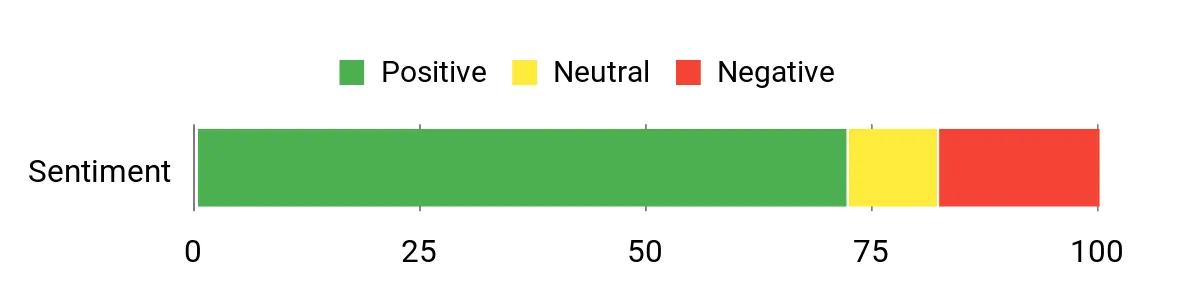
The sentiment chart above is retained from the original article. Its underlying review dataset is not independently disclosed, so it should not be treated as a verified live marketplace rating.
|
Pros |
Cons |
|---|---|
|
✅ Smooth monofilament designed for light-tackle casting |
❌ Monofilament still develops wear and should be checked around abrasive cover |
|
✅ Three-nylon construction with manufacturer-rated abrasion benefits |
❌ Ultra-light tests are less forgiving around brush, docks, and snags |
|
✅ Available from 2–10 lb test for different crappie conditions |
❌ Anglers who prefer braid or fluorocarbon characteristics may want a different main-line system |
Durability
The tri-polymer nylon construction is designed to improve abrasion resistance, which is useful when crappie hold beside docks, timber, brush, and rocks. No light line is snag-proof, though. Run your fingers over the last few feet of line after heavy contact and retie if you feel roughness, flattening, or a nick.
Practicality
TriPolymer is easy to place into a conventional light spinning setup and does not require a separate leader system. That makes it the simplest pick here for anglers who want one spool for casting small jigs, floats, or live-bait rigs.
Key Benefits
- Available in crappie-friendly 2–10 lb strengths on 300-yard spools
- Three-layer Nylon 6, Nylon 6,6, and Nylon 12 construction
- Designed for smooth casting, abrasion resistance, and relatively low stretch
Rating note: Marketplace ratings and review totals change over time, so the live Amazon listing is the appropriate place to view the current score.
Lindy Toad Jig

The Lindy Tungsten Toad is the most ice-oriented option in this comparison. Lindy includes the Tungsten Toad among its tungsten jig offerings, and its dense tungsten construction gives anglers a relatively heavy lure for its physical size.
That characteristic is useful when crappie are suspended below an ice hole or when you are fishing vertically and want the line to become tight quickly. A faster drop also helps you return the lure to the school after catching a fish.
Rather than assuming one color or size is always best, match the jig to the depth and mood of the fish. Glow and chartreuse patterns can be useful in low light, but carry alternatives for clearer water or pressured fish.
What People Say
Public review data for the exact Lindy variant is too limited to support broad claims such as “buyers commonly say” or a precise universal satisfaction score. Available specialist feedback is positive about the Tungsten Toad’s small, dense presentation, but the more reliable reasons to consider it are its tungsten build and suitability for vertical ice-fishing presentations.
Overall Sentiment: Positive but based on limited publicly verifiable review data.
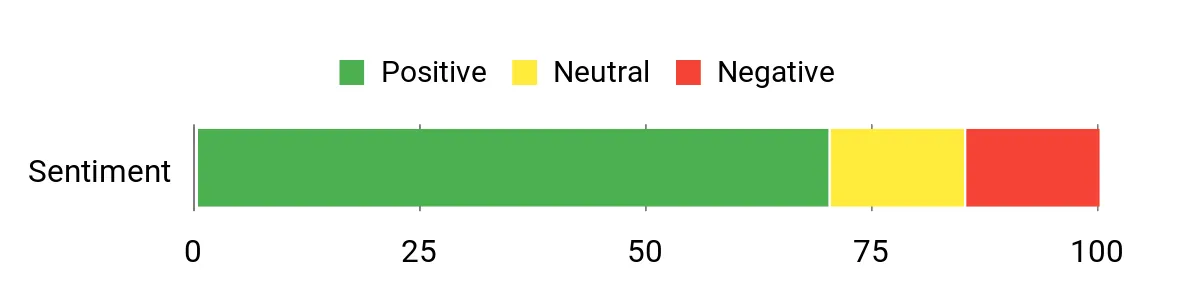
The chart above is retained from the original article, but its underlying review dataset is not independently documented.
|
Pros |
Cons |
|---|---|
|
✅ Dense tungsten construction gives a fast drop for its size |
❌ Specialized more toward vertical and ice presentations than long-distance casting |
|
✅ Useful when you need to reach suspended fish quickly |
❌ One color will not suit every water-clarity or light condition |
|
✅ Small tungsten profile suits finesse-oriented panfish work |
❌ Small jigs are easy to lose around weeds, wood, and other snaggy cover |
Durability
Tungsten is hard and maintains its shape well, but the complete jig still includes a hook and finish that can wear through repeated fishing. Check the point after bottom contact or snags and replace the jig when the hook no longer penetrates cleanly.
Practicality
The Toad makes the most sense when you fish vertically from the ice or directly beneath a boat and want a compact lure to get down without adding a separate sinker. It is less of an all-purpose choice than fishing line, but it fills its vertical-jigging role well.
Key Benefits
- Dense tungsten construction for a compact, fast-dropping presentation
- Useful for vertical panfish and ice-fishing techniques
- Available in bright and glow-oriented patterns as well as other color choices
Rating note: Live retailer ratings and review counts change, so a fixed historical score is not used here.
VMC Bullfly Jig

The VMC Bullfly is the most specialized micro-tungsten option in this group. According to VMC’s current specifications, the Bullfly family is available in 1/64-, 1/32-, and 1/16-ounce sizes. The 1/64-ounce version uses a size-12 hook.
The lure uses VMC’s Power Gap hook and a 90-degree hook eye intended to maintain a horizontal presentation. Its body includes goose-feather tail and wing material, and VMC offers metallic and Ultra Glow finishes. The manufacturer states that some Ultra Glow colors can remain charged for up to 15 minutes.
This combination makes the Bullfly especially relevant when crappie are willing to eat a small profile but you still need enough density to maintain contact and control depth.
What People Say
A stable, sufficiently large customer-review dataset for the exact Amazon variant could not be independently verified, so this evaluation does not assign it a buyer-sentiment score. The stronger case for the Bullfly comes from its manufacturer-confirmed dimensions, hook configuration, tungsten construction, and glow options.
Overall Sentiment: Insufficient independently verifiable review data for a reliable score.
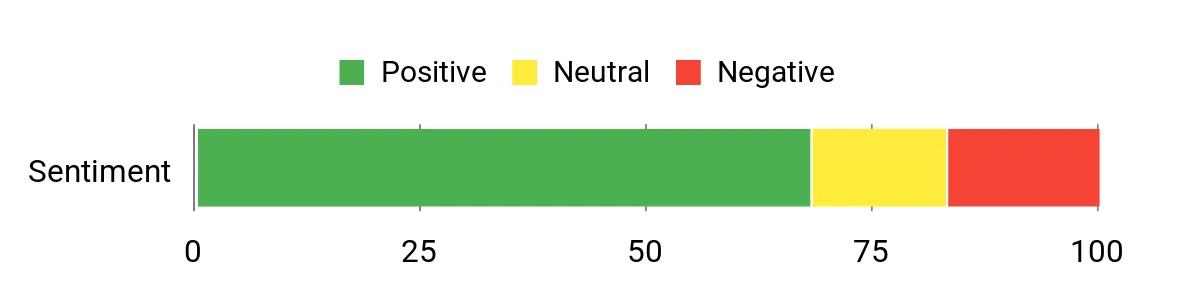
The original sentiment chart is retained for continuity, but it should not be interpreted as a verified live rating because its dataset is not disclosed.
|
Pros |
Cons |
|---|---|
|
✅ Verified 1/64-, 1/32-, and 1/16-ounce size options |
❌ Micro sizes can be harder to handle with cold fingers and are easier to lose |
|
✅ Tungsten body provides a compact presentation for the weight |
❌ Very small sizes are specialized and may not be ideal in heavy current or strong wind |
|
✅ Power Gap hook, 90-degree eye, feather details, and Ultra Glow options |
❌ Glow is only one presentation tool and will not outperform natural colors in every condition |
Durability
The tungsten body should maintain its shape well under normal fishing use. As with any small jig, the hook point deserves more attention than the head. Check it after striking rocks, wood, or ice and replace damaged jigs rather than trying to compensate with harder hooksets.
Practicality
The Bullfly works best as a finesse tool rather than a universal crappie lure. The 1/64-ounce version is especially suited to small presentations, while the heavier versions give you more control when you need a quicker fall.
Key Benefits
- Three manufacturer-listed weight choices from 1/64 to 1/16 ounce
- Power Gap hook and 90-degree eye for a controlled horizontal presentation
- Metallic and Ultra Glow options, with some glow finishes rated by VMC for up to 15 minutes of charge
Rating note: No fixed marketplace rating is shown because ratings and review totals change and the original empty rating field could not be validated.
Frequently Asked Questions
What line should I use for crappie?
For many anglers, 4–6 lb monofilament is the best starting range. Six-pound mono is recommended in Minnesota DNR’s basic crappie setup, while Oregon recommends 4–6 lb light mono. Use 2–4 lb only when you specifically need a finer presentation and are not fishing abrasive cover. Move heavier when brush, docks, rocks, or larger incidental fish make break-offs more likely.
How do I pick crappie jig weight and color?
Start with the lightest jig that you can still control at the required depth. Sizes around 1/32 to 1/16 ounce cover many situations, while 1/8 ounce helps in deeper water, wind, or when you need a faster drop. Bright colors such as chartreuse and white are useful options, but carry several colors and let water clarity, light, depth, and fish response guide the final choice.
How can I reduce tangles and improve knot strength?
Do not overfill the reel, make sure line comes onto the spool cleanly, and use a reliable knot such as an improved clinch or Palomar when it suits the hook eye. Wet the knot before tightening, trim the tag end, and inspect the final few feet of line after snagging brush, wood, or rock. Replace any section that feels rough or damaged.
Is tungsten better than lead for crappie jigs?
Tungsten is useful when you want more weight in a compact profile and a fast, controlled drop. That makes it especially attractive for vertical jigging and ice fishing. Lead remains effective and is often less expensive, so tungsten is not automatically better in every situation.
Should I fish crappie close to the bottom?
Not always. Crappie often suspend around brush, docks, weeds, drop-offs, or open-water schools. Search different depths rather than automatically dropping to the bottom. A float, sonar, or systematic vertical presentation can help you keep the bait at the level where fish are actually feeding.
Do I need a hard hookset for crappie?
Usually no. Crappie have soft mouths, so an aggressive hookset can tear the hook free. When you feel weight or a tap, use a controlled upward lift or sweep and keep steady pressure on the fish.
Angler Preferences
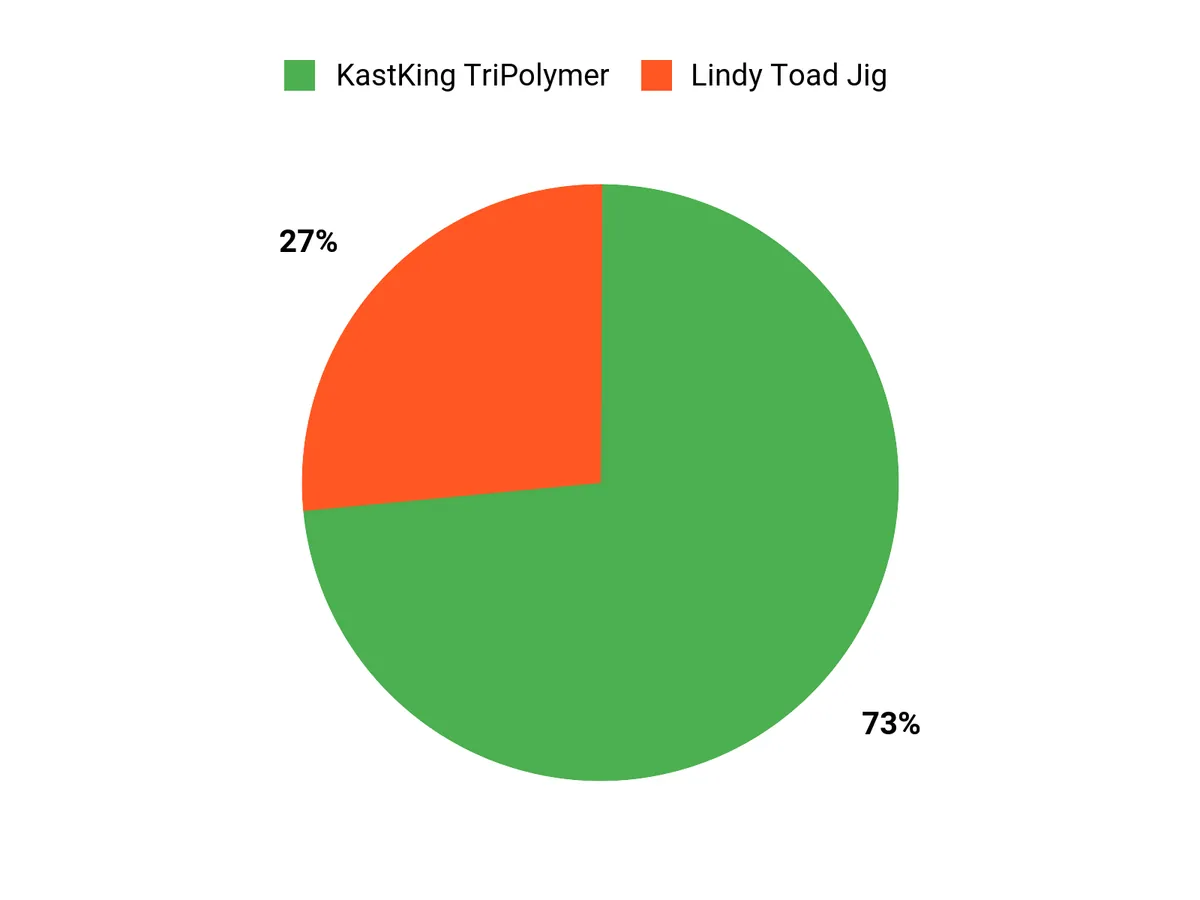
Choose the KastKing TriPolymer when your main need is a manageable light monofilament for casting, floats, or everyday crappie fishing. Choose the Lindy Tungsten Toad when vertical and ice presentations are the priority. Choose the VMC Bullfly when you want a particularly small tungsten profile with manufacturer-specified micro weights and a horizontal jig design. In all three cases, match the gear to depth, cover, water clarity, and the size of presentation the fish accept that day.
Wrapping Up
The best crappie setup is not built around one magic line or jig. Start with a light spinning outfit and a manageable line strength—4–6 lb mono covers many situations—then select jig weight according to depth, wind, current, and the presentation you need.
The KastKing TriPolymer is the most versatile of these three picks because it can serve as the main line for many common crappie techniques. The Lindy Toad Jig is more specialized for compact vertical and ice presentations, while the VMC Bullfly Jig gives you verified micro-tungsten sizes when a smaller profile is important. Instead of relying on one color or fixed depth, experiment until the fish show you what they want.
| KastKing TriPolymer Crappie Advanced Monofilament Fishing Line | Lindy Tungsten Toad Jig Fast-Sinking Ice Fishing Lure | Tungsten Bullfly Jig 1/64 oz Glow | |
|---|---|---|---|
|
|
|
|
|
| Rating | Live marketplace rating varies | Live marketplace rating varies | Live marketplace rating varies |
| Material | Nylon 6, Nylon 6,6, and Nylon 12 | Tungsten jig | Tungsten jig with feather tail and wings |
| Target Use | Crappie and other light-tackle panfish applications | Vertical panfish and ice-fishing presentations | Micro finesse, vertical jigging, and ice fishing |
| Verified Size / Format | 300-yard spools; 2–10 lb test | Size varies by selected Tungsten Toad version | 1/64 oz uses size-12 hook; line also offered in 1/32 and 1/16 oz |
| Best Reason to Choose It | Versatile light monofilament for everyday crappie setups | Compact tungsten drop for vertical presentation | Manufacturer-verified micro sizes, Power Gap hook, and glow options |
| Shop Now | Shop Now | Shop Now |
Sources
- KastKing — TriPolymer Crappie Advanced Monofilament Fishing Line — construction, available strengths, spool length, and manufacturer performance claims.
- Lindy Fishing — confirms the Tungsten Toad within Lindy’s tungsten jig range.
- VMC — Tungsten Bullfly Jig — weights, hooks, Power Gap design, 90-degree eye, feathers, and Ultra Glow specifications.
- Minnesota Department of Natural Resources — How to Catch a Crappie — line strength, jig sizes, crappie behavior, and light-hookset guidance.
- Oregon Department of Fish and Wildlife — How to Fish for Crappie — 4–6 lb line, small jigs, depth changes, and color experimentation.
- Minnesota Department of Natural Resources — Ice Safety — ice conditions, risk, thickness checks, and safety precautions.