
Last Updated on July 26, 2026 by Daniel Globe
Hotel housekeeping is easy to overlook because much of the work happens while guests are away from their rooms. In the United States, however, leaving a small daily gratuity is a common way to thank the person who cleaned your room, replaced towels, handled trash, and restocked supplies. The key is knowing how much to leave, when to leave it, and when local customs call for a different approach.
Quick Answer
In the United States, a practical baseline is $2 to $5 per day for hotel housekeeping, left daily with a note so the correct housekeeper receives it. Tip more when the room requires extra work or you receive special help. Abroad, customs vary widely, so check local guidance before leaving cash.
Key Takeaways
- A useful U.S. guideline is $2 to $5 per day for hotel housekeeping.
- Leave the tip daily rather than waiting until checkout because different housekeepers may service your room on different days.
- Increase the amount when your room creates substantially more work, such as extra occupants, a large suite, a kitchenette, significant mess, or special requests.
- Do not calculate a housekeeping tip as a fixed percentage of the room rate.
- International customs differ. Tipping is generally not expected in Japan or Australia, while it is more customary in destinations such as Mexico.
Disclosure: As an Amazon Associate I earn from qualifying purchases. Some links on this page are affiliate links, at no extra cost to you.
How Much Should You Tip Hotel Housekeeping?
For a typical U.S. hotel stay, the Emily Post Institute recommends $2 to $5 per day for a housekeeper and advises leaving the money daily with a note identifying it as a housekeeping tip.
That daily range is more useful than tying your tip to the nightly room rate. A $300 room does not necessarily create six times as much cleaning work as a $50 room. Instead, think about the actual service and workload.
Consider moving toward the higher end of the range, or above it when appropriate, when:
- You have several people sharing the room.
- Children or pets create additional cleanup.
- You are staying in a large suite or a room with a kitchenette.
- You requested extra bedding, towels, toiletries, or other housekeeping help.
- The room requires unusual cleanup because of spills, large amounts of trash, or another situation that adds substantial work.
- A housekeeper handled a special request promptly or provided notably thoughtful service.
Note: Hotel-housekeeping tips are normally discussed as a daily dollar amount, not as 15%, 20%, or another percentage of the room bill. The price of the hotel alone is not a reliable measure of how much work housekeeping performed.
Factors to Consider When Deciding How Much to Tip
The amount you leave can reasonably vary from one stay to another. Service quality matters, but so does the amount of work your room creates. A standard room occupied by one person for a night may require less attention than a suite used by a family for several days.
Useful factors include the number of guests, the size and type of room, the frequency of cleaning, special requests, and the condition in which you leave the space. If a housekeeper brings extra linens, handles a spill, provides requested supplies, or performs other work beyond routine cleaning, an additional gratuity can be a thoughtful acknowledgment.
Your budget matters too. Tipping is a discretionary gesture, not a reason to put yourself in financial difficulty. A sincere thank-you note or positive comment to hotel management can still recognize good work when your travel budget is tight.
If service is genuinely poor, do not rely on a smaller tip as the only way to communicate the problem. Report specific issues to the front desk or housekeeping supervisor so the hotel has an opportunity to correct them.
Different Cultures and Their Tipping Customs
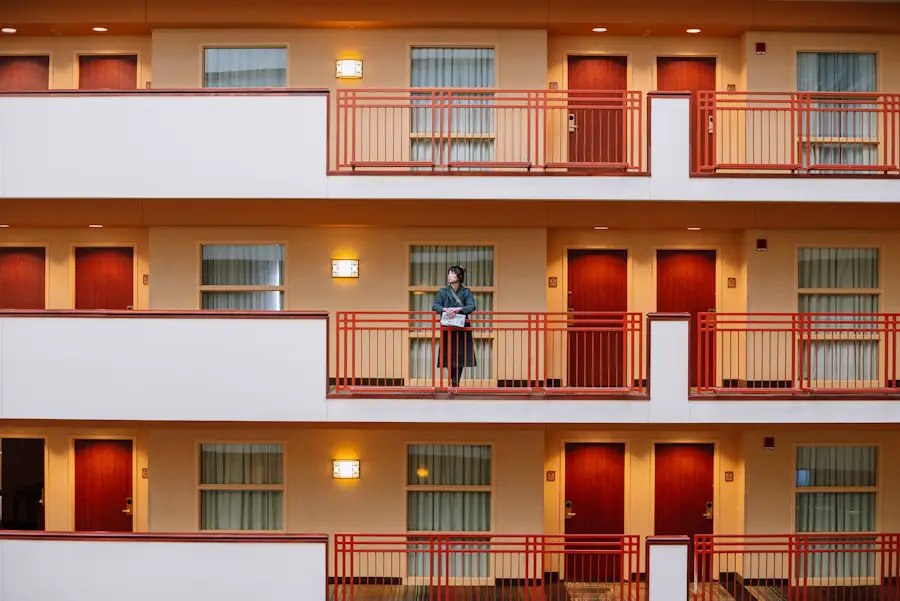
Tipping customs change significantly from country to country, so U.S. habits should not automatically be carried overseas.
In Japan, for example, the Japan National Tourism Organization says tipping is not common for hotels, restaurants, taxis, and many other services. It is generally not expected. When a gratuity is offered in one of the limited situations where it is appropriate, it is traditionally handled discreetly rather than simply leaving loose cash.
Australia is also different from the United States. Tourism Australia states that tipping is a personal choice and is not expected in most venues.
Mexico provides a contrasting example. Visit Mexico describes tipping as customary and specifically notes that cleaning staff commonly receive a small gratuity.
These differences are why travelers should check guidance from an official tourism organization, the hotel, or a reliable local source rather than relying on one worldwide tipping rule.
How Much to Tip Based on the Length of Your Stay
The length of a hotel stay changes the total amount you may spend on housekeeping tips, but it does not require a higher percentage rate. The simplest approach is to keep using a reasonable daily amount for each day the room receives housekeeping service.
| Length of Stay | Practical U.S. Approach |
|---|---|
| 1–2 days | About $2–$5 for each day housekeeping services the room. |
| 3–4 days | Continue the same daily guideline and leave each day’s tip separately. |
| 5–7 days | Keep tipping by service day; use the higher end when the stay creates extra work. |
| 8–14 days | Continue daily rather than changing to a percentage of the room bill. |
| 15+ days | Tip as service occurs and ask the hotel about staff rotation if you want to recognize a particular housekeeper. |
For example, using the $2-to-$5 daily guideline, two serviced nights would work out to roughly $4 to $10 in total, four serviced nights to about $8 to $20, and seven serviced nights to about $14 to $35. Those are examples, not mandatory charges.
Leaving the entire amount at checkout is less reliable because the person who cleans the room on your final day may not be the person who serviced it earlier in the stay.
How to Leave a Tip for the Hotel Housekeeper
Cash remains one of the simplest ways to tip housekeeping. Place it somewhere visible with a short note such as “Housekeeping — Thank you.” The note helps distinguish the money from cash that was accidentally left in the room.
Leaving the gratuity daily is especially useful during a multi-night stay because staff assignments can change. You can use a hotel stationery envelope, your own envelope, or a folded note placed with the cash.
Some hotels also offer digital or QR-code tipping. When using a digital system, check whether you can select housekeeping specifically and whether the tip goes to an individual employee or a shared pool.
Pro Tip: Bring a few small bills before checking in. That makes it much easier to leave a modest tip each morning instead of trying to find change at checkout.
What If Housekeeping Does Not Clean Your Room?
Housekeeping schedules now vary considerably among hotels. Some properties provide automatic daily service, while others offer lighter service, clean only after a certain number of nights, or ask guests to request housekeeping.
If no stayover cleaning occurs, the situation is different from a day when someone enters and services the room. You can still leave an optional checkout gratuity for the employee who performs the final room reset, particularly when the room requires significant cleaning.
The same principle applies when you use a “Do Not Disturb” sign. If you prevented housekeeping from entering, you do not need to pretend a normal daily cleaning took place. You can instead recognize the service you actually receive, including any requested towels, supplies, trash pickup, or checkout cleaning.
Tipping Etiquette for Different Types of Hotels

Hotel category can affect the amount of work involved, but room price by itself should not determine the tip.
At a luxury hotel or resort, housekeeping may include more frequent service, turndown, larger rooms, premium amenities, or additional requests. Those added services can justify tipping toward the higher end of your normal range or more when substantial extra work is involved.
At a budget hotel or motel, a lower room price does not mean the housekeeper’s work has less value. If the employee provides a standard room cleaning, the same basic daily etiquette can still apply.
Extended-stay properties deserve special attention because housekeeping may occur only once or twice a week. In that case, base your gratuity on the service that actually occurs instead of automatically multiplying a daily amount by every night of the reservation.
The Benefits of Tipping Hotel Housekeepers
A housekeeping tip is primarily a direct way to say thank you for work that guests often do not see being performed. Cleaning bathrooms, changing bedding, removing trash, vacuuming, replenishing supplies, and preparing rooms are physically demanding tasks.
A gratuity should not be viewed as a payment for preferential treatment or a guarantee that you will receive better service. It is more appropriately treated as recognition for service already provided.
Guests can also reinforce that appreciation in nonfinancial ways. A respectful conversation, a written thank-you note, or positive feedback to hotel management can make good work more visible.
Tipping Guidelines for International Travelers
There is no universal hotel-housekeeping tipping rule. Before an international trip, check three things:
- Local custom: Determine whether hotel tipping is expected, optional, uncommon, or potentially awkward.
- Hotel policy: Ask whether employees can accept cash, gifts, or digital gratuities.
- Currency: When tipping is appropriate, local currency is usually easier for the employee to use than foreign bills.
Official tourism sources are especially helpful. Japan’s tourism authority says hotel tipping is generally not customary, while Tourism Australia describes tipping as a personal choice rather than an expectation. Visit Mexico, by contrast, says small gratuities for cleaning staff are customary.
Note: Do not assume that a resort fee, destination fee, or mandatory service charge is the same as a voluntary housekeeping tip. In the United States, the Department of Labor distinguishes compulsory service charges from tips. Ask the property how any charge is distributed if that affects your decision.
Alternatives to Monetary Tips for Hotel Housekeepers
Cash or an official digital tipping system is usually the clearest way to provide a gratuity, but money is not the only way to show appreciation.
A handwritten thank-you note can be meaningful, particularly when you mention something specific the employee did well. You can also tell the front desk or housekeeping manager that a particular employee provided excellent service. Positive comments that identify the staff member can help ensure good work is recognized internally.
Small gifts, toiletries, unopened snacks, or similar items may seem thoughtful, but hotel policies differ on what employees are allowed to accept. A housekeeper may also be unable to tell whether an item was intentionally left as a gift or simply forgotten. If you want to leave something other than money, clearly label it and consider asking the hotel first.
The Impact of Tipping on Hotel Housekeepers’ Wages
It is reasonable to recognize that housekeeping work is not highly paid compared with many occupations, but the original idea that housekeepers generally earn only minimum wage is too broad.
According to the U.S. Bureau of Labor Statistics’ May 2025 Occupational Employment and Wage Statistics, maids and housekeeping cleaners across industries had a median hourly wage of $17.07 and a mean hourly wage of $17.83. Actual hotel pay varies by location, employer, experience, hours, union status, and other factors.
The latest available BLS national data list a median hourly wage of $17.07 for maids and housekeeping cleaners in May 2025.
Tips can supplement an employee’s compensation, but guests should not assume every hotel housekeeper is legally classified as a “tipped employee.” Under U.S. Department of Labor guidance, tipped-employee status has a specific federal definition, and state wage laws may provide additional protections.
The Department of Labor also states that employers, managers, and supervisors generally may not keep employees’ tips. Because hotel compensation systems vary, a voluntary housekeeping tip is best viewed as a direct gesture of appreciation rather than as a substitute for the employer’s wage obligations.
Tips for Communicating Your Appreciation to Hotel Housekeepers
A simple “thank you” can make an interaction more respectful, especially when you meet the employee who is servicing your room. When appropriate, mention what you appreciated: prompt delivery of extra towels, careful cleaning, help with bedding, or another specific service.
A short note can be especially useful when you rarely see housekeeping staff face to face. It also makes clear that cash left beside it is intentional.
When a housekeeper provides exceptional service, consider mentioning the employee by name to the front desk or in the hotel’s post-stay survey. Recognition through both a gratuity and positive feedback can communicate appreciation without suggesting that a tip is required to obtain good service.
The simplest rule is to be fair and clear: in the United States, use a modest daily amount as your starting point, adjust for the work involved, leave it in an unmistakable way, and respect local customs when traveling abroad.
Frequently Asked Questions
What is the standard tipping etiquette for hotel maids or housekeepers?
In the United States, Emily Post recommends $2 to $5 per day for a hotel housekeeper. Leave the gratuity daily with a note identifying it as a housekeeping tip.
Is it necessary to tip hotel housekeeping?
In the United States, tipping housekeeping is customary etiquette but is not a mandatory hotel charge. The amount is ultimately your choice and should fit your budget and the service received.
When should I leave a tip for the hotel housekeeper?
Leave it each day after the room receives housekeeping rather than waiting until the end of a multi-night stay. Different employees may clean the room on different days.
How much should I tip housekeeping for a one-night hotel stay?
A practical U.S. guideline is about $2 to $5 for the room cleaning. Consider more when several guests used the room or the employee had substantially more work than usual.
Should I tip if housekeeping did not clean my room?
You do not need to treat a day with no stayover service exactly like a fully serviced day. You may still leave an optional gratuity at checkout for the employee who performs the final room cleaning, especially when substantial cleanup is required.
Should I tip more for a family, pet, or messy hotel room?
It is considerate to increase the gratuity when extra occupants, pets, food, spills, excessive trash, additional bedding, or another situation creates considerably more work for housekeeping.
Does a hotel service charge mean I do not need to tip housekeeping?
Not necessarily. A mandatory service charge is not automatically the same as a voluntary housekeeping tip, and hotels distribute such charges differently. Ask the property whether housekeeping receives any portion of the fee.
Are there other ways to show appreciation for hotel housekeeping?
Yes. A thank-you note, respectful verbal thanks, or positive feedback to the hotel’s management can recognize good service. If you want to leave a gift instead of money, check the hotel’s employee gift policy first.
What should I do if I am not satisfied with housekeeping?
Report the specific problem to the front desk or housekeeping supervisor so the hotel can address it. A missing item, unclean bathroom, skipped requested service, or other significant issue is better handled directly than communicated only through the size of a tip.
Should I tip hotel housekeeping when traveling internationally?
Check the custom at your destination. Tipping hotel staff is generally not expected in Japan or Australia, while small gratuities for cleaning staff are customary in Mexico. Local tourism authorities are a good source for current guidance.
Sources
- Emily Post Institute — General Tipping Guide — U.S. housekeeping tipping amount and daily tipping etiquette.
- U.S. Bureau of Labor Statistics — May 2025 Occupational Employment and Wage Statistics — national wage data for maids and housekeeping cleaners.
- U.S. Department of Labor — Fact Sheet #15 — federal tipped-employee, tip-retention, tip-pooling, and service-charge rules.
- Japan National Tourism Organization — Tipping in Japan — official guidance on Japanese tipping customs.
- Tourism Australia — Key Facts About Australia — official guidance explaining that tipping is optional and generally not expected.
- Visit Mexico — Frequently Asked Questions — official visitor guidance on tipping, including gratuities for cleaning staff.
