
Last Updated on September 11, 2026 by Daniel Globe
In the animated universe of Vivienne Medrano’s Hazbin Hotel, Vox reigns as one of the most dangerous Overlords in the Pride Ring—a charismatic, technology-driven media mogul with a literal television for a head. While his demonic persona as the CEO of VoxTek is central to the series, fans have long wondered about his human origins and the exact circumstances that led to his fatal demise on Earth.
Quick Answer
In official Hazbin Hotel canon, Vox died during the 1950s when a heavy cathode-ray tube (CRT) television set fell on his head, fatally crushing and electrocuting him. In viral community fan lore (from Journey to the Light), his human identity is named Vincent Whittman, an ambitious broadcaster electrocuted by a television during a staged baptism.
Key Takeaways
- Canonical Cause of Death: Vox died in the 1950s from electrocution and head trauma caused by a falling television set.
- Canon vs. Fanon: The name “Vincent Whittman,” his career as a murderous weatherman, and the baptism setting originate from popular fanon (Journey to the Light), not official show canon.
- Demonic Manifestation: Sinners manifest in Hell reflecting their life and death; Vox manifested with a vintage TV monitor head and technokinetic abilities.
- Rise in Hell: Following his death, Vox partnered with Valentino and Velvette to form the “Vees,” establishing absolute dominance over Hell’s media and technology sectors.
How Did Human Vox Die?

According to creator Vivienne “Vivziepop” Medrano, Sinners in Hell manifest physical traits and weaknesses that directly reflect their sins, psychological fixations, and manner of death. Vox’s physical form—a sleek humanoid body topped with a widescreen television monitor—is a direct consequence of his fatal demise on Earth.
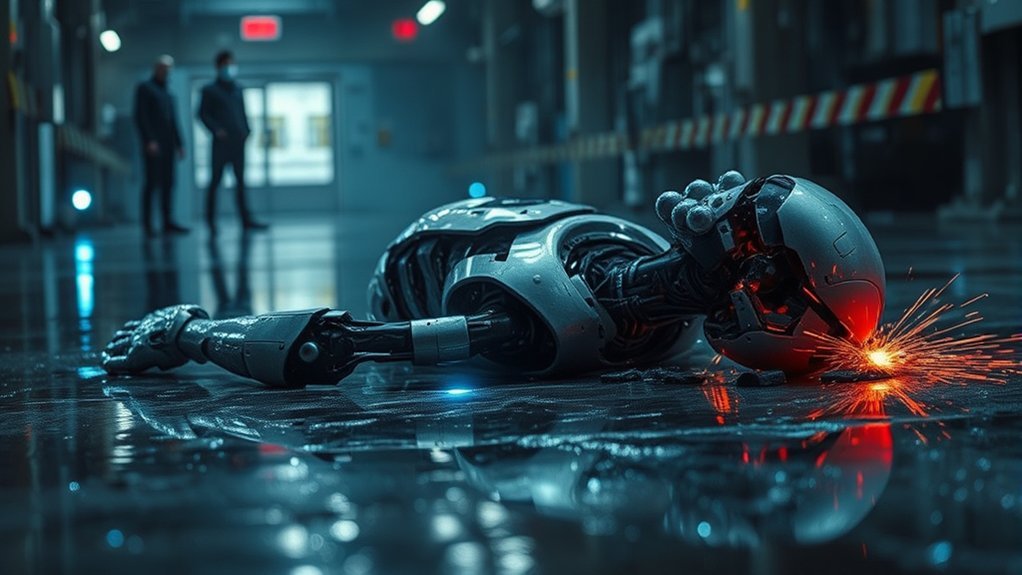
During his mortal life in the mid-20th century, Vox was completely consumed by the rise of mass media, broadcast television, and public influence. His life ended abruptly in the 1950s when a heavy, live CRT television set fell directly onto his head, instantly killing him through severe blunt-force trauma and electrical shock. This ironic end directly dictated his demonic form: his head became the very apparatus that crushed him, and his soul was charged with volatile electrical energy.
Note on Canon vs. Fanon: Online discussions frequently blend official series canon with Hazbin Hotel: Journey to the Light, a widespread alternate-universe fan fiction project. While the 1950s falling television death is official creator canon, detailed plotlines involving network executive murders and staged baptism services are community-created lore.
Products Worth Considering

YOUTOOZ VOX VINYL FIGURE – Stylized collectible figure featuring Vox from Hazbin Hotel

Package Include: 1 VOX hat keychain. Perfect for VOX fans.

Bandai Spirits Banpresto is proud to announce their newest release Hazbin Hotel Alastor FIGURE~RADIO DEMON~
Vox’s Life Before Hell: Human Ambition & Media Obsession
During the 1950s, television was rapidly overtaking radio as the dominant medium of entertainment and news across the globe. Vox’s mortal existence was defined by this era of broadcast expansion. As a human, he was fiercely competitive, technologically forward-thinking, and obsessed with audience retention and psychological control.
In the popular community backstory developed in Journey to the Light, Vox’s human persona is fleshed out as “Vincent Whittman,” an unscrupulous broadcast weatherman who eliminated rivals to secure the coveted anchor desk. While this specific narrative is fan-crafted, it accurately mirrors his canonical character traits: an unyielding thirst for power, vanity, charismatic manipulation, and an absolute obsession with staying ahead of technological trends.
The Circumstances of Vox’s Death
Whether analyzing official canon or popular community lore, Vox’s death remains one of the most thematic demises in the Hazbin Hotel universe. His end reflects the poetic justice common among Sinners in Hell: the medium he used to manipulate others ultimately became the instrument of his destruction.
| Aspect | Official Series Canon | Community Fanon (Journey to the Light) |
|---|---|---|
| Human Name | Unconfirmed / Unnamed | Vincent Whittman |
| Era of Death | 1950s (Golden Age of Television) | Mid-20th Century |
| Fatal Event | Crushed & electrocuted by falling television set | Electrocuted during a public televised baptism |
| Symbolism | Killed by the screen that ruled his mortal mind | A holy cleansing corrupted by fatal entertainment |
“In Hell, a Sinner’s physical appearance is the ultimate receipt of their earthly sins and mortal demise.”
Products Worth Considering

Hazbin Hotel Merchandise design. Official Merchandise from Amazon Original Series Hazbin Hotel

Bandai Spirits Banpresto is proud to announce their newest release Mascot plush vol.1 Alastor (B) from Hazbin Hotel Season 2!
Premium Materials: Made with glass pearl, beads and charm for a high-quality finish
How Vox Changed After Death: The TV Demon

Upon manifesting in Hell’s Pride Ring during the 1950s, Vox initially possessed the head of a vintage CRT television box. Unlike traditional demons who relied solely on raw magical strength, Vox adapted quickly to the evolving technological landscape, upgrading his hardware over the decades to modern flat-screen high-definition displays.
His mortal death by electricity gave him devastating supernatural abilities in Hell:
- Electrokinesis & Technopathy: The ability to travel through electrical wiring, power grids, and digital networks instantly.
- Hypnotic Mass Broadcast: Mind control and hypnotic suggestion broadcasted directly through video screens and eye contact.
- Technological Omnipresence: Surveillance over the Pentagram via cameras, smartphones, and consumer hardware manufactured by his conglomerate, VoxTek Enterprises.
Vox’s Rise to Overlord Status & The Vees
Vox did not remain an ordinary Sinner for long. By harnessing Hell’s reliance on media and modernization, he rapidly acquired soul contracts and elevated himself to Overlord status. Recognizing the power of strategic alliances, he co-founded the triumvirate known as “The Vees”:
- Vox (The TV Demon): Head of mass media, telecommunications, and corporate technology.
- Valentino: Ruler of the adult entertainment industry and studio production.
- Velvette: Trendsetter and Overlord of fashion and social media.
Vox’s ascent established an intense rivalry with Alastor “The Radio Demon.” While Alastor represents the golden age of radio, raw demonic pacts, and traditional entertainment, Vox represents modernization, screen addiction, and visual spectacle—a bitter ideological war that continues to shape the power balance of Hell.
Frequently Asked Questions
What happened to Vox when he was human?
As a human in the 1950s, Vox was deeply embedded in the emerging television industry. He was obsessed with status, fame, and media influence before dying from a falling television set and manifesting as a TV demon in Hell.
How was Vox killed in Hazbin Hotel?
Vox died when a heavy cathode-ray tube (CRT) television set fell onto his head, electrocuting and crushing him. This specific death resulted in his head manifesting as a screen in the afterlife.
Was Alastor abused as a child?
Official canon has not confirmed that Alastor was abused as a child. Creator commentary indicates he was close with his mother in early 20th-century New Orleans, though his full childhood history remains unrevealed.
Did Vox have a crush on Alastor?
In canon, Vox’s fixation on Alastor stems from professional rejection, wounded pride, and an obsession with dominance rather than romance. Vox previously offered Alastor a business alliance, which Alastor mocked and refused, sparking their long-standing rivalry.
Conclusion
Human Vox’s death serves as the foundational moment for one of Hazbin Hotel’s most compelling villains. Whether examining Vivienne Medrano’s official 1950s television electrocution canon or exploring the viral Vincent Whittman community lore, his mortal end directly shaped his demonic identity. By channeling his obsession with media and technology into absolute authority, Vox transformed a fatal accident into an empire, solidifying his role as the premier Media Overlord of the Pride Ring.
Sources
- IMDb: Hazbin Hotel (TV Series) — Official series credits, character overviews, and production details.
- Prime Video: Hazbin Hotel Season 1 — Canonical depiction of Vox, VoxTek, The Vees, and his rivalry with Alastor.
- Hazbin Hotel Wiki: Vox — Comprehensive community documentation of creator livestreams, character design history, and canonical lore.
