

Last Updated on August 26, 2026 by Daniel Globe
Bed bugs are small, flat, wingless insects that feed on the blood of people and other warm-blooded animals. The common bed bug, Cimex lectularius, is widespread, while Cimex hemipterus is more common in tropical and subtropical regions. Bed bugs are not known to transmit disease to people, but their bites can cause itching, sleep loss, irritation, and occasionally allergic reactions.
Quick Answer
Bed bugs usually travel from house to house by hitchhiking in luggage, clothing, bedding, boxes, and used furniture. In apartments and other multi-unit buildings, they can also crawl through wall voids and openings around pipes or electrical fixtures. They do not fly or jump, so human movement is the main long-distance route.
Key Takeaways
- Bed bugs do not fly or jump. They crawl short distances and hitchhike longer distances in belongings.
- Luggage, clothing, bedding, moving boxes, backpacks, and used furniture are common ways bed bugs reach a new home.
- In apartments and other multi-unit buildings, bed bugs may move through wall voids and gaps around utility penetrations.
- Buses, trains, offices, schools, and other public spaces can occasionally act as transfer points, although finding one bed bug does not mean the location has an established infestation.
- A clean home can still get bed bugs because they are attracted to hosts and hiding places, not dirt.
- Early inspection, containment, heat-drying suitable belongings, and professional treatment when necessary can help stop an introduction from becoming a larger infestation.
Disclosure: As an Amazon Associate I earn from qualifying purchases. Some links on this page are affiliate links, at no extra cost to you.
How Bed Bugs Travel From House to House
Bed bugs spread in two main ways: they hitchhike on objects moved by people, or they crawl from one nearby space to another. Hitchhiking is especially important when infestations move between hotels, houses, apartments, dormitories, offices, and cities.
Human Activity Is the Main Long-Distance Route
Bed bugs cannot fly or jump. Instead, they hide in seams, folds, cracks, and small spaces in luggage, overnight bags, folded clothing, bedding, boxes, furniture, and similar belongings. When an infested item is moved, hidden bugs may be carried to the next location without the person realizing it.
The Centers for Disease Control and Prevention identifies luggage, overnight bags, folded clothes, bedding, and furniture as common places where bed bugs hide while being transported.
Why Travel and Frequent Movement Increase Risk
Hotels, dormitories, shelters, apartments, cruise ships, buses, and trains bring many people and belongings into close proximity. A bed bug hiding in a suitcase or backpack can therefore move much farther than it could by crawling on its own.
This does not mean that every hotel, train, or apartment building has bed bugs. It means that places with frequent turnover provide more opportunities for an unnoticed hitchhiker to reach another location.
Crawling Between Nearby Living Spaces
In multi-unit housing, bed bugs can sometimes move from an infested apartment into a neighboring unit. The U.S. Environmental Protection Agency recommends sealing cracks around baseboards, light sockets, and similar openings to discourage movement through wall voids.
Openings around plumbing, wiring, outlet boxes, baseboards, and other utility penetrations can provide connected pathways. Because of this, discovering bed bugs in one apartment may justify inspecting nearby units rather than treating only the room where the first bug was found.
The CDC notes that bed bugs can travel more than 100 feet in a night, although they usually remain much closer to places where people sleep. This crawling ability matters most inside connected buildings rather than as a typical way to move between distant houses.
Hitchhiking on Clothing, Luggage, and Belongings

One of the most common ways bed bugs reach a new home is inside belongings. A traveler may stay in an infested hotel room, for example, and unknowingly bring a bug home inside a suitcase seam, backpack pocket, folded garment, or other protected hiding place.
Bed bugs do not normally remain attached to human skin like ticks, and they are not adapted to live permanently on a person’s body. The greater risk is a bug hiding in an item being carried.
Once inside a home, a hitchhiker may move toward a suitable hiding place near where people rest or sleep. Mattress seams, box springs, bed frames, headboards, baseboards, upholstered furniture, cracks, and nearby objects can all provide shelter.
Pro Tip: When staying in a hotel, inspect the mattress, headboard, and luggage rack before unpacking. Keep luggage on an inspected luggage rack rather than on the bed or floor. After returning home, inspect the suitcase carefully and heat-dry washable clothing at a temperature the fabric can safely tolerate.
Bed Bugs in Furniture, Appliances, and Household Items
| Item | How Bed Bugs May Hide or Travel | What to Check |
|---|---|---|
| Upholstered furniture | Bugs can hide in seams, folds, joints, and underneath fabric. | Seams, cushions, frames, staples, cracks, and underside fabric. |
| Beds and mattresses | Mattress seams, box springs, frames, and headboards provide protected hiding areas. | Live bugs, shed skins, eggs, dark spotting, and rusty stains. |
| Boxes and stored belongings | Small gaps and folds can shelter hitchhiking bugs during moving or storage. | Seams, folds, handles, corners, and items stored inside. |
| Electronics and small appliances | Bed bugs may hide in protected gaps, especially when the item is close to a sleeping area. | Crevices, vents, cases, seams, and nearby surfaces without dismantling electrical equipment unsafely. |
Bed bugs are not limited to mattresses. Sofas, chairs, wooden furniture, picture frames, clocks, electronics, and other objects near resting areas can provide hiding places. This is one reason second-hand furniture should be inspected carefully before it enters a home.
Buying or accepting used furniture does not automatically cause an infestation. The risk comes from bringing in an item that already contains live bed bugs or eggs.
Warning: Do not move obviously infested furniture through other rooms or give it to someone else. Moving untreated items can spread bed bugs. If an item must be discarded, follow local disposal requirements and mark or damage it so another person does not unknowingly take it home.
Can Bed Bugs Travel Through Walls and Vents?
Bed bugs can crawl between connected spaces in multi-unit buildings, but it is more accurate to focus on wall voids and openings around utilities than to describe ventilation systems as their primary route.
Gaps around electrical outlets, pipes, wiring, baseboards, wall penetrations, and similar openings may connect neighboring spaces. The EPA recommends sealing cracks and crevices and using door sweeps in multi-family housing to discourage movement.
A bed bug seen in one apartment may therefore be part of a larger building problem. The EPA’s bed bug control guidance advises apartment residents who confirm bed bugs to notify their landlord and notes that nearby units should be inspected.
Note: Between separate detached houses, hitchhiking on belongings, furniture, or people-associated items is generally a more relevant concern than a bed bug deliberately crawling a long outdoor route from one home to another.
Bed Bugs in Public Transportation
Can Bed Bugs Be Found on Buses or Trains?
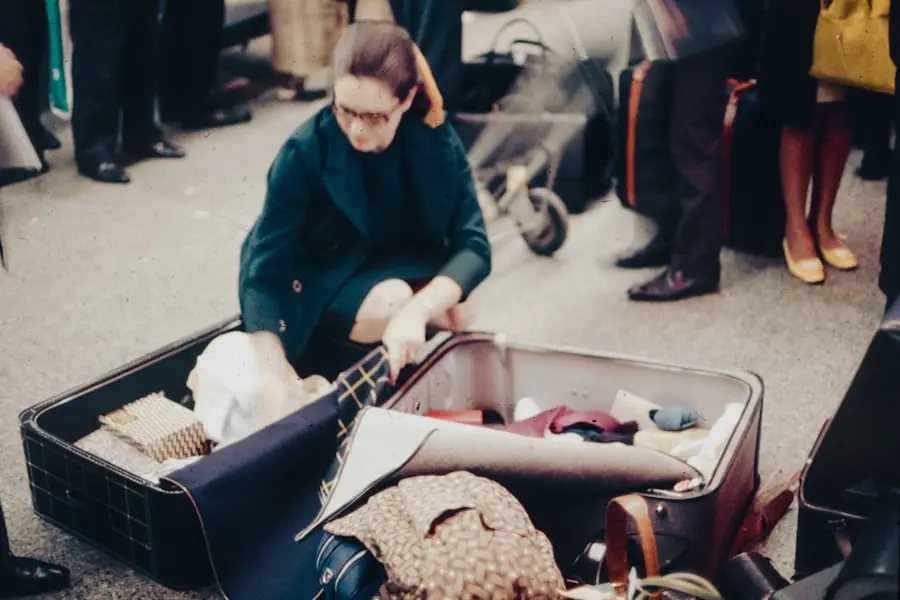
Yes. CDC information lists buses and trains among environments where bed bugs may be found. Public transportation can occasionally act as a transfer point when a bug arrives on a passenger’s bag, clothing, or belongings.
However, this should be kept in perspective. A single bed bug on a seat or bag does not prove that an entire bus or train has an established infestation. Bed bugs prefer protected hiding places near people who remain still for longer periods, especially sleeping areas.
How Transfer Can Occur
A bug concealed in a commuter’s belongings could leave that item and hide elsewhere, or another passenger’s belongings could contact an infested area. The important mechanism is still hitchhiking rather than jumping or flying from person to person.
Reducing Risk in Public Places
Keep bags closed when practical, avoid placing belongings against suspicious upholstered areas, and inspect belongings if you have reason to believe you encountered bed bugs. Offices, schools, waiting areas, buses, and trains may serve as temporary transfer locations even when they do not support a large established infestation.
How to Tell If Bed Bugs Have Reached Your Home
Finding bites alone is not enough to confirm bed bugs because many skin conditions and other insects can cause similar marks. Instead, inspect sleeping and resting areas for physical evidence.
- Live bed bugs: Adults are flat, reddish-brown, wingless insects roughly 1–7 mm long.
- Shed skins: Young bed bugs shed their outer covering as they develop.
- Eggs or eggshells: These may be found in protected cracks and hiding places.
- Rusty or dark spotting: Spots may appear on mattresses, bedding, bed frames, or nearby furniture.
- Hidden bugs: Check mattress seams, box springs, headboards, bed frames, upholstered furniture, and nearby cracks.
The CDC explains that bed bugs often stay close to where people sleep and hide during the day in mattress seams, bed frames, headboards, cracks, crevices, and nearby objects.
Products Worth Considering

ENVIRONMENTAL BED BUG SCREENING KIT – This rapid test kit is designed to detect bed bug-derived antigens from environmental surface samples collected from beds, mattresses, furniture crevices, and other suspected areas. It is intended for environmental hygiene monitoring, not for human specimen testing.

✅ OPTIMAL SOLUTION: Keeping your house free of Bed Bugs and Crawling Insects is simple with our professional-grade Bed Bug Traps. Our traps will help you detect, trap and kill most household crawling insects.

Powerful & Natural Protection: Infused with a potent blend of Peppermint Oil, Geraniol, Citronella Oil, and Cedarwood Oil, our bed bug repellent pouches deliver professional-grade protection as a reliable alternative to bed bug spray, dust mite spray, and mite spray for home. This plant-based formula targets bed bugs, and other mites, acting as both a bed bug killer and dust mites killer without harsh ingredients.
What to Do After Possible Bed Bug Exposure
If you believe you may have encountered bed bugs while traveling or visiting another location, taking a few careful steps can reduce the chance of carrying them throughout your home.
- Keep luggage away from the bedroom until you have inspected it.
- Inspect seams, pockets, folds, zippers, and compartments for live bugs or other evidence.
- Place washable clothing directly into the laundry process rather than spreading it around the house.
- Use a high-temperature dryer for suitable items. EPA guidance notes that high dryer heat kills bed bugs, while washing alone may not reliably do so.
- Vacuum luggage and nearby areas when appropriate and promptly contain and dispose of vacuum contents.
- Continue monitoring beds and resting areas for signs of activity.
The EPA provides additional bed bug travel precautions, including inspecting hotel rooms and luggage racks and checking luggage after returning home.
Products Worth Considering

🛡 Gentle Bed Bug Control for Travel & Home: This plant-based bed bug spray is designed to help control bed bugs and mites when used as directed. Ideal for travelers staying in hotels, motels, or rental properties who want to reduce the risk of bringing bed bugs home and maintain a cleaner living space during travel
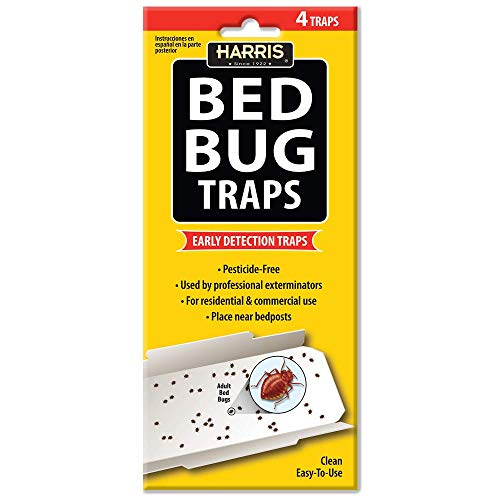
Natural Product. Easy to Use - Simply fold the trap and insert the tab at the top to hold it together

Bed bug exterminator: Our natural bed bug killer insecticide spray is for home DIY or commercial use. Our formula eradicates bugs & pests on contact. Originally for pest control pros, the travel spray is now available to the public.
Prevention and Control Measures
Bed bug prevention works best when several strategies are combined. No single housekeeping habit can guarantee that bed bugs will never enter a home.
Products Worth Considering

Bed Bug Mattress Encasement Sealed on All Six Sides: The nylon zipper closure glides around three sides and tucks under a stitched guard flap, leaving no open corner or gap at the pull; sleep tight knowing nothing crawls in and nothing crawls out

360° Coverage Protection - Fits 60 inches by 80 inches queen size mattress up to 15 inches deep, fully encasing all sides. The stretchy fabric slips on easily and stays securely in place without shifting. Refer to the installation video below for step-by-step guidance.

360° Coverage Protection - Fits 54 inches by 75 inches full size mattress up to 13 inches deep, fully encasing all sides. The stretchy fabric slips on easily and stays securely in place without shifting. Refer to the installation video below for step-by-step guidance.
Inspect Used Items Before Bringing Them Indoors
Check second-hand beds, couches, chairs, furniture, boxes, and other used belongings carefully. Look along seams, joints, cracks, folds, screw holes, and hidden surfaces.
Reduce Hiding Places
Reducing clutter makes inspections and treatment easier. Protective mattress and box-spring encasements can also eliminate many hiding places and make bed bugs easier to spot.
Vacuum and Monitor High-Risk Areas
Regular vacuuming can remove some hitchhiking bed bugs before they become established. Concentrate on areas around beds, furniture, baseboards, cracks, and floor edges, and dispose of vacuum contents securely.
Seal Openings in Multi-Unit Housing
Seal cracks around baseboards and openings around utility penetrations where appropriate. Door sweeps may help discourage movement into hallways. Renters should also notify the landlord or property manager when bed bugs are confirmed so connected units can be evaluated.
Use an Integrated Approach for Active Infestations
An established bed bug infestation can be difficult to eliminate. Professional pest-management companies may combine inspection, monitoring, vacuuming, encasements, heat, steam, and appropriately labeled pesticides depending on the situation.
Warning: Do not apply pesticides to beds, clothing, furniture, people, or indoor surfaces unless the product label specifically permits that use. More pesticide is not better, and improper use can create unnecessary health and safety risks. Follow the label exactly or use an experienced bed bug professional.
The EPA’s current bed bug prevention guidance recommends inspecting second-hand furniture, using mattress and box-spring encasements, reducing clutter, vacuuming frequently, and sealing cracks in multi-family housing.
Do Packing Cubes or Travel Accessories Prevent Bed Bugs?
Travel organization can make belongings easier to inspect, but ordinary packing cubes, travel pillows, and luggage organizers should not be treated as bed-bug-proof barriers. Bed bugs can hide in seams, folds, zippers, and gaps in many textile products.
If you are organizing luggage for an upcoming trip, you can also read TakeTravelInfo’s guides to travel pillows for long flights and packing cubes for travel. Use these products for comfort or organization rather than relying on them as bed bug prevention devices.
Conclusion and Summary
Bed bugs usually travel from one house to another because people unknowingly transport them in luggage, clothing, bedding, boxes, furniture, and other belongings. They can also crawl between neighboring units through connected wall voids and gaps around utilities in apartments and similar multi-unit buildings.
The most useful defenses are early detection and careful handling of belongings: inspect hotel rooms and used furniture, keep luggage away from beds, inspect it when you return home, heat-dry suitable clothing after suspected exposure, reduce hiding places, and act promptly when physical signs of bed bugs appear. If an infestation is established or spreading through multiple units, coordinated professional treatment may be the most practical approach.
Frequently Asked Questions
What are bed bugs?
Bed bugs are small, flat, reddish-brown, wingless insects that feed on the blood of humans and other warm-blooded animals. They usually hide in cracks, seams, furniture, and other protected areas near where people rest or sleep.
How do bed bugs travel from house to house?
Their main long-distance method is hitchhiking. Bed bugs can hide in luggage, clothes, bedding, backpacks, boxes, furniture, and other belongings that are moved from an infested location to another home. In connected multi-unit buildings, they may also crawl through wall voids and gaps around utilities.
Can bed bugs travel on pets?
Bed bugs can feed on animals, but they are not adapted to remain on pets the way fleas or ticks may. A greater household risk is a bed bug hiding in pet bedding, carriers, blankets, furniture, or other belongings.
Do bed bugs infest clean homes?
Yes. Cleanliness does not determine whether bed bugs are present. Even very clean homes and high-end hotels can get bed bugs because the insects are transported with people and belongings and seek hosts and hiding places rather than dirt.
How can I prevent bed bugs from traveling to my house?
Inspect hotel beds and luggage racks, keep luggage off beds and floors, inspect second-hand furniture before bringing it indoors, examine luggage after trips, and heat-dry suitable clothing after suspected exposure. In apartments, sealing cracks and reporting confirmed infestations promptly can also help limit movement between units.
Can bed bugs travel through walls?
Yes. In apartments and other connected buildings, bed bugs can crawl through wall voids and openings around electrical fixtures, pipes, wiring, baseboards, and other utility penetrations. Nearby units may need inspection when an infestation is confirmed.
Can bed bugs fly or jump from one person to another?
No. Bed bugs are wingless and cannot fly or jump. They crawl and are much more likely to travel long distances by hiding in luggage, clothing, furniture, bedding, or other belongings.
Can bed bugs come from a neighbor’s apartment?
Yes. In multi-unit buildings, bed bugs from an infested apartment may crawl into neighboring units through connected wall spaces and openings around utilities. Confirmed apartment infestations should be reported promptly so adjacent areas can be inspected.
Sources
- U.S. Environmental Protection Agency — Protecting Your Home from Bed Bugs — hitchhiking, furniture inspection, encasements, vacuuming, and movement through wall voids.
- U.S. Environmental Protection Agency — Tips for Travel — hotel inspection, luggage placement, post-travel inspection, and high-temperature drying guidance.
- U.S. Environmental Protection Agency — Do-it-yourself Bed Bug Control — apartment notification, nearby-unit inspection, monitoring, and integrated control guidance.
- Centers for Disease Control and Prevention — About Bed Bugs — identification, spread, public transportation environments, health effects, and signs of infestation.
- Centers for Disease Control and Prevention — DPDx Bed Bugs — bed bug species, life cycle, nymphal stages, feeding, and biology.
