
Last Updated on July 31, 2026 by Daniel Globe
Paying cash for a hotel room is possible at some properties, but acceptance is never guaranteed. A hotel may let you settle the final bill in cash while still requiring a credit or debit card to hold the reservation or cover incidentals. The safest approach is to confirm the exact property’s rules before you travel.
Quick Answer
Some hotels accept cash, but many still require a credit or debit card to guarantee the reservation or cover incidentals. Before booking, call the exact property and confirm when cash is accepted, the deposit amount, required ID, and how any unused cash deposit will be returned.
Key Takeaways
- Cash-payment rules vary by hotel, brand, location, rate, and booking method.
- A hotel that accepts cash at checkout may still require a card or cash deposit at check-in.
- Ask about the full room total, taxes, fees, incidental deposit, ID rules, and refund process before arrival.
- Always get a printed or emailed receipt for every cash payment and deposit.
- Prepaid cards and mobile wallets are not reliable substitutes unless the property confirms acceptance.
- Paying cash does not automatically cancel hotel loyalty earnings; the booking channel, rate, member folio, and program rules usually matter more.
At a Glance
| Time Required | About 10–15 minutes to verify a property’s policy |
| Difficulty | Easy, but confirmation is essential |
| Tools Needed | Phone or internet access, valid photo ID, confirmation details, and sufficient funds |
| Cost | Room, taxes, fees, and any required security or incidental deposit |
Disclosure: As an Amazon Associate I earn from qualifying purchases. Some links on this page are affiliate links, at no extra cost to you.
Can You Pay Cash for a Hotel Room?
Yes, some hotels accept cash, but there is no universal policy. In the United States, the Federal Reserve explains that private businesses may set their own cash-acceptance rules unless state or local law says otherwise. Hotel chains also warn that accepted payment types can vary by property. Hilton, for example, tells guests that accepted payment types can vary by location and recommends checking the individual hotel’s policy.
The answer also depends on when you want to use cash:
- At booking: Most online reservation systems require a credit or debit card to guarantee the room, even when payment is not collected immediately.
- At check-in: The hotel may require full payment, a cash deposit, or a card authorization for room charges and incidentals.
- At checkout: Some properties let you pay the final folio in cash after using a card only as a guarantee. Others remain cashless from booking through departure.
Note: A “pay at property” rate does not automatically mean the hotel accepts physical cash. It only means payment is collected by the property rather than during online booking.
A hotel may accept cash for the room and still require a card or separate deposit for incidentals.
Products Worth Considering

Perfect Size for Recordkeeping – Each envelope measures 4 1/2" x 10 3/8", ideal for safes yet large enough to hold cash, coins, checks, vouchers, and receipts.
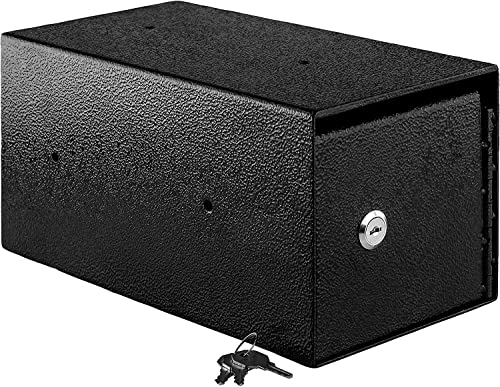
DON'T STAY UP ALL NIGHT WAITING FOR RENT. With this check drop box, you won't have to work the graveyard shift to get your hotel keys, cash envelopes, secure letters, or rent checks from your tenants after hours.
Benefits of Paying Cash at a Hotel
Cash can be useful for travelers who want a firm spending limit. Withdrawing a set amount makes the remaining budget easy to see and avoids adding the hotel bill to a revolving credit-card balance. Cash also reduces the amount of payment-card data shared during the transaction.
However, cash does not make a hotel stay anonymous. The property may still record your reservation details, photo identification, address, vehicle information, and stay history. Cash also creates a theft risk and provides fewer formal payment-dispute options than a credit card.
How to Find Hotels That Accept Cash Payments
Do not rely on a broad brand rule or a third-party listing alone. Payment policies can differ between two hotels carrying the same brand name. Use this process to confirm the exact property:
- Check the official property page. Look for “Policies,” “Payments,” “Deposit,” “Check-in,” or “Hotel information.”
- Review the selected rate rules. Advance-purchase and nonrefundable rates often require electronic prepayment.
- Call the hotel’s front desk. Contact the property itself, not only a central reservation line, because the front desk applies the local check-in policy.
- Ask whether cash is accepted at booking, check-in, or checkout. These are separate questions and may have different answers.
- Request written confirmation. Ask for an email or note on the reservation that states the approved payment arrangement.
- Reconfirm shortly before arrival. Policies, management, deposit amounts, and accepted payment methods can change.
Products Worth Considering

DURABLE AND LONG LASTING: Premium reinforced plastic for a long-lasting sign.

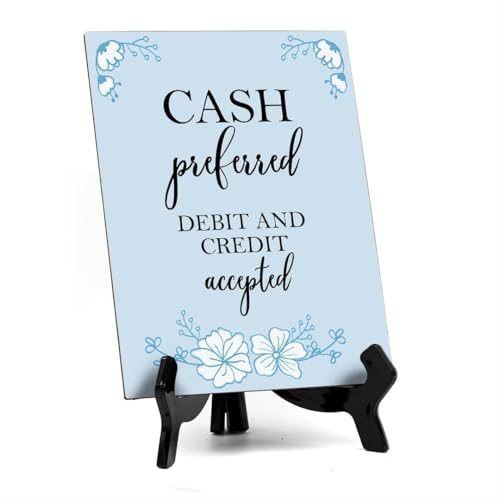
Includes black acrylic easel for stable tabletop display
Questions to Ask Before You Book
- Can I pay the room and taxes in cash?
- Is a credit or debit card still required to guarantee the reservation?
- Do you accept cash at check-in, only at checkout, or both?
- How much is the security or incidental deposit?
- Can the deposit be paid in cash?
- When and how will an unused cash deposit be returned?
- Which photo ID is required, and must the reservation name match it?
- Are resort fees, parking, taxes, and other charges included in the amount quoted?
- Are prepaid cards, mobile wallets, or hotel gift cards accepted?
- Will the stay remain eligible for loyalty points and elite-night credit?
Pro Tip: Use a direct question: “I will arrive with a valid photo ID and want to pay in cash. What exact amount must I bring, and will you still require a card at check-in?”
Tips for Making Cash Payments at Hotels

Bring enough money for the confirmed room total, taxes, mandatory fees, and deposit. Carrying smaller denominations can make the transaction easier, but count the money discreetly and avoid displaying a large amount in a public lobby.
- Keep most cash in a secure location instead of carrying it all in one wallet.
- Pay at the front desk and confirm the employee’s name or receipt number.
- Get a receipt showing the amount, date, hotel name, room or confirmation number, and whether the payment was for the room, deposit, or both.
- Ask for a final itemized folio at checkout and compare it with every receipt.
- If the hotel returns a cash deposit, count it before leaving the desk and request written proof that the deposit was closed.
- Carry a backup payment method in case the property cannot honor the cash arrangement.
Products Worth Considering

Two-Part Carbonless Receipt Book: Each receipt book has 50 sets of receipts, each with a white/light yellow section and the yellow section is kept in the receipt book to maintain detailed records.

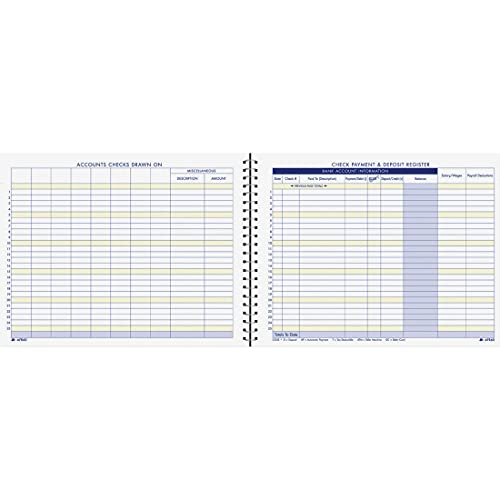
PERFECTLY BALANCED: Adams Check Payment and Deposit Registers help you stay on top of cash flow with a large roomy ledger
Understanding Hotel Deposit Policies for Cash Payments
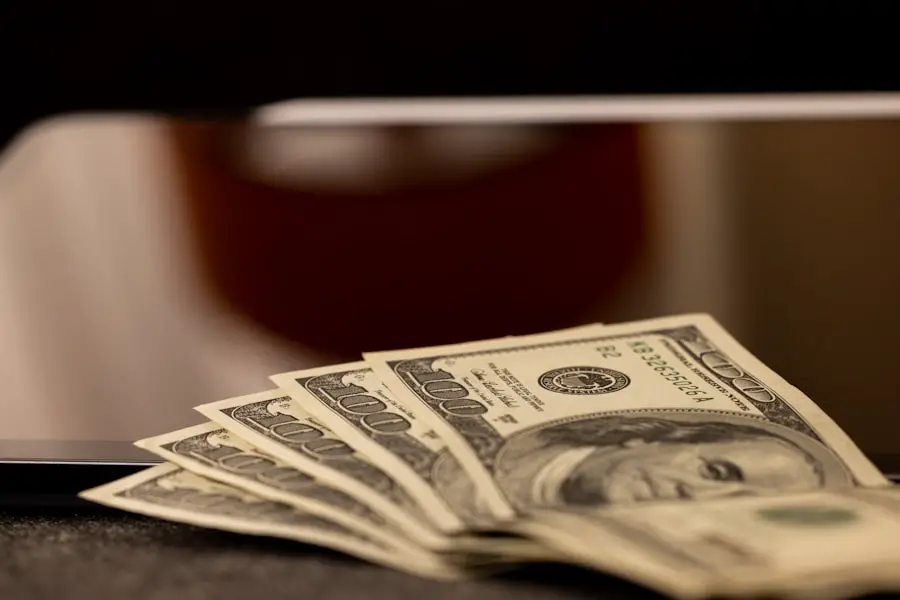
Hotels use deposits to cover possible charges such as parking, food and drinks, room service, damage, or unpaid fees. Marriott describes an incidental hold as a predetermined amount for potential extra charges, although the amount and release process vary by property.
A card authorization and a cash deposit work differently. A card hold temporarily reduces available credit or bank funds until the issuer releases it. A cash deposit requires you to hand over money, which the hotel must later return according to its policy. Some hotels accept a cash deposit, some require a card, and some require both room payment and a separate guarantee. IHG’s published terms note that a property may require a major card or cash deposit at check-in and valid identification.
| Charge to Confirm | What to Ask |
| Room and tax | Is the full amount due at check-in or checkout? |
| Incidental or security deposit | What is the amount per night or per stay, and can it be paid in cash? |
| Mandatory fees | Are resort, destination, parking, pet, or service fees included? |
| Deposit refund | Is unused cash returned immediately, by check, or through another method? |
Warning: Never assume the nightly rate is the full amount you must bring. Taxes, mandatory fees, parking, and a deposit can make the required check-in total much higher.
The Importance of Communication When Paying with Cash at Hotels
Tell the hotel about your payment plan during the reservation process and again before arrival. Record the date, time, employee name, and details of the conversation. If possible, ask the property to add a note to your reservation and email the policy to you.
At check-in, repeat the arrangement before handing over money. If the front desk gives different information, ask for a manager and show your written confirmation. Respectful, specific communication is more useful than simply asking, “Do you take cash?”
The Risks of Paying with Cash at Hotels
| Hotel Cash-Payment Risk | Impact |
| Loss or theft of cash | High—lost cash is usually difficult or impossible to recover |
| Limited formal dispute rights | High—cash does not provide the same billing-error process as a credit card |
| Poor record keeping | Medium—missing receipts can make a payment dispute harder to prove |
| Inconvenience for large payments | Medium—carrying and counting a large amount creates security and handling concerns |
| Counterfeit-bill concerns | Low to medium—the hotel may inspect or reject damaged or suspicious notes |
Credit cards can provide a formal billing-error process. The Consumer Financial Protection Bureau explains how consumers can dispute a credit-card charge. Cash does not offer the same issuer-based process, so your receipts, final folio, written confirmation, and direct communication with the hotel become especially important.
Alternatives to Cash Payments at Hotels
Cash is not the only way to avoid relying on a traditional credit card, but every alternative has limitations. Confirm acceptance with the property before choosing one.
| Payment Method | What to Know |
| Credit card | Usually the easiest option for guarantees and incidentals; pay the balance in full to avoid interest. |
| Debit card | Widely accepted, but a hold can reduce access to money in your bank account until released. |
| Prepaid debit card | May be rejected for room guarantees or deposits, even if it works for ordinary purchases. |
| Mobile wallet or payment app | Works only if the hotel has a compatible terminal and accepts that method for both payment and deposit. |
| Hotel gift card | May cover eligible room charges, but a separate card or deposit can still be required for incidentals. |
How Cash Payments Can Impact Loyalty Programs and Rewards
Paying cash does not automatically make a stay ineligible for hotel points. Loyalty programs usually focus on whether the member booked an eligible rate through an approved channel, stayed in the room, attached the membership number, and placed qualifying charges on the member’s folio. Marriott, for example, states that qualifying charges must be placed on the member’s hotel folio.
However, you will not earn any extra rewards that require using a specific co-branded credit card if you pay cash. Third-party bookings, excluded rates, taxes, fees, and certain charges may also be ineligible under the program’s rules. Add your loyalty number before check-in, book through an eligible channel, keep the final folio, and request missing credit if necessary.
Cash-Payment Rules Can Vary by Location
This guide mainly reflects common U.S. hotel practices. State or local laws may affect whether a business can refuse cash, and rules in other countries can differ. Currency restrictions, foreign-currency acceptance, identification requirements, taxes, and deposit practices may also vary. Confirm the policy in the destination where the hotel operates rather than assuming a rule from home applies.
Other Travel Tools to Consider
If you are planning international travel and need reliable internet access, compare options for a portable WiFi hotspot. Travelers who have trouble sleeping in noisy rooms may also benefit from a portable white noise machine. A power bank can help keep phones and other devices charged while you are away from an outlet.
Frequently Asked Questions
What is the policy of hotels regarding payment with cash?
There is no single hotel policy. Some properties accept cash at check-in, some accept it only at checkout, and others are fully cashless. Many still require a card or cash deposit for the reservation or incidentals.
Do all hotels accept cash as a form of payment?
No. Cash acceptance varies by property, even within the same hotel brand. Check the official property page and call the front desk before booking.
Are there additional requirements for paying with cash at a hotel?
Often, yes. The hotel may require valid photo identification, full room payment in advance, and a security or incidental deposit. It may also require a credit or debit card even when the final bill will be paid in cash.
Can I use cash to book a hotel room online?
You generally cannot hand over physical cash during an online booking. Most systems require a card to guarantee or prepay the reservation. A pay-at-property rate may let you use cash later, but only if the hotel confirms it.
How much is a hotel cash deposit?
There is no standard amount. It may be charged per night or per stay and can depend on the room, length of stay, and property. Ask for the exact amount and refund method before arrival.
Can I pay cash at checkout if I used a card at check-in?
Some hotels allow this. The card may still be authorized for room charges and incidentals at check-in, and the hold may remain for a period after you pay cash. Confirm the procedure with the property.
What are the advantages and disadvantages of paying with cash at a hotel?
Cash can make budgeting easier and avoids adding the stay to a credit-card balance. The disadvantages include theft risk, the need to carry a large amount, possible higher deposits, fewer formal dispute protections, and limited acceptance.
Will I earn hotel loyalty points if I pay cash?
Possibly. Cash itself is not always disqualifying. Eligibility usually depends on the rate, booking channel, member details, qualifying charges, and program rules. You will not receive rewards tied to using a hotel credit card when you pay cash.
Sources
- Federal Reserve: Cash Acceptance by Private Businesses — explains that U.S. businesses may generally set cash-payment policies unless state law provides otherwise.
- Hilton Payment FAQs — confirms that accepted payment types and check-in holds can vary by location.
- Marriott: Incidental Holds — describes the purpose of hotel incidental deposits and holds.
- IHG Hotel Terms — notes that a property may require a major card or cash deposit and valid identification at check-in.
- Consumer Financial Protection Bureau: Credit-Card Disputes — explains the billing-error dispute process available to credit-card users.
- Marriott Bonvoy Qualifying Charges — explains how eligible hotel charges must appear on the member’s folio to earn points.
