
Last Updated on July 27, 2026 by Daniel Globe
Hiking and backpacking both let you explore the outdoors on foot, but they are not quite the same experience. In everyday use, hiking is the broader activity. For this comparison, “hiking” means day hiking: you head out and return the same day. Backpacking adds at least one overnight stay and requires you to carry a sleep system, food, and other camping essentials.
Quick Answer
The main difference between hiking and backpacking is the overnight component. A day hike ends the same day and usually needs a smaller pack. Backpacking includes one or more nights outdoors, so you carry shelter, sleep gear, more food, water-treatment supplies, and other equipment needed to stay self-sufficient.
Key Takeaways
- Day hiking normally starts and ends on the same day; backpacking includes at least one overnight stay.
- Backpackers carry shelter, a sleep system, more food, and other overnight equipment in addition to normal hiking essentials.
- Backpacking is not automatically off-trail or more technical. Day hikers and backpackers can use the same maintained trail.
- Difficulty depends on mileage, elevation, weather, terrain, navigation demands, and pack weight—not just the activity label.
- Both activities require route planning, weather awareness, adequate water, navigation, emergency supplies, and respect for local rules.
Hiking vs. Backpacking at a Glance
| Trip Length | Day hiking: returns the same day. Backpacking: includes one or more nights outdoors. |
| Main Gear | Day hiking: daypack and safety essentials. Backpacking: larger pack plus shelter, sleep system, food, cooking gear as needed, and water treatment. |
| Planning | Day hiking: route, weather, water, turnaround time, and emergency plan. Backpacking: all of those plus campsites, overnight regulations, food storage, water sources, and multi-day weather. |
| Physical Load | Day hiking: usually lighter. Backpacking: usually heavier because you carry overnight equipment and more supplies. |
| Terrain | Either activity can take place on easy, maintained trails or demanding routes. The route—not the label—sets the terrain difficulty. |
Disclosure: As an Amazon Associate I earn from qualifying purchases. Some links on this page are affiliate links, at no extra cost to you.
Definition and Characteristics of Hiking
Hiking means traveling on foot for recreation, exercise, sightseeing, or access to natural areas. A hike can be short or long, easy or strenuous, and it can follow a maintained trail or a less-developed route. Because backpacking itself includes hiking, the most useful comparison here is day hiking versus overnight backpacking.
Accessibility and Inclusivity
Day hiking is often easier to start because you do not need a full camping setup. Many parks offer short, well-marked trails that work for beginners, families, and people who want a lower-commitment outdoor activity. Other day hikes can be steep, remote, exposed, or technically demanding, so trail difficulty should always be checked before you go.
Connection to Nature
Hiking gives people time outdoors to observe wildlife, scenery, plants, geology, and seasonal changes. Research on nature exposure suggests that time in natural settings can support mood and stress relief for some people, although the size of the benefit varies across studies and individuals. A 2024 meta-analysis indexed by PubMed reported mental-health benefits from nature exposure in adults with symptoms of mental illness.
Flexibility and Adaptability
One of day hiking’s biggest advantages is flexibility. A trip might last an hour, half a day, or most of a day. You can choose a route based on your schedule, fitness, weather, trail conditions, and daylight. That makes day hiking a practical way to build outdoor skills before trying an overnight trip.
Definition and Characteristics of Backpacking
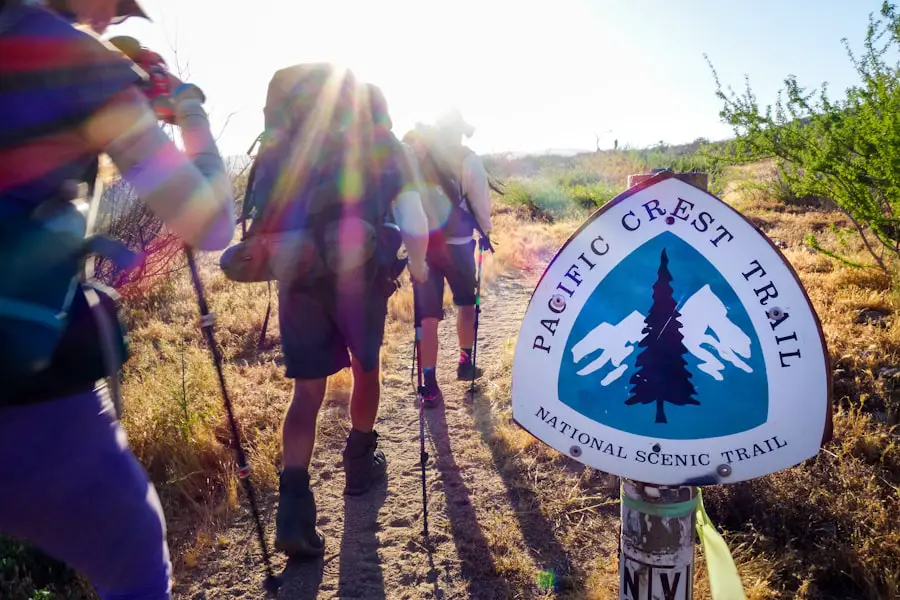
Backpacking combines hiking with overnight camping while carrying the gear and supplies you need on your back. An overnight trip is enough to count as backpacking; it does not have to last several days. As the REI backpack guide explains, pack choice depends on trip length, load, fit, and the equipment you need to carry.
Backpacking requires more self-sufficiency than a typical day hike because you must manage shelter, sleep, food, water, weather changes, hygiene, navigation, and emergencies for longer. It also adds campsite selection and overnight regulations to the planning process.
Backpacking is best understood as hiking plus overnight self-sufficiency—not as a separate type of terrain.
Some backpacking trips use maintained trails and designated campsites. Others cross remote or unmaintained terrain. The same route can sometimes be completed as a long day hike or split into an overnight backpacking trip, so terrain alone does not define the activity.
Gear and Equipment for Hiking
| Item | Why It Helps | Day-Hike Guidance | Backpacking Note |
| Hiking Boots or Trail Shoes | Traction, protection, and comfort appropriate to the route | Choose fit and support for the terrain and weather; waterproof footwear is useful in some conditions but is not mandatory for every hike. | Footwear must remain comfortable under a heavier pack and over repeated days. |
| Backpack | Carries water, food, layers, and emergency gear | A fitted daypack is usually enough for the day’s essentials. | Overnight packs need room and support for shelter, sleep gear, food, and other camping equipment. |
| Trekking Poles | Can improve stability and help on steep or uneven ground | Optional; especially useful where footing is loose, steep, or slippery. | Optional, but many backpackers appreciate the added stability with a loaded pack. |
| Water Filter or Treatment System | Treats water when a known-safe supply is not available | Carry enough water when possible; bring treatment when the route depends on natural sources. | Often important on multi-day routes, but the treatment method must match the water risks. |
For a day hike, the focus is comfort, route-appropriate protection, and emergency readiness without carrying unnecessary overnight equipment. Footwear should fit well and provide enough traction for the trail. Clothing should match the forecast and expected exposure; moisture-managing layers and a rain or insulating layer may be useful depending on conditions.
The U.S. National Park Service recommends carrying the Ten Essentials, which cover navigation, sun protection, insulation, illumination, first aid, fire, repair tools, food, hydration, and emergency shelter. The exact items should be adjusted for your route, season, remoteness, and conditions.
Pro Tip: Pack for the consequences of a delay, not just the expected hiking time. A headlamp, extra layer, basic first aid, navigation backup, and some extra food can matter if the hike takes longer than planned.
Gear and Equipment for Backpacking
Backpacking starts with the same hiking basics, then adds the equipment needed to sleep, eat, and manage changing conditions overnight. A well-fitted pack is especially important because the load is heavier and carried for longer.
Common backpacking equipment includes:
- A backpack sized and fitted for the full load
- A tent, tarp, or other appropriate shelter
- A sleeping bag or quilt rated for expected temperatures
- A sleeping pad for comfort and insulation
- A compact stove and fuel where stoves are allowed, plus simple cooking and eating supplies as needed
- Food for the full trip plus an appropriate reserve
- Water containers and a treatment method suited to local water risks
- Weather-appropriate clothing and dry sleep layers where conditions call for them
- Navigation, first aid, lighting, repair, hygiene, and emergency supplies
- Required food-storage equipment, such as a bear-resistant canister, where local regulations require it
REI’s backpacking checklist notes that the gear you need depends on distance, remoteness, and weather. Weight matters, but removing critical safety items just to make a pack lighter can create bigger problems than a few extra ounces.
Warning: Do not assume untreated stream, river, or lake water is safe. The CDC says boiling is the best way to kill germs when water safety is uncertain; when boiling is not practical, filtering and then disinfecting is the next best option. Many portable filters do not remove viruses and may not remove all bacteria.
Differences in Duration and Distance
Duration is the clearest practical difference. A day hike may take an hour or most of the day, but you return before sleeping. Backpacking includes at least one overnight stay and may continue for days or weeks.
Distance is less clear-cut. A strenuous day hiker may cover more miles in one day than a backpacker carrying a heavier load. Backpacking trips often cover more total distance because they last longer, but they do not automatically involve more miles each day.
For both activities, mileage should be judged together with elevation gain, footing, altitude, temperature, daylight, water availability, route-finding, and the fitness of the slowest person in the group.
Differences in Terrain and Difficulty
Neither hiking nor backpacking has a fixed terrain type. A day hike can follow a paved nature path, a steep mountain trail, a desert route, or an unmaintained cross-country line. A backpacking trip can use those same kinds of terrain and may even follow the exact same trail as a day hike.
Backpacking often feels harder because a loaded pack adds weight and because the effort repeats across multiple days. It also introduces overnight concerns such as campsite selection, staying dry, food storage, sleep, multi-day weather, and managing water between sources.
However, a short overnight trip on a gentle maintained trail can be easier than a long, exposed day hike with major elevation gain. The better question is not “Which activity is always harder?” but “What does this specific route require?”
Note: Technical travel—such as exposed scrambling, glacier travel, deep snow, swift-water crossings, or mountaineering—requires skills and equipment beyond ordinary hiking or backpacking. Do not treat the activity label as a substitute for route-specific research.
Planning and Safety for Both Activities
Good planning matters on both a two-hour hike and a multi-day backpacking trip. The National Park Service’s Hike Smart guidance recommends researching the route, bringing appropriate food and water, carrying essential gear, and planning for the conditions you may face.
Check the Route, Weather, and Daylight
Know the distance, elevation profile, major junctions, water sources, exposure, seasonal hazards, expected weather, and sunset time. Download offline navigation if you use a phone, and carry a backup appropriate to the route. Tell a trusted person where you are going and when you expect to return.
Understand Permits and Overnight Rules
Day-use and overnight rules are not universal. Some destinations require permits for overnight backcountry camping, specific campsites, bear-resistant food storage, or special waste practices. Others have different rules. Check the current land-manager page for the exact area before leaving. For example, Yosemite National Park explains that a wilderness permit is required for backpacking in Yosemite Wilderness, while most ordinary day hikes there do not require that wilderness permit.
Plan Water Treatment Correctly
Do not choose a treatment method only because it is lightweight. According to the CDC’s backcountry water-treatment guidance, boiling kills viruses, bacteria, and parasites. Many portable filters remove parasites and some remove bacteria, but most do not remove viruses. The right method depends on the expected contamination risk and product instructions.
Minimize Your Impact
Follow local rules and the Leave No Trace Seven Principles: plan ahead, use durable surfaces, dispose of waste properly, leave what you find, minimize campfire impacts, respect wildlife, and be considerate of others.
Which Is Better for Beginners?
Day hiking is usually the simpler starting point because it requires less gear and makes it easier to learn pacing, footwear, navigation, layering, hydration, and trail etiquette without adding an overnight system.
If you already feel comfortable on day hikes, a short one-night backpacking trip on a familiar or well-described route is a good next step. Keep the mileage modest, test your gear before the trip, confirm water and camping rules, and practice carrying the loaded pack.
Choose Day Hiking If You Prefer
- A lower-cost entry point with less specialized gear
- Shorter time commitments
- Returning to a bed, vehicle, or established lodging at night
- Learning outdoor skills gradually
- The option to change plans more easily if weather turns poor
Choose Backpacking If You Prefer
- Sleeping outdoors away from the trailhead
- Longer, more immersive trips
- Carrying and managing your own overnight system
- Learning campsite, food-storage, and backcountry-living skills
- Accessing destinations that are impractical to visit on a single-day out-and-back trip
How to Move from Day Hiking to Backpacking
- Build comfortable day-hiking mileage. Learn how your body responds to hills, heat, cold, and longer hours on your feet.
- Practice with the pack you will carry. Add weight gradually so you can check fit and identify pressure points before an overnight trip.
- Test sleep and shelter gear at home or at a campground. Know how to pitch your shelter and use your sleep system before relying on it in the backcountry.
- Start with one night. Pick a forgiving route with a manageable distance and a clear bailout option.
- Confirm water, food-storage, fire, camping, and permit rules. Regulations can change by destination and season.
- Review the trip afterward. Note what you used, what you missed, and what you carried but did not need. Use that experience to refine future packing.
If you enjoy observing wildlife or distant scenery, a pair of compact binoculars can be a useful optional accessory. They are not a safety essential, so prioritize water, navigation, weather protection, and emergency gear before adding comfort or sightseeing items.
Conclusion and Personal Preference
The simplest way to separate the two activities is this: day hiking ends the same day, while backpacking includes at least one night outdoors with your camping gear carried on your back. Beyond that, there is plenty of overlap. Both can be easy or difficult, local or remote, social or solitary.
Choose day hiking when you want a flexible outdoor trip with less equipment and planning. Choose backpacking when you want to stay out overnight, travel farther from the trailhead, and take on the added responsibility of shelter, food, water, campsite management, and multi-day conditions. Neither is inherently “better”; the right choice depends on your time, skills, route, comfort, and goals.
Frequently Asked Questions
What is the difference between hiking and backpacking?
Hiking is the broader activity of walking outdoors for recreation. In a day-hiking comparison, the trip ends the same day. Backpacking includes at least one overnight stay and requires carrying the gear and supplies needed to camp.
What gear is typically used for hiking?
Typical day-hiking gear includes suitable footwear, weather-appropriate clothing, a daypack, water, food, navigation, first aid, a headlamp, sun protection, and other items from the Ten Essentials based on the route and conditions.
What gear is typically used for backpacking?
Backpacking adds overnight equipment to normal hiking gear, including a suitable backpack, shelter, sleeping bag or quilt, sleeping pad, extra food, water-treatment supplies, and cooking equipment when needed and allowed.
What are the typical durations for hiking and backpacking trips?
A day hike can last from a short outing to most of a day. A backpacking trip includes at least one overnight stay and may continue for several days or longer.
What are the physical demands of hiking versus backpacking?
Either activity can be physically demanding. Backpacking usually adds a heavier pack and repeated days of effort, but a steep or very long day hike can be harder than a short overnight backpacking route.
Is backpacking always more difficult than hiking?
No. Backpacking adds weight, overnight logistics, and longer self-sufficiency, but route difficulty still depends on mileage, elevation, terrain, weather, altitude, navigation, and conditions.
Do backpackers always hike on remote or unmarked trails?
No. Many backpacking trips follow maintained, signed trails and use designated campsites. Other trips are remote or off-trail. The overnight component and carried camping system define backpacking more reliably than the type of trail.
Do I need a permit to go backpacking?
Sometimes. Permit, campsite, fire, food-storage, and waste rules vary by land manager and destination. Check the current official page for the exact place and dates of your trip before leaving.
Sources
- U.S. National Park Service — Ten Essentials — core safety systems for hiking and other outdoor activities.
- U.S. National Park Service — Hike Smart — route planning, food, water, and hiking-safety guidance.
- CDC — Water Treatment When Hiking, Camping, or Traveling — boiling, filtering, and disinfection guidance.
- Leave No Trace — Seven Principles — low-impact outdoor practices.
- Yosemite National Park — Wilderness Permits FAQ — an example of destination-specific overnight permit rules.
- PubMed — Nature Exposure and Adult Mental Health Meta-Analysis — evidence on nature exposure, stress, mood, and related outcomes.

