
Last Updated on September 10, 2026 by Daniel Globe
Water is one of the most important things to plan around when hiking in Iceland. The country’s volcanic terrain, glaciers, and geothermal features make natural water sources unusually abundant — but also unusually varied, ranging from pristine glacial streams to scalding, undrinkable geothermal runoff. Knowing where to look, what to avoid, and how to treat what you find can turn hydration from a worry into one of the best parts of the hike.
Quick Answer
Most hikers in Iceland can safely drink from fast-moving glacial springs and clear streams flowing over rock away from farmland. However, filtering or boiling for at least one minute is the safest standard. Always avoid stagnant pools, water downstream of grazing sheep, and anything with a sulphur smell, which signals geothermal runoff.
Key Takeaways
- Finding water on Icelandic hikes is rarely difficult, but staying safe means knowing which sources to trust.
- Fast-flowing springs bubbling directly out of basalt bedrock are the purest natural sources.
- Free-roaming summer sheep pose the highest biological contamination risk — always collect water upstream of grazing areas.
- Geothermal water can look clear but contains dangerous dissolved minerals and high heat — never drink water with a sulphur smell.
- Protect hollow-fiber water filters from freezing temperatures, as ice crystals destroy internal filter membranes.
At a Glance: Iceland Water Sourcing Guide
| Best Sources | Bedrock spring sources, cold clear streams, mountain hut taps |
| Primary Hazards | Sheep feces (Giardia/E. coli), geothermal runoff (sulfur/minerals), glacial silt |
| Treatment Needed | 0.1–0.2 micron filter, pre-filter bandana (for silt), or 1-minute rolling boil |
| Gear Capacity | 1.5 to 2.5 Liters (expand capacity when traversing porous lava fields) |
Disclosure: As an Amazon Associate I earn from qualifying purchases. Some links on this page are affiliate links, at no extra cost to you.
Understanding the Landscape: Where to Look for Natural Springs and Streams
Iceland’s diverse topography makes it easy to find natural water sources. The country is dotted with rivers, streams, and springs, many fed by glacial meltwater or groundwater that has filtered slowly through volcanic rock. Around 96% of Iceland’s drinking water comes from groundwater that has seeped through basaltic bedrock, which naturally filters it and keeps mineral content low. Understanding this helps explain why the landscape itself does much of the purification work.
Areas near glaciers or in valleys where water naturally collects are the most promising spots. Glacial spring water is prized for its purity and crisp taste. Streams flowing through valleys are typically fed by melting snow or rainwater and tend to be reliable. Lush vegetation nearby is often a sign of a stable water source. Many marked hiking trails note nearby water points, and mountain huts (especially along highland routes) are dependable places to refill.
Note: In Iceland’s central highlands, glacial rivers often run grey or milky from suspended rock flour (fine volcanic sediment). This silt isn’t toxic, but it tastes gritty and will instantly clog micro-filters. Pass silty water through a fabric bandana or coffee filter first, or let it settle in a container before filtering.
Products Worth Considering

Ideal for outdoor recreation, hiking, camping, scouting, domestic or international travel, and emergency preparedness
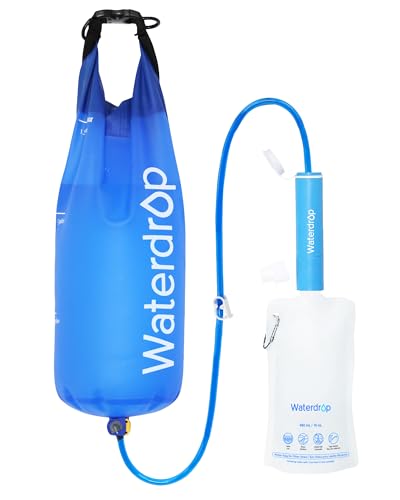
5-Stage Efficient Filtration: With adoption of premium-quality 0.1 um ultrafiltration membrane and other raw materials, the Water Filter Straw can effectively reduce harmful substances like chlorine, particulates, sediment, stones, sand, dirt, bad taste &odor in water to ensure the water safety and deliver better drinking experience.
Highland Dry Zones & Porous Volcanic Fields
While water is abundant across most of Iceland, certain geological zones are surprisingly dry. In lava fields such as Sprengisandur, Ódáðahraun, or sections of the Fimmvörðuháls pass, rain and snowmelt sink directly into porous basalt rock rather than forming surface streams. When traversing porous lava fields, carry at least 2 to 3 liters of water per person, as you may hike for hours without encountering surface water.
Iceland-Specific Risks: Sheep, Farmland, and Geothermal Water
Two hazards are worth knowing specifically for Iceland. First, sheep graze freely across much of the countryside every summer, and their runoff is the most common real-world source of contamination in otherwise clean-looking streams. Water passing near farmland can carry harmful bacteria and agricultural chemicals, so it’s best to avoid drinking from rivers close to grazing or farmed land and to favor clear water running directly out of rock.
Warning: Not all water in Iceland’s volcanic zones is safe to drink, even if it looks crystal clear. Geothermal springs and runoff can be scalding hot and contain dissolved heavy metals and chemicals. A sulphur (rotten egg) smell is a definitive warning sign — it signals geothermal runoff, and no amount of boiling or filtering will make it safe to consume.
Packing the Right Gear: Water Filtration and Purification Methods
While Iceland’s tap water and many spring sources are exceptionally clean, carrying a reliable filtration method is essential for backcountry trips. Portable filters come in a few common forms: pump filters, which handle turbid water well; gravity filters, which work effortlessly at camp; and squeeze or straw filters, which are lightweight and ideal for fast-moving day hikes. Chemical purification tablets (such as chlorine dioxide) or UV light purifiers serve as reliable backup options.
Pro Tip: Protect Filters From Freezing! Iceland’s weather can drop below freezing overnight, even during summer shoulder months. Hollow-fiber micro-filters (like the Sawyer Squeeze or Katadyn BeFree) break if the water trapped inside them freezes and expands. Sleep with your filter inside your sleeping bag when temperatures dip to prevent unseen internal damage.
Products Worth Considering

Replacement cartidge for Katadyn Hiker and Hiker Pro water filter systems

Ideal for outdoor recreation, hiking, camping, scouting, domestic and International travel, and emergency preparedness

PORTABLE EASY TO USE HAND PUMP WATER FILTER FOR CAMPING, BACKPACKING, HIKING, SURVIVAL AND EMERGENCY - Lightweight 11.2 oz microfilter pumping 1 liter of clean water per minute; connects directly to most water bottles and hydration packs.
Safety Precautions When Drinking from Natural Water Sources
| Safety Precaution | Description & Practical Application |
|---|---|
| Boil the water | A rolling boil for at least 1 minute kills waterborne bacteria, viruses, and parasites. At higher elevations, extend to 3 minutes. |
| Use water purification tablets | Chlorine dioxide tablets neutralize harmful microorganisms without leaving a harsh chemical taste. Allow full contact time (30–240 mins). |
| Use a micro-filter | A 0.1 or 0.2-micron filter efficiently removes bacteria (like E. coli) and protozoa (Giardia/Cryptosporidium) from natural sources. |
| Avoid stagnant water | Stagnant pools accumulate bacteria, parasites, and organic decay. Always seek fast-moving streams or bubbling springs. |
| Inspect the water source | Look upstream for sheep, dead animals, farm runoff, or geothermal steam before dipping your bottle into natural streams. |
Drinking from natural water sources in Iceland is generally lower-risk than in many other parts of the world, but caution remains essential. Natural streams near animal activity can occasionally harbor microorganisms such as Giardia or Cryptosporidium, which cause severe gastrointestinal distress. Filtering or purifying water is a sensible default, even when a stream appears pristine.
Fast-flowing streams are consistently safer than still water, as continuous movement prevents pathogen concentration. Always collect water upstream of potential contamination points such as trail crossings, campsites, mountain huts, or grazing herds.
Products Worth Considering

One bottle of 50 Potable Aqua Water Purification Tablets and one bottle of 50 Potable Aqua PA Plus tables

WATER PURIFICATION TABLETS FOR CAMPING AND TRAVEL: Essential camping gear and a go-to water purifier for hiking and survival kits, Katadyn Micropur MP1 water purification tablets release chlorine dioxide for safe drinking water on any trip.

TWO BOTTLES INCLUDED: Includes two bottles, each with 50 Potable Aqua Water Purification Tablets, offering an effective solution for emergency water treatment in camping, hiking, and natural disasters.
The Joy of Discovering Hidden Water Sources on Icelandic Hikes
One of the most rewarding parts of hiking in Iceland is stumbling upon a natural spring along the trail — a secluded source bubbling out between lava rocks or mossy embankments. Sourcing drinking water directly from subterranean volcanic filters adds a tangible connection to Iceland’s living geology.
Connecting with Nature: Sourcing Water Mindfully in the Backcountry
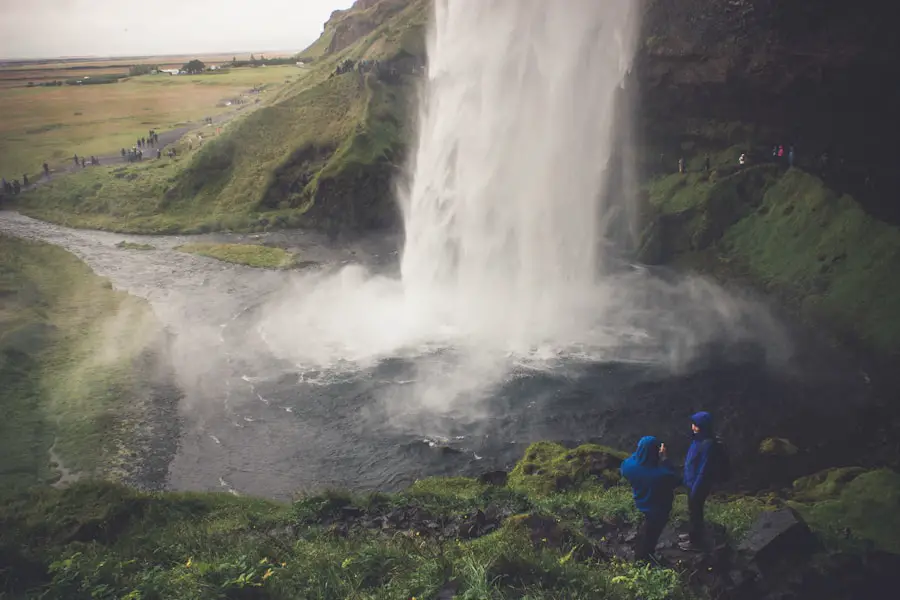
Taking time to collect water from a natural spring encourages a pause in your trek. In a landscape defined by dramatic forces — glaciers, volcanoes, and rushing rivers — stopping to refill a bottle provides a quiet moment to evaluate route conditions, check weather shifts, and assess hydration levels.
Respecting the Environment: Leave No Trace Principles for Water Collection
Iceland’s subarctic moss and delicate tundra soil can take decades to recover from tramping damage. Follow these Leave No Trace guidelines when sourcing water:
- Approach water banks using rocky surfaces or established gravel paths to avoid crushing fragile vegetation.
- Perform dishwashing or personal hygiene at least 200 feet (60 meters) away from natural water sources, using biodegradable soap sparingly.
- Pack out all trash, including used filter cartridges, packaging, and tablet wrappers.
Sharing the Experience: Encouraging Responsible Sourcing Among Hikers
Passing along route-specific water conditions to fellow hikers is a vital safety practice. Informing hikers heading in the opposite direction about dried-up creeks, heavy silting, or livestock presence upstream helps the entire trekking community navigate Iceland’s backcountry safely and responsibly.
Frequently Asked Questions
What are the primary sources of drinking water when hiking in Iceland?
Natural spring sources bubbling directly from rock, clear mountain streams, glacial meltwater, and taps at highland huts are the main sources. Cold groundwater springs are the safest and purest natural choice.
Is it safe to drink water directly from natural sources in Iceland without filtering?
Many clear spring sources in remote areas are exceptionally clean, but filtering or boiling is recommended due to free-roaming sheep and potential bacterial contamination downstream. Geothermal water is never safe to drink.
How can I tell if water in Iceland is geothermal and unsafe?
Geothermal water almost always gives off a distinct sulphur (rotten egg) smell, visible steam, or unusual warmth. Even if geothermal runoff looks crystal clear, it contains high concentrations of dissolved minerals and heavy metals that cannot be filtered out.
What water treatment methods work best for Icelandic trails?
A portable hollow-fiber micro-filter (0.1–0.2 micron) or squeeze filter is ideal for clear streams. For silty glacial rivers, use a cloth pre-filter first. Boiling water for at least one full minute is the best method if gear fails.
Are there regions in Iceland where water is scarce?
Yes. In porous lava fields and highland desert routes (such as Sprengisandur or Ódáðahraun), surface water sinks directly underground into volcanic rock. Hikers should carry 2 to 3 liters of water capacity when entering these dry volcanic stretches.
Will freezing weather damage my water filter in Iceland?
Yes. Standard hollow-fiber filters (such as Sawyer or Katadyn) freeze when internal moisture expands into ice, creating microscopic tears in the fibers. Keep your filter inside your jacket or sleeping bag during cold nights in the highlands.
Sources
- CDC — Backcountry Water Treatment Standards — confirms boiling time and pathogen neutralization parameters
- Minnesota Department of Health — guidelines for safe wilderness drinking water and parasite filtering
- Visit Reykjanes — Icelandic Water Geology — details spring origins and basaltic rock filtration facts
- Guide to Iceland — Water Safety & Infrastructure — overview of spring water purity and natural hazards
